Hablamos Español

Understanding the Causes of Bunion Pain

Bunion pain arises when a bony bump forms on the joint at the base of the big toe. This condition, known as a bunion, occurs due to prolonged pressure on the foot, often from wearing tight or ill-fitting shoes. The pressure causes the big toe to lean towards the second toe, resulting in the joint jutting out and becoming inflamed. This inflammation leads to pain, swelling, and redness. Genetics also plays a role, as bunions can run in families. Additionally, certain foot shapes and conditions, such as flat feet or arthritis, increase the likelihood of developing bunions. The pain can be worsened by activities that put extra stress on the feet, such as standing for long periods or engaging in high-impact sports. Proper footwear, orthotics, and, in severe cases, surgery can help alleviate bunion pain. If you have a bunion that is causing you pain and discomfort, it is suggested that you confer with a podiatrist who can determine the best course of treatment for you.

If you are suffering from bunions, contact Anas Khoury, DPM of North Eastern Foot & Ankle Specialists. Our doctor can provide the care you need to keep you pain-free and on your feet.

What Is a Bunion?

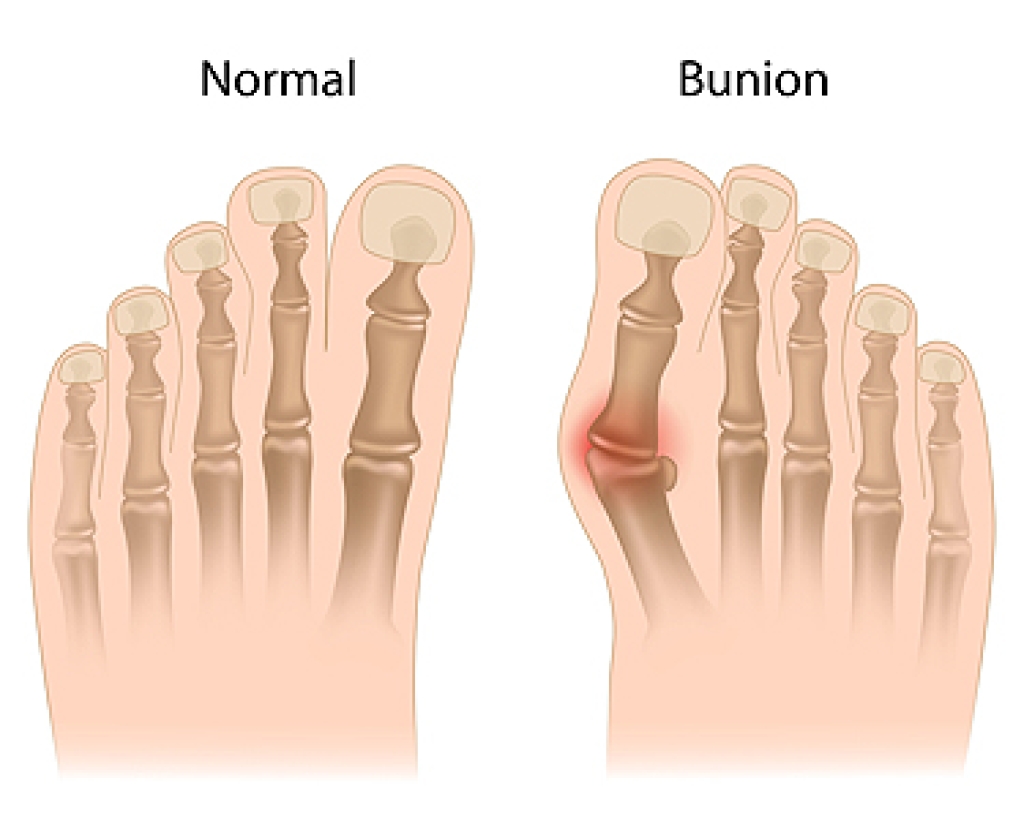
A bunion is formed of swollen tissue or an enlargement of boney growth, usually located at the base joint of the toe that connects to the foot. The swelling occurs due to the bones in the big toe shifting inward, which impacts the other toes of the foot. This causes the area around the base of the big toe to become inflamed and painful.

Why Do Bunions Form?

Genetics – Susceptibility to bunions are often hereditary

Stress on the feet – Poorly fitted and uncomfortable footwear that places stress on feet, such as heels, can worsen existing bunions

How Are Bunions Diagnosed?

Podiatrists often perform two tests – blood tests and x-rays – when trying to diagnose bunions, especially in the early stages of development. Blood tests help determine if the foot pain is being caused by something else, such as arthritis, while x-rays provide a clear picture of your bone structure to your provider.

How Are Bunions Treated?

  • Refrain from wearing heels or similar shoes that cause discomfort
  • Select wider shoes that can provide more comfort and reduce pain
  • Anti-inflammatory and pain management drugs
  • Orthotics or foot inserts
  • Surgery

If you have any questions, please feel free to contact our office located in Passaic, NJ . We offer the newest diagnostic and treatment technologies for all your foot care needs.

Read more about Bunions

Preventing Plantar Warts in Children

Plantar warts are a common issue in children, caused by the human papillomavirus, or HPV. These warts typically appear on the soles of the feet, causing discomfort and sometimes pain. The virus thrives in warm, moist environments, making public swimming pools, locker rooms, and communal showers common sources of infection. To prevent plantar warts, encourage children to wear protective footwear in these areas. Regularly washing feet and keeping them dry can also reduce the risk. It is important to avoid sharing shoes, socks, or towels to prevent the spread of the virus. If a child already has a plantar wart, covering it with a bandage can help prevent transmission. Promptly treating warts can also minimize discomfort and prevent them from spreading to others. Teaching children these habits can help protect them from plantar warts. If your child has developed a plantar wart, it is suggested that you visit a podiatrist who can properly treat this condition.

Plantar warts can be very uncomfortable. If you need your feet checked, contact Anas Khoury, DPM from North Eastern Foot & Ankle Specialists. Our doctor will assist you with all of your foot and ankle needs.

About Plantar Warts

Plantar warts are the result of HPV, or human papillomavirus, getting into open wounds on the feet. They are mostly found on the heels or balls of the feet.

While plantar warts are generally harmless, those experiencing excessive pain or those suffering from diabetes or a compromised immune system require immediate medical care. Plantar warts are easily diagnosed, usually through scraping off a bit of rough skin or by getting a biopsy.

Symptoms

  • Lesions on the bottom of your feet, usually rough and grainy
  • Hard or thick callused spots
  • Wart seeds, which are small clotted blood vessels that look like little black spots
  • Pain, discomfort, or tenderness of your feet when walking or standing

Treatment

  • Freezing
  • Electric tool removal
  • Laser Treatment
  • Topical Creams (prescription only)
  • Over-the-counter medications

To help prevent developing plantar warts, avoid walking barefoot over abrasive surfaces that can cause cuts or wounds for HPV to get into. Avoiding direct contact with other warts, as well as not picking or rubbing existing warts, can help prevent the further spread of plantar warts. However, if you think you have developed plantar warts, speak to your podiatrist. He or she can diagnose the warts on your feet and recommend the appropriate treatment options.

If you have any questions, please feel free to contact our office located in Passaic, NJ . We offer the newest diagnostic and treatment technologies for all your foot care needs.

Read more about What Are Plantar Warts?

Relief for Acute Ankle Sprains

Acute ankle sprains are often caused by sudden twists that stretch or tear ligaments surrounding the ankle, causing pain, swelling, and difficulty while walking. Immediate treatment for an acute ankle sprain is important for effective recovery and to prevent long-term complications. Supportive measures include a lace-up brace, an air stirrup brace, or an elastic compression wrap to stabilize the injured ankle and promote faster healing. Early mobilization, as tolerated by pain levels, has been shown to aid in quicker recovery and reduce the risk of chronic ankle instability. Pain relief medications can help to manage inflammation and discomfort. Athletes and those prone to recurrent sprains may wish to consider using ankle supports during sports to prevent future injuries. If you have recently sprained your ankle or are experiencing persistent discomfort, it is suggested that you schedule an appointment with a podiatrist for a personalized treatment plan to ensure proper healing, and to minimize the chance of future ankle problems.

Ankle sprains are common but need immediate attention. If you need your feet checked, contact Anas Khoury, DPM from North Eastern Foot & Ankle Specialists. Our doctor can provide the care you need to keep you pain-free and on your feet.

How Does an Ankle Sprain Occur?

Ankle sprains take place when the ligaments in your ankle are torn or stretched beyond their limits. There are multiple ways that the ankle can become injured, including twisting or rolling over onto your ankle, putting undue stress on it, or causing trauma to the ankle itself.

What Are the Symptoms?

  • Mild to moderate bruising
  • Limited mobility
  • Swelling
  • Discoloration of the skin (depending on severity)

Preventing a Sprain

  • Wearing appropriate shoes for the occasion
  • Stretching before exercises and sports
  • Knowing your limits

Treatment of a Sprain

Treatment of a sprain depends on the severity.  Many times, people are told to rest and remain off their feet completely, while others are given an air cast. If the sprain is very severe, surgery may be required.

If you have suffered an ankle sprain previously, you may want to consider additional support such as a brace and regular exercises to strengthen the ankle.

If you have any questions please feel free to contact our office located in Passaic, NJ . We offer the newest diagnostic tools and technology to treat your foot and ankle needs.

Read more about Ankle Sprains

Do You Suffer From Painful Feet?

Painful deformities, such as hammertoes, can be treated. Stop living with foot pain, and have beautiful feet again!

Custom Orthotics Provide Relief From Heel Pain

Experiencing persistent heel pain? Custom Orthotics might be your solution. These custom-designed shoe inserts adapt to your unique foot structure, optimizing support and alleviating discomfort. By redistributing pressure, they can significantly reduce heel pain, enhancing your daily mobility. Dive into a pain-free lifestyle and elevate your walking experience. Curious about the benefits of Custom Orthotics?

Contact our office today.

Connect With Us