Hablamos Español

Fundamentals of a Broken Toe

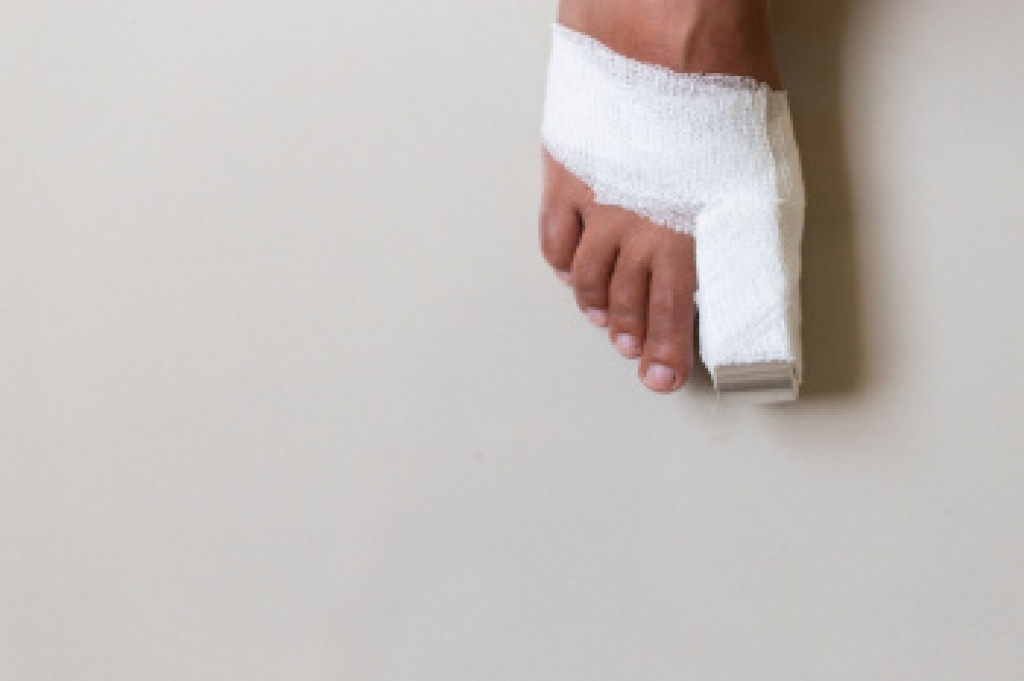
A broken toe, though seemingly minor, can disrupt daily routines and cause significant discomfort. Typically resulting from trauma or impact, a broken toe occurs when one or more of the toe bones fracture. Symptoms can include pain, swelling, bruising, and difficulty walking. Diagnosis often involves a physical examination and X-rays to determine the severity of the fracture. Treatment varies depending on the extent of the injury but commonly involves rest, elevation, and pain management. In some cases, the toe may need to be immobilized with a splint or buddy taping to a neighboring toe for support. Healing time ranges from a few weeks to several months, depending upon individual healing capabilities and the severity of the fracture. Ignoring a broken toe or failing to seek proper treatment can lead to complications, such as deformity or chronic pain. If you suspect you have broken your toe, it is suggested that you visit a podiatrist who can properly diagnose and treat this condition.

A broken toe can be very painful and lead to complications if not properly fixed. If you have any concerns about your feet, contact Anas Khoury, DPM from North Eastern Foot & Ankle Specialists. Our doctor will treat your foot and ankle needs.

What to Know About a Broken Toe

Although most people try to avoid foot trauma such as banging, stubbing, or dropping heavy objects on their feet, the unfortunate fact is that it is a common occurrence. Given the fact that toes are positioned in front of the feet, they typically sustain the brunt of such trauma. When trauma occurs to a toe, the result can be a painful break (fracture).

Symptoms of a Broken Toe

  • Throbbing pain
  • Swelling
  • Bruising on the skin and toenail
  • The inability to move the toe
  • Toe appears crooked or disfigured
  • Tingling or numbness in the toe

Generally, it is best to stay off of the injured toe with the affected foot elevated.

Severe toe fractures may be treated with a splint, cast, and in some cases, minor surgery. Due to its position and the pressure it endures with daily activity, future complications can occur if the big toe is not properly treated.

If you have any questions, please feel free to contact our office located in Passaic, NJ . We offer the newest diagnostic and treatment technologies for all your foot care needs.


Read more about What to Know About a Broken Toe

Keep Your Feet Healthy So You Can Stay Active

Have your feet inspected by a professional before starting a new sport or physical activity. Taking charge of your foot health will keep you in good physical condition and can help you avoid a potential injury, such as a fracture or sprained ankle.

Prevent injuries and see a foot specialist.

Common Ankle Injuries in Football

Football, with its fast-paced and dynamic nature, predisposes players to a range of injuries, with ankle injuries being among the most prevalent. These injuries often occur due to sudden changes in direction, collisions with other players, or awkward landings after jumps. One common ankle injury in football is the sprained ankle, which happens when the ligaments supporting the ankle are stretched or torn. Symptoms include pain, swelling, and difficulty bearing weight on the affected ankle. Another frequent injury is the ankle fracture, where one or more of the ankle bones break due to impact or excessive force. This injury causes severe pain, swelling, and possibly deformity of the ankle. Additionally, football players may experience ankle tendonitis, an inflammation of the tendons surrounding the ankle joint, resulting in pain and stiffness. Proper warm-up, strengthening exercises, wearing supportive footwear, and adhering to proper tackling and landing techniques can help reduce the risk of these common ankle injuries in football. Ankle injuries can be painful, and disrupt completing daily activities. If you have endured this condition, it is suggested that you confer with a podiatrist who can properly diagnose and treat ankle injuries.

Sports related foot and ankle injuries require proper treatment before players can go back to their regular routines. For more information, contact Anas Khoury, DPM of North Eastern Foot & Ankle Specialists. Our doctor can provide the care you need to keep you pain-free and on your feet.

Sports Related Foot and Ankle Injuries

Foot and ankle injuries are a common occurrence when it comes to athletes of any sport. While many athletes dismiss the initial aches and pains, the truth is that ignoring potential foot and ankle injuries can lead to serious problems. As athletes continue to place pressure and strain the area further, a mild injury can turn into something as serious as a rupture and may lead to a permanent disability. There are many factors that contribute to sports related foot and ankle injuries, which include failure to warm up properly, not providing support or wearing bad footwear. Common injuries and conditions athletes face, including:

  • Plantar Fasciitis
  • Achilles Tendinitis
  • Achilles Tendon Rupture
  • Ankle Sprains

Sports related injuries are commonly treated using the RICE method. This includes rest, applying ice to the injured area, compression and elevating the ankle. More serious sprains and injuries may require surgery, which could include arthroscopic and reconstructive surgery. Rehabilitation and therapy may also be required in order to get any recovering athlete to become fully functional again. Any unusual aches and pains an athlete sustains must be evaluated by a licensed, reputable medical professional.

If you have any questions please contact our office located in Passaic, NJ . We offer the newest diagnostic and treatment technologies for all your foot and ankle needs.

Read more about Sports Related Foot And Ankle Injuries

Custom Orthotics For Outdoor Activity

Embrace the great outdoors with confidence and comfort! Whether you're hiking, jogging, or exploring nature, Custom Orthotics are your perfect companion. Tailored to your foot's unique needs, they provide stability on uneven terrains and cushioning for those longer adventures. Don't let foot discomfort limit your outdoor experiences. With Custom Orthotics, every step is supported and secure. Call today to schedule an appointment.

Telltale Signs of Aging Feet

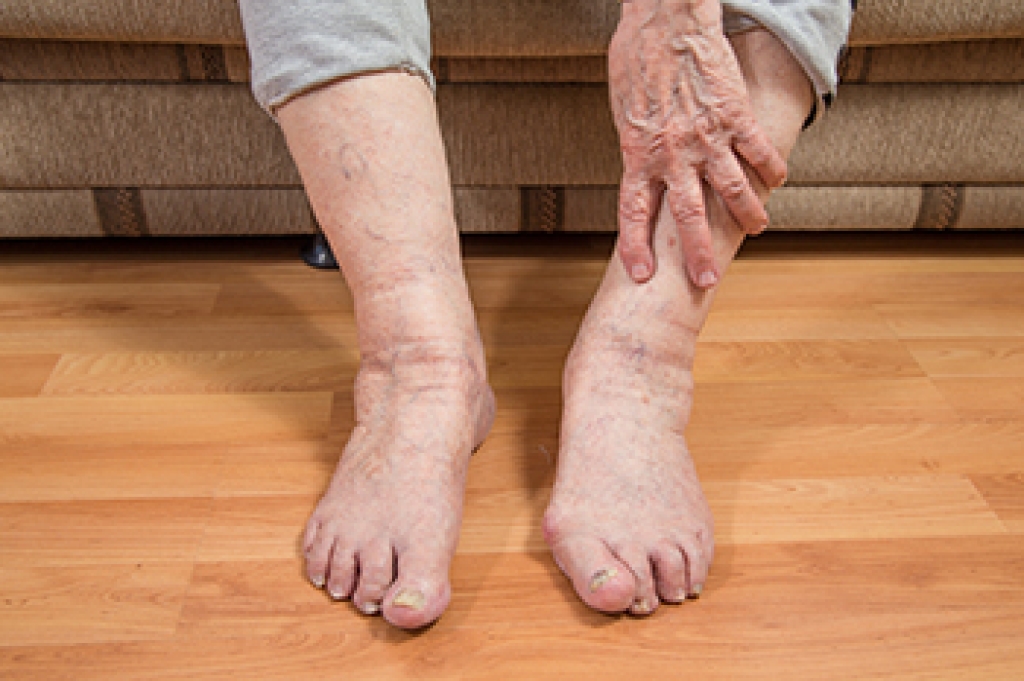
As we age, our feet undergo significant changes that may affect their appearance, function, and comfort. One of the most noticeable signs of aging feet is the development of wrinkles and thinning skin, which can result from decreased elasticity and collagen production. Additionally, the natural fat padding on the soles of the feet diminishes over time, leading to a loss of cushioning and increased susceptibility to pain and pressure. Other common signs include changes in toenail thickness and shape, as well as the formation of corns, calluses, and bunions due to years of wear and tear. Arthritic changes may also manifest in the form of stiffness, swelling, and joint deformities, making it more challenging to move and maintain balance. If you have encountered foot problems as you age, it is suggested that you confer with a podiatrist who can help you with effective remedies.

Proper foot care is something many older adults forget to consider. If you have any concerns about your feet and ankles, contact Anas Khoury, DPM from North Eastern Foot & Ankle Specialists. Our doctor can provide the care you need to keep you pain-free and on your feet.

The Elderly and Their Feet

As we age we start to notice many changes in our body, but the elder population may not notice them right away. Medical conditions may prevent the elderly to take notice of their foot health right away. Poor vision is a lead contributor to not taking action for the elderly.

Common Conditions 

  • Neuropathy – can reduce feeling in the feet and can hide many life-threatening medical conditions.
  • Reduced flexibility – prevents the ability of proper toenail trimming, and foot cleaning. If left untreated, it may lead to further medical issues.
  • Foot sores – amongst the older population can be serious before they are discovered. Some of the problematic conditions they may face are:
  • Gouging toenails affecting nearby toe
  • Shoes that don’t fit properly
  • Pressure sores
  • Loss of circulation in legs & feet
  • Edema & swelling of feet and ankles

Susceptible Infections

Diabetes and poor circulation can cause general loss of sensitivity over the years, turning a simple cut into a serious issue.

If you have any questions, please feel free to contact our office located in Passaic, NJ . We offer the newest diagnostic and treatment technologies for all your foot care needs.

Read more about Taking Care of Elderly Feet

Connect With Us