Hablamos Español

Recognizing Toenail Fungus and Its Look-Alikes

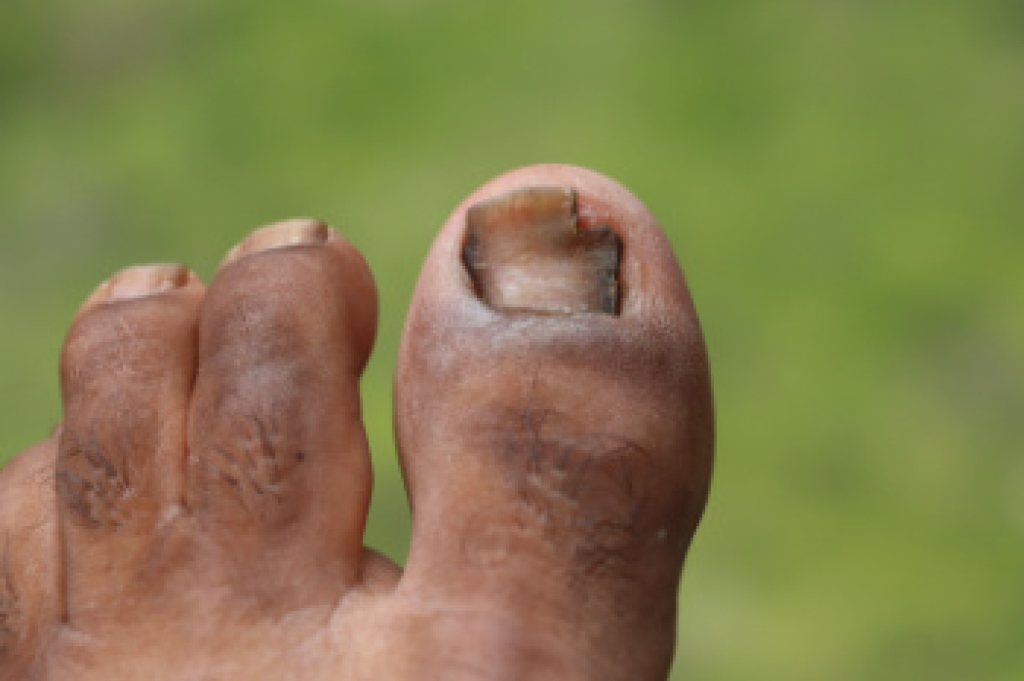
Toenail fungus is a common condition that can cause thickened, discolored, or brittle nails. However, not all changes in toenail appearance are due to fungus. Injuries to the nail bed can cause similar discoloration, as can psoriasis, eczema, or certain skin conditions that affect the nails. Repeated pressure from wearing tight shoes may lead to thickening and changes in shape. Some medications or systemic illnesses, such as thyroid disease, can also alter nail color or texture. Because these conditions can look alike, it is important not to self-diagnose or rely on over-the-counter treatments without confirmation. A podiatrist can examine the nail, possibly perform lab testing, and determine the true cause. Accurate diagnosis ensures that the right treatment is used, whether it is antifungal therapy or another form of care. If you notice nail changes, it is suggested that you see a podiatrist for a diagnosis and appropriate treatment.

If left untreated, toenail fungus may spread to other toenails, skin, or even fingernails. If you suspect you have toenail fungus it is important to seek treatment right away. For more information about treatment, contact Anas Khoury, DPM of North Eastern Foot & Ankle Specialists. Our doctor can provide the care you need to keep you pain-free and on your feet.

Symptoms

  • Warped or oddly shaped nails
  • Yellowish nails
  • Loose/separated nail
  • Buildup of bits and pieces of nail fragments under the nail
  • Brittle, broken, thickened nail

Treatment

If self-care strategies and over-the-counter medications does not help your fungus, your podiatrist may give you a prescription drug instead. Even if you find relief from your toenail fungus symptoms, you may experience a repeat infection in the future.

Prevention

In order to prevent getting toenail fungus in the future, you should always make sure to wash your feet with soap and water. After washing, it is important to dry your feet thoroughly especially in between the toes. When trimming your toenails, be sure to trim straight across instead of in a rounded shape. It is crucial not to cover up discolored nails with nail polish because that will prevent your nail from being able to “breathe”.

In some cases, surgical procedure may be needed to remove the toenail fungus. Consult with your podiatrist about the best treatment options for your case of toenail fungus.  

If you have any questions please contact our office located in Passaic, NJ . We offer the newest diagnostic and treatment technologies for all your foot and ankle needs.


Read more about Toenail Fungus

Custom Orthotics Seasonal - Any Season

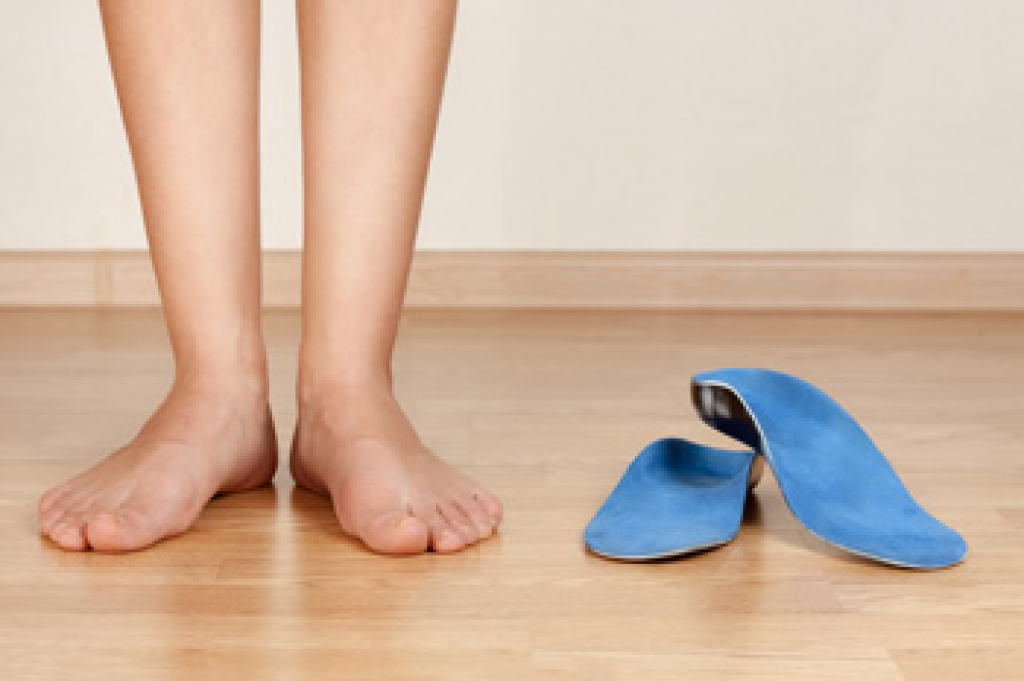
Rain or shine, snow or sleet, Custom Orthotics have your feet covered! As the seasons change, ensure your steps remain comfortable and supported. Custom Orthotics adapt to your footwear, from summer sandals to winter boots, providing consistent relief and alignment. Don't let the changing weather dictate your foot comfort. Step confidently year-round and experience the difference with Custom Orthotics. Call today for more information.

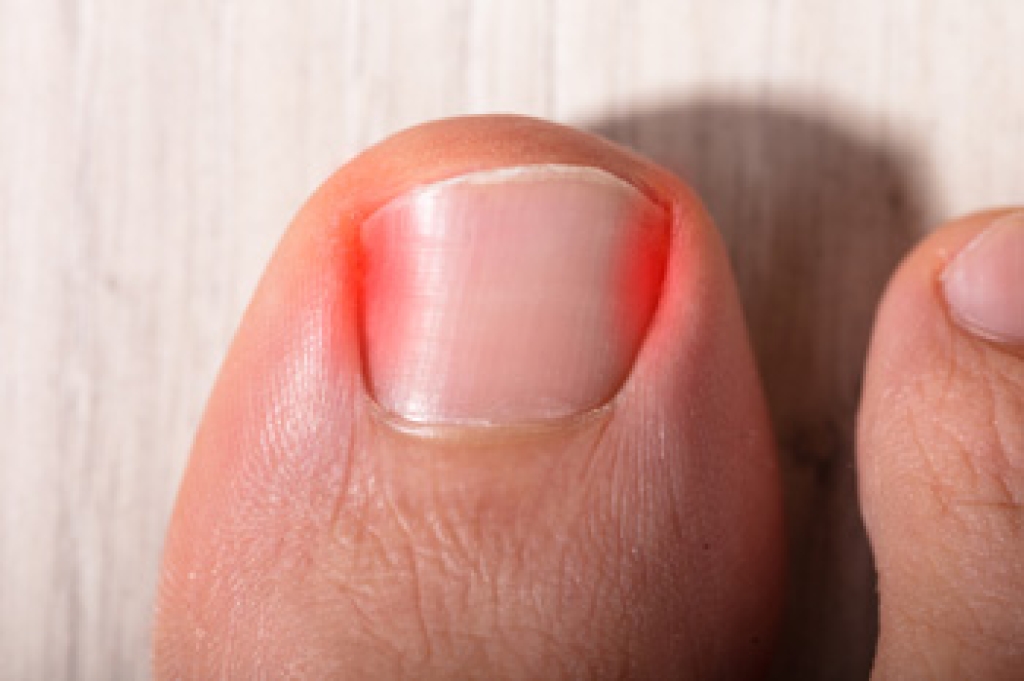
Causes of Ingrown Toenails

An ingrown toenail occurs when the edge of the nail grows into the surrounding skin, causing pain, swelling, and sometimes infection. It most commonly affects the big toe and can result from improper nail trimming, wearing tight footwear, genetics, or injury. Symptoms include redness, tenderness, and drainage. Risk factors include curved nails, poor foot hygiene, and repetitive pressure on the toes. If left untreated, the condition can worsen and lead to serious complications. A podiatrist can safely remove the ingrown portion of the nail, relieve pain, and provide guidance to prevent recurrence. If you notice signs of an ingrown toenail, it is suggested that you promptly schedule a visit with a podiatrist who can effectively treat this condition, which may include minor surgery. 

Ingrown toenails can become painful if they are not treated properly. For more information about ingrown toenails, contact Anas Khoury, DPM of North Eastern Foot & Ankle Specialists. Our doctor can provide the care you need to keep you pain-free and on your feet.

Ingrown Toenails

Ingrown toenails occur when a toenail grows sideways into the bed of the nail, causing pain, swelling, and possibly infection.

Causes

  • Bacterial infections
  • Improper nail cutting such as cutting it too short or not straight across
  • Trauma to the toe, such as stubbing, which causes the nail to grow back irregularly
  • Ill-fitting shoes that bunch the toes too close together
  • Genetic predisposition

Prevention

Wearing proper fitting shoes and using proper cutting techniques will also help decrease your risk of developing ingrown toenails.

Treatment

Ingrown toenails are a very treatable foot condition. In minor cases, soaking the affected area in salt or antibacterial soaps will not only help with the ingrown nail itself, but also help prevent any infections from occurring. In more severe cases, surgery is an option. In either case, speaking to your podiatrist about this condition will help you get a better understanding of specific treatment options that are right for you.

If you have any questions, please feel free to contact our office located in Passaic, NJ . We offer the newest diagnostic and treatment technologies for all your foot care needs.

Read more about Ingrown Toenails

Reduction of Foot Pain With Custom Orthotics in Common and Complex Conditions

Custom orthotics can provide meaningful relief for individuals experiencing foot pain from a wide range of conditions. In rheumatoid arthritis, where joint damage and inflammation affect foot alignment, orthotics help reduce pressure and improve function. For bunions, they may relieve stress on the big toe joint and help slow progression. People with high arches often experience pain due to poor shock absorption, and custom orthotics can provide needed cushioning and support. Children with juvenile idiopathic arthritis may benefit from orthotics that promote comfort and mobility while reducing joint strain. Even in more common issues like plantar fasciitis, orthotics help by supporting the arch and easing tension on the heel. The key advantage of custom orthotics lies in their personalized design, tailored to each foot’s structure and the specific condition. If you are dealing with persistent foot pain, it is suggested that you see a podiatrist for a detailed evaluation and care plan.

Custom orthotics are often an effective solution for people experiencing heel pain, offering both comfort and correction for the underlying causes of discomfort. Heel pain commonly develops when the natural support of the foot becomes strained or imbalanced, leading to inflammation and irritation in the heel area. Conditions such as plantar fasciitis, heel spurs, or flat feet can all contribute to chronic heel pain that worsens with walking or standing. Custom orthotics are designed to fit the exact shape of your foot, providing the support and alignment necessary to reduce stress on the heel and surrounding tissues.

By redistributing pressure and improving overall foot mechanics, custom orthotics allow the heel to function more efficiently during movement. They cushion each step, absorb shock, and correct abnormal gait patterns that may be contributing to pain. Over time, this consistent support can ease inflammation, protect against re-injury, and enhance comfort during both daily and athletic activities.

Unlike prefabricated insoles, custom orthotics are created from a detailed evaluation that may include digital scans or molds of your feet. This ensures a precise and individualized fit that addresses your specific condition. They can be used in various types of footwear, from athletic shoes to dress styles, making them a versatile option for ongoing relief.

If heel pain is limiting your comfort or activity level, it is suggested that you call our office for more information or to schedule an appointment.

If you have any questions please contact our office located in Passaic, NJ

Read more about Investing in Custom Orthotics Means Investing in Foot Health

Connect With Us