Hablamos Español

Peripheral Artery Disease

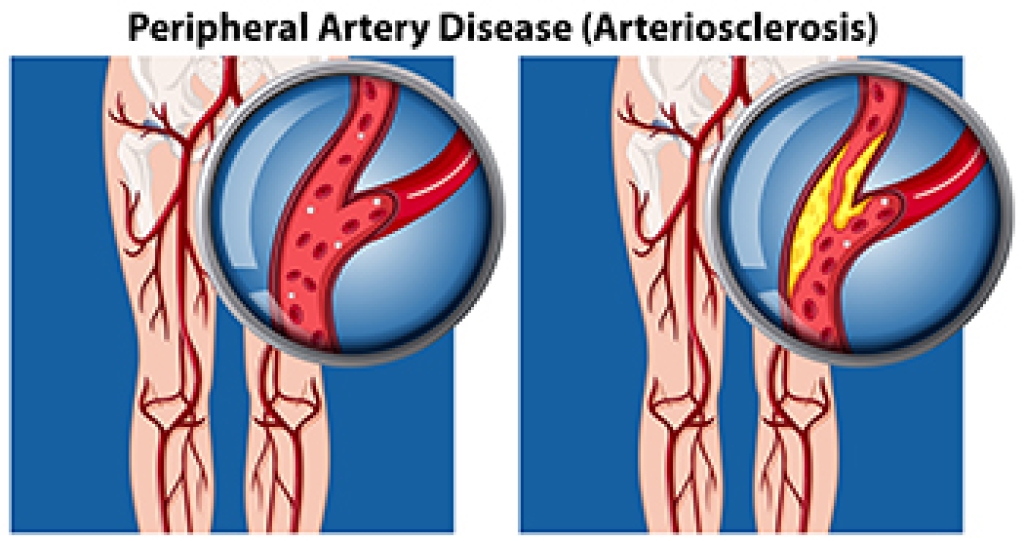
Peripheral artery disease involves impairment of the blood flow through the arteries to upper and lower extremities, like the feet. With this condition, the peripheral blood vessels narrow which decreases blood supply and oxygen to tissues within the legs and feet. Without proper blood flow, cells in your legs and feet cannot perform their functions well and may die. This, in turn, can lead to symptoms ranging from pain to gangrene, and the latter if left untreated could result in amputation. This condition affects both genders and is more common in older people. The main symptom of this disease, if there are any symptoms at all, is pain. An examination will involve looking for signs of trauma, muscle wasting, swelling, redness, absent hair patches, shin abnormalities such as staining, inflammation, or shininess, and ulcers on the foot or leg. Given the severity of complications arising from peripheral artery disease, regular visits to a podiatrist, especially as one ages, are recommended to diagnose and properly treat this disease before it becomes life-threatening.

Peripheral artery disease can pose a serious risk to your health. It can increase the risk of stroke and heart attack. If you have symptoms of peripheral artery disease, consult with Anas Khoury, DPM from North Eastern Foot & Ankle Specialists. Our doctor will assess your condition and provide you with quality foot and ankle treatment.

Peripheral artery disease (PAD) is when arteries are constricted due to plaque (fatty deposits) build-up. This results in less blood flow to the legs and other extremities. The main cause of PAD is atherosclerosis, in which plaque builds up in the arteries.

Symptoms

Symptoms of PAD include:

  • Claudication (leg pain from walking)
  • Numbness in legs
  • Decrease in growth of leg hair and toenails
  • Paleness of the skin
  • Erectile dysfunction
  • Sores and wounds on legs and feet that won’t heal
  • Coldness in one leg

It is important to note that a majority of individuals never show any symptoms of PAD.

Diagnosis

While PAD occurs in the legs and arteries, Podiatrists can diagnose PAD. Podiatrists utilize a test called an ankle-brachial index (ABI). An ABI test compares blood pressure in your arm to you ankle to see if any abnormality occurs. Ultrasound and imaging devices may also be used.

Treatment

Fortunately, lifestyle changes such as maintaining a healthy diet, exercising, managing cholesterol and blood sugar levels, and quitting smoking, can all treat PAD. Medications that prevent clots from occurring can be prescribed. Finally, in some cases, surgery may be recommended.

If you have any questions, please feel free to contact our office located in Passaic, NJ . We offer the newest diagnostic and treatment technologies for all your foot care needs.

Read more about Peripheral Artery Disease

Why Dry Skin Can Lead To Cracked Heals

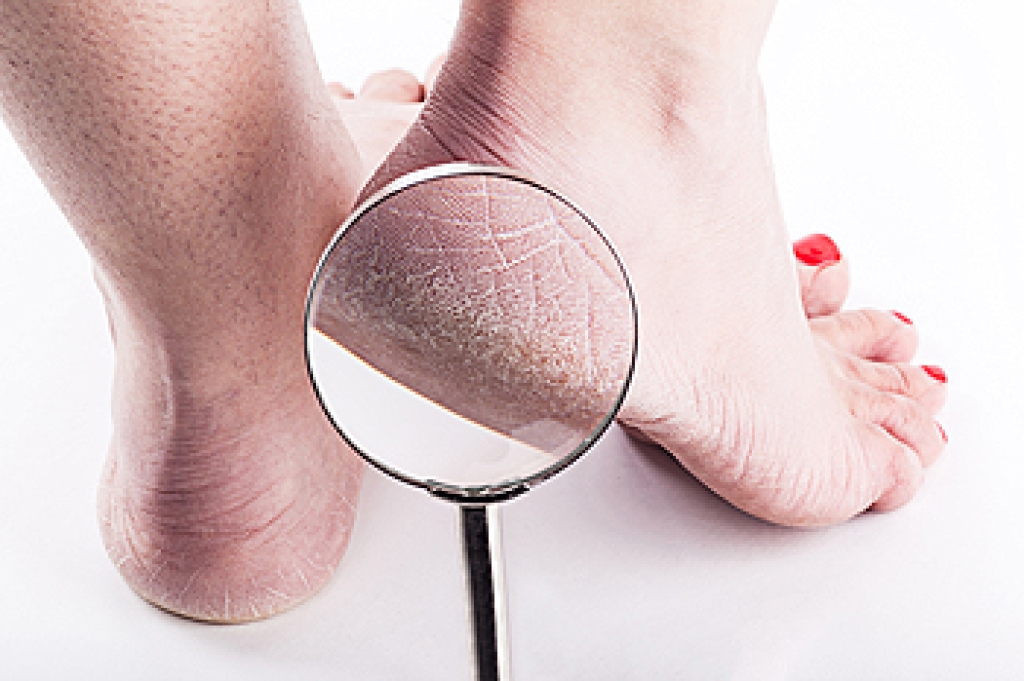
When the skin on your heels is allowed to become overly dry, rough and thick, this can sometimes set the stage for cracked heels to develop. That is because when the weight of the body bears down—and the heel naturally spreads out—this callused, inflexible skin can crack. If cracked heels (heel fissures) are left untreated, they can deepen, become painful and possibly even bleed or become infected. The best way to treat cracked heels is to avoid getting them at all. Applying topical emollients or occlusive moisturizers at night and covering your feet with socks can help seal in moisture and keep the heel hydrated. Also, gently massaging the heels with a pumice stone may help to smooth out mildly cracked heels, but this practice is not advised for people with diabetes or nerve damage. If your heels are badly cracked, red, painful, bleeding, or you believe they may be infected, it is suggested you contact a podiatrist to receive professional care.

Cracked heels are unsightly and can cause further damage to your shoes and feet. If you have any concerns, contact Anas Khoury, DPM from North Eastern Foot & Ankle Specialists. Our doctor can provide the care you need to keep you pain-free and on your feet.

Cracked Heels

Cracked heels appear unappealing and can make it harder for you walk around in sandals. Aside from looking unpleasant, cracked heels can also tear stockings, socks, and wear out your shoes. There are several methods to help restore a cracked heel and prevent further damage.

How Do You Get Them?

Dry skin is the number one culprit in creating cracked heels. Many athletes, walkers, joggers, and even swimmers suffer from cracked heels. Age and skin oil production play a role to getting cracked heels as well.

Promote Healing

Over the counter medicines can help, especially for those that need instant relief or who suffer from chronic dry feet.

Wear Socks – Wearing socks with medicated creams helps lock in moisture.

Moisturizers – Applying both day and night will help alleviate dryness which causes cracking.

Pumice Stones – These exfoliate and remove dead skin, which allows for smoother moisturizer application and better absorption into the skin. 

Change in Diet

Eating healthy with a well-balanced diet will give the skin a fresh and radiant look. Your body responds to the kinds of food you ingest. Omega-3 fatty acids and zinc supplements can also revitalize skin tissue.

Most importantly, seek professional help if unsure how to proceed in treating cracked heels. A podiatrist will help you with any questions or information needed. 

If you have any questions, please feel free to contact our office located in Passaic, NJ . We offer the newest diagnostic and treatment technologies for all your foot care needs.

Read more about Solutions for Cracked Heels

Everyday Foot Care Can Promote Well Being

Many people take care of their body, but neglect proper foot care. This can lead to limited physical activity and possibly developing specific foot conditions. Everyday foot care starts with washing and drying the feet thoroughly, followed by applying a good moisturizer. Trimming the toenails properly is essential in possibly preventing ingrown toenails. It is beneficial to soak the feet in warm water for approximately 15 minutes, which may have a positive effect on the overall body. Performing frequent foot stretches can help to strengthen the feet and make it easier to complete daily activities. Many patients enjoy getting foot massages and pedicures, adding to the feeling of general well being. It is important to wear shoes that fit properly, in addition to wearing appropriate foot coverings while in public swimming areas and locker rooms. If you would like more information about tips on everyday foot care, please confer with a podiatrist.

Everyday foot care is very important to prevent infection and other foot ailments. If you need your feet checked, contact Anas Khoury, DPM from North Eastern Foot & Ankle Specialists. Our doctor can provide the care you need to keep you pain-free and on your feet.

Everyday Foot Care

Often, people take care of their bodies, face and hair more so than they do for their feet. But the feet are a very important aspect of our bodies, and one that we should pay more attention to. Without our feet, we would not be able to perform most daily tasks.

It is best to check your feet regularly to make sure there are no new bruises or cuts that you may not have noticed before. For dry feet, moisturizer can easily be a remedy and can be applied as often as necessary to the affected areas. Wearing shoes that fit well can also help you maintain good foot health, as well as making it easier to walk and do daily activities without the stress or pain of ill-fitting shoes, high heels, or even flip flops. Wearing clean socks with closed shoes is important to ensure that sweat and bacteria do not accumulate within the shoe. Clean socks help to prevent Athlete’s foot, fungi problems, bad odors, and can absorb sweat.

If you have any questions, please feel free to contact our office located in Passaic, NJ . We offer the newest diagnostic and treatment technologies for all your foot care needs.
Read more about Every Day Foot Care

Ankle Sprains Can Be Painful

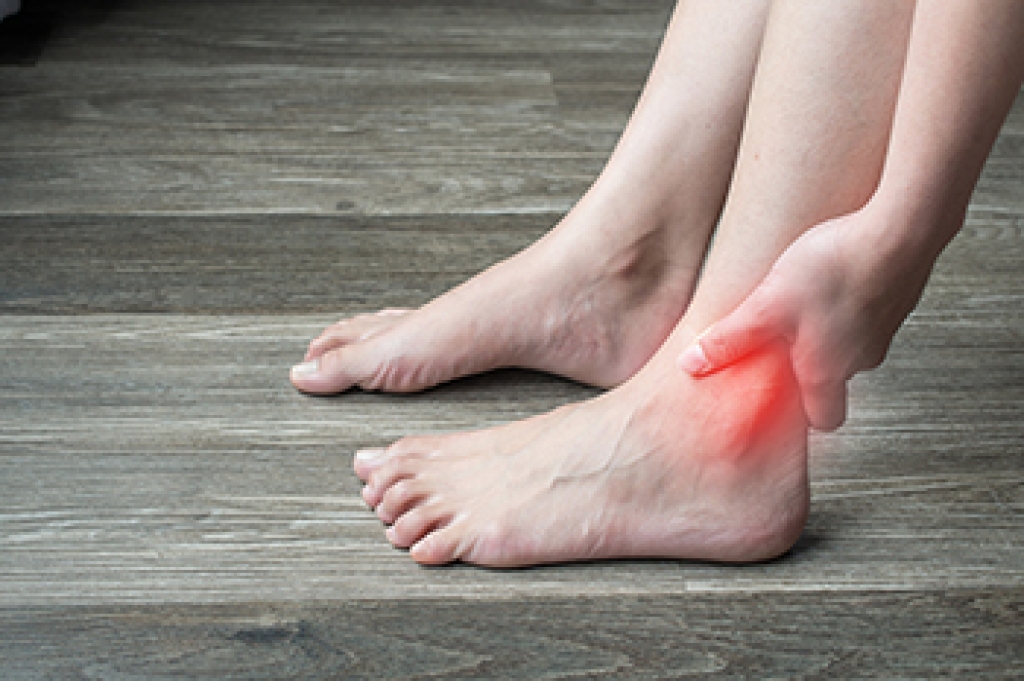
A sprained ankle happens when supporting ligaments get stretched or torn a result of  tripping or falling, which can cause the ankle to twist. It is a common injury among athletes, and research has indicated that sprained ankles account for approximately 25 percent of sports related injuries. Many patients who have sprained their ankles exhibit symptoms that include pain, swelling, bruising, and difficulty walking. Ankle sprains require a proper diagnosis to be performed, which is helpful in ruling out a fracture. This is done by having an X-ray taken, and the results can determine what type of treatment is required. The majority of ankle sprains will heal within 6 to 8 weeks, and it is important to place the affected foot in a boot or brace, which can offer proper stability as the healing process takes place. Healing may be accelerated when weight is kept off of the foot, and existing swelling can be reduced when the foot is frequently elevated. If you have sprained your ankle, it is strongly suggested that you seek the counsel of a podiatrist who can offer you correct treatment solutions.

Ankle pain can be caused by a number of problems and may be potentially serious. If you have ankle pain, consult with Anas Khoury, DPM from North Eastern Foot & Ankle Specialists. Our doctor will assess your condition and provide you with quality foot and ankle treatment.

Ankle pain is any condition that causes pain in the ankle. Due to the fact that the ankle consists of tendons, muscles, bones, and ligaments, ankle pain can come from a number of different conditions.

Causes

The most common causes of ankle pain include:

  • Types of arthritis (rheumatoid, osteoarthritis, and gout)
  • Ankle sprains
  • Broken ankles
  • Achilles tendonitis
  • Achilles tendon rupture
  • Stress fractures
  • Bursitis
  • Tarsal tunnel syndrome
  • Plantar fasciitis

Symptoms

Symptoms of ankle injury vary based upon the condition. Pain may include general pain and discomfort, swelling, aching, redness, bruising, burning or stabbing sensations, and/or loss of sensation.

Diagnosis

Due to the wide variety of potential causes of ankle pain, podiatrists will utilize a number of different methods to properly diagnose ankle pain. This can include asking for personal and family medical histories and of any recent injuries. Further diagnosis may include sensation tests, a physical examination, and potentially x-rays or other imaging tests.

Treatment

Just as the range of causes varies widely, so do treatments. Some more common treatments are rest, ice packs, keeping pressure off the foot, orthotics and braces, medication for inflammation and pain, and surgery.

If you have any questions please feel free to contact our office located in Passaic, NJ . We offer the newest diagnostic tools and technology to treat your foot and ankle needs.

Read more about Ankle Pain

Connect With Us