Hablamos Español

Surgery for Morton's Neuroma

Morton's neuroma, a painful condition characterized by the thickening of tissue around the nerves leading to the toes, can significantly impair mobility and quality of life for those affected. While conservative treatments such as orthotic devices, shoe modifications, and corticosteroid injections can provide relief for some individuals, surgery may be necessary in cases where symptoms persist or worsen over time. Surgical intervention for Morton's neuroma typically involves removing the affected nerve tissue to alleviate pain and discomfort. The procedure aims to release the pressure on the nerves and restore normal function to the foot. Surgeons may opt for various techniques, including nerve decompression or neurectomy, depending on the severity and location of the neuroma. While surgery offers the potential for long-term relief from Morton's neuroma symptoms, it also entails risks and considerations that patients should discuss thoroughly with their podiatrists. If you have developed Morton’s neuroma, it is suggested that you consult your podiatrist who can discuss if surgery is a treatment option for you.

Morton’s neuroma is a very uncomfortable condition to live with. If you think you have Morton’s neuroma, contact Anas Khoury, DPM of North Eastern Foot & Ankle Specialists. Our doctor will attend to all of your foot care needs and answer any of your related questions.  

Morton’s Neuroma

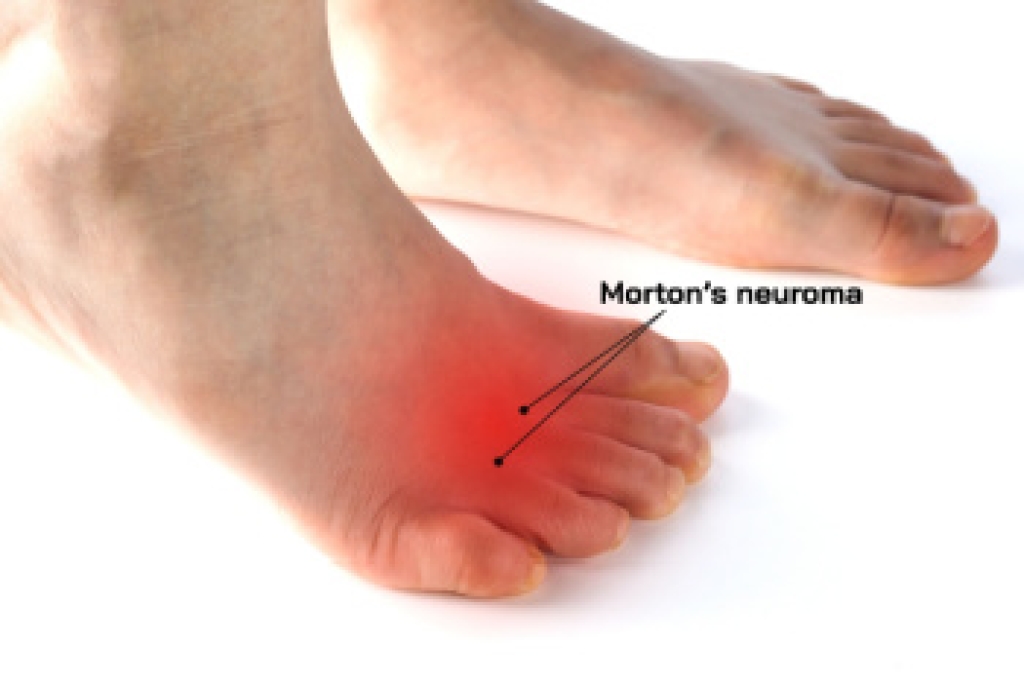
Morton's neuroma is a painful foot condition that commonly affects the areas between the second and third or third and fourth toe, although other areas of the foot are also susceptible. Morton’s neuroma is caused by an inflamed nerve in the foot that is being squeezed and aggravated by surrounding bones.

What Increases the Chances of Having Morton’s Neuroma?

  • Ill-fitting high heels or shoes that add pressure to the toe or foot
  • Jogging, running or any sport that involves constant impact to the foot
  • Flat feet, bunions, and any other foot deformities

Morton’s neuroma is a very treatable condition. Orthotics and shoe inserts can often be used to alleviate the pain on the forefront of the feet. In more severe cases, corticosteroids can also be prescribed. In order to figure out the best treatment for your neuroma, it’s recommended to seek the care of a podiatrist who can diagnose your condition and provide different treatment options.

If you have any questions, please feel free to contact our office located in Passaic, NJ . We offer the newest diagnostic and treatment technologies for all your foot care needs.

Read more about What is Morton's Neuroma?

Heel Pain in the Morning?

Heel pain can negatively affect your day-to-day life. Simple activities like walking can become incredibly uncomfortable or painful due to heel pain.

Don’t live with heel pain and get treated.

Custom Orthotics For Foot and Heel Pain

Step into relief and reclaim your mobility! Foot and heel pain can be a thing of the past with the right Custom Orthotics. Customized to your unique foot structure, they provide the support and alignment needed to alleviate discomfort. Whether you're walking, running, or simply standing, Custom Orthotics ensure every step is cushioned and pain-free. Don't let foot ailments dictate your day. With Custom Orthotics, embrace a world of comfort and freedom. Call today to schedule an appointment.

Neuropathy and Its Impact on Foot Health

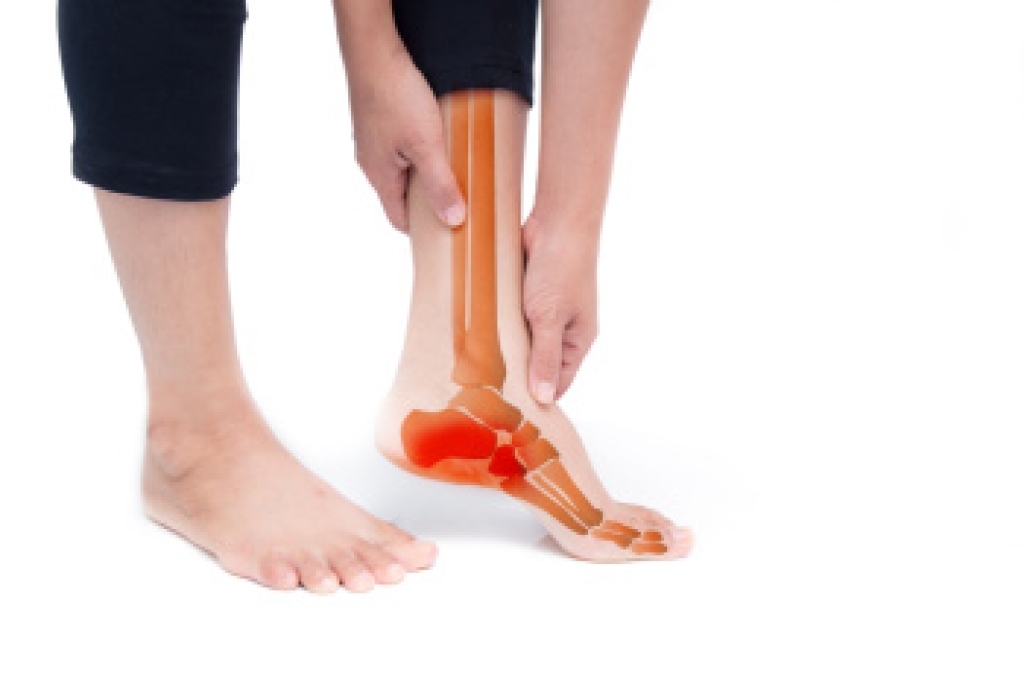
Neuropathy refers to a condition characterized by damage to the nerves, disrupting the normal communication between the brain and other parts of the body. When neuropathy affects the feet, it can lead to a range of symptoms and complications that significantly affect foot health. Neuropathy often manifests as numbness, tingling, burning sensations, or sharp pain in the feet. These symptoms can make it difficult for individuals to sense pain or temperature changes, increasing the risk of injuries and infections. Additionally, neuropathy can cause changes in foot structure and function, leading to conditions such as hammertoes, bunions, and Charcot foot. Additionally, poor blood circulation associated with neuropathy can impair wound healing, increasing the risk of ulcers and complications. It is imperative for individuals with neuropathy to prioritize foot care and regularly inspect their feet for any signs of injury or infection. Seeking timely medical attention from a podiatrist and implementing preventive measures can help manage neuropathy and preserve foot health in the long term. If you have symptoms of neuropathy in your feet, it is strongly suggested that you are under the care of a podiatrist who can help you with effective management tips.

Neuropathy

Neuropathy can be a potentially serious condition, especially if it is left undiagnosed. If you have any concerns that you may be experiencing nerve loss in your feet, consult with Anas Khoury, DPM from North Eastern Foot & Ankle Specialists. Our doctor will assess your condition and provide you with quality foot and ankle treatment for neuropathy.

What Is Neuropathy?

Neuropathy is a condition that leads to damage to the nerves in the body. Peripheral neuropathy, or neuropathy that affects your peripheral nervous system, usually occurs in the feet. Neuropathy can be triggered by a number of different causes. Such causes include diabetes, infections, cancers, disorders, and toxic substances.

Symptoms of Neuropathy Include:

  • Numbness
  • Sensation loss
  • Prickling and tingling sensations
  • Throbbing, freezing, burning pains
  • Muscle weakness

Those with diabetes are at serious risk due to being unable to feel an ulcer on their feet. Diabetics usually also suffer from poor blood circulation. This can lead to the wound not healing, infections occurring, and the limb may have to be amputated.

Treatment

To treat neuropathy in the foot, podiatrists will first diagnose the cause of the neuropathy. Figuring out the underlying cause of the neuropathy will allow the podiatrist to prescribe the best treatment, whether it be caused by diabetes, toxic substance exposure, infection, etc. If the nerve has not died, then it’s possible that sensation may be able to return to the foot.

Pain medication may be issued for pain. Electrical nerve stimulation can be used to stimulate nerves. If the neuropathy is caused from pressure on the nerves, then surgery may be necessary.

If you have any questions, please feel free to contact our office located in Passaic, NJ . We offer the newest diagnostic and treatment technologies for all your foot care needs.
Read more about Neuropathy

Orthotics for Flat Feet

Flat feet, also known as pes planus, can cause discomfort and affect mobility. They occur when the arch of the foot collapses or is absent, leading to the entire foot touching the ground when standing. Flat feet can result from various factors, including genetics, foot bone problems, muscle weakness, and obesity. Symptoms may include pain, swelling, difficulty standing on tiptoes, and fatigue. Relief options include supportive footwear, exercises to strengthen muscles, rest, and in severe cases, surgery. Custom-made orthotics can provide arch support and alleviate discomfort by improving foot motion. If you have flat feet that are causing problems, it is suggested that you schedule an appointment with a podiatrist. This type of doctor can determine if orthotics will be helpful to prevent worsening symptoms and improve your overall foot health and function.

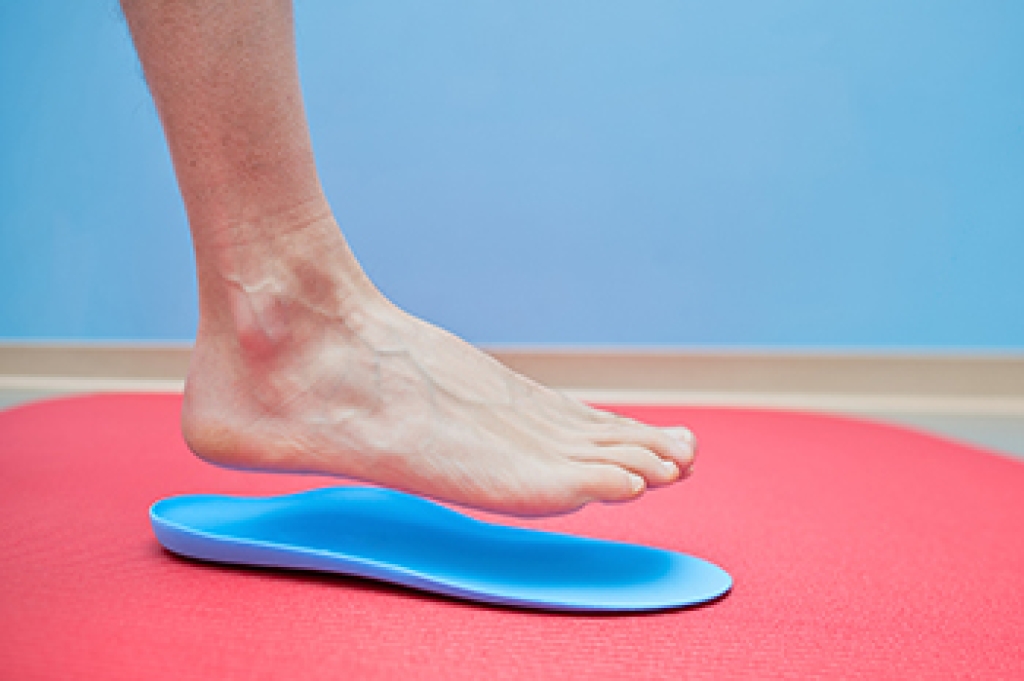
Our feet carry us through every part of life, absorbing the impact of thousands of steps each day. When they are not properly supported, the effects can extend far beyond the feet themselves. Custom orthotics provide the foundation the body needs by aligning, cushioning, and stabilizing each foot in its most natural position. They are carefully crafted to match the unique structure of each individual’s feet, allowing them to move efficiently and comfortably while reducing stress on the muscles, joints, and ligaments.

Proper foot support is essential for maintaining balance and preventing fatigue. Without it, the body compensates by shifting weight unevenly, which can lead to discomfort in the ankles, knees, hips, or lower back. Custom orthotics help restore this balance by redistributing pressure and promoting a more natural walking pattern. They not only ease existing pain but also protect against future strain or injury by supporting the arches and controlling excessive motion.

Unlike store-bought insoles, custom orthotics are created through detailed assessment and advanced technology to provide precise correction and comfort. They fit seamlessly into most shoes, making them ideal for daily wear, work, or sports.

If your feet feel tired, sore, or unsupported, it is recommended that you contact our office for more information, or to make an appointment.

If you have any questions please contact our office located in Passaic, NJ

Read more about Investing in Custom Orthotics Means Investing in Foot Health

Connect With Us