Hablamos Español

Achilles Tendon Injury in Dancers

Dancers place significant strain on the Achilles tendon due to repetitive movements, jumps, and intense footwork. This can lead to inflammation, microtears, or even more severe injuries if not properly managed. Overuse, inadequate warm-ups, and wearing improper footwear increase the risk of injury. Strengthening the calf muscles and improving flexibility through targeted exercises can help reduce strain on the tendon. Proper technique, gradual intensity progression, and sufficient rest between training sessions are essential for injury prevention. Supportive footwear and using appropriate dance surfaces can also minimize stress on the Achilles tendon. Paying attention to early signs of discomfort, such as stiffness or pain, allows for timely intervention. If you have sustained an Achilles tendon injury from dancing, it is suggested that you promptly contact a podiatrist who can offer effective treatment solutions and prevention tips.

Achilles tendon injuries need immediate attention to avoid future complications. If you have any concerns, contact Anas Khoury, DPM of North Eastern Foot & Ankle Specialists. Our doctor can provide the care you need to keep you pain-free and on your feet.

What Is the Achilles Tendon?

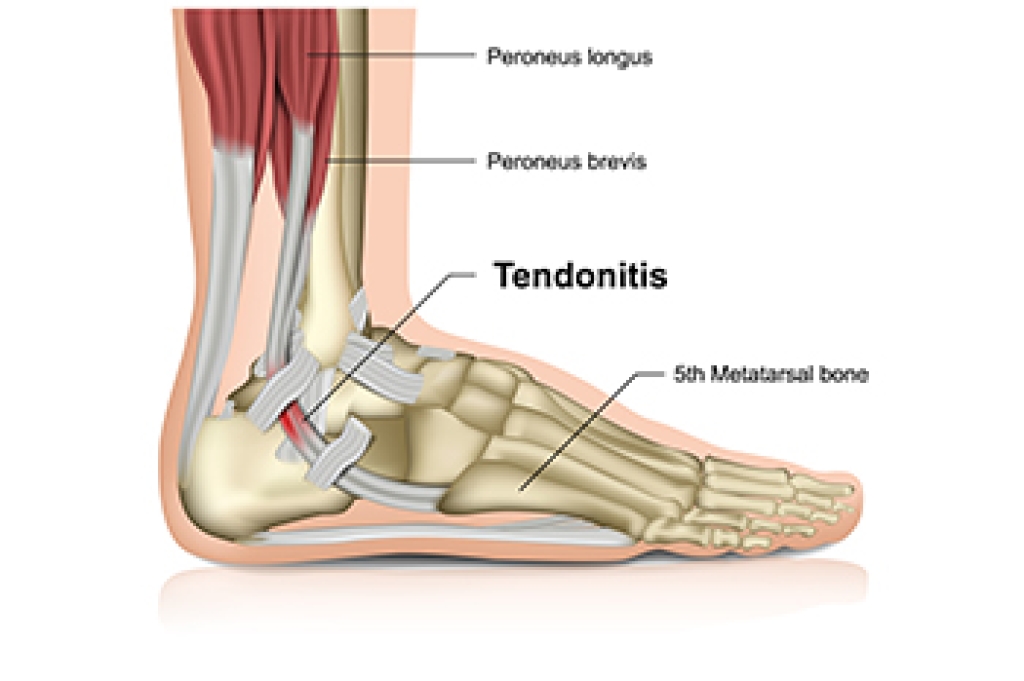
The Achilles tendon is a tendon that connects the lower leg muscles and calf to the heel of the foot. It is the strongest tendon in the human body and is essential for making movement possible. Because this tendon is such an integral part of the body, any injuries to it can create immense difficulties and should immediately be presented to a doctor.

What Are the Symptoms of an Achilles Tendon Injury?

There are various types of injuries that can affect the Achilles tendon. The two most common injuries are Achilles tendinitis and ruptures of the tendon.

Achilles Tendinitis Symptoms

  • Inflammation
  • Dull to severe pain
  • Increased blood flow to the tendon
  • Thickening of the tendon

Rupture Symptoms

  • Extreme pain and swelling in the foot
  • Total immobility

Treatment and Prevention

Achilles tendon injuries are diagnosed by a thorough physical evaluation, which can include an MRI. Treatment involves rest, physical therapy, and in some cases, surgery. However, various preventative measures can be taken to avoid these injuries, such as:

  • Thorough stretching of the tendon before and after exercise
  • Strengthening exercises like calf raises, squats, leg curls, leg extensions, leg raises, lunges, and leg presses

If you have any questions please feel free to contact our office located in Passaic, NJ . We offer the newest diagnostic tools and technology to treat your foot and ankle needs.

Read more about The Causes, Types, and Treatments of Achilles Tendon Injuries

It's Time for Beautiful Feet

You don't need an excuse to have beautiful nails. Step outside without worrying about the appearance of your feet.

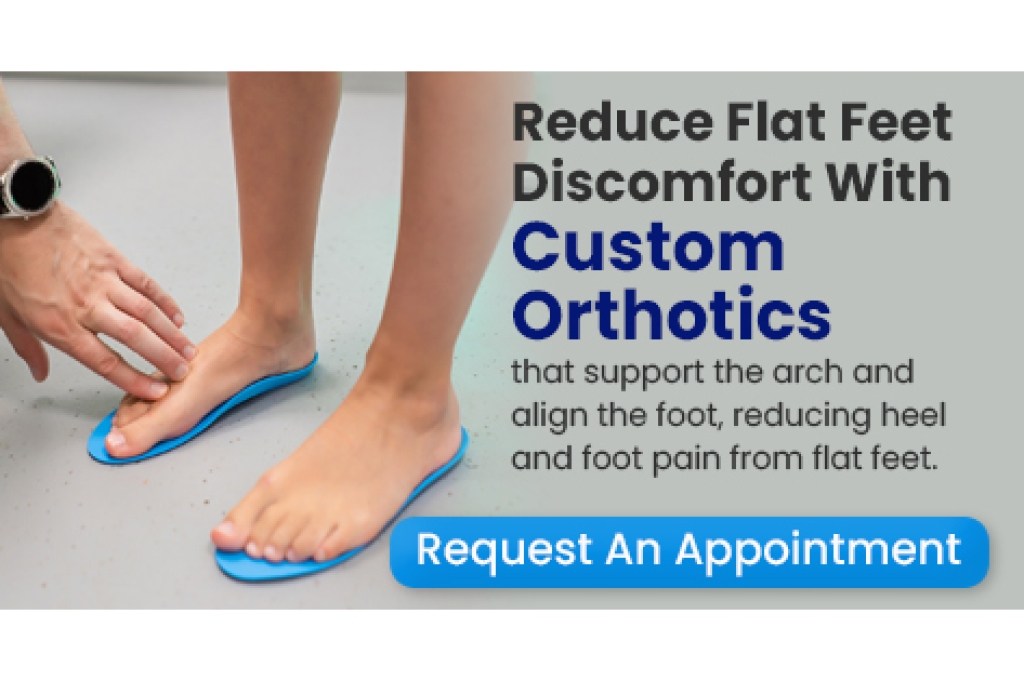
Reduce Flat Feet Discomfort With Custom Orthotics

Flat feet? Rise above the discomfort with Custom Orthotics. Specifically designed to support the arch and align the foot, Custom Orthotics can be a game-changer for those with flat feet. They help in distributing weight evenly, preventing undue stress and potential pain. Walk, run, or stand with newfound confidence, knowing your feet have the support they've been missing. Want to explore the benefits of Custom Orthotics tailored for flat feet? Contact us today!

Definition and Risk Factors of Onychomycosis

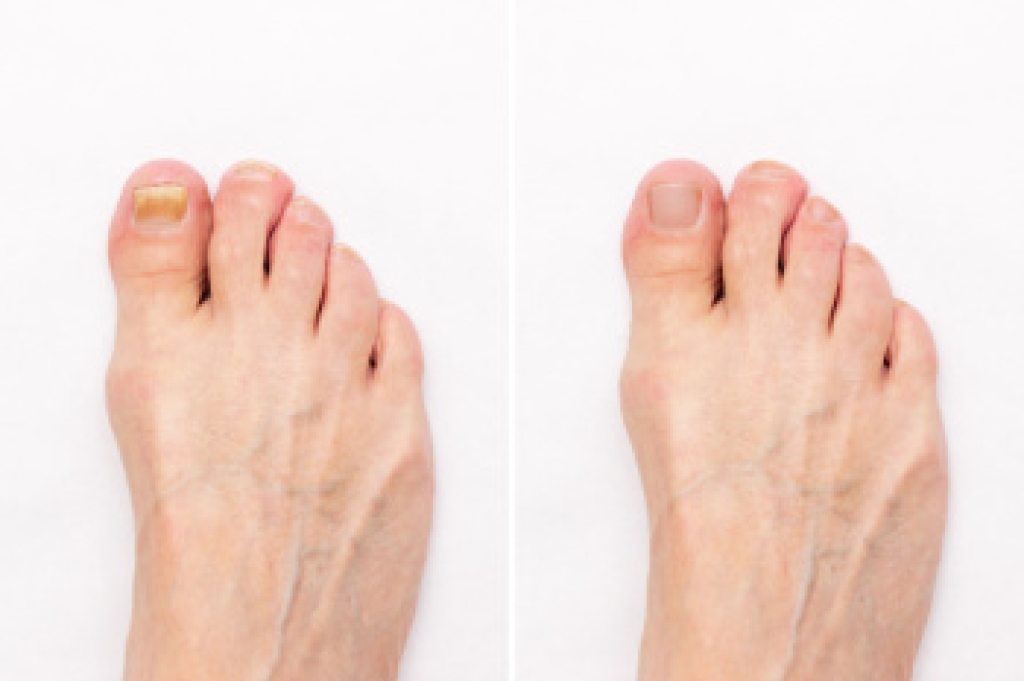
Onychomycosis is a fungal infection that affects the toenails, causing discoloration, thickening, and brittleness. It develops when fungi invade the nail bed, thriving in warm and moist environments. Risk factors for fungal toenails include excessive sweating, prolonged exposure to damp conditions, and wearing tight or non-breathable footwear. Individuals with weakened immune systems, diabetes, or poor circulation are more susceptible to infection. Symptoms often begin with white or yellow spots on the nail, progressing to thickened, crumbly, or distorted nail surfaces. In some cases, the affected nails may become painful or emit an unpleasant odor. If you have the above symptoms, it is suggested that you promptly consult a podiatrist who can effectively treat toenail fungus, which may include prescribed medication.

For more information about treatment, contact Anas Khoury, DPM of North Eastern Foot & Ankle Specialists. Our doctor can provide the care you need to keep you pain-free and on your feet.

Toenail Fungus Treatment

Toenail fungus is a condition that affects many people and can be especially hard to get rid of. Fortunately, there are several methods to go about treating and avoiding it.

Antifungals & Deterrence

Oral antifungal medicine has been shown to be effective in many cases. It is important to consult with a podiatrist to determine the proper regiment for you, or potentially explore other options.

Applying foot powder on the feet and shoes helps keep the feet free of moisture and sweat.

Sandals or open toed shoes – Wearing these will allow air movement and help keep feet dry. They also expose your feet to light, which fungus cannot tolerate. Socks with moisture wicking material also help as well.

If you have any questions please contact our office located in Passaic, NJ . We offer the newest diagnostic and treatment technologies for all your foot and ankle needs.

Read more about How to Treat Your Toenail Fungus

Expert Prescription of Custom Orthotics

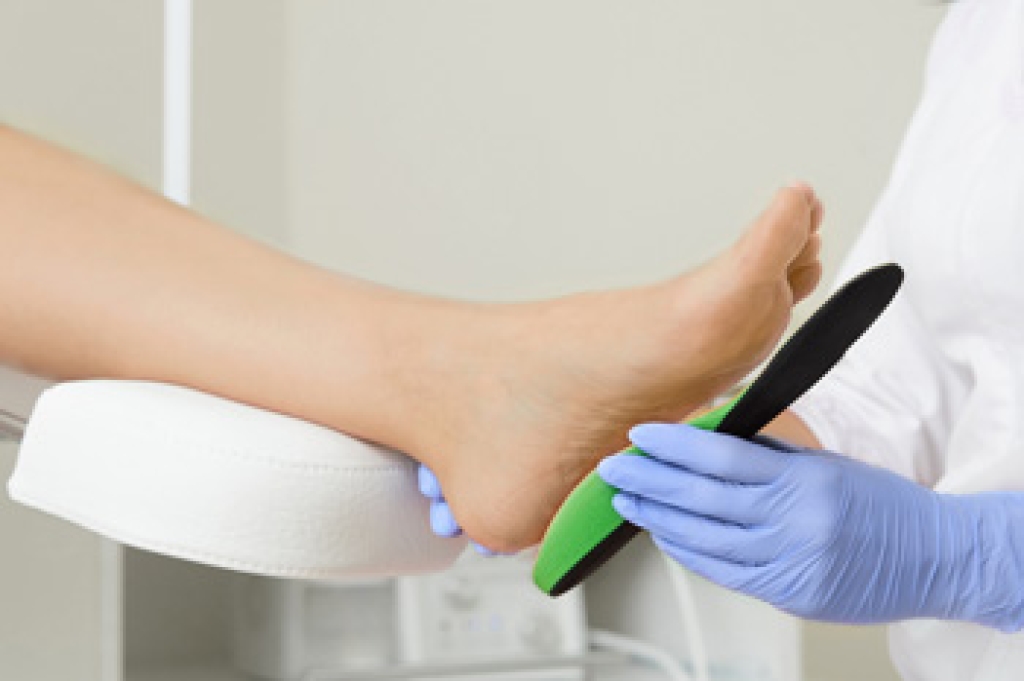
Prescribing custom orthotics is not as simple as taking a mold of the foot and inserting support. The feet are complex, and proper orthotics must consider biomechanics, muscle function, and overall alignment. While orthotics help redistribute pressure and correct imbalances, they should also work with the body’s natural movement, not replace it. If orthotics do all the work, the muscles they support can weaken over time. That is why a podiatrist carefully evaluates foot structure, gait, and strength before prescribing orthotics. They ensure the right balance of support and engagement, helping muscles function properly while reducing pain. The wrong orthotics can actually worsen issues instead of improving them. If you are experiencing foot pain and considering orthotics, it is suggested that you see a podiatrist to ensure that if they are prescribed, they will enhance movement, support healing, and keep your feet strong and aligned.

Custom orthotics can be an important solution for reducing foot pain by targeting its structural causes rather than just the symptoms. When the feet are misaligned, excess strain develops in the muscles, tendons, and ligaments, often resulting in discomfort in the arches, balls of the feet, or toes. Orthotics are designed to match each foot’s natural shape, supporting proper alignment and evenly distributing pressure to ease pain and improve movement.

Foot pain is commonly caused by overuse, wearing improper footwear, or biomechanical issues that place added stress on sensitive areas. By stabilizing the foot and restoring natural motion, custom orthotics help reduce strain, calm inflammation, and promote healing. Many patients experience lasting relief and greater comfort while walking, standing, or exercising.

Created from a detailed assessment using advanced imaging or casting, each pair of orthotics is tailored to your individual needs. If you are experiencing ongoing foot pain, it is suggested that you contact our office for an evaluation and treatment.

If you have any questions, please feel free to contact our office located in Passaic, NJ .

Read more about Investing in Custom Orthotics Means Investing in Foot Health

Connect With Us