Hablamos Español

What Swollen Feet and Ankles Could Be Telling You

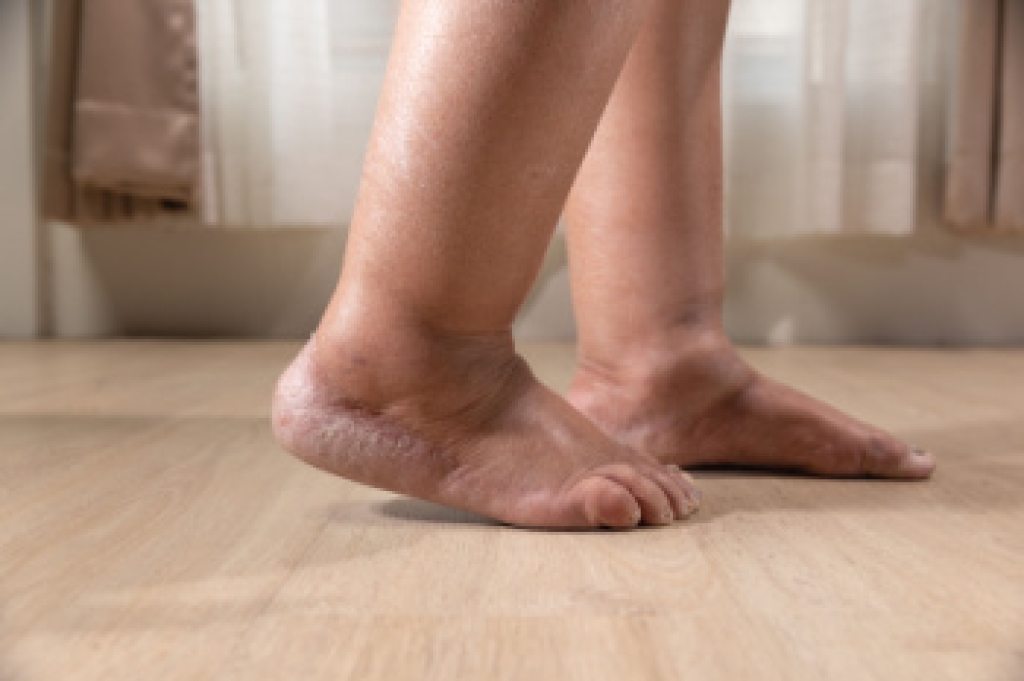
Swollen feet and ankles are a common issue that can result from a variety of causes. Among them are standing or sitting for long periods, injury, poor circulation, heart or kidney conditions, or certain medications. Pregnancy and excess weight can also contribute to swelling. Swelling, or edema, may cause your feet and ankles to look puffy or stretched and feel tight or heavy. You might notice your shoes fitting tighter or experience discomfort and reduced range of motion. A podiatrist can evaluate the cause of the swelling through a physical exam, medical history, and possibly imaging or blood tests. Treatment depends on the underlying issue and may include compression therapy, elevation, lifestyle changes, exercise, or referrals to other specialists. Early intervention can help reduce discomfort and prevent more serious complications. If you are dealing with swollen feet and ankles, it is suggested that you make an appointment with a podiatrist.

Swollen feet can be a sign of an underlying condition. If you have any concerns, contact Anas Khoury, DPM of North Eastern Foot & Ankle Specialists. Our doctor can provide the care you need to keep you pain-free and on your feet.

Swollen feet are a common ailment among pregnant women and people who stand or sit for extended periods. Aging may increase the possibility of swollen feet and patients who are obese often notice when their feet are swelling too. There may be medical reasons why swollen feet occur:

  • Phlebitis - A condition that causes the veins to become inflamed and can also cause leg pain.
  • Liver disease - This may lead to low blood levels of albumin which is a protein. This can cause fluid in the blood to pass into the tissues and several areas of the body can become swollen.
  • Heart failure - When the heart doesn’t pump properly the blood that is normally pumped back to the heart can pool in the veins of the legs causing swollen feet.
  • Kidney disease - One of the main functions of the kidneys is releasing excess fluid in the body. This type of condition can make it difficult for the kidneys to function properly, and as a result the feet may become swollen.
  • Deep-vein thrombosis (DVT)- This is a serious condition where blood clots form in the veins of the legs. They can block the return of blood from the legs to the heart which may cause the feet to swell. It is important to be treated by a podiatrist if this condition is present.

Swollen feet can also be caused by bone and tendon conditions, including fractures, arthritis, and tendinitis. Additionally, there may be skin and toenail conditions and an infection may cause the feet to swell. Patients who take medicine to treat high blood pressure may be prone to getting swollen feet. 

Many patients elevate their feet to help relieve the swelling and this is generally a temporary remedy. When a podiatrist is consulted the reason behind the swelling can be uncovered and subsequently treated.

If you have any questions please contact our office located in Passaic, NJ . We offer the newest diagnostic and treatment technologies for all your foot and ankle needs.


Read more about Swelling of the Feet

Get Professional Care for a Broken Foot or Ankle

Constant care and regular evaluation are important for a foot or ankle fracture. If left untreated, foot or ankle fractures can worsen over time and create more serious problems.

Don't wait to be examined if you believe you've experienced a foot or ankle fracture.

Can Arthritis Affect the Feet?

Arthritis is a condition that can impact many areas of the body, including the feet. Each foot contains dozens of joints that support movement and absorb pressure. Over time, these joints can become worn, inflamed, or damaged, leading to reduced flexibility and discomfort. Pain often appears in the toes, the middle of the foot, or around the ankle, especially during walking or after resting. People may notice swelling, stiffness, or tenderness, and, in some cases, changes in the shape or function of the foot. These symptoms may develop slowly or appear after an injury. There are a variety of ways to manage the condition depending on severity, from targeted exercises and footwear changes to medical treatments or surgery. Taking early steps can help protect joint function and ease daily movement. If you have lasting foot pain or stiffness, it is suggested that you visit a podiatrist for further evaluation.

Arthritis can be a difficult condition to live with. If you are seeking treatment, contact Anas Khoury, DPM from North Eastern Foot & Ankle Specialists. Our doctor can provide the care you need to keep you pain-free and on your feet.

Arthritic Foot Care  

Arthritis is a joint disorder that involves the inflammation of different joints in your body, such as those in your feet. Arthritis is often caused by a degenerative joint disease and causes mild to severe pain in all affected areas. In addition to this, swelling and stiffness in the affected joints can also be a common symptom of arthritis.

In many cases, wearing ill-fitting shoes can worsen the effects and pain of arthritis. Wearing shoes that have a lower heel and extra room can help your feet feel more comfortable. In cases of rheumatoid arthritis, the arch in your foot may become problematic. Buying shoes with proper arch support that contour to your feet can help immensely.

Alleviating Arthritic Pain

  • Exercises that stretch the foot can prevent further pain and injury and increase mobility
  • Most of the pain can be alleviated with anti-inflammatory drugs, heat, and topical medications
  • Massages can help temporarily alleviate pain.

It is best to see your doctor for the treatment that is right for your needs and symptoms. Conditions vary, and a podiatrist can help you determine the right method of care for your feet.

If you have any questions please feel free to contact our office located in Passaic, NJ . We offer the newest diagnostic tools and technology to treat your foot and ankle needs.

Read more about Arthritic Foot Care

Custom Orthotics For Outdoor Activity

Embrace the great outdoors with confidence and comfort! Whether you're hiking, jogging, or exploring nature, Custom Orthotics are your perfect companion. Tailored to your foot's unique needs, they provide stability on uneven terrains and cushioning for those longer adventures. Don't let foot discomfort limit your outdoor experiences. With Custom Orthotics, every step is supported and secure. Call today to schedule an appointment.

Puncture Wounds to the Foot

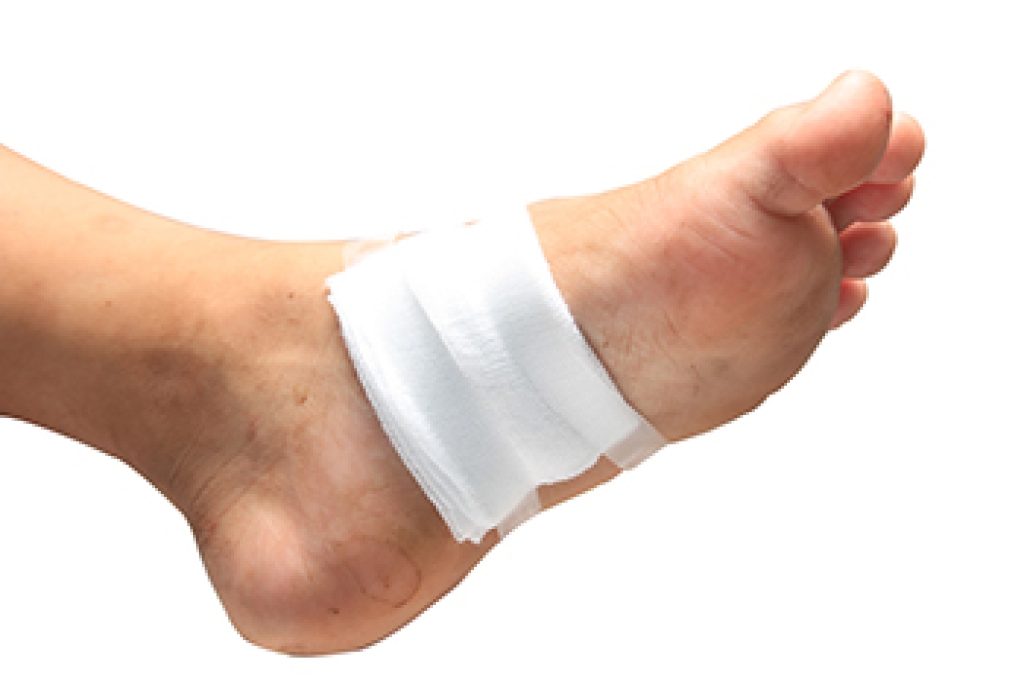
Stepping on a sharp object can lead to a puncture wound, which is different from a simple cut or scrape. These injuries often push debris deep beneath the skin, increasing the risk of infection. Even if the wound seems small, bacteria may have entered through the opening and caused hidden damage to deeper tissues. Common objects that cause these injuries include nails, glass, or splinters, often encountered outdoors or in work areas. Symptoms may not appear right away, but swelling, warmth, or pain may develop hours later. Footwear may prevent some injuries, but thin soles or walking barefoot raise the risk. Proper cleaning and medical evaluation are important to avoid serious complications such as abscesses or bone infections. If you have stepped on something sharp and the discomfort continues or worsens, it is suggested that you see a podiatrist to assess the injury and prevent further problems.

Wound care is an important part in dealing with diabetes. If you have diabetes and a foot wound or would like more information about wound care for diabetics, consult with Anas Khoury, DPM from North Eastern Foot & Ankle Specialists. Our doctor will assess your condition and provide you with quality foot and ankle treatment.

What Is Wound Care?

Wound care is the practice of taking proper care of a wound. This can range from the smallest to the largest of wounds. While everyone can benefit from proper wound care, it is much more important for diabetics. Diabetics often suffer from poor blood circulation which causes wounds to heal much slower than they would in a non-diabetic. 

What Is the Importance of Wound Care?

While it may not seem apparent with small ulcers on the foot, for diabetics, any size ulcer can become infected. Diabetics often also suffer from neuropathy, or nerve loss. This means they might not even feel when they have an ulcer on their foot. If the wound becomes severely infected, amputation may be necessary. Therefore, it is of the upmost importance to properly care for any and all foot wounds.

How to Care for Wounds

The best way to care for foot wounds is to prevent them. For diabetics, this means daily inspections of the feet for any signs of abnormalities or ulcers. It is also recommended to see a podiatrist several times a year for a foot inspection. If you do have an ulcer, run the wound under water to clear dirt from the wound; then apply antibiotic ointment to the wound and cover with a bandage. Bandages should be changed daily and keeping pressure off the wound is smart. It is advised to see a podiatrist, who can keep an eye on it.

If you have any questions please contact our office located in Passaic, NJ . We offer the newest diagnostic and treatment technologies for all your foot and ankle needs.

Read more about Wound Care

Connect With Us