Hablamos Español

Dealing With Plantar Warts

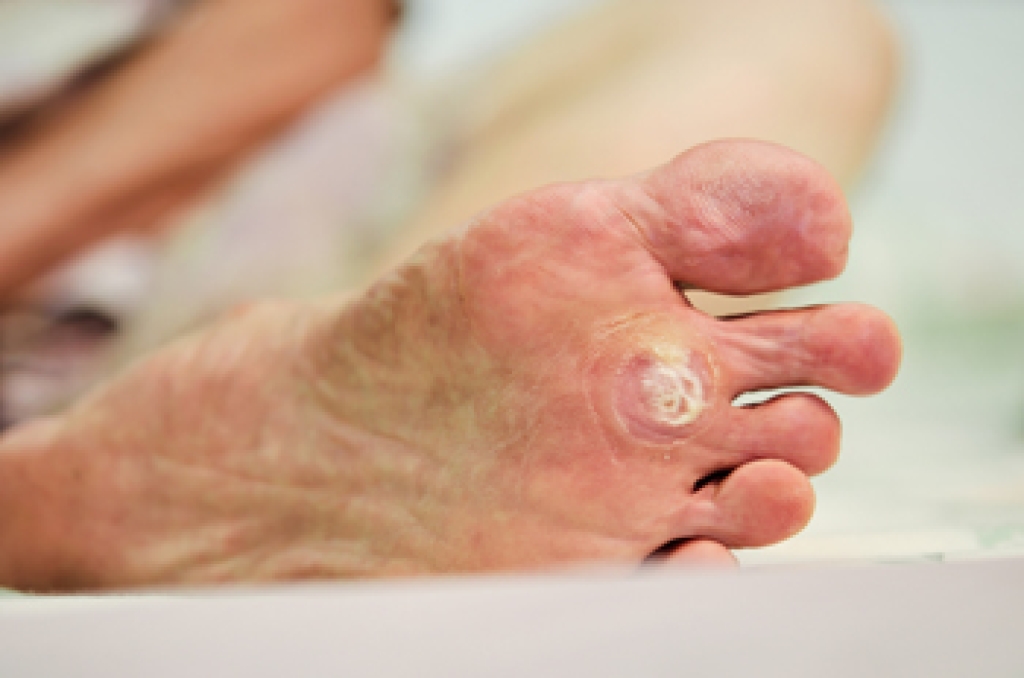
A plantar wart is a growth, usually found on the bottom of the foot, that is caused by the human papilloma virus (HPV). The virus enters the body through small cuts or breaks in the skin. Plantar warts are more common among children, teens, and seniors. Symptoms include a thickening of the skin and pain when walking or standing. They usually show up on the ball and heel of the foot. Small black dots may appear on the skin, which are dried blood from the capillaries. It is not a good idea to try to remove a plantar wart yourself. Instead, it is suggested that you visit a podiatrist, especially if the area changes color or bleeds, or if you have a compromised immune system. Among the remedies are topical creams, oral medication, laser treatments, cryotherapy (freezing the wart), acid treatments, or surgery. The podiatrist will also prescribe home foot care procedures as well as instructions for any medication prescribed. Please make an appointment with a podiatrist for safe and appropriate treatment options. 

Plantar warts can be very uncomfortable. If you need your feet checked, contact Anas Khoury, DPM from North Eastern Foot & Ankle Specialists. Our doctor will assist you with all of your foot and ankle needs.

About Plantar Warts

Plantar warts are the result of HPV, or human papillomavirus, getting into open wounds on the feet. They are mostly found on the heels or balls of the feet.

While plantar warts are generally harmless, those experiencing excessive pain or those suffering from diabetes or a compromised immune system require immediate medical care. Plantar warts are easily diagnosed, usually through scraping off a bit of rough skin or by getting a biopsy.

Symptoms

  • Lesions on the bottom of your feet, usually rough and grainy
  • Hard or thick callused spots
  • Wart seeds, which are small clotted blood vessels that look like little black spots
  • Pain, discomfort, or tenderness of your feet when walking or standing

Treatment

  • Freezing
  • Electric tool removal
  • Laser Treatment
  • Topical Creams (prescription only)
  • Over-the-counter medications

To help prevent developing plantar warts, avoid walking barefoot over abrasive surfaces that can cause cuts or wounds for HPV to get into. Avoiding direct contact with other warts, as well as not picking or rubbing existing warts, can help prevent the further spread of plantar warts. However, if you think you have developed plantar warts, speak to your podiatrist. He or she can diagnose the warts on your feet and recommend the appropriate treatment options.

If you have any questions, please feel free to contact our office located in Passaic, NJ . We offer the newest diagnostic and treatment technologies for all your foot care needs.

Read more about All About Plantar Warts

Flat Feet or Fallen Arches

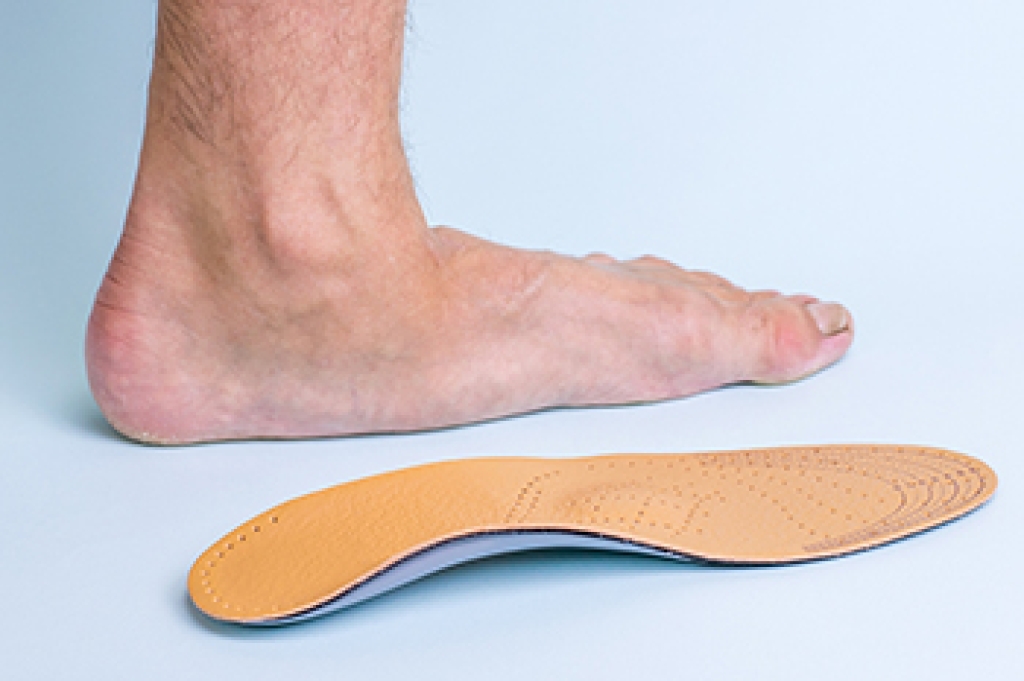
Pes Planus is the technical term for flat feet or fallen arches. This condition is evident when the foot appears entirely flattened to the floor with little or no arch. There are usually no direct symptoms of flat feet. However, there are associated symptoms, such as shin, calf, knee, or back pain. Babies are born with flat feet, partially because of an increase of fat in this area and also because the arch is not yet fully developed. This is less common in teens and older people, and it may cause problems. When one develops flat feet later in life, it is typically a result of an injury or prolonged stress on the foot. However, flat feet can be caused by genetic disorders, obesity, rapid leg growth, or over-exercising. If a flat foot is not causing any pain, no immediate treatment is necessary. However, those who are on their feet frequently should wear supportive shoes with arch support insoles. If pain is present with flat feet, orthotic shoe inserts are usually helpful. When a flat foot is severely rigid, surgery may be helpful, but as a last resort. If you have flat feet and they are causing you discomfort, see a podiatrist who can properly diagnose the condition and provide appropriate treatment.

Flatfoot is a condition many people suffer from. If you have flat feet, contact Anas Khoury, DPM from North Eastern Foot & Ankle Specialists. Our doctor will treat your foot and ankle needs.

What Are Flat Feet?

Flatfoot is a condition in which the arch of the foot is depressed and the sole of the foot is almost completely in contact with the ground. About 20-30% of the population generally has flat feet because their arches never formed during growth.

Conditions & Problems:

Having flat feet makes it difficult to run or walk because of the stress placed on the ankles.

Alignment – The general alignment of your legs can be disrupted, because the ankles move inward which can cause major discomfort.

Knees – If you have complications with your knees, flat feet can be a contributor to arthritis in that area.  

Symptoms

  • Pain around the heel or arch area
  • Trouble standing on the tip toe
  • Swelling around the inside of the ankle
  • Flat look to one or both feet
  • Having your shoes feel uneven when worn

Treatment

If you are experiencing pain and stress on the foot you may weaken the posterior tibial tendon, which runs around the inside of the ankle. 

If you have any questions, please feel free to contact our office located in Passaic, NJ . We offer the newest diagnostic and treatment technologies for all your foot care needs.

Read more about Flat Feet

Common Causes of Ankle and Leg Pain

The ankles and legs put in a full day’s work for most people. As a result, when they cause pain, many of your normal activities can be disrupted. A large majority of pain to the legs and ankles is caused by injury to bones, muscles, joints, and ligaments. Blood clots, nerve or circulatory problems, and back injuries also may be factors. Conditions that commonly cause ankle pain include tendonitis, reduced blood flow, sprains, muscle strains, and stress fractures. Tendonitis, felt in the back of the ankle or leg, is usually the result of overuse, which causes inflammation. Sitting at a desk all day, or any type of sedentary lifestyle may result in a lack of blood flow to the lower limbs. This can cause blood clots and leg ulcers, the latter common among diabetics. A tear or rupture of the ligaments in and around the ankle is called a sprain, and if not properly cared for, it may end up as a chronic condition. Muscle strains are another repetitive injury that can produce pain and cramping. Stress fractures are tiny cracks in the bones, common to athletes who run and jump a lot. If ankle and lower leg pain are causing distress, please consult a podiatrist.

Ankle pain can have many different causes and the pain may potentially be serious. If you have ankle pain, consult with Anas Khoury, DPM from North Eastern Foot & Ankle Specialists. Our doctor will assess your condition and provide you with quality foot and ankle treatment.

Ankle pain is any condition that causes pain in the ankle. Due to the fact that the ankle consists of tendons, muscles, bones, and ligaments, ankle pain can come from a number of different conditions.

Causes

The most common causes of ankle pain include:

  • Types of arthritis (rheumatoid, osteoarthritis, and gout)
  • Ankle sprains
  • Broken ankles
  • Achilles tendinitis
  • Achilles tendon rupture
  • Stress fractures
  • Tarsal tunnel syndrome
  • Plantar fasciitis

Symptoms

Symptoms of ankle injury vary based upon the condition. Pain may include general pain and discomfort, swelling, aching, redness, bruising, burning or stabbing sensations, and/or loss of sensation.

Diagnosis

Due to the wide variety of potential causes of ankle pain, podiatrists will utilize a number of different methods to properly diagnose ankle pain. This can include asking for personal and family medical histories and of any recent injuries. Further diagnosis may include sensation tests, a physical examination, and potentially x-rays or other imaging tests.

Treatment

Just as the range of causes varies widely, so do treatments. Some more common treatments are rest, ice packs, keeping pressure off the foot, orthotics and braces, medication for inflammation and pain, and surgery.

If you have any questions please feel free to contact our office located in Passaic, NJ . We offer the newest diagnostic tools and technology to treat your foot and ankle needs.

Read more about Ankle Pain

Heel Pain in the Morning?

Heel pain can negatively affect your day-to-day life. Simple activities like walking can become incredibly uncomfortable or painful due to heel pain.

Don’t live with heel pain and get treated.

What Is Cuboid Syndrome?

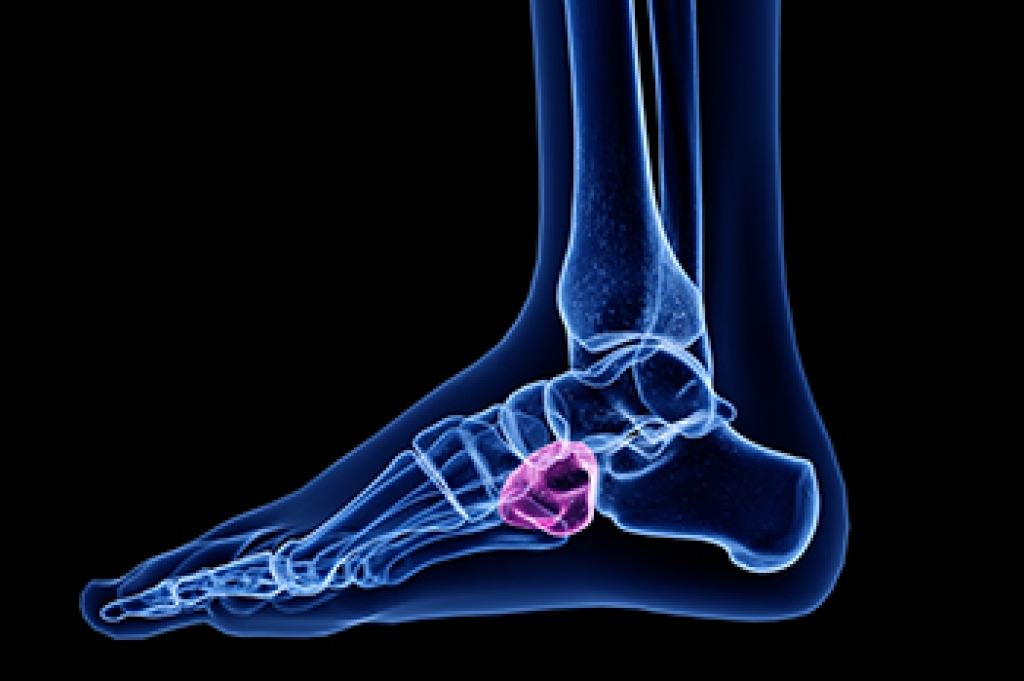
Cuboid syndrome is a condition that involves a disruption of the normal alignment of the cuboid bone with the heel bone, and it causes pain on the outside of the foot. The pain might feel like it originates from the outside of the ankle, and the person afflicted with it may limp or sway when walking to avoid placing weight on the affected area. Mild swelling or bruising might be seen on the outside and bottom of the mid-foot. This problem develop from a single event, such as an ankle sprain, or through repetitive impact to the area, like runners or dancers (particularly ballet dancers) might experience. A small “popping” might be felt on the outside of the mid-foot as well. Treatment of cuboid syndrome usually involves making sure shoes are well-fitting and comfortable, using soft orthotics, and doing stretching exercises to help mobilize the joint. In some instances, realignment of the cuboid bone is needed. If you feel pain in your mid-foot area and it is worsening, you might have a more severe case of cuboid syndrome. You can see a podiatrist who can properly diagnose the problem and provide appropriate treatment.

Cuboid syndrome, also known as cuboid subluxation, occurs when the joints and ligaments near the cuboid bone in the foot become torn. If you have cuboid syndrome, consult with Anas Khoury, DPM from North Eastern Foot & Ankle Specialists. Our doctor will assess your condition and provide you with quality foot and ankle treatment.

Cuboid syndrome is a common cause of lateral foot pain, which is pain on the outside of the foot. The condition may happen suddenly due to an ankle sprain, or it may develop slowly overtime from repetitive tension through the bone and surrounding structures.

Causes

The most common causes of cuboid syndrome include:

  • Injury – The most common cause of this ailment is an ankle sprain.
  • Repetitive Strain – Tension placed through the peroneus longus muscle from repetitive activities such as jumping and running may cause excessive traction on the bone causing it to sublux.
  • Altered Foot Biomechanics – Most people suffering from cuboid subluxation have flat feet.

Symptoms

A common symptom of cuboid syndrome is pain along the outside of the foot which can be felt in the ankle and toes. This pain may create walking difficulties and may cause those with the condition to walk with a limp.

Diagnosis

Diagnosis of cuboid syndrome is often difficult, and it is often misdiagnosed. X-rays, MRIs and CT scans often fail to properly show the cuboid subluxation. Although there isn’t a specific test used to diagnose cuboid syndrome, your podiatrist will usually check if pain is felt while pressing firmly on the cuboid bone of your foot.

Treatment

Just as the range of causes varies widely, so do treatments. Some more common treatments are ice therapy, rest, exercise, taping, and orthotics.

If you have any questions, please feel free to contact our office located in Passaic, NJ . We offer the newest diagnostic and treatment technologies for all your foot care needs.
Read more about Cuboid Syndrome

Connect With Us