Hablamos Español

Stages of Diabetic Foot Ulcers

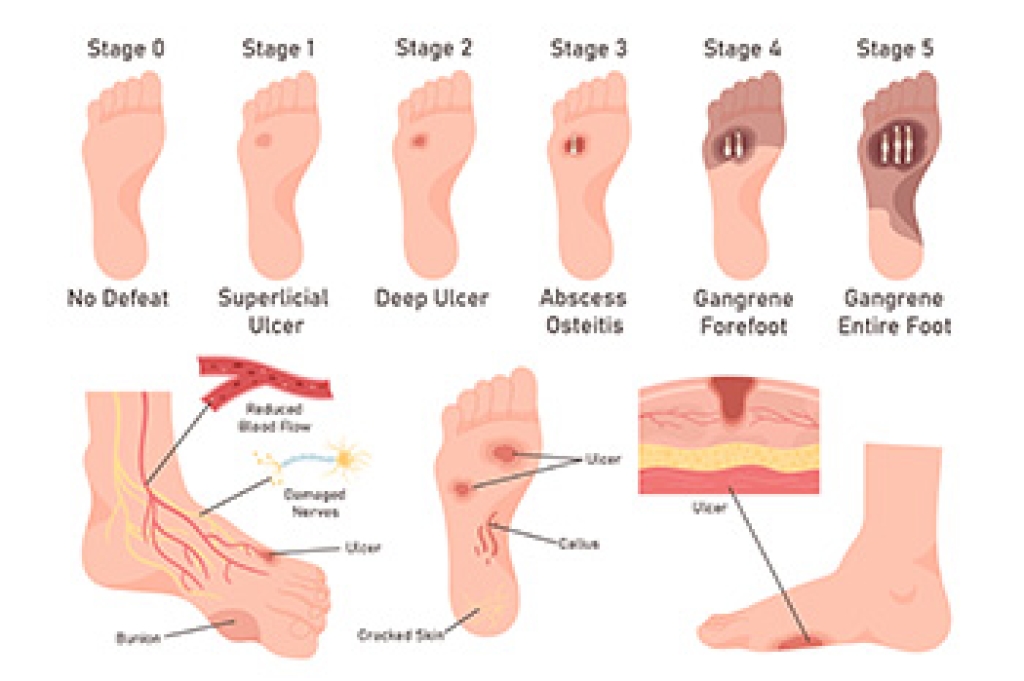
Diabetic foot ulcers progress through distinct stages, each requiring careful attention to prevent complications. Superficial ulceration begins with damage to the top layer of skin, often presenting as a small sore or redness. Deep ulceration extends into the tissues beneath the skin, increasing the risk of infection and discomfort. Osteomyelitis or deep abscess occurs when the infection reaches the bone, creating severe pain and swelling. In advanced cases, gangrene of the forefoot may develop, posing serious threats to mobility and overall health. A podiatrist can evaluate the severity of the ulcer, provide wound care, recommend protective footwear, and guide treatments to promote healing and prevent progression. If you have diabetes and notice any signs of a foot ulcer, it is suggested that you are under the care of a podiatrist who can help you to manage this serious condition.

Wound care is an important part in dealing with diabetes. If you have diabetes and a foot wound or would like more information about wound care for diabetics, consult with Anas Khoury, DPM from North Eastern Foot & Ankle Specialists. Our doctor will assess your condition and provide you with quality foot and ankle treatment.

What Is Wound Care?

Wound care is the practice of taking proper care of a wound. This can range from the smallest to the largest of wounds. While everyone can benefit from proper wound care, it is much more important for diabetics. Diabetics often suffer from poor blood circulation which causes wounds to heal much slower than they would in a non-diabetic. 

What Is the Importance of Wound Care?

While it may not seem apparent with small ulcers on the foot, for diabetics, any size ulcer can become infected. Diabetics often also suffer from neuropathy, or nerve loss. This means they might not even feel when they have an ulcer on their foot. If the wound becomes severely infected, amputation may be necessary. Therefore, it is of the upmost importance to properly care for any and all foot wounds.

How to Care for Wounds

The best way to care for foot wounds is to prevent them. For diabetics, this means daily inspections of the feet for any signs of abnormalities or ulcers. It is also recommended to see a podiatrist several times a year for a foot inspection. If you do have an ulcer, run the wound under water to clear dirt from the wound; then apply antibiotic ointment to the wound and cover with a bandage. Bandages should be changed daily and keeping pressure off the wound is smart. It is advised to see a podiatrist, who can keep an eye on it.

If you have any questions please contact our office located in Passaic, NJ . We offer the newest diagnostic and treatment technologies for all your foot and ankle needs.

Read more about Wound Care

What Causes Cracked Heels?

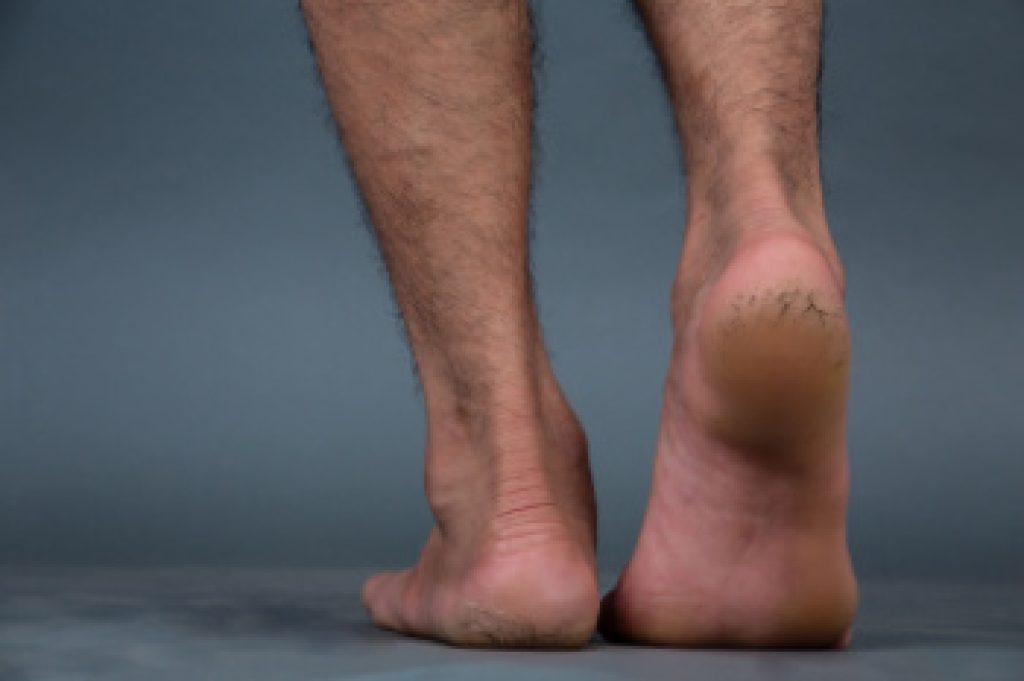
Cracked heels occur when the skin on the back of the heel becomes dry, thick, and unable to stretch properly, leading to splits that can be shallow or deep enough to cause bleeding and pain. This condition often develops from exposure to cold weather, vitamin deficiencies, or underlying health issues such as diabetes. When the skin loses moisture and flexibility, pressure from standing or walking can worsen the cracks. A podiatrist can evaluate the severity of the condition, remove thickened skin safely, recommend moisturizing routines, and address any medical causes. If cracked heels are causing discomfort or are slow to heal, it is suggested that you consult a podiatrist who can provide effective relief techniques and prevention tips.

Cracked heels are unsightly and can cause further damage to your shoes and feet. If you have any concerns, contact Anas Khoury, DPM from North Eastern Foot & Ankle Specialists. Our doctor can provide the care you need to keep you pain-free and on your feet.

Cracked Heels

Cracked heels appear unappealing and can make it harder for you walk around in sandals. Aside from looking unpleasant, cracked heels can also tear stockings, socks, and wear out your shoes. There are several methods to help restore a cracked heel and prevent further damage.

How Do You Get Them?

Dry skin is the number one culprit in creating cracked heels. Many athletes, walkers, joggers, and even swimmers suffer from cracked heels. Age and skin oil production play a role to getting cracked heels as well.

Promote Healing

Over the counter medicines can help, especially for those that need instant relief or who suffer from chronic dry feet.

Wear Socks – Wearing socks with medicated creams helps lock in moisture.

Moisturizers – Applying both day and night will help alleviate dryness which causes cracking.

Pumice Stones – These exfoliate and remove dead skin, which allows for smoother moisturizer application and better absorption into the skin. 

Change in Diet

Eating healthy with a well-balanced diet will give the skin a fresh and radiant look. Your body responds to the kinds of food you ingest. Omega-3 fatty acids and zinc supplements can also revitalize skin tissue.

Most importantly, seek professional help if unsure how to proceed in treating cracked heels. A podiatrist will help you with any questions or information needed. 

If you have any questions, please feel free to contact our office located in Passaic, NJ . We offer the newest diagnostic and treatment technologies for all your foot care needs.

Read more about Solutions for Cracked Heels

We Can Treat Your Foot or Ankle Pain

Foot or ankle pain can negatively affect your day-to-day life and can occur due to several different conditions. Pain can also be an indicator of a more serious underlying condition, which is why you should seek professional help as soon as you notice any abnormalities in your feet.

Bypass Bunion Surgery with Custom Orthotics

Considering bunion surgery? Think again. Custom Orthotics offer a non-surgical approach to reduce pain and restore foot function. Customized to your foot's structure, they realign and redistribute pressure, alleviating bunion discomfort. Experience the freedom of movement without the downtime and risks of surgery. Contact our office to make an appointment.

Painful Plantar Fasciitis and Finding Relief

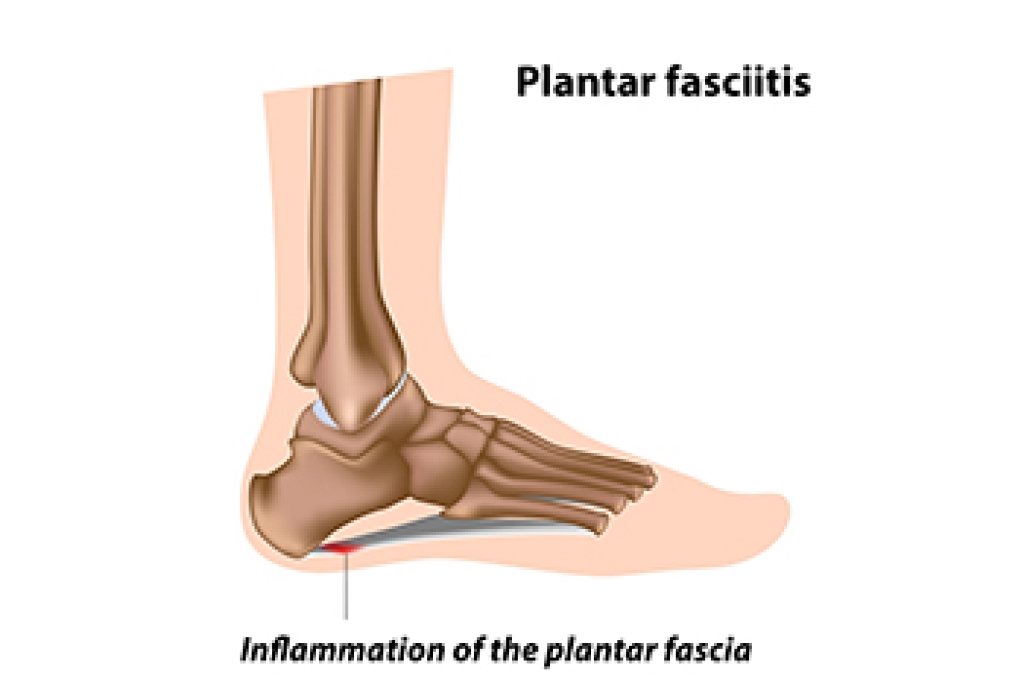
Plantar fasciitis is a common condition that occurs when the thick band of tissue on the bottom of the foot becomes irritated and inflamed. It often develops from repetitive stress, wearing improper footwear, prolonged standing, high arches, or flat feet. Symptoms usually include sharp heel pain when taking the first steps in the morning, discomfort after activity, and tenderness along the arch. A podiatrist can diagnose the condition, provide a custom treatment plan, offer orthotics, and guide stretching and strengthening exercises to relieve pressure on the plantar fascia. If heel pain is affecting your daily life, it is suggested that you consult a podiatrist who can accurately diagnose and treat what may be going on.

Plantar fasciitis is a common foot condition that is often caused by a strain injury. If you are experiencing heel pain or symptoms of plantar fasciitis, contact Anas Khoury, DPM from North Eastern Foot & Ankle Specialists. Our doctor can provide the care you need to keep you pain-free and on your feet.

What Is Plantar Fasciitis?

Plantar fasciitis is one of the most common causes of heel pain. The plantar fascia is a ligament that connects your heel to the front of your foot. When this ligament becomes inflamed, plantar fasciitis is the result. If you have plantar fasciitis you will have a stabbing pain that usually occurs with your first steps in the morning. As the day progresses and you walk around more, this pain will start to disappear, but it will return after long periods of standing or sitting.

What Causes Plantar Fasciitis?

  • Excessive running
  • Having high arches in your feet
  • Other foot issues such as flat feet
  • Pregnancy (due to the sudden weight gain)
  • Being on your feet very often

There are some risk factors that may make you more likely to develop plantar fasciitis compared to others. The condition most commonly affects adults between the ages of 40 and 60. It also tends to affect people who are obese because the extra pounds result in extra stress being placed on the plantar fascia.

Prevention

  • Take good care of your feet – Wear shoes that have good arch support and heel cushioning.
  • Maintain a healthy weight
  • If you are a runner, alternate running with other sports that won’t cause heel pain

There are a variety of treatment options available for plantar fasciitis along with the pain that accompanies it. Additionally, physical therapy is a very important component in the treatment process. It is important that you meet with your podiatrist to determine which treatment option is best for you.

If you have any questions, please feel free to contact our office located in Passaic, NJ . We offer the newest diagnostic and treatment technologies for all your foot care needs.


Read more about Plantar Fasciitis

Connect With Us