Hablamos Español

Causes and Effects of Morton’s Neuroma

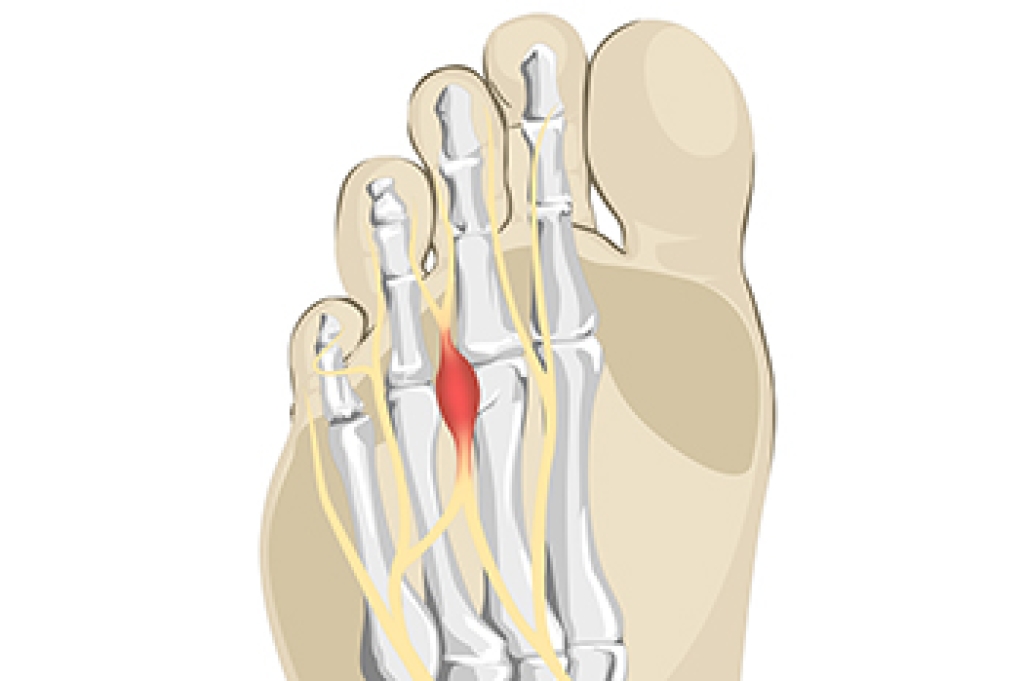
Morton's neuroma is a painful condition that affects the nerves in the foot, specifically between the third and fourth toes. The causes of this condition can be attributed to various factors, such as wearing tight, narrow shoes that compress the toes as well as high heels which increase pressure on the forefoot. Additionally, Morton's neuroma may occur from performing repetitive activities that strain the nerves. Mild relief may be found when the shoes that are worn have a wide-toe box and low heels. Wearing specific types of orthotics may be beneficial in alleviating pain and redistributing pressure. Resting the affected foot as often as possible is important to promote healing. If symptoms persist, it is suggested that you contact a podiatrist for a proper diagnosis and a personalized treatment plan to effectively manage Morton's neuroma.

Morton’s neuroma is a very uncomfortable condition to live with. If you think you have Morton’s neuroma, contact Anas Khoury, DPM of North Eastern Foot & Ankle Specialists. Our doctor will attend to all of your foot care needs and answer any of your related questions.  

Morton’s Neuroma

Morton's neuroma is a painful foot condition that commonly affects the areas between the second and third or third and fourth toe, although other areas of the foot are also susceptible. Morton’s neuroma is caused by an inflamed nerve in the foot that is being squeezed and aggravated by surrounding bones.

What Increases the Chances of Having Morton’s Neuroma?

  • Ill-fitting high heels or shoes that add pressure to the toe or foot
  • Jogging, running or any sport that involves constant impact to the foot
  • Flat feet, bunions, and any other foot deformities

Morton’s neuroma is a very treatable condition. Orthotics and shoe inserts can often be used to alleviate the pain on the forefront of the feet. In more severe cases, corticosteroids can also be prescribed. In order to figure out the best treatment for your neuroma, it’s recommended to seek the care of a podiatrist who can diagnose your condition and provide different treatment options.

If you have any questions, please feel free to contact our office located in Passaic, NJ . We offer the newest diagnostic and treatment technologies for all your foot care needs.
Read more about Morton's Neuroma

Swollen Feet Are a Normal Part of Pregnancy

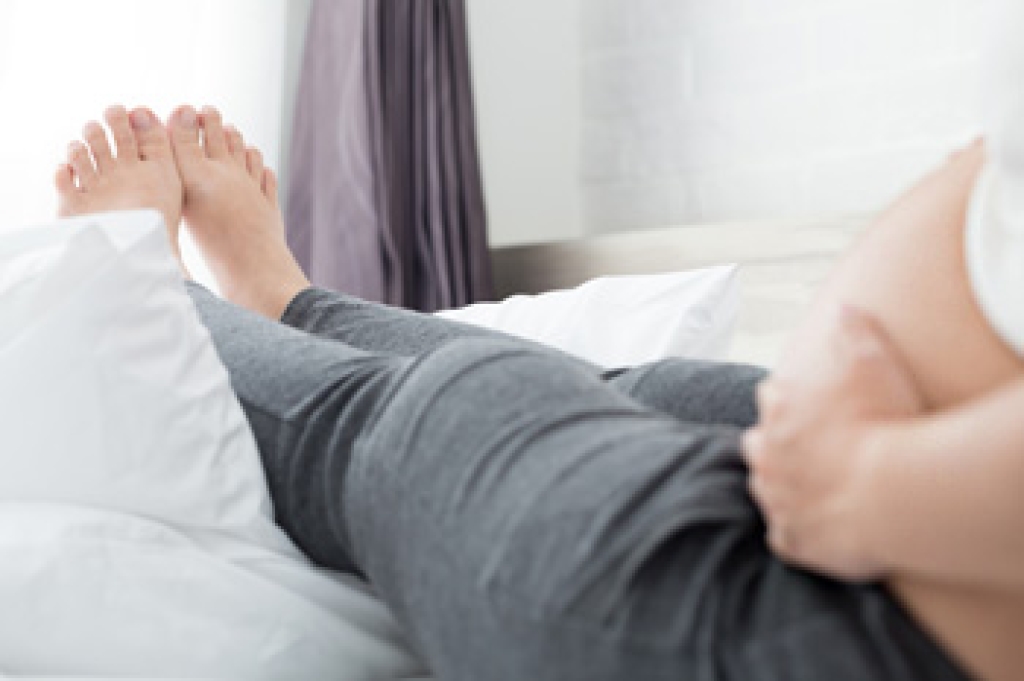
One of the most common ailments women can have during their pregnancy is swollen feet. The medical term for swollen feet is edema, which can happen for many reasons. Gravity plays a role in this condition, in addition to the extra fluids the body produces to house the growing baby. Pregnancy causes pressure from the uterus on the pelvic veins and affects the large vein on the right side of the body. This vein returns the blood from the lower limbs to the heart, which may cause swollen feet. It may worsen if temperatures are warm outside or if a large amount of sodium is included in the diet. Additionally, there is a pregnancy hormone called relaxin that loosens the ligaments, which allows the bones to spread out for eventual delivery. The feet are no exception to widening, and many women must purchase larger shoes. If you have questions about why your feet become swollen during pregnancy, it is suggested that you consult with a podiatrist.

Pregnant women with swollen feet can be treated with a variety of different methods that are readily available. For more information about other cures for swollen feet during pregnancy, consult with Anas Khoury, DPM from North Eastern Foot & Ankle Specialists. Our doctor will attend to all of your foot and ankle needs.

What Foot Problems Can Arise During Pregnancy?

One problem that can occur is overpronation, which occurs when the arch of the foot flattens and tends to roll inward.  This can cause pain and discomfort in your heels while you’re walking or even just standing up, trying to support your baby.  

Another problem is edema, or swelling in the extremities. This often affects the feet during pregnancy but tends to occur in the later stages. 

How Can I Keep My Feet Healthy During Pregnancy?

  • Wearing orthotics can provide extra support for the feet and help distribute weight evenly
  • Minimize the amount of time spent walking barefoot
  • Wear shoes with good arch support
  • Wear shoes that allow for good circulation to the feet
  • Elevate feet if you experience swelling
  • Massage your feet
  • Get regular, light exercise, such as walking, to promote blood circulation to the feet

If you have any questions, please feel free to contact our office located in Passaic, NJ . We offer the newest diagnostic and treatment technologies for all your foot care needs.
Read more about Pregnancy and Foot Health

It's Time for Beautiful Feet

You don't need an excuse to have beautiful nails. Step outside without worrying about the appearance of your feet.

Walking Shoes Are Constructed With More Cushioning Than Running Shoes

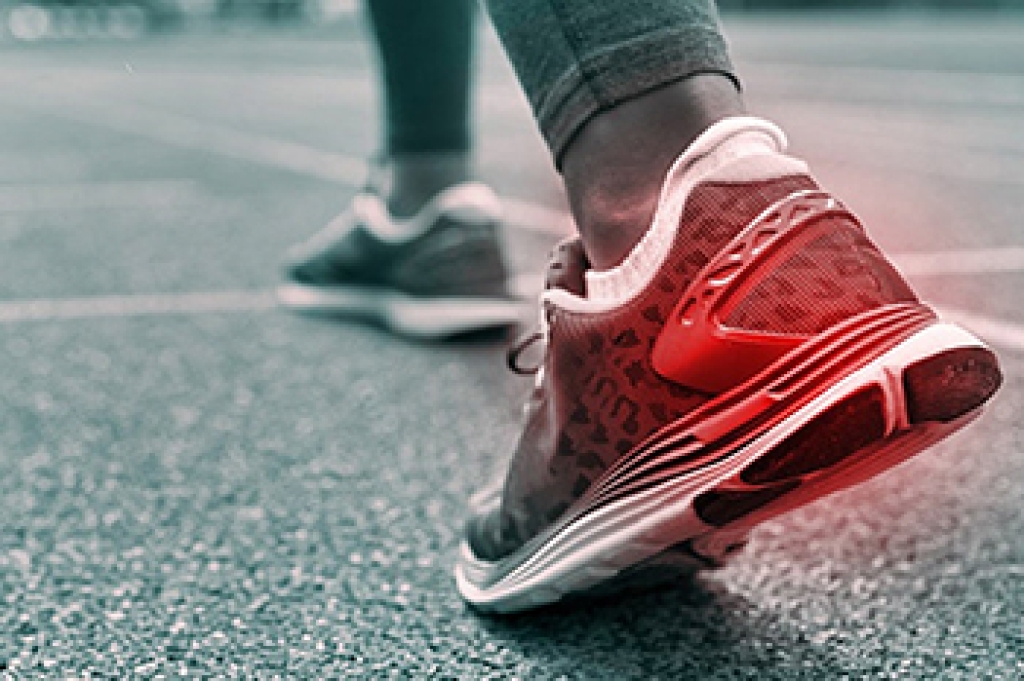
Walking and running are two different sports that affect your feet differently. The shoes for each sport have different qualities because of how the foot strikes the ground. While walking, one foot is always on the ground and will follow a rocking motion from heel to toe. Conversely, both feet can be completely off the ground while running. When an individual runs, the impact while coming down on the foot is felt in the middle or front of the foot. Walking may put less stress on the feet, however, the feet will hold the weight for a longer period. With this being said, walking shoes may be more flexible and can have additional cushioning than running shoes, and for this reason, it is beneficial to refrain from wearing running shoes while walking. If you would like to know about additional differences between these two types of shoes, it is suggested that you confer with a podiatrist.

For more information about walking shoes versus running shoes, consult with Anas Khoury, DPM from North Eastern Foot & Ankle Specialists. Our doctor can measure your feet to determine what your needs are and help you find an appropriate pair of footwear.

Foot Health: The Differences between Walking & Running Shoes

There are great ways to stay in shape: running and walking are two great exercises to a healthy lifestyle. It is important to know that running shoes and walking shoes are not interchangeable. There is a key difference on how the feet hit the ground when someone is running or walking. This is why one should be aware that a shoe is designed differently for each activity.

You may be asking yourself what the real differences are between walking and running shoes and the answers may shock you.

Differences

Walking doesn’t involve as much stress or impact on the feet as running does. However, this doesn’t mean that you should be any less prepared. When you’re walking, you land on your heels and have your foot roll forward. This rolling motion requires additional support to the feet.

Flexibility – Walking shoes are designed to have soft, flexible soles. This allows the walker to push off easily with each step.

If you have any questions, please feel free to contact our office located in Passaic, NJ . We offer the newest diagnostic and treatment technologies for all your foot care needs.
Read more about Walking Shoes vs. Running Shoes

Children and Foot Facts

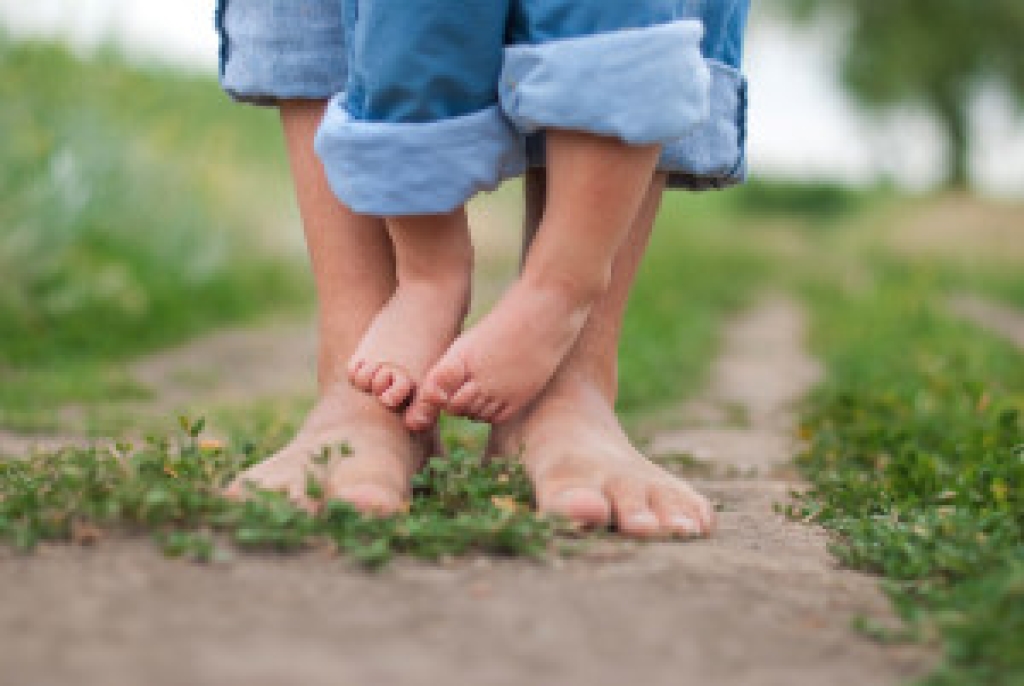
Many parents find it enjoyable to explain to their children various facts about their feet. It can begin with telling them that each foot has 26 bones, and it can take up to 13 years for children’s feet to become adult feet. Additionally, everyone has toeprints, just like fingerprints, and they are different for everybody. Another interesting fact is that there are over 200 bones in the body and a quarter of them are found in the feet. Older children may find it fascinating that their nerves travel from the feet to the brain at double the speed of a high-speed train. Some parents find their children can understand easier when they are compared to an animal. An example of this can be explaining that even monkeys have toenails that protect the ends of their toes. A podiatrist can provide you with more facts about the feet, so it is suggested that you speak with this type of doctor if you would like more information. 

The health of a child’s feet is vital to their overall well-being. If you have any questions regarding foot health, contact Anas Khoury, DPM of North Eastern Foot & Ankle Specialists. Our doctor can provide the care you need to keep you pain-free and on your feet.

Tips for Keeping Children's Feet Healthy

  • Make sure their shoes fit properly
  • Look for any signs of in-toeing or out-toeing
  • Check to see if they have Clubfoot (condition that affects your child’s foot and ankle, twisting the heel and toes inward) which is one of the most common nonmajor birth defects.
  • Lightly cover your baby’s feet (Tight covers may keep your baby from moving their feet freely, and could prevent normal development)
  • Allow your toddler to go shoeless (Shoes can be restricting for a young child’s foot)
  • Cut toenails straight across to avoid ingrown toenails
  • Keep your child’s foot clean and dry
  • Cover cuts and scrapes. Wash any scratches with soap and water and cover them with a bandage until they’ve healed.

If you have any questions, please feel free to contact our office located in Passaic, NJ . We offer the newest diagnostic and treatment technologies for all your foot care needs.

Read more about How to Care for Your Child's Feet

Connect With Us