
Hablamos Español

Stretching and Exercising as Part of Plantar Fasciitis Treatment

Plantar fasciitis is inflammation of the plantar fascia, a thick band of tissue connecting the heel to the toes, causing stabbing pain in the heel, especially upon waking or after long periods of inactivity. Common in runners, people with high arches or flat feet, and those who stand for extended hours, it affects a broad range of active adults and older individuals. Stretching and exercises are essential in podiatric treatment, helping to reduce pain, improve flexibility, and support recovery. Recommended stretches include calf and foot stretches, such as pulling the toes back to elongate the plantar fascia. Strengthening exercises focus on the muscles of the foot and lower leg, like toe curls or using a towel to pull the toes gently toward the body. Consistent stretching, particularly before and after activity, can improve symptoms and prevent recurrence. If you have plantar fasciitis, it is strongly suggested that you consult with a podiatrist for treatment, which will likely involve stretches and exercises.

Plantar fasciitis is a common foot condition that is often caused by a strain injury. If you are experiencing heel pain or symptoms of plantar fasciitis, contact Anas Khoury, DPM from North Eastern Foot & Ankle Specialists. Our doctor can provide the care you need to keep you pain-free and on your feet.

What Is Plantar Fasciitis?

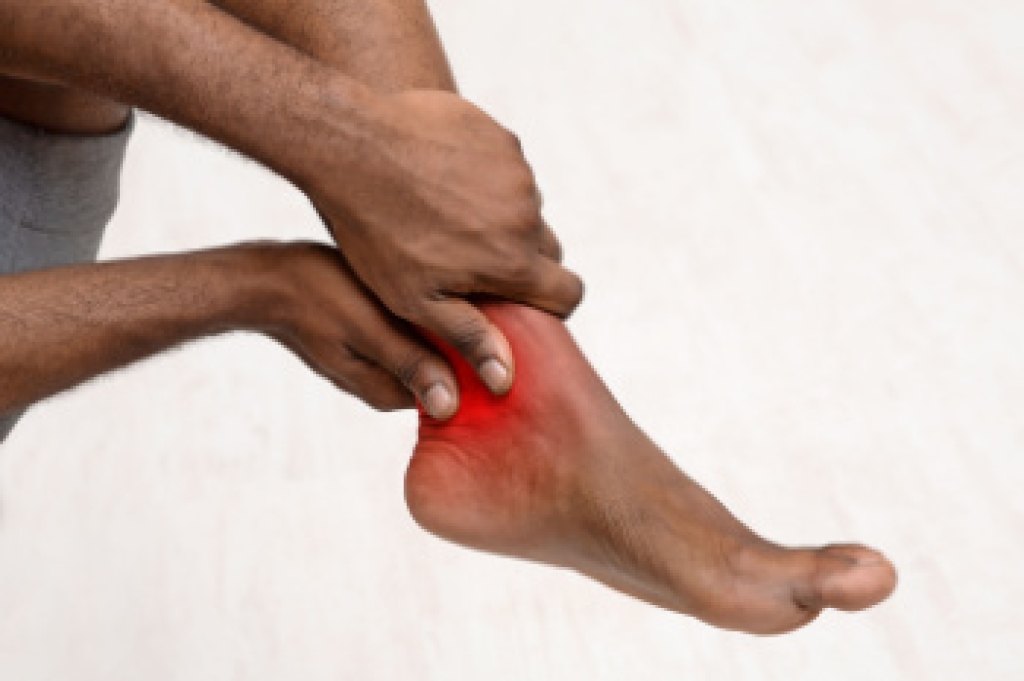
Plantar fasciitis is one of the most common causes of heel pain. The plantar fascia is a ligament that connects your heel to the front of your foot. When this ligament becomes inflamed, plantar fasciitis is the result. If you have plantar fasciitis you will have a stabbing pain that usually occurs with your first steps in the morning. As the day progresses and you walk around more, this pain will start to disappear, but it will return after long periods of standing or sitting.

What Causes Plantar Fasciitis?

  • Excessive running
  • Having high arches in your feet
  • Other foot issues such as flat feet
  • Pregnancy (due to the sudden weight gain)
  • Being on your feet very often

There are some risk factors that may make you more likely to develop plantar fasciitis compared to others. The condition most commonly affects adults between the ages of 40 and 60. It also tends to affect people who are obese because the extra pounds result in extra stress being placed on the plantar fascia.

Prevention

  • Take good care of your feet – Wear shoes that have good arch support and heel cushioning.
  • Maintain a healthy weight
  • If you are a runner, alternate running with other sports that won’t cause heel pain

There are a variety of treatment options available for plantar fasciitis along with the pain that accompanies it. Additionally, physical therapy is a very important component in the treatment process. It is important that you meet with your podiatrist to determine which treatment option is best for you.

If you have any questions, please feel free to contact our office located in Passaic, NJ . We offer the newest diagnostic and treatment technologies for all your foot care needs.

 

Read more about Plantar Fasciitis

What Is Morton’s Neuroma?

Morton’s neuroma is a painful condition affecting the foot, specifically involving a thickening of the tissue surrounding a nerve, often between the third and fourth toes. This condition can be caused by various factors, including wearing tight shoes, high heels, high foot arches, or engaging in repetitive activities that put pressure on the feet. Symptoms include sharp, burning pain in the ball of the foot, a sensation of having a pebble in the shoe, and tingling or numbness in the toes. These symptoms can worsen with activity and improve with rest. Initial treatment options include wearing wider shoes or using orthotic inserts. However, if symptoms persist or worsen, medical intervention may be necessary. A podiatrist might recommend corticosteroid injections, targeted exercises, or, in severe cases, surgical options to relieve the pressure on the nerve. If you are experiencing symptoms of Morton’s neuroma, it is suggested that you schedule an appointment with a podiatrist for a comprehensive evaluation and effective treatment options.

Morton’s neuroma is a very uncomfortable condition to live with. If you think you have Morton’s neuroma, contact Anas Khoury, DPM of North Eastern Foot & Ankle Specialists. Our doctor will attend to all of your foot care needs and answer any of your related questions.  

Morton’s Neuroma

Morton's neuroma is a painful foot condition that commonly affects the areas between the second and third or third and fourth toe, although other areas of the foot are also susceptible. Morton’s neuroma is caused by an inflamed nerve in the foot that is being squeezed and aggravated by surrounding bones.

What Increases the Chances of Having Morton’s Neuroma?

  • Ill-fitting high heels or shoes that add pressure to the toe or foot
  • Jogging, running or any sport that involves constant impact to the foot
  • Flat feet, bunions, and any other foot deformities

Morton’s neuroma is a very treatable condition. Orthotics and shoe inserts can often be used to alleviate the pain on the forefront of the feet. In more severe cases, corticosteroids can also be prescribed. In order to figure out the best treatment for your neuroma, it’s recommended to seek the care of a podiatrist who can diagnose your condition and provide different treatment options.

If you have any questions, please feel free to contact our office located in Passaic, NJ . We offer the newest diagnostic and treatment technologies for all your foot care needs.
Read more about Morton's Neuroma

Osteoarthritis of the Ankle

Osteoarthritis of the ankle is less common than in the knees or hips, but it can significantly affect quality of life. It often develops after injury, such as a fracture or sprain, leading to wear and tear of the cartilage. The average age of onset is typically in the 50s, but earlier cases may occur after trauma. Symptoms include pain, stiffness, and swelling, making it difficult to walk or stand for long periods of time. Initial treatments focus on relieving symptoms with conservative measures like targeted stretching exercises and supportive footwear. If pain persists, more advanced options include cortisone injections and orthotics. In severe cases, surgery may be necessary, ranging from joint-preserving procedures like arthroscopy or osteotomy to joint-sacrificing options like ankle fusion or total ankle replacement to restore mobility and reduce pain. If you suffer from ankle arthritis, it is suggested that you schedule an appointment with a podiatrist for an evaluation and treatment for the level of pain you are experiencing.

Arthritis can be a difficult condition to live with. If you are seeking treatment, contact Anas Khoury, DPM from North Eastern Foot & Ankle Specialists. Our doctor can provide the care you need to keep you pain-free and on your feet.

Arthritic Foot Care  

Arthritis is a term that is commonly used to describe joint pain.  The condition itself can occur to anyone of any age, race, or gender, and there are over 100 types of it.  Nevertheless, arthritis is more commonly found in women compared to men, and it is also more prevalent in those who are overweight. The causes of arthritis vary depending on which type of arthritis you have. Osteoarthritis for example, is often caused by injury, while rheumatoid arthritis is caused by a misdirected immune system.

Symptoms

  • Swelling
  • Pain
  • Stiffness
  • Decreased Range of Motion

Arthritic symptoms range in severity, and they may come and go. Some symptoms stay the same for several years but could potentially get worse with time. Severe cases of arthritis can prevent its sufferers from performing daily activities and make walking difficult.

Risk Factors

  • Occupation – Occupations requiring repetitive knee movements have been linked to osteoarthritis
  • Obesity – Excess weight can contribute to osteoarthritis development
  • Infection – Microbial agents can infect the joints and trigger arthritis
  • Joint Injuries – Damage to joints may lead to osteoarthritis
  • Age – Risk increases with age
  • Gender –Most types are more common in women
  • Genetics – Arthritis can be hereditary

If you suspect your arthritis is affecting your feet, it is crucial that you see a podiatrist immediately. Your doctor will be able to address your specific case and help you decide which treatment method is best for you.

If you have any questions please feel free to contact our office located in Passaic, NJ . We offer the newest diagnostic tools and technology to treat your foot and ankle needs.

Read more about How to Care for Your Arthritic Foot

Are Bunions Affecting Your Everyday Life?

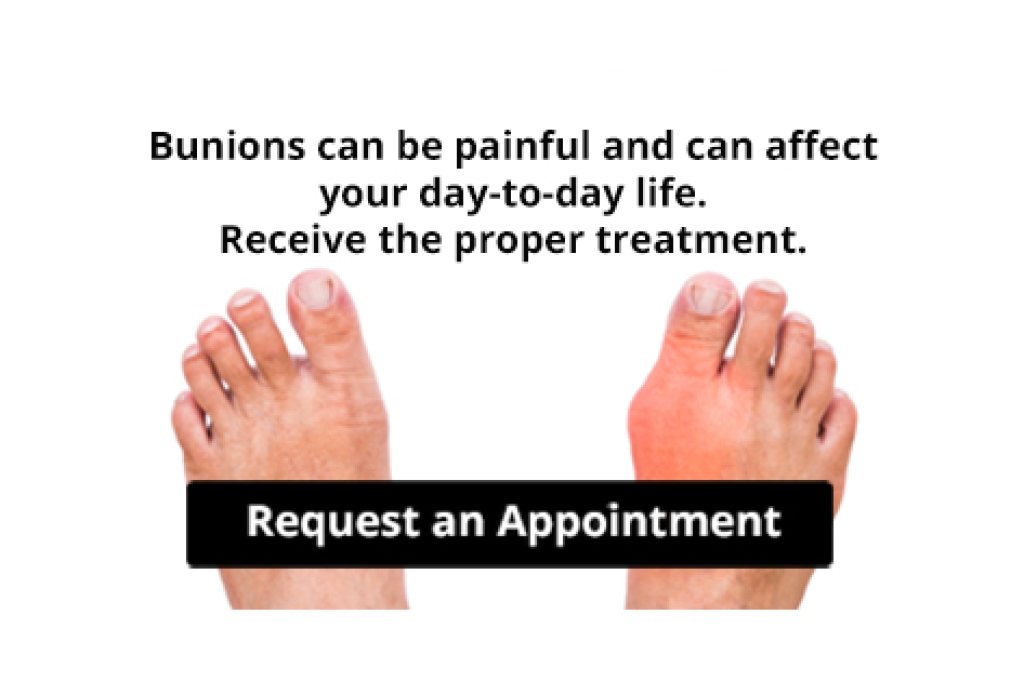
Have you noticed a bony protrusion on the side of your big toe? If so, you may have developed the foot condition known as a bunion. Don't let bunions interfere with your daily activities.

Foot and Ankle Surgeries and Possible Complications

Common foot and ankle surgeries include bunion removal, or bunionectomy, ankle ligament repair, and Achilles tendon surgery. These procedures are often needed to correct structural deformities, repair torn ligaments, or treat chronic conditions that cause pain and dysfunction. Postoperative findings typically include swelling, bruising, and some discomfort, which are normal as the body heals. Recovery times vary depending on the procedure but often involve limited weight-bearing and targeted exercises to restore mobility and strength. Stitches are usually removed within two weeks, and patients may need to wear a protective boot or cast during the healing process. Possible complications include infection, delayed wound healing, nerve damage, or blood clots. In some cases, stiffness or reduced range of motion can occur. If you have had foot or ankle surgery, it is strongly suggested that you are under the care of a podiatrist who can closely monitor your healing.

Foot surgery is sometimes necessary to treat a foot ailment. To learn more, contact Anas Khoury, DPM of North Eastern Foot & Ankle Specialists. Our doctor will assist you with all of your foot and ankle needs.

When Is Surgery Necessary?

Foot and ankle surgery is generally reserved for cases in which less invasive, conservative procedures have failed to alleviate the problem. Some of the cases in which surgery may be necessary include:

  • Removing foot deformities like bunions and bone spurs
  • Severe arthritis that has caused bone issues
  • Cosmetic reconstruction

What Types of Surgery Are There?

The type of surgery you receive will depend on the nature of the problem you have. Some of the possible surgeries include:

  • Bunionectomy for painful bunions
  • Surgical fusion for realignment of bones
  • Neuropathy decompression surgery to treat nerve damage

Benefits of Surgery

Although surgery is usually a last resort, it can provide more complete pain relief compared to non-surgical methods and may allow you to finally resume full activity.

Surgical techniques have also become increasingly sophisticated. Techniques like endoscopic surgery allow for smaller incisions and faster recovery times.

If you have any questions, please feel free to contact our office located in Passaic, NJ . We offer the newest diagnostic and treatment technologies for all your foot care needs.

Read more about Foot Surgery

Top 5 Benefits of Custom Orthotics

Discover the long-term benefits of orthotics! Tailored to your unique foot structure, Custom Orthotics ensure every step radiates comfort and helps reduce foot and heel pain. Beyond comfort, they enhance your posture, allowing you to stand taller and walk with confidence. Whether you're casually strolling or actively running, they can elevate your performance. Call our office today and see if Custom Orthotics are right for you.

Hammertoe Deformities

Hammertoe deformities are one of the most common issues affecting the lesser toes, typically causing the joint in the middle of the toe to bend downward, resembling a hammer. This condition often results from an imbalance in the muscles, tendons, or ligaments that normally keep the toes straight. Causes include wearing tight or ill-fitting shoes, injuries, or underlying conditions such as arthritis or high arches. Symptoms include pain, stiffness, and difficulty straightening the affected toe. Over time, the deformity can cause friction against shoes, leading to painful corns, calluses, and inflammation. Pain occurs due to increased pressure on the bent joint and surrounding tissues. To relieve discomfort, one can switch to wider shoes with a soft, roomy toe box and use orthotic inserts. In severe cases, surgery may be needed to realign the joint and restore normal toe function. If you have a painful hammertoe, it is suggested that you visit a podiatrist for an exam and treatment.

Hammertoe

Hammertoes can be a painful condition to live with. For more information, contact Anas Khoury, DPM from North Eastern Foot & Ankle Specialists. Our doctor will answer any of your foot- and ankle-related questions.

Hammertoe is a foot deformity that affects the joints of the second, third, fourth, or fifth toes of your feet. It is a painful foot condition in which these toes curl and arch up, which can often lead to pain when wearing footwear.

Symptoms

  • Pain in the affected toes
  • Development of corns or calluses due to friction
  • Inflammation
  • Redness
  • Contracture of the toes

Causes

Genetics – People who are genetically predisposed to hammertoe are often more susceptible

Arthritis – Because arthritis affects the joints in your toes, further deformities stemming from arthritis can occur

Trauma – Direct trauma to the toes could potentially lead to hammertoe

Ill-fitting shoes – Undue pressure on the front of the toes from ill-fitting shoes can potentially lead to the development of hammertoe

Treatment

Orthotics – Custom made inserts can be used to help relieve pressure placed on the toes and therefore relieve some of the pain associated with it

Medications – Oral medications such as anti-inflammatories or NSAIDs could be used to treat the pain and inflammation hammertoes causes. Injections of corticosteroids are also sometimes used

Surgery – In more severe cases where the hammertoes have become more rigid, foot surgery is a potential option

If you have any questions, please feel free to contact our office located in Passaic, NJ . We offer the newest diagnostic and treatment technologies for all your foot care needs.

Read more about What Are Hammertoes?

Specific Populations and Custom Orthotics

Custom orthotics offer significant benefits for individuals with specific conditions, particularly those who require specialized foot support. People with diabetes, especially those with neuropathy, which causes a loss of sensation in their feet, benefit greatly from custom orthotics. These devices provide critical cushioning to prevent pressure sores and ulcers, which can lead to serious complications. Those with poor circulation, often at risk of foot injuries, find custom orthotics helpful in reducing strain and protecting vulnerable areas. Additionally, people with severe foot deformities caused by arthritis experience improved mobility and comfort, as orthotics are tailored to accommodate joint misalignments and structural changes. If you are in one of these populations, it is suggested that you schedule an appointment with a podiatrist who can examine your feet and ensure a personalized fit and targeted support with custom orthotics.

Custom orthotics can make a remarkable difference in daily comfort and mobility by supporting the feet in their most natural and balanced position. Because the feet form the foundation for the entire body, any imbalance can affect not only how a person walks, but also how the knees, hips, and spine align. Over time, this can lead to fatigue, pain, or reduced movement. Custom orthotics are designed to restore stability and promote proper alignment, which can transform the way a person feels and functions throughout the day.

People who wear custom orthotics often experience improved posture, less joint strain, and greater endurance during work, exercise, and leisure activities. The support they provide helps relieve chronic discomfort from conditions such as plantar fasciitis, flat feet, and heel pain, while also reducing the risk of future injuries. For those who stand for long hours or engage in sports, orthotics can make movement smoother and more efficient, allowing the body to perform at its best without unnecessary stress.

Each pair of custom orthotics is created after a detailed evaluation of foot structure, gait, and pressure distribution. By addressing each person’s unique needs, they offer comfort and confidence with every step.

If you are experiencing ongoing foot discomfort or fatigue, it is suggested that you contact our office for more information or to make an appointment.

If you have any questions, please feel free to contact our office located in Passaic, NJ

Read more about Investing in Custom Orthotics Means Investing in Foot Health

Rheumatoid Arthritis and the Feet

Rheumatoid arthritis, or RA, is an autoimmune disease that causes chronic inflammation in the joints, including those in the feet and ankles. It can lead to pain, swelling, stiffness, and deformities such as hammertoes, bunions, and collapsed arches. Over time, the cartilage in the foot joints may erode, causing joint damage, reduced mobility, and difficulty walking. The constant inflammation can also affect soft tissues, leading to tendon damage and further deformities. A podiatrist plays a vital role in managing foot symptoms associated with RA. They can provide treatments like custom orthotics to support foot alignment, relieve pressure, and improve comfort. They can also prescribe anti-inflammatory medications or provide corticosteroid injections to manage pain. In severe cases, surgery may be necessary to correct deformities. If you have rheumatoid arthritis, it is suggested that you visit a podiatrist regularly for treatment to prevent further joint damage and maintain mobility.

Because RA affects more than just your joints, including the joints in your feet and ankles, it is important to seek early diagnosis from your podiatrist if you feel like the pain in your feet might be caused by RA. For more information, contact Anas Khoury, DPM of North Eastern Foot & Ankle Specialists. Our doctor will assist you with all of your podiatric concerns.

What Is Rheumatoid Arthritis?

Rheumatoid Arthritis (RA) is an autoimmune disorder in which the body’s own immune system attacks the membranes surrounding the joints. Inflammation of the lining and eventually the destruction of the joint’s cartilage and bone occur, causing severe pain and immobility.

Rheumatoid Arthritis of the Feet

Although RA usually attacks multiple bones and joints throughout the entire body, almost 90 percent of cases result in pain in the foot or ankle area.

Symptoms

  • Swelling and pain in the feet
  • Stiffness in the feet
  • Pain on the ball or sole of feet
  • Joint shift and deformation

Diagnosis

Quick diagnosis of RA in the feet is important so that the podiatrist can treat the area effectively. Your doctor will ask you about your medical history, occupation, and lifestyle to determine the origin of the condition. Rheumatoid Factor tests help to determine if someone is affected by the disease.

If you have any questions, please feel free to contact our office located in Passaic, NJ . We offer the newest diagnostic and treatment technologies for all your foot care needs.

Read more about Rheumatoid Arthritis in the Feet

What Is Peripheral Neuropathy and How Does it Feel?

Peripheral neuropathy is a condition affecting the peripheral nervous system, which consists of the nerves outside the brain and spinal cord. This system relays information between the central nervous system and the rest of the body, controlling sensations, movements, and autonomic functions. Peripheral neuropathy occurs when these nerves are damaged, leading to symptoms like tingling, numbness, pain, and weakness, often in the hands and feet. It can result from diabetes, infections, autoimmune diseases, toxins, or even trauma. Small fiber neuropathy specifically affects the small sensory fibers responsible for pain and temperature regulation. This type of neuropathy can cause burning or stabbing pain, tingling, or sensitivity to temperature. It often occurs in conditions like diabetes, but it can also be caused by other factors such as genetic disorders or autoimmune diseases. If you are feeling symptoms of peripheral neuropathy, it is suggested that you schedule an appointment with a podiatrist for an early diagnosis and management to prevent worsening of symptoms and nerve damage.

Neuropathy

Neuropathy can be a potentially serious condition, especially if it is left undiagnosed. If you have any concerns that you may be experiencing nerve loss in your feet, consult with Anas Khoury, DPM from North Eastern Foot & Ankle Specialists. Our doctor will assess your condition and provide you with quality foot and ankle treatment for neuropathy.

What Is Neuropathy?

Neuropathy is a condition that leads to damage to the nerves in the body. Peripheral neuropathy, or neuropathy that affects your peripheral nervous system, usually occurs in the feet. Neuropathy can be triggered by a number of different causes. Such causes include diabetes, infections, cancers, disorders, and toxic substances.

Symptoms of Neuropathy Include:

  • Numbness
  • Sensation loss
  • Prickling and tingling sensations
  • Throbbing, freezing, burning pains
  • Muscle weakness

Those with diabetes are at serious risk due to being unable to feel an ulcer on their feet. Diabetics usually also suffer from poor blood circulation. This can lead to the wound not healing, infections occurring, and the limb may have to be amputated.

Treatment

To treat neuropathy in the foot, podiatrists will first diagnose the cause of the neuropathy. Figuring out the underlying cause of the neuropathy will allow the podiatrist to prescribe the best treatment, whether it be caused by diabetes, toxic substance exposure, infection, etc. If the nerve has not died, then it’s possible that sensation may be able to return to the foot.

Pain medication may be issued for pain. Electrical nerve stimulation can be used to stimulate nerves. If the neuropathy is caused from pressure on the nerves, then surgery may be necessary.

If you have any questions, please feel free to contact our office located in Passaic, NJ . We offer the newest diagnostic and treatment technologies for all your foot care needs.

Read more about Neuropathy

Connect With Us