Hablamos Español

Understanding the Causes of Bunion Pain

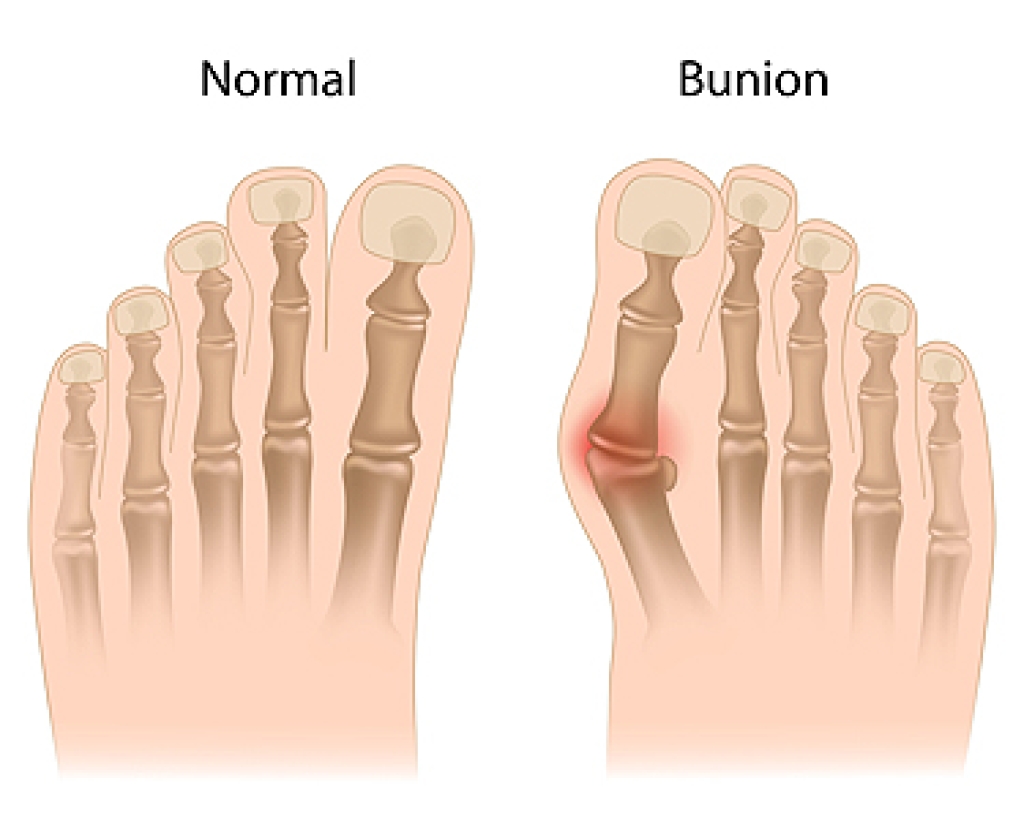
Bunion pain arises when a bony bump forms on the joint at the base of the big toe. This condition, known as a bunion, occurs due to prolonged pressure on the foot, often from wearing tight or ill-fitting shoes. The pressure causes the big toe to lean towards the second toe, resulting in the joint jutting out and becoming inflamed. This inflammation leads to pain, swelling, and redness. Genetics also plays a role, as bunions can run in families. Additionally, certain foot shapes and conditions, such as flat feet or arthritis, increase the likelihood of developing bunions. The pain can be worsened by activities that put extra stress on the feet, such as standing for long periods or engaging in high-impact sports. Proper footwear, orthotics, and, in severe cases, surgery can help alleviate bunion pain. If you have a bunion that is causing you pain and discomfort, it is suggested that you confer with a podiatrist who can determine the best course of treatment for you.

If you are suffering from bunions, contact Anas Khoury, DPM of North Eastern Foot & Ankle Specialists. Our doctor can provide the care you need to keep you pain-free and on your feet.

What Is a Bunion?

A bunion is formed of swollen tissue or an enlargement of boney growth, usually located at the base joint of the toe that connects to the foot. The swelling occurs due to the bones in the big toe shifting inward, which impacts the other toes of the foot. This causes the area around the base of the big toe to become inflamed and painful.

Why Do Bunions Form?

Genetics – Susceptibility to bunions are often hereditary

Stress on the feet – Poorly fitted and uncomfortable footwear that places stress on feet, such as heels, can worsen existing bunions

How Are Bunions Diagnosed?

Podiatrists often perform two tests – blood tests and x-rays – when trying to diagnose bunions, especially in the early stages of development. Blood tests help determine if the foot pain is being caused by something else, such as arthritis, while x-rays provide a clear picture of your bone structure to your provider.

How Are Bunions Treated?

  • Refrain from wearing heels or similar shoes that cause discomfort
  • Select wider shoes that can provide more comfort and reduce pain
  • Anti-inflammatory and pain management drugs
  • Orthotics or foot inserts
  • Surgery

If you have any questions, please feel free to contact our office located in Passaic, NJ . We offer the newest diagnostic and treatment technologies for all your foot care needs.

Read more about Bunions

Preventing Plantar Warts in Children

Plantar warts are a common issue in children, caused by the human papillomavirus, or HPV. These warts typically appear on the soles of the feet, causing discomfort and sometimes pain. The virus thrives in warm, moist environments, making public swimming pools, locker rooms, and communal showers common sources of infection. To prevent plantar warts, encourage children to wear protective footwear in these areas. Regularly washing feet and keeping them dry can also reduce the risk. It is important to avoid sharing shoes, socks, or towels to prevent the spread of the virus. If a child already has a plantar wart, covering it with a bandage can help prevent transmission. Promptly treating warts can also minimize discomfort and prevent them from spreading to others. Teaching children these habits can help protect them from plantar warts. If your child has developed a plantar wart, it is suggested that you visit a podiatrist who can properly treat this condition.

Plantar warts can be very uncomfortable. If you need your feet checked, contact Anas Khoury, DPM from North Eastern Foot & Ankle Specialists. Our doctor will assist you with all of your foot and ankle needs.

About Plantar Warts

Plantar warts are the result of HPV, or human papillomavirus, getting into open wounds on the feet. They are mostly found on the heels or balls of the feet.

While plantar warts are generally harmless, those experiencing excessive pain or those suffering from diabetes or a compromised immune system require immediate medical care. Plantar warts are easily diagnosed, usually through scraping off a bit of rough skin or by getting a biopsy.

Symptoms

  • Lesions on the bottom of your feet, usually rough and grainy
  • Hard or thick callused spots
  • Wart seeds, which are small clotted blood vessels that look like little black spots
  • Pain, discomfort, or tenderness of your feet when walking or standing

Treatment

  • Freezing
  • Electric tool removal
  • Laser Treatment
  • Topical Creams (prescription only)
  • Over-the-counter medications

To help prevent developing plantar warts, avoid walking barefoot over abrasive surfaces that can cause cuts or wounds for HPV to get into. Avoiding direct contact with other warts, as well as not picking or rubbing existing warts, can help prevent the further spread of plantar warts. However, if you think you have developed plantar warts, speak to your podiatrist. He or she can diagnose the warts on your feet and recommend the appropriate treatment options.

If you have any questions, please feel free to contact our office located in Passaic, NJ . We offer the newest diagnostic and treatment technologies for all your foot care needs.

Read more about What Are Plantar Warts?

Relief for Acute Ankle Sprains

Acute ankle sprains are often caused by sudden twists that stretch or tear ligaments surrounding the ankle, causing pain, swelling, and difficulty while walking. Immediate treatment for an acute ankle sprain is important for effective recovery and to prevent long-term complications. Supportive measures include a lace-up brace, an air stirrup brace, or an elastic compression wrap to stabilize the injured ankle and promote faster healing. Early mobilization, as tolerated by pain levels, has been shown to aid in quicker recovery and reduce the risk of chronic ankle instability. Pain relief medications can help to manage inflammation and discomfort. Athletes and those prone to recurrent sprains may wish to consider using ankle supports during sports to prevent future injuries. If you have recently sprained your ankle or are experiencing persistent discomfort, it is suggested that you schedule an appointment with a podiatrist for a personalized treatment plan to ensure proper healing, and to minimize the chance of future ankle problems.

Ankle sprains are common but need immediate attention. If you need your feet checked, contact Anas Khoury, DPM from North Eastern Foot & Ankle Specialists. Our doctor can provide the care you need to keep you pain-free and on your feet.

How Does an Ankle Sprain Occur?

Ankle sprains take place when the ligaments in your ankle are torn or stretched beyond their limits. There are multiple ways that the ankle can become injured, including twisting or rolling over onto your ankle, putting undue stress on it, or causing trauma to the ankle itself.

What Are the Symptoms?

  • Mild to moderate bruising
  • Limited mobility
  • Swelling
  • Discoloration of the skin (depending on severity)

Preventing a Sprain

  • Wearing appropriate shoes for the occasion
  • Stretching before exercises and sports
  • Knowing your limits

Treatment of a Sprain

Treatment of a sprain depends on the severity.  Many times, people are told to rest and remain off their feet completely, while others are given an air cast. If the sprain is very severe, surgery may be required.

If you have suffered an ankle sprain previously, you may want to consider additional support such as a brace and regular exercises to strengthen the ankle.

If you have any questions please feel free to contact our office located in Passaic, NJ . We offer the newest diagnostic tools and technology to treat your foot and ankle needs.

Read more about Ankle Sprains

Do You Suffer From Painful Feet?

Painful deformities, such as hammertoes, can be treated. Stop living with foot pain, and have beautiful feet again!

Custom Orthotics Provide Relief From Heel Pain

Experiencing persistent heel pain? Custom Orthotics might be your solution. These custom-designed shoe inserts adapt to your unique foot structure, optimizing support and alleviating discomfort. By redistributing pressure, they can significantly reduce heel pain, enhancing your daily mobility. Dive into a pain-free lifestyle and elevate your walking experience. Curious about the benefits of Custom Orthotics?

Contact our office today.

Causes of Chronic Foot Pain

Chronic foot pain is more than just a nuisance, It can significantly impact your daily life and mobility. Trauma, whether from a sudden injury or repetitive strain, can lead to a variety of foot issues including sprains, strains, and stress fractures. Overuse injuries, common among athletes and those with physically demanding jobs, can result in conditions like Achilles tendonitis and plantar fasciitis. Biomechanical factors, such as improper footwear or structural misalignment, can also contribute to chronic foot pain by causing conditions like bunions, corns, and neuromas. Underlying medical conditions, such as diabetes, gout, and peripheral neuropathy, can result in foot pain and increase the risk of complications. Additionally, infections like athlete's foot or ingrown toenails can cause persistent discomfort if not properly treated. If chronic foot pain is limiting your mobility and interfering with daily activities, it is suggested that you make an appointment with a podiatrist for an exam and treatment.

Foot Pain

Foot pain can be extremely painful and debilitating. If you have a foot pain, consult with Anas Khoury, DPM from North Eastern Foot & Ankle Specialists. Our doctor will assess your condition and provide you with quality foot and ankle treatment.

Causes

Foot pain is a very broad condition that could be caused by one or more ailments. The most common include:

  • Bunions
  • Hammertoes
  • Plantar Fasciitis
  • Bone Spurs
  • Corns
  • Tarsal Tunnel Syndrome
  • Ingrown Toenails
  • Arthritis (such as Gout, Rheumatoid, and Osteoarthritis)
  • Flat Feet
  • Injury (from stress fractures, broken toe, foot, ankle, Achilles tendon ruptures, and sprains)
  • And more

Diagnosis

To figure out the cause of foot pain, podiatrists utilize several different methods. This can range from simple visual inspections and sensation tests to X-rays and MRI scans. Prior medical history, family medical history, and any recent physical traumatic events will all be taken into consideration for a proper diagnosis.

Treatment

Treatment depends upon the cause of the foot pain. Whether it is resting, staying off the foot, or having surgery; podiatrists have a number of treatment options available for foot pain.

If you have any questions, please feel free to contact our office located in Passaic, NJ . We offer the newest diagnostic and treatment technologies for all your foot care needs.

Read more about Foot Pain

Custom-Made Orthotics Are Superior to Prefabricated Orthotics

Custom-made foot orthotics are specially designed insoles tailored to an individual's unique foot structure and gait. Unlike prefabricated orthotics, which are mass-produced and may not address specific foot issues, custom orthotics are crafted based on a detailed assessment of the user's feet. This assessment often includes a physical examination, gait analysis, and sometimes imaging techniques like X-rays or 3D scans. Custom orthotics provide superior comfort and effectiveness, offering precise support and alignment that can alleviate a range of conditions, such as plantar fasciitis, flat feet, bunions, and arthritis. They help redistribute pressure, improve balance, and enhance overall foot function, which can prevent further complications and improve quality of life. The production process involves taking a mold or digital impression of the feet, which is then used to fabricate the orthotic device using high-quality materials. If you are interested in custom-made orthotics, it is suggested that you consult a podiatrist to ensure you receive orthotics that meet your specific needs. 

Custom orthotics are specialized shoe inserts created to support and align the feet according to each person’s unique structure and walking pattern. They are an effective way to relieve foot discomfort caused by conditions such as flat feet, high arches, plantar fasciitis, bunions, and heel pain. When the natural alignment of the foot is off balance, it can lead to pressure points, strain, and pain that affect how a person stands, walks, and moves. Orthotics work by redistributing weight evenly and supporting the arch to reduce stress on the muscles, tendons, and joints of the feet and lower legs.

Foot discomfort can develop for many reasons, including wearing improper footwear, long hours of standing, repetitive motion, or underlying structural problems. Over time, this discomfort can extend beyond the feet, contributing to knee, hip, or lower back pain. Custom orthotics help correct these issues by improving alignment and promoting more efficient movement. They are made using precise measurements and imaging to ensure the best fit for each patient, providing targeted support and cushioning where it is needed most.

Unlike generic insoles, custom orthotics are durable, medically designed, and tailored to your specific needs. Whether you are managing chronic pain, recovering from an injury, or simply seeking better comfort and stability, orthotics can make a noticeable difference in how your feet feel throughout the day.

If you are experiencing persistent foot discomfort or fatigue, it may be time to have your feet evaluated by a podiatrist. Call our office today for more information or to schedule an appointment.

If you have any questions, please feel free to contact our office located in Passaic, NJ

Read more about Investing in Custom Orthotics Means Investing in Foot Health

Wearing High Heels to Work

Wearing high heels to work every day can have a significant effect on the feet and the rest of the body. High heels shift body weight forward, increasing pressure on the forefoot and leading to conditions like bunions, hammertoes, and metatarsalgia. The unnatural angle of the foot can cause calf muscle tightening and Achilles tendon shortening, resulting in discomfort and pain. Over time, high heels can alter posture, leading to lower back, hip, and knee pain due to misalignment of the spine and joints. Wearing high heels may seem glamorous, but it can also cause pain, blisters, and calluses. To mitigate these effects, choose heels with lower heights, opt for wedges or platforms for better weight distribution, and use cushioned insoles. It can also help to regularly stretch the calves and feet, and alternating with more supportive footwear. If you enjoy wearing heels to work and you have persistent foot pain, it is suggested that you schedule an appointment with a podiatrist for advice and care.

High heels have a history of causing foot and ankle problems. If you have any concerns about your feet or ankles, contact Anas Khoury, DPM from North Eastern Foot & Ankle Specialists. Our doctor can provide the care you need to keep you pain-free and on your feet.

Effects of High Heels on the Feet

High heels are popular shoes among women because of their many styles and societal appeal.  Despite this, high heels can still cause many health problems if worn too frequently.

Which Parts of My Body Will Be Affected by High Heels?

  • Ankle Joints
  • Achilles Tendon – May shorten and stiffen with prolonged wear
  • Balls of the Feet
  • Knees – Heels cause the knees to bend constantly, creating stress on them
  • Back – They decrease the spine’s ability to absorb shock, which may lead to back pain.  The vertebrae of the lower back may compress.

What Kinds of Foot Problems Can Develop from Wearing High Heels?

  • Corns
  • Calluses
  • Hammertoe
  • Bunions
  • Morton’s Neuroma
  • Plantar Fasciitis

How Can I Still Wear High Heels and Maintain Foot Health?

If you want to wear high heeled shoes, make sure that you are not wearing them every day, as this will help prevent long term physical problems.  Try wearing thicker heels as opposed to stilettos to distribute weight more evenly across the feet.  Always make sure you are wearing the proper shoes for the right occasion, such as sneakers for exercising.  If you walk to work, try carrying your heels with you and changing into them once you arrive at work.  Adding inserts to your heels can help cushion your feet and absorb shock. Full foot inserts or metatarsal pads are available. 

If you have any questions, please feel free to contact our office located in Passaic, NJ . We offer the newest diagnostic and treatment technologies for all your foot care needs.

Read more about Effect of High Heels on the Feet

Strategies for Preventing Falls in the Workplace

In any workplace, the safety and well-being of employees are paramount, and preventing falls is a key aspect of maintaining a secure environment. Employers can implement various strategies to mitigate the risk of falls and minimize potential injuries. One effective method is to maintain a clean and organized workspace, free from clutter or obstacles that could cause tripping hazards. Ensuring proper lighting throughout the premises enhances visibility and reduces the likelihood of missteps. Additionally, installing handrails, guardrails, or non-slip surfaces in areas prone to falls, such as staircases or slippery floors, provides essential support and stability. Regular maintenance of equipment and infrastructure also plays a vital role in preventing accidents. Additionally, comprehensive employee training programs on fall prevention techniques and safety protocols empower workers to identify risks and take proactive measures. If you have a foot injury as a result of falling during your workday, it is suggested that you consult a podiatrist who can offer effective treatment options.

Preventing falls among the elderly is very important. If you are older and have fallen or fear that you are prone to falling, consult with Anas Khoury, DPM from North Eastern Foot & Ankle Specialists. Our doctor will assess your condition and provide you with quality advice and care.

Every 11 seconds, an elderly American is being treated in an emergency room for a fall related injury. Falls are the leading cause of head and hip injuries for those 65 and older. Due to decreases in strength, balance, senses, and lack of awareness, elderly persons are very susceptible to falling. Thankfully, there are a number of things older persons can do to prevent falls.

How to Prevent Falls

Some effective methods that older persons can do to prevent falls include:

  • Enrolling in strength and balance exercise program to increase balance and strength
  • Periodically having your sight and hearing checked
  • Discuss any medications you have with a doctor to see if it increases the risk of falling
  • Clearing the house of falling hazards and installing devices like grab bars and railings
  • Utilizing a walker or cane
  • Wearing shoes that provide good support and cushioning
  • Talking to family members about falling and increasing awareness

Falling can be a traumatic and embarrassing experience for elderly persons; this can make them less willing to leave the house, and less willing to talk to someone about their fears of falling. Doing such things, however, will increase the likelihood of tripping or losing one’s balance. Knowing the causes of falling and how to prevent them is the best way to mitigate the risk of serious injury.  

If you have any questions, please feel free to contact our office located in Passaic, NJ . We offer the newest diagnostic and treatment technologies for all your foot care needs.

Read more about Falls Prevention

When Surgery Is Needed for Heel Spurs

When conservative treatments prove ineffective in easing the discomfort, inflammation, and swelling associated with heel spurs, surgery emerges as a viable solution. These outgrowths on the heel bone, medically termed calcaneal spurs, can cause significant pain and impede mobility. The decision to pursue surgery hinges not solely on the size or presence of the spur, but rather on the persistence of pain resistant to treatment. Podiatrists typically advocate for surgery when symptoms persist despite six months of non-surgical interventions. Two primary approaches exist for heel spur surgery, which are known as open surgery and endoscopic surgery. Open surgery entails larger incisions and is generally employed to excise entire spurs. Endoscopic surgery employs smaller incisions, fostering quicker recovery and fewer complications. The surgical procedure may vary depending on the spur's location, whether it is inferior or posterior. Inferior heel spurs often coexist with plantar fasciitis and are addressed through plantar fasciotomy. Posterior heel spurs near the Achilles tendon may necessitate more intricate procedures, especially if the spur is deeply embedded within the Achilles tendon. While heel spur surgery has a high success rate, it also carries risks of nerve injury, foot instability, and acquired flat feet. If you are in pain from a heel spur, it is suggested that you consult a podiatrist who can determine what the best course of treatment is for you.

Heel spurs can be incredibly painful and sometimes may make you unable to participate in physical activities. To get medical care for your heel spurs, contact Anas Khoury, DPM from North Eastern Foot & Ankle Specialists. Our doctor will do everything possible to treat your condition.

Heels Spurs

Heel spurs are formed by calcium deposits on the back of the foot where the heel is. This can also be caused by small fragments of bone breaking off one section of the foot, attaching onto the back of the foot. Heel spurs can also be bone growth on the back of the foot and may grow in the direction of the arch of the foot.

Older individuals usually suffer from heel spurs and pain sometimes intensifies with age. One of the main condition's spurs are related to is plantar fasciitis.

Pain

The pain associated with spurs is often because of weight placed on the feet. When someone is walking, their entire weight is concentrated on the feet. Bone spurs then have the tendency to affect other bones and tissues around the foot. As the pain continues, the feet will become tender and sensitive over time.

Treatments

There are many ways to treat heel spurs. If one is suffering from heel spurs in conjunction with pain, there are several methods for healing. Medication, surgery, and herbal care are some options.

If you have any questions, please feel free to contact our office located in Passaic, NJ . We offer the newest diagnostic and treatment technologies for all your foot care needs.

Read more about Heel Spurs

Connect With Us