Hablamos Español

Safety Tips and the Podiatrist’s Role in Fall Recovery

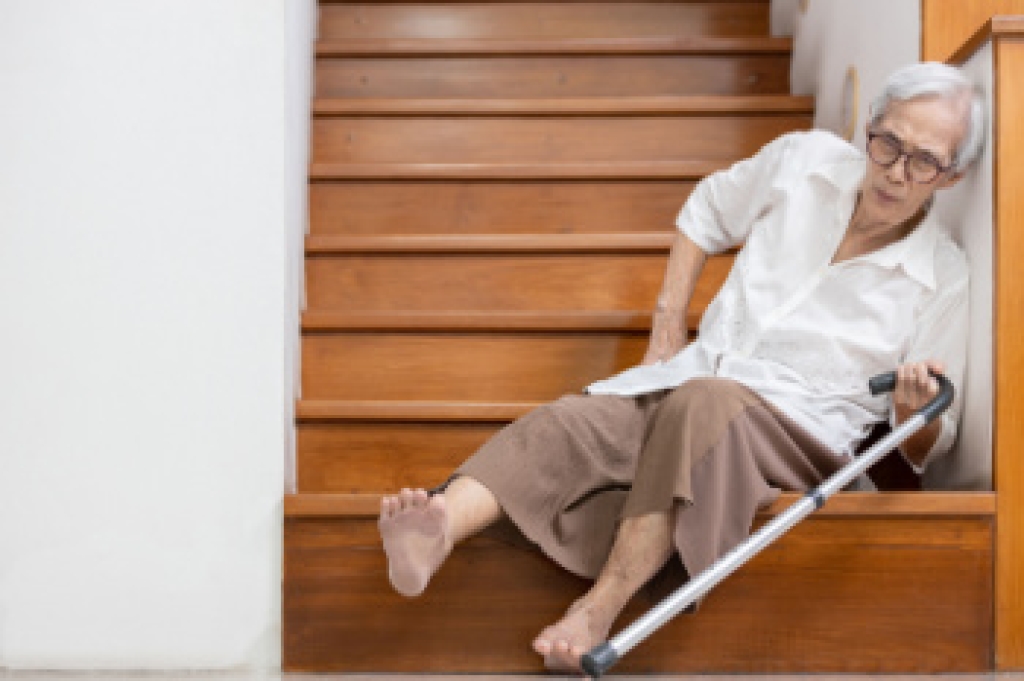
Falls at home are often caused by slippery surfaces, poor lighting, clutter, and uneven flooring. As people age, changes in balance, muscle strength, vision, and reaction time increase the risk of falling. Certain medications may also cause dizziness or unsteadiness, further raising the likelihood of an accident. Preventing falls involves practical home modifications, such as installing handrails on stairs, placing grab bars in bathrooms, improving lighting in hallways, and regularly reviewing medications with a healthcare provider. A podiatrist can play an important role by treating foot conditions that contribute to instability, such as arthritis, neuropathy, or improper footwear. They may also provide balance assessments, orthotics, and mobility support to help reduce the risk of future falls and improve overall safety at home. If you have foot or ankle pain and are at risk of falling, it is suggested that you consult a podiatrist who can treat various foot conditions, and guide you on additional fall prevention tips.

Preventing falls among the elderly is very important. If you are older and have fallen or fear that you are prone to falling, consult with Anas Khoury, DPM from North Eastern Foot & Ankle Specialists. Our doctor will assess your condition and provide you with quality advice and care.

Every 11 seconds, an elderly American is being treated in an emergency room for a fall related injury. Falls are the leading cause of head and hip injuries for those 65 and older. Due to decreases in strength, balance, senses, and lack of awareness, elderly persons are very susceptible to falling. Thankfully, there are a number of things older persons can do to prevent falls.

How to Prevent Falls

Some effective methods that older persons can do to prevent falls include:

  • Enrolling in strength and balance exercise program to increase balance and strength
  • Periodically having your sight and hearing checked
  • Discuss any medications you have with a doctor to see if it increases the risk of falling
  • Clearing the house of falling hazards and installing devices like grab bars and railings
  • Utilizing a walker or cane
  • Wearing shoes that provide good support and cushioning
  • Talking to family members about falling and increasing awareness

Falling can be a traumatic and embarrassing experience for elderly persons; this can make them less willing to leave the house, and less willing to talk to someone about their fears of falling. Doing such things, however, will increase the likelihood of tripping or losing one’s balance. Knowing the causes of falling and how to prevent them is the best way to mitigate the risk of serious injury.  

If you have any questions, please feel free to contact our office located in Passaic, NJ . We offer the newest diagnostic and treatment technologies for all your foot care needs.
Read more about Falls Prevention

What to Look for in Choosing the Right Running Shoes

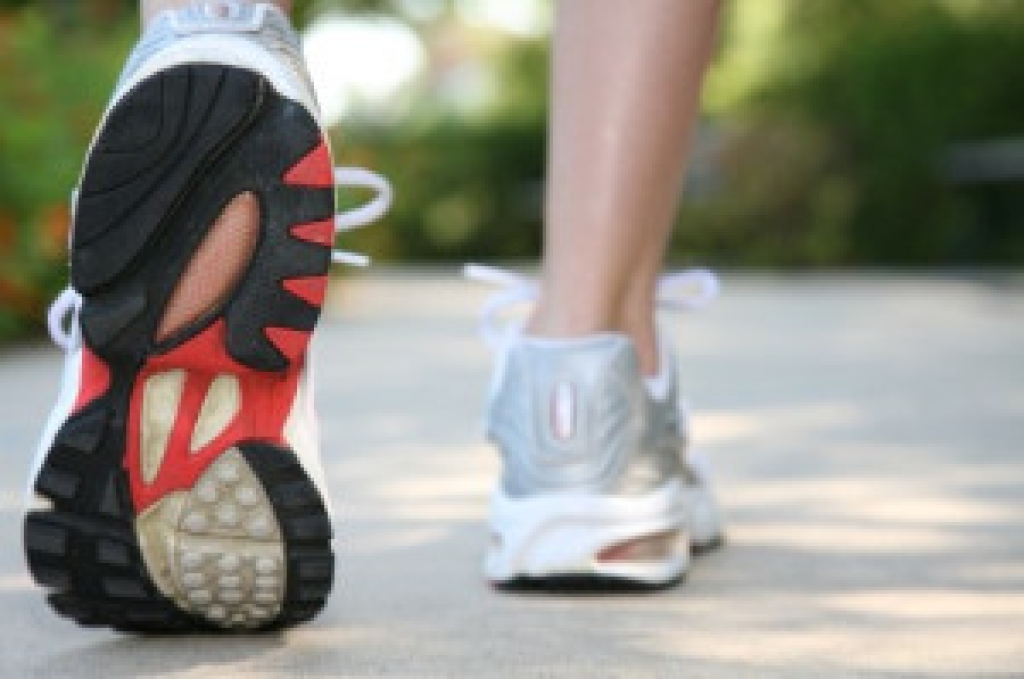
Selecting the right running shoes is essential for comfort, performance, and injury prevention. Traditional running shoes are designed for roads and tracks, while trail running shoes offer grip and protection on uneven terrain. Shoe selection should be based on gait and arch type. Neutral running shoes work well for those with a balanced gait, while stability shoes support mild overpronation. Motion control shoes are best for significant overpronation. Carbon plated shoes are designed for speed and efficiency in advanced runners. A podiatrist can assess foot structure and gait mechanics to guide proper shoe choice. If you are unsure which running shoes are right for you, it is suggested that you consult a podiatrist for expert advice and personalized recommendations.

If you are a runner, wearing the right running shoe is essential. For more information, contact Anas Khoury, DPM from North Eastern Foot & Ankle Specialists. Our doctor can provide the care you need to keep you pain-free and on your feet.

Choosing the Right Running Shoe for Your Foot Type

To increase performance and avoid the risk of injury, it is important to choose the right running shoe based on your foot type. The general design of running shoes revolves around pronation, which is how the ankle rolls from outside to inside when the foot strikes the ground.

  • Neutral runners are able to choose from a wide variety of shoes, including minimalist shoes or even going barefoot.
  • Runners who overpronate, or experience an over-abundance of ankle rolling, should choose shoes that provide extra motion control and stability.
  • Runners who underpronate, or supinate, have feet that have high arches and lack flexibility, preventing shock absorption. They require shoes with more flexibility and cushion.

If you have any questions, please feel free to contact our office located in Passaic, NJ . We offer the newest diagnostic and treatment technologies for all your foot care needs.
Read more about Differences between Walking and Running Shoes

Proper Foot Care and Common Foot Issues in Older Adults

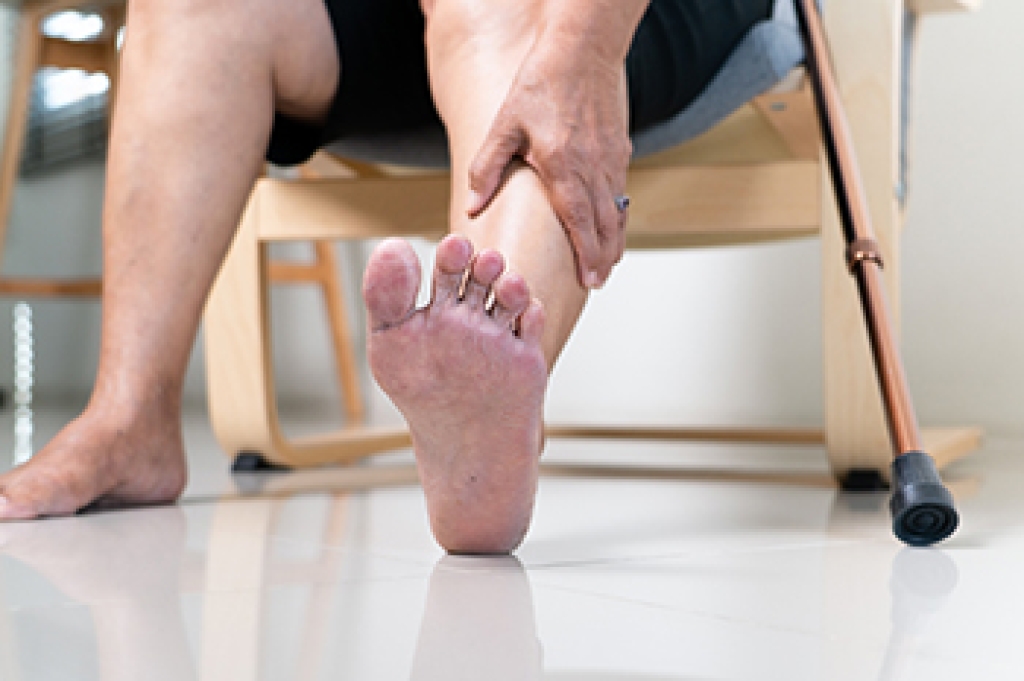
Caring for the feet becomes increasingly important with age, as seniors are more prone to various foot issues that can affect mobility and overall well-being. Common concerns include ingrown toenails, which can cause pain and infection if not properly trimmed, and brittle toenails that may crack or break easily. Tingling or burning sensations in the feet may be signs of nerve issues or poor circulation. Foot pain and cracked heels can make walking uncomfortable and increase the risk of falls. Regular foot inspections, gentle cleaning, moisturizing, and wearing well-fitting shoes help prevent these problems. If you are elderly and have foot pain, it is suggested that you are under the care of a podiatrist who can treat various foot conditions, and help you to monitor your foot health.

If you need your feet checked, contact Anas Khoury, DPM of North Eastern Foot & Ankle Specialists. Our doctor will attend to all of your foot and ankle needs and provide you with quality treatment.

Geriatrics and Podiatry
When people age, some common issues that may occur are bone density loss, dry skin, poor circulation, and rough brittle nails. These issues may also affect your foot health if the necessary steps are not taken to alleviate the problems.

It is important to take care of your feet because feet that are injured or diseased can affect your overall health. Having painful feet hinders your ability to do daily activities or may decrease your willingness to do the things that you need to do.

Visiting Your Geriatrician
As we age, health problems become more likely, so it is essential to visit your doctor for check-ups to ensure that you are doing the best you can to take care of your health. It is recommended to check your feet frequently for any possible cuts, bruises, swelling, corns or any other irregularities. 

Taking Care of Elderly Feet
Cracked or dry feet can be treated by applying moisturizer often. It is also important not to wear old socks because the older the sock is, the higher the possibility there will be that there is bacteria there. Wear fresh socks and make sure they fit properly.

Proper foot health means that you can have a more active lifestyle and you will not be bogged down by pain. Foot health also leads to good circulation, which is paramount for overall health.

If you have any questions, please feel free to contact our office located in Passaic, NJ . We offer the newest diagnostic and treatment technologies for all your foot care needs.
Read more about Geriatrics and Podiatry

Reminder: When Was the Last Time...?

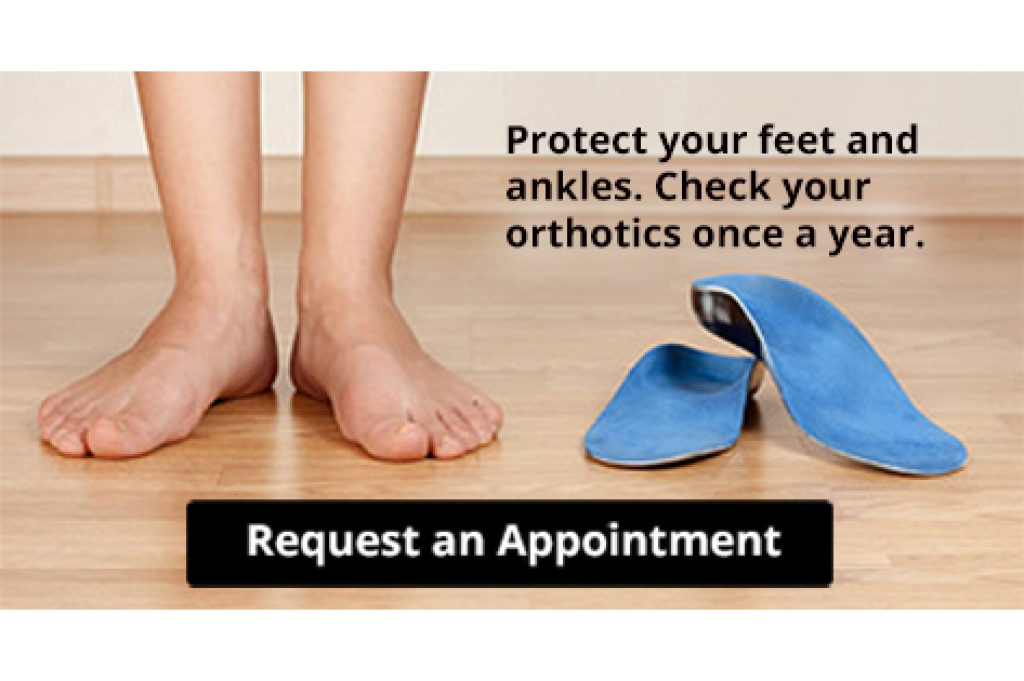
Custom orthotics, or shoe inserts, should be periodically replaced. Orthotics must fit properly to give you the best results. Protect your feet and ankles!

When Nerves Start to Fail the Feet

Diabetic neuropathy is a nerve condition that affects many people with diabetes, often starting in the feet. It develops slowly, causing numbness, tingling or burning that may feel worse at night. Because the nerves are damaged, it becomes harder to feel injuries, heat, or pressure. This loss of sensation puts the feet at greater risk for cuts, blisters, and infections that can go unnoticed and untreated. Over time, even small problems can lead to serious complications. Good blood sugar control, daily foot checks, and wearing supportive footwear can help manage symptoms and prevent injury. Some people also benefit from medication to ease nerve discomfort. If your feet feel different or you have diabetes and notice changes in sensation, it is suggested you see a podiatrist for a diagnosis and appropriate treatment.

Diabetic foot care is important in preventing foot ailments such as ulcers. If you are suffering from diabetes or have any other concerns about your feet, contact Anas Khoury, DPM from North Eastern Foot & Ankle Specialists. Our doctor can provide the care you need to keep you pain-free and on your feet.

Diabetic Foot Care

Diabetes affects millions of people every year. The condition can damage blood vessels in many parts of the body, especially the feet. Because of this, taking care of your feet is essential if you have diabetes, and having a podiatrist help monitor your foot health is highly recommended.

The Importance of Caring for Your Feet

  • Routinely inspect your feet for bruises or sores.
  • Wear socks that fit your feet comfortably.
  • Wear comfortable shoes that provide adequate support.

Patients with diabetes should have their doctor monitor their blood levels, as blood sugar levels play such a huge role in diabetic care. Monitoring these levels on a regular basis is highly advised.

It is always best to inform your healthcare professional of any concerns you may have regarding your feet, especially for diabetic patients. Early treatment and routine foot examinations are keys to maintaining proper health, especially because severe complications can arise if proper treatment is not applied.

If you have any questions, please feel free to contact our office located in Passaic, NJ . We offer the newest diagnostic and treatment technologies for all your foot care needs.

Read more about Diabetic Foot Conditions

Connect With Us