Hablamos Español

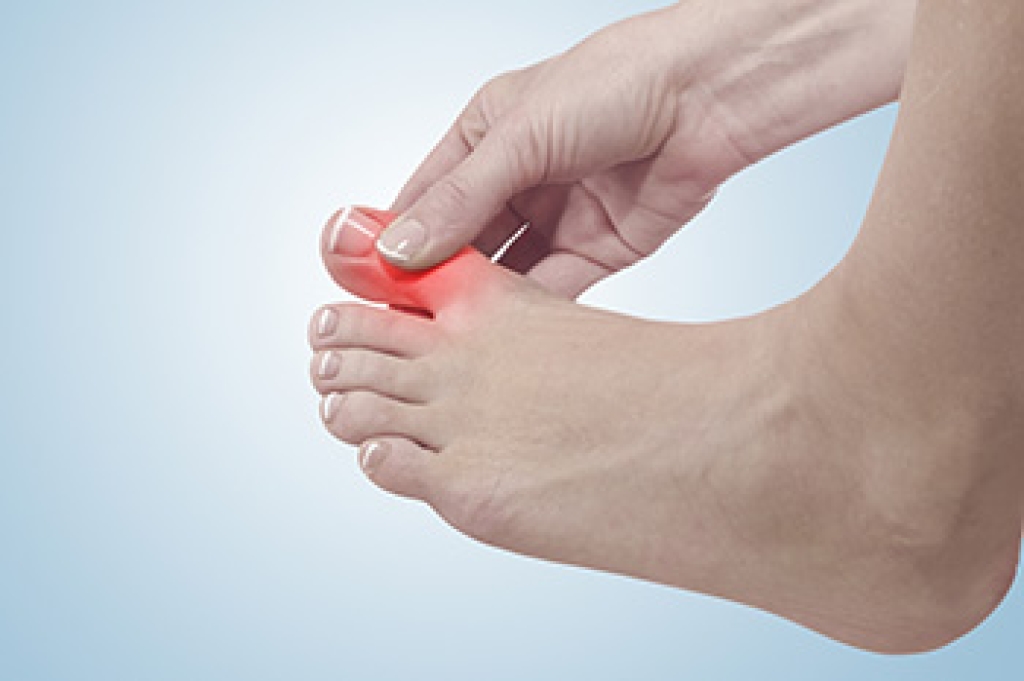
Big Toe Pain May Mean Gout

Gout, a type of arthritis, can cause intense pain that often starts in the big toe. This condition is caused by a build up of needle shaped uric acid crystals in the joints, leading to inflammation. The big toe is where painful gout attacks commonly occur because it is a cooler part of the body, and uric acid is more likely to crystallize there. Gout patients usually experience painful joint flares for a week or so, which then disappear for a period of time. Some patients do not experience their next flare for a year or more. Lifestyle factors such as a diet particularly rich in purine-containing foods in addition to genetics can contribute to gout development. During a gout flare up, the big toe may become red, swollen, and extremely tender. It is essential for those experiencing big toe pain to seek medical attention, as managing gout requires having a well informed plan. If you have pain in your big toe and suspect it may be gout, it is suggested you schedule an appointment with a podiatrist who can help you find relief from the acute pain associated with this condition.

Gout is a painful condition that can be treated. If you are seeking treatment, contact Anas Khoury, DPM from North Eastern Foot & Ankle Specialists. Our doctor will treat your foot and ankle needs.

What Is Gout?

Gout is a form of arthritis that is characterized by sudden, severe attacks of pain, redness, and tenderness in the joints. The condition usually affects the joint at the base of the big toe. A gout attack can occur at any random time, such as the middle of the night while you are asleep.

Symptoms

  • Intense Joint Pain - Usually around the large joint of your big toe, and it most severe within the first four to twelve hours
  • Lingering Discomfort - Joint discomfort may last from a few days to a few weeks
  • Inflammation and Redness -Affected joints may become swollen, tender, warm and red
  • Limited Range of Motion - May experience a decrease in joint mobility

Risk Factors

  • Genetics - If family members have gout, you’re more likely to have it
  • Medications - Diuretic medications can raise uric acid levels
  • Gender/Age - Gout is more common in men until the age of 60. It is believed that estrogen protects women until that point
  • Diet - Eating red meat and shellfish increases your risk
  • Alcohol - Having more than two alcoholic drinks per day increases your risk
  • Obesity - Obese people are at a higher risk for gout

Prior to visiting your podiatrist to receive treatment for gout, there are a few things you should do beforehand. If you have gout you should write down your symptoms--including when they started and how often you experience them, important medical information you may have, and any questions you may have. Writing down these three things will help your podiatrist in assessing your specific situation so that he or she may provide the best route of treatment for you.

If you have any questions, please feel free to contact our office located in Passaic, NJ . We offer the newest diagnostic and treatment technologies for all your foot care needs.


Read more about Gout

Choosing the Right Ankle Brace

Selecting the appropriate ankle brace is akin to navigating a complex landscape, especially given the diverse needs of athletes. Ankle injuries demand tailored solutions, and understanding the attributes of each brace type is important. Sleeves, while the least stable, offer comfort and are suitable for first-line treatment. Straps, popular among athletes, involve cloth straps that create a heel-lock figure-eight, yet their complexity can lead to adherence issues. Stirrups, popular in the 90s, now find use in splints and controlled ankle motion. Lace-ups, the original stable design, have evolved with improvements in functionality and comfort. Hybrid braces, combining features of sleeves, straps, stirrups, and lace-ups, offer both comfort and stability, but come at a higher cost. The choice among these types depends on factors such as the athlete's position, preferences, and the specific injury or condition being addressed. It is suggested that you schedule an appointment with a podiatrist to find the most suitable brace for you.

Ankle and foot injuries are common among athletes and in many sports. They can be caused by several problems and may be potentially serious. If you are feeling pain or think you were injured in a sporting event or when exercising, consult with Anas Khoury, DPM from North Eastern Foot & Ankle Specialists. Our doctor will assess your condition and provide you with quality foot and ankle treatment.

Common Injuries

The most common injuries that occur in sporting activities include:

  • Achilles Tendonitis
  • Achilles Tendon Rupture
  • Ankle Sprains
  • Broken Foot
  • Plantar Fasciitis
  • Stress Fractures
  • Turf Toe

Symptoms

Symptoms vary depending upon the injury and in some cases, there may be no symptoms at all. However, in most cases, some form of symptom is experienced. Pain, aching, burning, bruising, tenderness, tightness or stiffness, sensation loss, difficulty moving, and swelling are the most common symptoms.

Treatment

Just as symptoms vary depending upon the injury, so do treatment options. A common treatment method is known as the RICE method. This method involves rest, applying ice, compression and elevating the afflicted foot or ankle. If the injury appears to be more serious, surgery might be required, such as arthroscopic or reconstructive surgery. Lastly, rehabilitation or therapy might be needed to gain full functionality in the afflicted area. Any discomfort experienced by an athlete must be evaluated by a licensed, reputable medical professional.  

If you have any questions please contact our office located in Passaic, NJ . We offer the newest diagnostic and treatment technologies for all your foot and ankle needs.

Read more about Sports Related Foot and Ankle Injuries

Progression of Diabetic Foot Problems

Diabetic foot problems associated with diabetes mellitus can affect one or both feet in type one or type two diabetes cases. These issues, often linked to nerve damage and circulatory problems inherent to diabetes, exhibit symptoms over time. Common diabetic foot problems include skin complications and structural foot alterations, foot ulcers, infections, and foot structure changes. The root cause of diabetic foot problems lies in inadequate insulin regulation, as diabetes disrupts insulin production or responsiveness. Elevated blood sugar levels, over time, inflict nerve damage, leading to peripheral neuropathy and hindered blood circulation, resulting in peripheral artery disease, or PAD. Peripheral neuropathy symptoms can consist of numbness, tingling, and diminished sensation in the feet, making ulcer detection challenging. Left untreated, infections can fester due to impaired blood flow, potentially leading to gangrene and tissue death. Early-stage diabetic foot problems often go unnoticed but can be identified by leg pain, numbness, and skin changes. Timely intervention is crucial. Diabetic foot issues progress at varying rates. Untreated complications may entail ulcers, corns, deformities, muscle weakness, and impaired blood flow. Seeking professional treatment for wounds and infections is vital, with treatments like wound dressings, antibiotics, off-loading devices, and debridement. In severe cases, surgical intervention, such as vascular procedures, skin grafts, or deformity correction may be necessary. If you suffer from diabetic foot problems, it is strongly suggested that you schedule regular appointments with a podiatrist to monitor your feet and do all that is necessary to prevent problems from arising and taking care of those that do.

Diabetic foot care is important in preventing foot ailments such as ulcers. If you are suffering from diabetes or have any other concerns about your feet, contact Anas Khoury, DPM from North Eastern Foot & Ankle Specialists. Our doctor can provide the care you need to keep you pain-free and on your feet.

Diabetic Foot Care

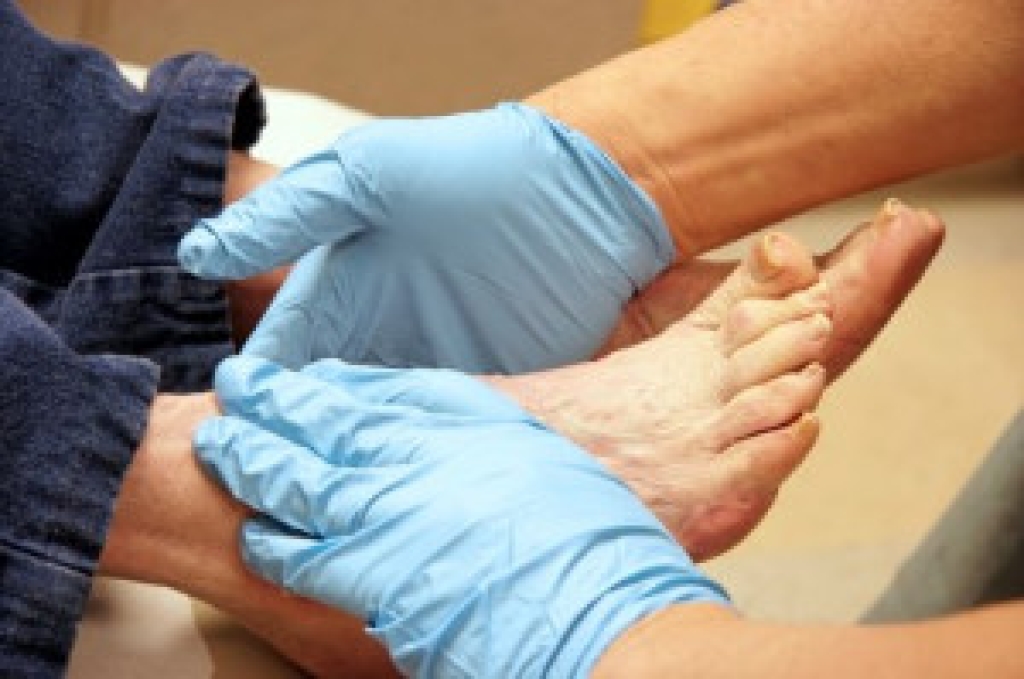
Diabetes affects millions of people every year. The condition can damage blood vessels in many parts of the body, especially the feet. Because of this, taking care of your feet is essential if you have diabetes, and having a podiatrist help monitor your foot health is highly recommended.

The Importance of Caring for Your Feet

  • Routinely inspect your feet for bruises or sores.
  • Wear socks that fit your feet comfortably.
  • Wear comfortable shoes that provide adequate support.

Patients with diabetes should have their doctor monitor their blood levels, as blood sugar levels play such a huge role in diabetic care. Monitoring these levels on a regular basis is highly advised.

It is always best to inform your healthcare professional of any concerns you may have regarding your feet, especially for diabetic patients. Early treatment and routine foot examinations are keys to maintaining proper health, especially because severe complications can arise if proper treatment is not applied.

If you have any questions, please feel free to contact our office located in Passaic, NJ . We offer the newest diagnostic and treatment technologies for all your foot care needs.
Read more about Diabetic Foot Care

Triggers of Plantar Warts

Plantar warts, small growths caused by the human papillomavirus, or HPV, are notorious for cropping up on the soles of the feet, bringing discomfort and annoyance. Understanding the triggers behind their occurrence is essential for prevention. The virus thrives in warm, moist environments, making communal spaces like swimming pools, locker rooms, and public showers prime breeding grounds. Walking barefoot in these areas increases the risk of viral exposure. Additionally, cuts or abrasions on the soles create entry points for the virus, facilitating infection. Weakened immune systems, often seen in individuals under stress or with underlying health conditions, make them more susceptible to plantar warts. While direct contact with the virus is the primary mode of transmission, the virus can also be contracted indirectly through contaminated surfaces. Awareness of these triggers empowers individuals to adopt preventive measures, such as wearing protective footwear in public areas and maintaining foot hygiene, to thwart the onset of plantar warts. If you have developed a plantar wart, it is suggested that you consult a podiatrist who can offer the treatment method that is best for you.

Plantar warts can be very uncomfortable. If you need your feet checked, contact Anas Khoury, DPM from North Eastern Foot & Ankle Specialists. Our doctor will assist you with all of your foot and ankle needs.

About Plantar Warts

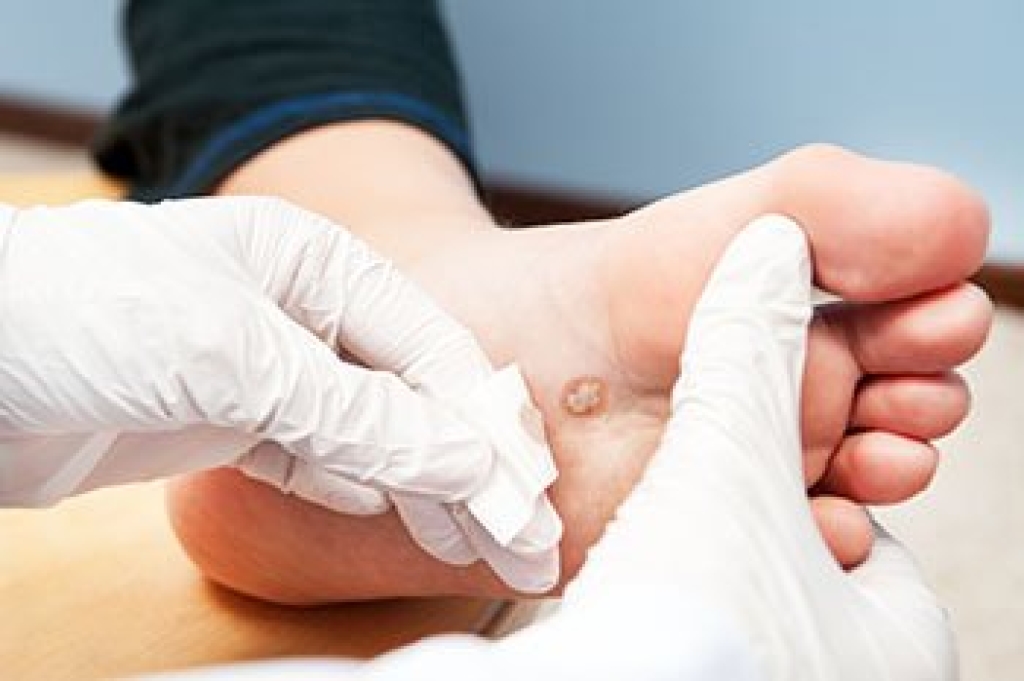
Plantar warts are the result of HPV, or human papillomavirus, getting into open wounds on the feet. They are mostly found on the heels or balls of the feet.

While plantar warts are generally harmless, those experiencing excessive pain or those suffering from diabetes or a compromised immune system require immediate medical care. Plantar warts are easily diagnosed, usually through scraping off a bit of rough skin or by getting a biopsy.

Symptoms

  • Lesions on the bottom of your feet, usually rough and grainy
  • Hard or thick callused spots
  • Wart seeds, which are small clotted blood vessels that look like little black spots
  • Pain, discomfort, or tenderness of your feet when walking or standing

Treatment

  • Freezing
  • Electric tool removal
  • Laser Treatment
  • Topical Creams (prescription only)
  • Over-the-counter medications

To help prevent developing plantar warts, avoid walking barefoot over abrasive surfaces that can cause cuts or wounds for HPV to get into. Avoiding direct contact with other warts, as well as not picking or rubbing existing warts, can help prevent the further spread of plantar warts. However, if you think you have developed plantar warts, speak to your podiatrist. He or she can diagnose the warts on your feet and recommend the appropriate treatment options.

If you have any questions, please feel free to contact our office located in Passaic, NJ . We offer the newest diagnostic and treatment technologies for all your foot care needs.
Read more about Plantar Warts

Connect With Us