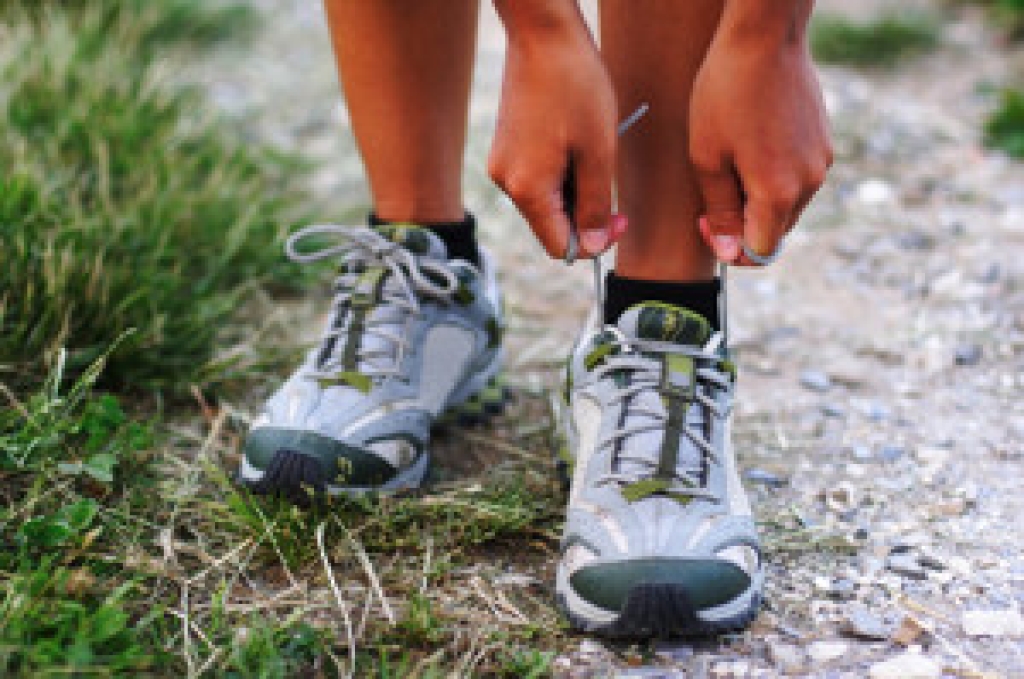
Runners, meet your game-changer: Custom Orthotics. Every stride matters, and with Custom Orthotics, you can ensure optimal foot alignment, reducing stress on joints and muscles. They help absorb shock, protect against injuries, and can even enhance your running efficiency. Whether you're sprinting short distances or conquering marathons, Custom Orthotics provide the support and balance your feet crave. Call today for more information.
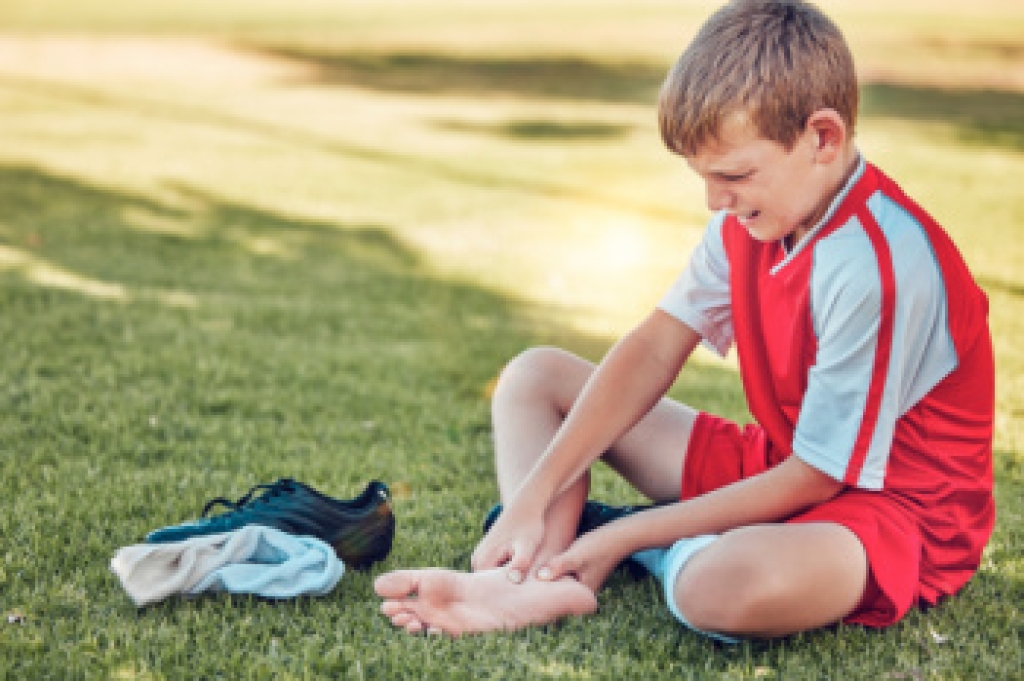
Sever’s disease is a heel condition seen in growing children, especially during growth spurts when bones develop quickly. It involves irritation of the growth plate at the back of the heel, an area of soft, developing bone. Several risk factors increase the chance of Sever’s disease. High-impact activities like running and jumping place repeated stress on the heel. Tight calf muscles can pull on the heel and increase strain. Limited ankle motion may also add pressure. Poor foot alignment, including flat feet or high arches, can change how weight is distributed. Wearing worn or low-cushioned athletic shoes and playing on hard surfaces further increases the risk. Increased body weight and rapid growth can also contribute. A podiatrist can provide medical treatment to reduce stress on the heel and support healing. If your active child experiences heel pain, it is suggested that you make an appointment with a podiatrist for treatment.
Sever's disease often occurs in children and teens. If your child is experiencing foot or ankle pain, see Anas Khoury, DPM from North Eastern Foot & Ankle Specialists. Our doctor can treat your child’s foot and ankle needs.
Sever’s Disease
Sever’s disease is also known as calcaneal apophysitis, which is a medical condition that causes heel pain I none or both feet. The disease is known to affect children between the ages of 8 and 14.
Sever’s disease occurs when part of the child’s heel known as the growth plate (calcaneal epiphysis) is attached to the Achilles tendon. This area can suffer injury when the muscles and tendons of the growing foot do not keep pace with bone growth. Therefore, the constant pain which one experiences at the back of the heel will make the child unable to put any weight on the heel. The child is then forced to walk on their toes.
Symptoms
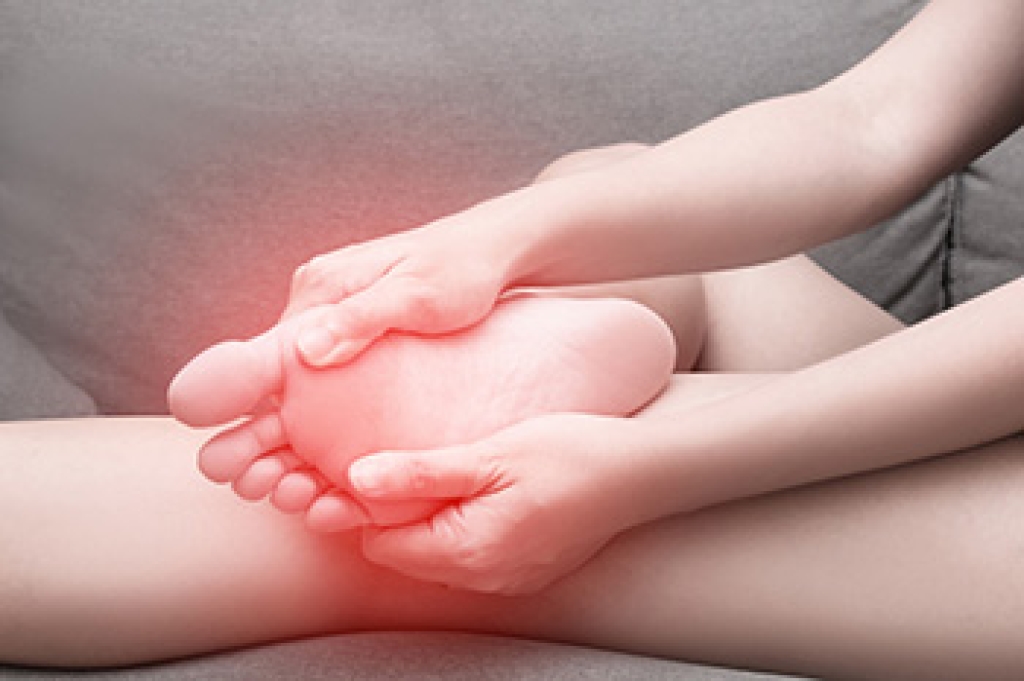
Acute pain – Pain associated with Sever’s disease is usually felt in the heel when the child engages in physical activity such as walking, jumping and or running.
Highly active – Children who are very active are among the most susceptible in experiencing Sever’s disease, because of the stress and tension placed on their feet.
If you have any questions, please feel free to contact our office located in Passaic, NJ. We offer the newest diagnostic and treatment technologies for all your foot care needs.
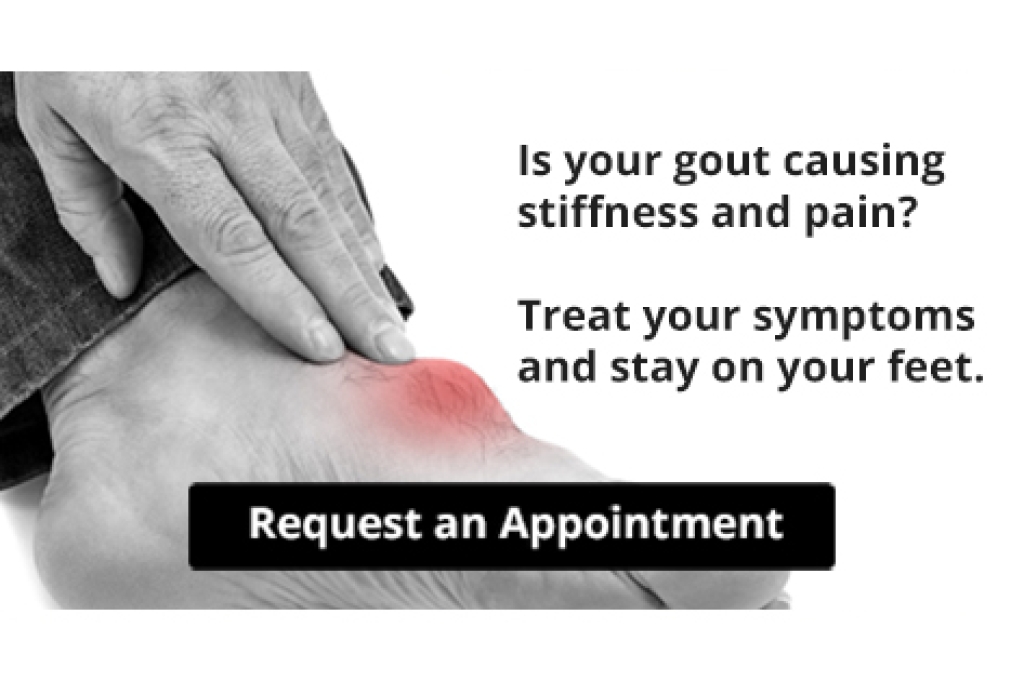
Post-operative foot orthotics provide essential support and protection during recovery from foot surgery. They are often recommended for tendon problems, big toe stiffness, and bunions, where proper alignment and controlled movement are critical for healing. By stabilizing the foot and redistributing pressure, orthotics can reduce strain on surgical sites and surrounding tissues. This support enhances comfort, decreases inflammation, and promotes improved foot function during daily activities. Properly fitted orthotics also help maintain corrective changes achieved through surgery and reduce the risk of recurring symptoms. A podiatrist can assess healing progress and design custom orthotics tailored to your specific needs. If you are having foot surgery, it is suggested that you discuss with your podiatrist the benefits of wearing orthotics following surgery.
Custom orthotics play an important role in preventing and treating foot and ankle injuries by providing personalized support that aligns with the unique structure of each foot. These specially designed devices help correct biomechanical imbalances, reduce pressure on sensitive areas, and improve stability during movement. When the feet are properly supported, the risk of developing conditions such as plantar fasciitis, Achilles tendinitis, and ankle sprains can be significantly reduced. Custom orthotics also help relieve discomfort caused by having flat feet, high arches, or uneven leg length, which may contribute to recurring injuries or pain.
Foot and ankle injuries can develop gradually from repetitive strain or occur suddenly during physical activity. Without proper treatment, these injuries can affect mobility and overall quality of life. Orthotics work to redistribute weight evenly across the foot, allowing joints and muscles to function more efficiently. This not only supports recovery from injury but can also prevent future problems by promoting better posture and alignment throughout the lower body.
Unlike over-the-counter inserts, custom orthotics are designed based on a detailed evaluation of each patient’s foot structure, gait, and medical needs. Podiatrists use advanced imaging and diagnostic tools to create orthotics that fit precisely and provide targeted correction. Whether used in everyday footwear or athletic shoes, custom orthotics can improve comfort, enhance performance, and support long-term foot health.
If you are experiencing foot or ankle pain or have sustained an injury that has not improved with rest, it is suggested that you schedule an appointment with a podiatrist. Call our office for more information or to make an appointment.
If you have any questions, please feel free to contact our office located in Passaic, NJ.
Foot stress fractures are small cracks in the bones of the foot caused by repetitive stress or overuse, rather than a single traumatic event. Common symptoms include localized pain that worsens with activity, swelling, tenderness, and bruising. They often result from high-impact activities, sudden increases in exercise intensity, or improper footwear. Risk factors include osteoporosis, poor nutrition, improper training techniques, and repetitive athletic activity. Prevention can involve adjusting training routines, wearing supportive shoes, and shortening stride length to reduce impact on the bones. A podiatrist can diagnose stress fractures with imaging, formulate a treatment plan, prescribe orthotics, and offer guidance to safely return to activity. If you have symptoms of a foot stress fracture, it is suggested that you consult a podiatrist who can confirm the problem and offer appropriate treatment solutions.
Activities where too much pressure is put on the feet can cause stress fractures. To learn more, contact Anas Khoury, DPM from North Eastern Foot & Ankle Specialists. Our doctor can provide the care you need to keep your pain free and on your feet.
Dealing with Stress Fractures of the Foot and Ankle
Stress fractures occur in the foot and ankle when muscles in these areas weaken from too much or too little use. The feet and ankles then lose support when walking or running from the impact of the ground. Since there is no protection, the bones receive the full impact of each step. Stress on the feet can cause cracks to form in the bones, thus creating stress fractures.
What Are Stress Fractures?
Stress fractures occur frequently in individuals whose daily activities cause great impact on the feet and ankles. Stress factors are most common among:
Runners
People affected with Osteoporosis
Tennis or basketball players
Gymnasts
High impact workouts
Symptoms
Pain from the fractures occur in the area of the fractures and can be constant or intermittent. It will often cause sharp or dull pain with swelling and tenderness. Engaging in any kind of activity which involves high impact will aggravate pain.
If you have any questions please contact our office located in Passaic, NJ. We offer the newest diagnostic and treatment technologies for all your foot and ankle needs.