
Gout is a painful, inflammatory form of arthritis. Those affected will typically feel an intense stiffness in the joints of their feet, particularly in the big toe. Schedule a visit to learn about how gout can be managed and treated.
Gout is a painful, inflammatory form of arthritis. Those affected will typically feel an intense stiffness in the joints of their feet, particularly in the big toe. Schedule a visit to learn about how gout can be managed and treated.

Considering bunion surgery? Think again. Custom Orthotics offer a non-surgical approach to reduce pain and restore foot function. Customized to your foot's structure, they realign and redistribute pressure, alleviating bunion discomfort. Experience the freedom of movement without the downtime and risks of surgery. Contact our office to make an appointment.
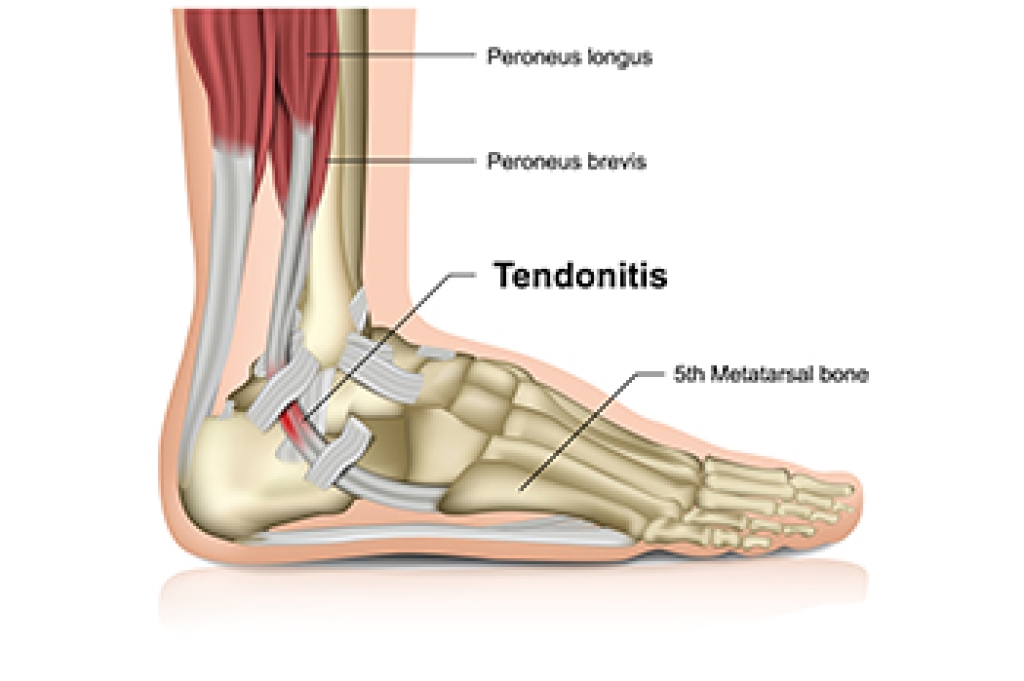
The Achilles tendon, the largest tendon in the body, connects the calf muscles to the heel bone, playing a vital role in walking, running, and jumping by facilitating the movement of the foot. Achilles tendon injuries often result from overuse, excessive strain, or sudden increases in physical activity. Causes include repetitive stress from activities like running or jumping, improper footwear, or muscle imbalances. People prone to these injuries include athletes, especially those involved in sports requiring quick changes in direction, and anyone who suddenly intensifies their exercise routines without proper conditioning. Other risk factors include age-related tendon degeneration and pre-existing conditions like diabetes or arthritis. Achilles tendon injuries can cause severe pain and discomfort. If you have sustained this type of injury, it is suggested that you promptly consult a podiatrist who can effectively treat and manage this condition.
Achilles tendon injuries need immediate attention to avoid future complications. If you have any concerns, contact Anas Khoury, DPM of North Eastern Foot & Ankle Specialists. Our doctor can provide the care you need to keep you pain-free and on your feet.
What Is the Achilles Tendon?
The Achilles tendon is a tendon that connects the lower leg muscles and calf to the heel of the foot. It is the strongest tendon in the human body and is essential for making movement possible. Because this tendon is such an integral part of the body, any injuries to it can create immense difficulties and should immediately be presented to a doctor.
What Are the Symptoms of an Achilles Tendon Injury?
There are various types of injuries that can affect the Achilles tendon. The two most common injuries are Achilles tendinitis and ruptures of the tendon.
Achilles Tendinitis Symptoms
Rupture Symptoms
Treatment and Prevention
Achilles tendon injuries are diagnosed by a thorough physical evaluation, which can include an MRI. Treatment involves rest, physical therapy, and in some cases, surgery. However, various preventative measures can be taken to avoid these injuries, such as:
If you have any questions please feel free to contact our office located in Passaic, NJ . We offer the newest diagnostic tools and technology to treat your foot and ankle needs.

Orthotics can play an important role in managing diabetic foot care, offering essential support and protection. Diabetic feet are more prone to complications due to poor circulation and nerve damage, which can lead to foot deformities, ulcers, and increased risk of infection. These issues make it vital to maintain proper foot alignment and reduce pressure on vulnerable areas. Custom orthotics are specialized shoe inserts designed to provide support, correct foot mechanics, and distribute pressure evenly across the foot. For people with diabetes, this can prevent the formation of ulcers by reducing friction and pressure on sensitive areas, thereby minimizing the risk of wounds that can lead to serious complications. Orthotics also help in managing foot deformities common in diabetes, such as Charcot foot, by providing stability and preventing further damage. Regular use of orthotics, coupled with proper foot care, can significantly improve foot health and reduce the risk of severe complications in diabetic patients. If you are a diabetic, it is strongly suggested that you include a podiatrist on your healthcare team to inspect your feet regularly, find areas in need of treatment, and provide injury prevention tips.
Custom orthotics play an important role in preventing and treating foot and ankle injuries by providing personalized support that aligns with the unique structure of each foot. These specially designed devices help correct biomechanical imbalances, reduce pressure on sensitive areas, and improve stability during movement. When the feet are properly supported, the risk of developing conditions such as plantar fasciitis, Achilles tendinitis, and ankle sprains can be significantly reduced. Custom orthotics also help relieve discomfort caused by having flat feet, high arches, or uneven leg length, which may contribute to recurring injuries or pain.
Foot and ankle injuries can develop gradually from repetitive strain or occur suddenly during physical activity. Without proper treatment, these injuries can affect mobility and overall quality of life. Orthotics work to redistribute weight evenly across the foot, allowing joints and muscles to function more efficiently. This not only supports recovery from injury but can also prevent future problems by promoting better posture and alignment throughout the lower body.
Unlike over-the-counter inserts, custom orthotics are designed based on a detailed evaluation of each patient’s foot structure, gait, and medical needs. Podiatrists use advanced imaging and diagnostic tools to create orthotics that fit precisely and provide targeted correction. Whether used in everyday footwear or athletic shoes, custom orthotics can improve comfort, enhance performance, and support long-term foot health.
If you are experiencing foot or ankle pain or have sustained an injury that has not improved with rest, it is suggested that you schedule an appointment with a podiatrist. Call our office for more information or to make an appointment.
If you have any questions, please feel free to contact our office located in Passaic, NJ .
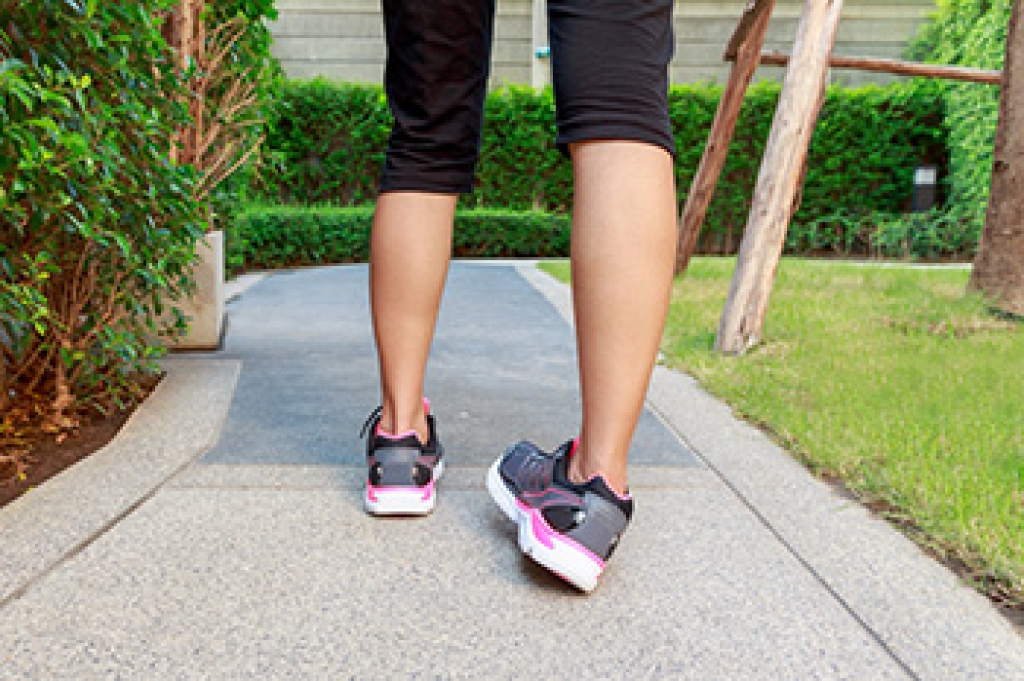
A high ankle sprain, also known as a syndesmotic sprain, involves injury to the ligaments that connect the two bones of the lower leg known as the tibia and fibula, above the ankle joint. This type of sprain is distinct from a regular ankle sprain, which affects the ligaments surrounding the ankle joint itself. Symptoms of a high ankle sprain typically include pain above the ankle, swelling, and difficulty bearing weight on the affected leg. The injury often results from activities that involve twisting or turning movements, such as in sports or accidents. Causes may include sudden, forceful rotations of the foot or direct trauma to the lower leg. If you have sprained your ankle, it is suggested that you visit a podiatrist as quickly as possible who can accurately diagnose the type of sprain, and treat it accordingly.
Although ankle sprains are common, they aren’t always minor injuries. If you need your ankle injury looked at, contact Anas Khoury, DPM from North Eastern Foot & Ankle Specialists. Our doctor can provide the care you need to keep you pain-free and on your feet.
How Does an Ankle Sprain Occur?
Ankle sprains are the result of a tear in the ligaments within the ankle. These injuries may happen when you make a rapid shifting movement while your foot is planted. A less common way to sprain your ankle is when your ankle rolls inward while your foot turns outward.
What Are the Symptoms?
Preventing a Sprain
Treatment of a Sprain
In many cases, the RICE method (Rest, Ice, Compression, and Elevate) is used to treat ankle sprains. However, you should see a podiatrist to see which treatment option would work best with your injury. In severe cases, surgery may be required.
It is important to ask your doctor about rehab options after you receive treatment for your injury. Stretching, strength training, and balance exercises may help the ankle heal while also preventing further injury.
If you have any questions, please feel free to contact our office located in Passaic, NJ . We offer the newest diagnostic and treatment technologies for all your foot care needs.
Connect With Us
