Hablamos Español

What Is Gout?

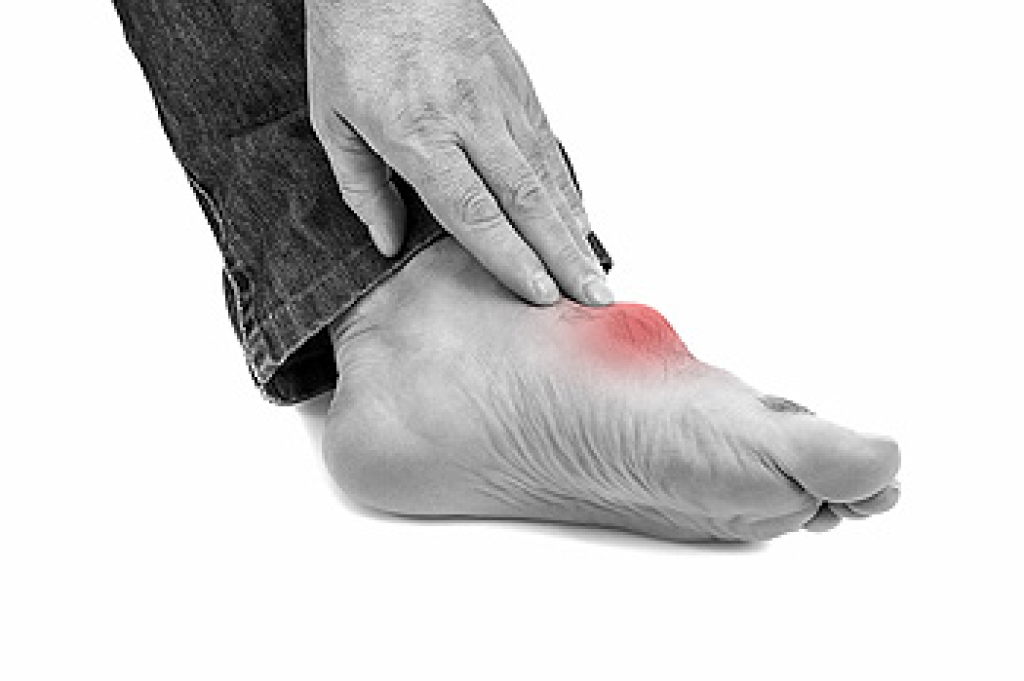
Gout is a form of inflammatory arthritis that impacts one joint at a time, usually the big toe joint, lesser toe joints, the ankle, and/or the knee. This type of arthritis is caused by a condition called hyperuricemia, where too much uric acid in the body leads to the build-up of uric acid crystals in joints, fluids, and tissues in the body. Hyperuricemia is more apt to develop in males, those who are obese, those with health conditions – such as congestive heart failure, high blood pressure, or diabetes – and those taking certain medications, like diuretics. Gout does not always develop from hyperuricemia, but if it does, it can flare up and be intensely painful (with swelling and redness). An episode of gout can have a sudden onset and last from days to weeks. Though there is no cure for gout, it can be treated and managed with proper care. If gout is suspected in the toes, a podiatrist can perform tests to confirm the diagnosis, treat it (often with medication) and help manage future bouts of the condition.

Gout is a foot condition that requires certain treatment and care. If you are seeking treatment, contact Anas Khoury, DPM from North Eastern Foot & Ankle Specialists. Our doctor will treat your foot and ankle needs.

What Is Gout?

Gout is a type of arthritis caused by a buildup of uric acid in the bloodstream. It often develops in the foot, especially the big toe area, although it can manifest in other parts of the body as well. Gout can make walking and standing very painful and is especially common in diabetics and the obese.

People typically get gout because of a poor diet. Genetic predisposition is also a factor. The children of parents who have had gout frequently have a chance of developing it themselves.

Gout can easily be identified by redness and inflammation of the big toe and the surrounding areas of the foot. Other symptoms include extreme fatigue, joint pain, and running high fevers. Sometimes corticosteroid drugs can be prescribed to treat gout, but the best way to combat this disease is to get more exercise and eat a better diet.

If you have any questions, please feel free to contact our office located in Passaic, NJ . We offer the newest diagnostic and treatment technologies for all your foot care needs.
Read more about Everything You Need to Know About Gout

Why Is Duplex Ultrasound Used to Diagnose PAD?

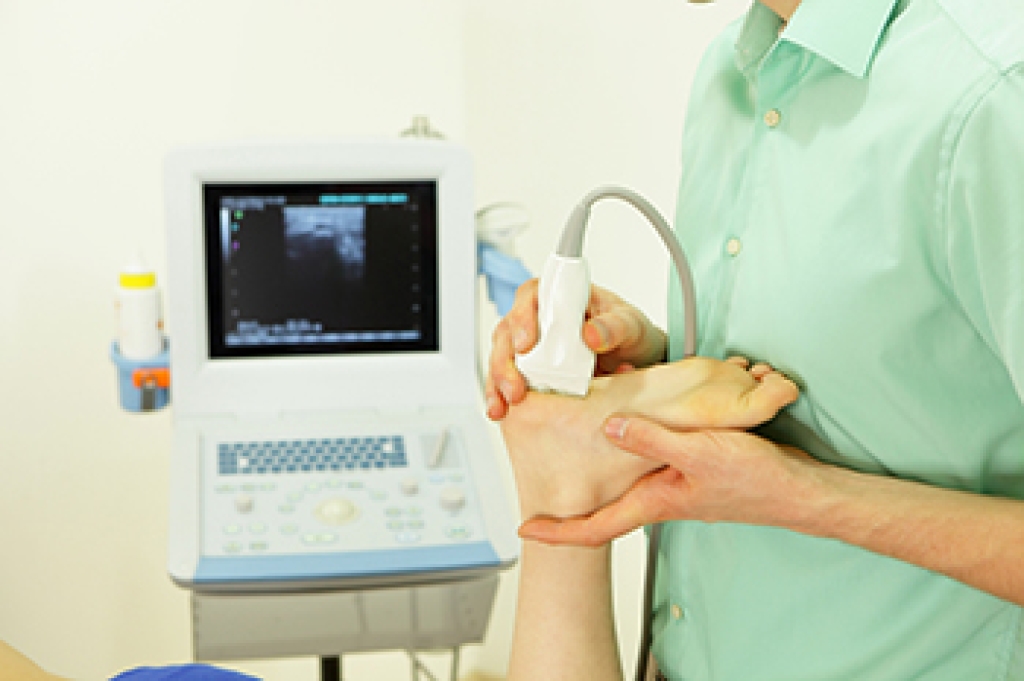
If your podiatrist suspects that you may have peripheral artery disease (PAD), they will most likely perform a vascular test called a duplex ultrasound. Duplex ultrasound uses two modes of ultrasound: 1) traditional ultrasound to create images of your blood vessels based on sound waves bouncing off them, and 2) doppler ultrasound to estimate the speed and direction of blood by recording sound waves that reflect off it as it flows. Duplex ultrasound is non-invasive and painless. Your podiatrist will spread gel on the skin of the area(s) to be tested, and then wave a transducer wand which emits the sound waves and records the echoes that are reflected. For more information about duplex ultrasound, ask your podiatrist.

Vascular testing plays an important part in diagnosing disease like peripheral artery disease. If you have symptoms of peripheral artery disease, or diabetes, consult with Anas Khoury, DPM from North Eastern Foot & Ankle Specialists. Our doctor will assess your condition and provide you with quality foot and ankle treatment.

What Is Vascular Testing?

Vascular testing checks for how well blood circulation is in the veins and arteries. This is most often done to determine and treat a patient for peripheral artery disease (PAD), stroke, and aneurysms. Podiatrists utilize vascular testing when a patient has symptoms of PAD or if they believe they might. If a patient has diabetes, a podiatrist may determine a vascular test to be prudent to check for poor blood circulation.

How Is it Conducted?

Most forms of vascular testing are non-invasive. Podiatrists will first conduct a visual inspection for any wounds, discoloration, and any abnormal signs prior to a vascular test.

 The most common tests include:

  • Ankle-Brachial Index (ABI) examination
  • Doppler examination
  • Pedal pulses

These tests are safe, painless, and easy to do. Once finished, the podiatrist can then provide a diagnosis and the best course for treatment.

If you have any questions please contact our office located in Passaic, NJ . We offer the newest diagnostic and treatment technologies for all your foot and ankle needs.

Read more about Vascular Testing in Podiatry

How to Choose Your Child’s Shoes

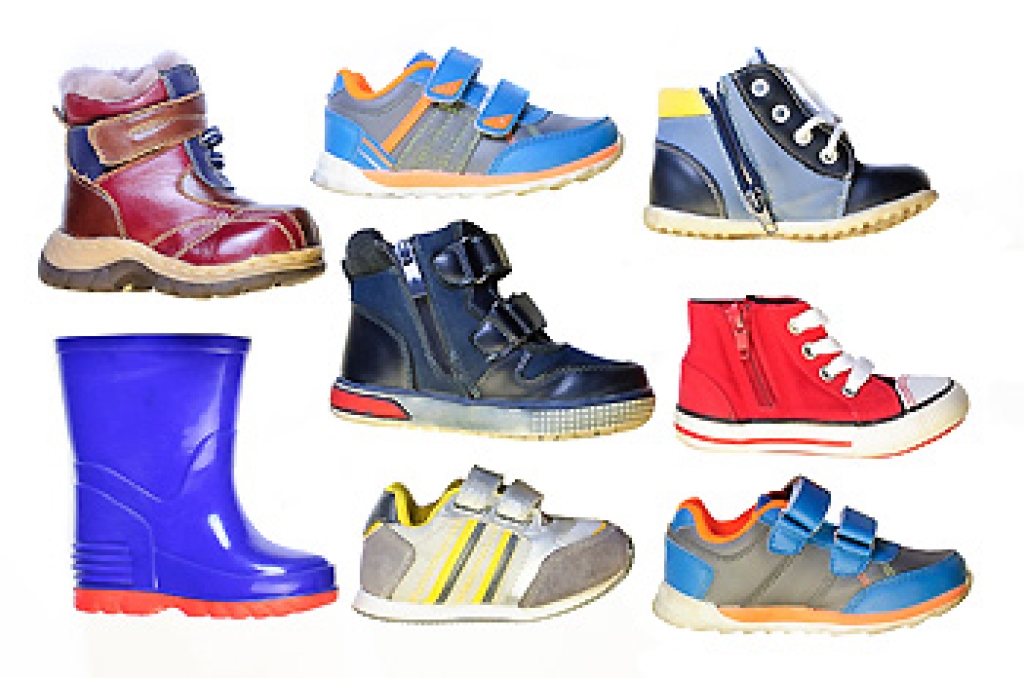
Your child’s feet will grow very quickly in the first 5 years of their life. Proper footwear during this time is very important in order to allow the bones in the feet to grow straight. When your child is just a baby, the bones in the toes are very soft, and shoes and socks that are too tight can restrict these bones from growing properly. In fact, shoes are not necessary for children until they are walking on their own, and even then, they are only needed for walking outside. It is important to also make sure that your child’s shoes are fastened with either laces or Velcro in order to keep the heel from slipping out of the shoe. Parents who have further questions about what shoes their child should be wearing as they grow can consult with a podiatrist for further advice and recommendations.  

Making sure that your children maintain good foot health is very important as they grow. If you have any questions, contact Anas Khoury, DPM of North Eastern Foot & Ankle Specialists. Our doctor can provide the care you need to keep you pain-free and on your feet.

Keeping Children's Feet Healthy

Having healthy feet during childhood can help prevent medical problems later in life, namely in the back and legs. As children grow, their feet require different types of care. Here are some things to consider...

Although babies do not walk yet, it is still very important to take care of their feet.

Avoid putting tight shoes or socks on his or her feet.

Allow the baby to stretch and kick his or her feet to feel comfortable.

As a toddler, kids are now on the move and begin to develop differently. At this age, toddlers are getting a feel for walking, so don’t be alarmed if your toddler is unsteady or ‘walks funny’. 

As your child gets older, it is important to teach them how to take care of their feet.

Show them proper hygiene to prevent infections such as fungus.

Be watchful for any pain or injury.

Have all injuries checked by a doctor as soon as possible.

Comfortable, protective shoes should always be worn, especially at play.

If you have any questions, please feel free to contact our office located in Passaic, NJ . We offer the newest diagnostic and treatment technologies for all your foot care needs.
Read more about What to Do to Keep Your Child’s Feet Healthy

Potential Achilles Tendon Injuries

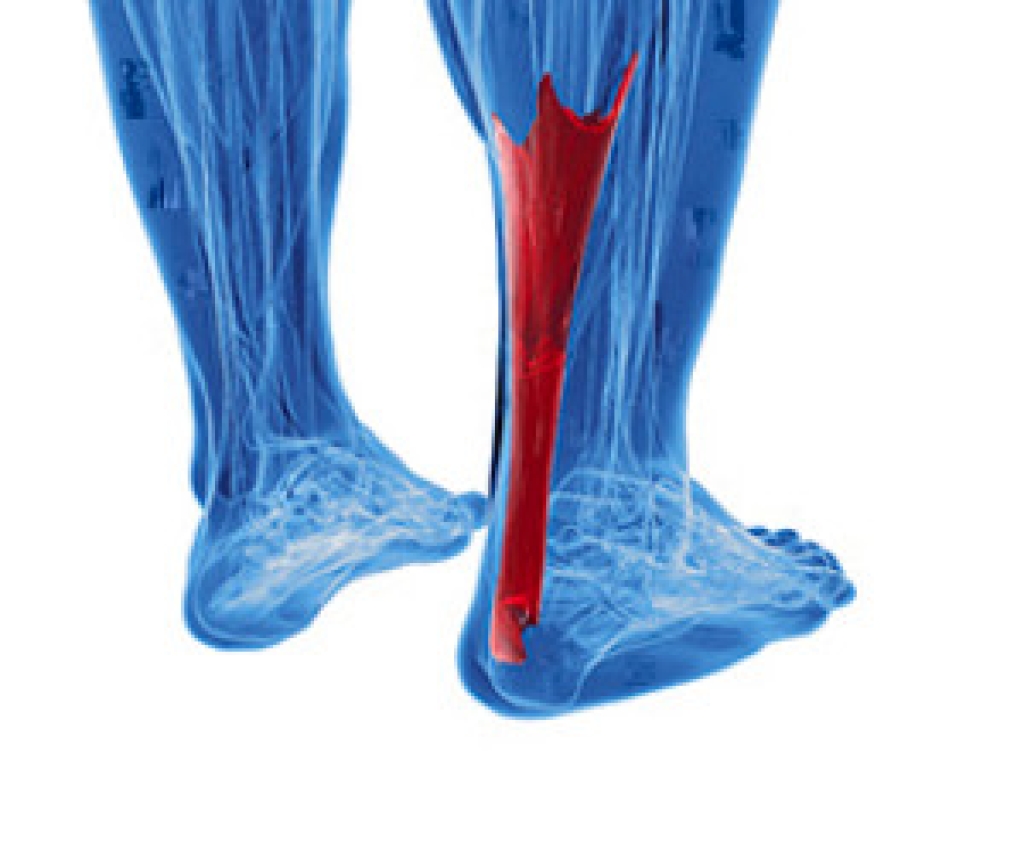
If you feel the back of your ankle, you will notice the fibrous tissue that connects the heel bone to the calf muscle. This is known as the Achilles tendon. There are two injuries that commonly affect this tendon. The first, known as Achilles tendinopathy, occurs when there is pain on the back of the heel as a result of overuse. Common signs of Achilles tendinopathy include swelling, stiffness, and pain that is worse in the morning. The second injury is an Achilles tendon rupture or tear, which commonly occurs as a result of jumping and pivoting with a lot of force. This causes the tendon to overstretch and eventually tear. Anyone who tears their Achilles tendon will notice a severe pain and a loss of both movement and strength in the tendon. If you are experiencing pain or swelling in your Achilles tendon, it is suggested that you consult with a podiatrist who can help provide a treatment option for injuries as well as ways to prevent a rupture.

Achilles tendon injuries need immediate attention to avoid future complications. If you have any concerns, contact Anas Khoury, DPM of North Eastern Foot & Ankle Specialists. Our doctor can provide the care you need to keep you pain-free and on your feet.

What Is the Achilles Tendon?

The Achilles tendon is a tendon that connects the lower leg muscles and calf to the heel of the foot. It is the strongest tendon in the human body and is essential for making movement possible. Because this tendon is such an integral part of the body, any injuries to it can create immense difficulties and should immediately be presented to a doctor.

What Are the Symptoms of an Achilles Tendon Injury?

There are various types of injuries that can affect the Achilles tendon. The two most common injuries are Achilles tendinitis and ruptures of the tendon.

Achilles Tendinitis Symptoms

  • Inflammation
  • Dull to severe pain
  • Increased blood flow to the tendon
  • Thickening of the tendon

Rupture Symptoms

  • Extreme pain and swelling in the foot
  • Total immobility

Treatment and Prevention

Achilles tendon injuries are diagnosed by a thorough physical evaluation, which can include an MRI. Treatment involves rest, physical therapy, and in some cases, surgery. However, various preventative measures can be taken to avoid these injuries, such as:

  • Thorough stretching of the tendon before and after exercise
  • Strengthening exercises like calf raises, squats, leg curls, leg extensions, leg raises, lunges, and leg presses

If you have any questions please feel free to contact our office located in Passaic, NJ . We offer the newest diagnostic tools and technology to treat your foot and ankle needs.

Read more about What are Achilles Tendon Injuries

Musculoskeletal Problems in Rheumatoid Arthritis

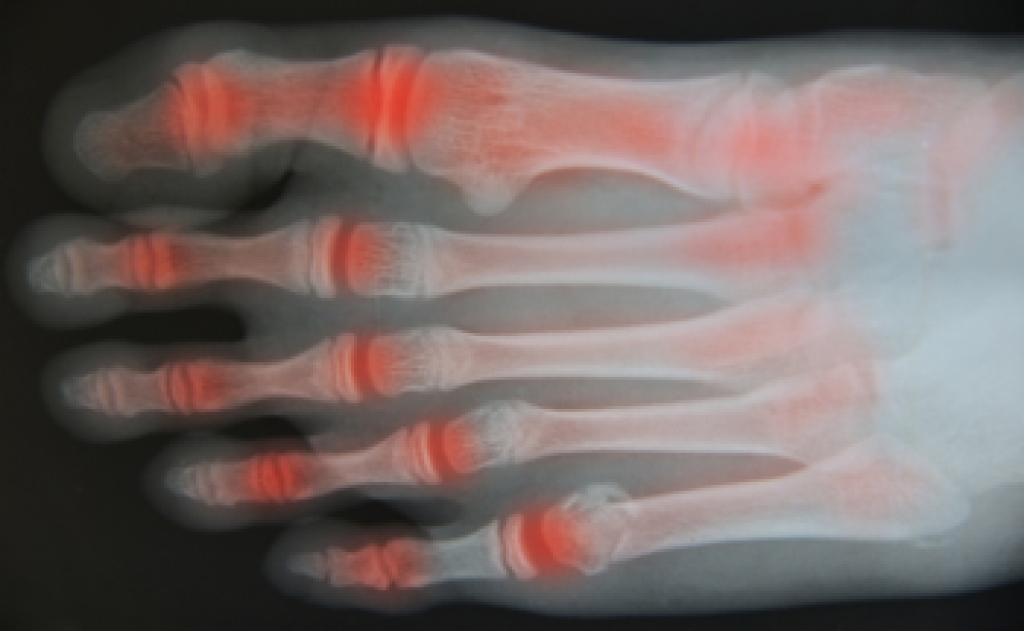
Rheumatoid arthritis (RA) is an autoimmune disease in which the body’s own immune system attacks and destroys otherwise healthy cells in the lining of the joints. There are several groups of joints in the lower limbs that are frequently affected by RA. The interphalangeal joints, which are located between the bones that make up the toes, and the metatarsophalangeal joints, which connect your toe bones to the rest of your foot, can become stiff, swollen, and inflamed. Hammertoes or claw toes may develop over time, keeping the toes bent at uncomfortable angles. The subtalar joint, located between the heel bone and the bone that connects your foot to your leg, and the ankle joints, can also become stiff, restricting the range of motion in your feet and ankles. If you have RA, it is suggested that you seek the ongoing care of a podiatrist.

Because RA affects more than just your joints, including the joints in your feet and ankles, it is important to seek early diagnosis from your podiatrist if you feel like the pain in your feet might be caused by RA. For more information, contact Anas Khoury, DPM of North Eastern Foot & Ankle Specialists. Our doctor will assist you with all of your podiatric concerns.

What Is Rheumatoid Arthritis?

Rheumatoid Arthritis (RA) is an autoimmune disorder in which the body’s own immune system attacks the membranes surrounding the joints. Inflammation of the lining and eventually the destruction of the joint’s cartilage and bone occur, causing severe pain and immobility.

Rheumatoid Arthritis of the Feet

Although RA usually attacks multiple bones and joints throughout the entire body, almost 90 percent of cases result in pain in the foot or ankle area.

Symptoms

  • Swelling and pain in the feet
  • Stiffness in the feet
  • Pain on the ball or sole of feet
  • Joint shift and deformation

Diagnosis

Quick diagnosis of RA in the feet is important so that the podiatrist can treat the area effectively. Your doctor will ask you about your medical history, occupation, and lifestyle to determine the origin of the condition. Rheumatoid Factor tests help to determine if someone is affected by the disease.

If you have any questions, please feel free to contact our office located in Passaic, NJ . We offer the newest diagnostic and treatment technologies for all your foot care needs.
Read more about Rheumatoid Arthritis in the Feet

Connect With Us