Hablamos Español

Where Are Seed Corns Found?

Corns on the feet develop as a result of excess pressure that is generally caused by the shoes that are worn. There may also be existing medical conditions that can lead to getting a corn, including hammer toe and bunions. Corns can cause extreme pain and discomfort, despite their small size. They are defined as small areas of hardened skin that forms on top of the toes, or on the side of the pinky toe. Additionally, corns may form on the soles of the feet, and they are referred to as seed corns. This type of corn is often associated with having dry skin, and may be found in clusters on the bottom of the feet. Applying a good moisturizer may help to keep the skin soft, and can possibly reduce the number of seed corns that can develop. Shoes may be difficult to wear, which may be from the weight the feet endure while walking or standing. Many patients have found temporary relief when their foot is soaked in warm water, and from wearing shoes and socks that fit correctly. Corns that will not diminish or disappear is often a reason a podiatrist is contacted. If this applies to you, please consult this type of doctor who can effectively treat corns on the feet.

Corns can make walking very painful and should be treated immediately. If you have questions regarding your feet and ankles, contact Anas Khoury, DPM of North Eastern Foot & Ankle Specialists. Our doctor will treat your foot and ankle needs.

Corns: What Are They? And How Do You Get Rid of Them?
Corns are thickened areas on the skin that can become painful. They are caused by excessive pressure and friction on the skin. Corns press into the deeper layers of the skin and are usually round in shape.

Ways to Prevent Corns
There are many ways to get rid of painful corns such as:

  • Wearing properly fitting shoes that have been measured by a professional
  • Wearing shoes that are not sharply pointed or have high heels
  • Wearing only shoes that offer support

Treating Corns

Although most corns slowly disappear when the friction or pressure stops, this isn’t always the case. Consult with your podiatrist to determine the best treatment option for your case of corns.

If you have any questions, please feel free to contact our office located in Passaic, NJ . We offer the newest diagnostic and treatment technologies for all your foot care needs.
Read more about Understanding Corns and Calluses

Does Foot Swelling Go Away After Pregnancy?

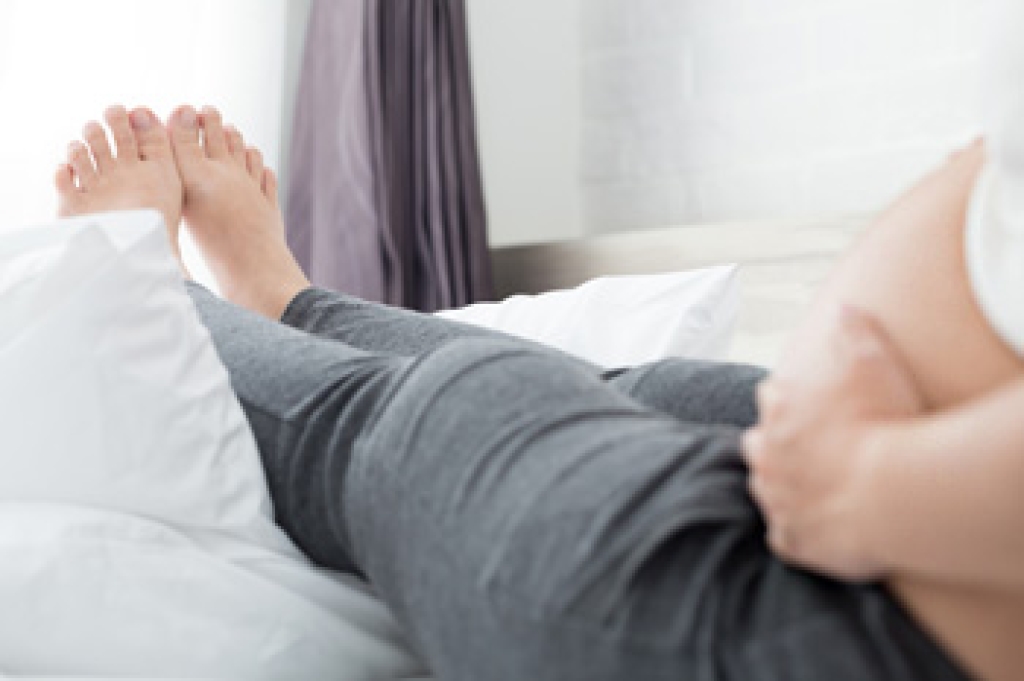
One well-known symptom of being pregnant is having feet that are increased in size. There are many different reasons why this phenomenon occurs. For example, pregnancy can cause swelling in the feet, which will increase the feet in size. Additionally, certain hormones released during pregnancy relax ligaments, which can ultimately result in the spreading of the foot bones. Many pregnant women will often want to know whether or not this increase in foot size is permanent. The answer might not be straightforward. The reason for this is that although foot swelling can eventually subside within a month following the birth of the baby, the spreading of the foot could potentially be longer lasting. If you are pregnant or are planning to be, it is suggested that you contact a podiatrist to help manage the health of your feet during your pregnancy.  

Pregnant women with swollen feet can be treated with a variety of different methods that are readily available. For more information about other cures for swollen feet during pregnancy, consult with Anas Khoury, DPM from North Eastern Foot & Ankle Specialists. Our doctor will attend to all of your foot and ankle needs.

What Foot Problems Can Arise During Pregnancy?

One problem that can occur is overpronation, which occurs when the arch of the foot flattens and tends to roll inward.  This can cause pain and discomfort in your heels while you’re walking or even just standing up, trying to support your baby.  

Another problem is edema, or swelling in the extremities. This often affects the feet during pregnancy but tends to occur in the later stages. 

How Can I Keep My Feet Healthy During Pregnancy?

  • Wearing orthotics can provide extra support for the feet and help distribute weight evenly
  • Minimize the amount of time spent walking barefoot
  • Wear shoes with good arch support
  • Wear shoes that allow for good circulation to the feet
  • Elevate feet if you experience swelling
  • Massage your feet
  • Get regular, light exercise, such as walking, to promote blood circulation to the feet

If you have any questions, please feel free to contact our office located in Passaic, NJ . We offer the newest diagnostic and treatment technologies for all your foot care needs.
Read more about Foot Care for Pregnant Women

Are Bunions Affecting Your Everyday Life?

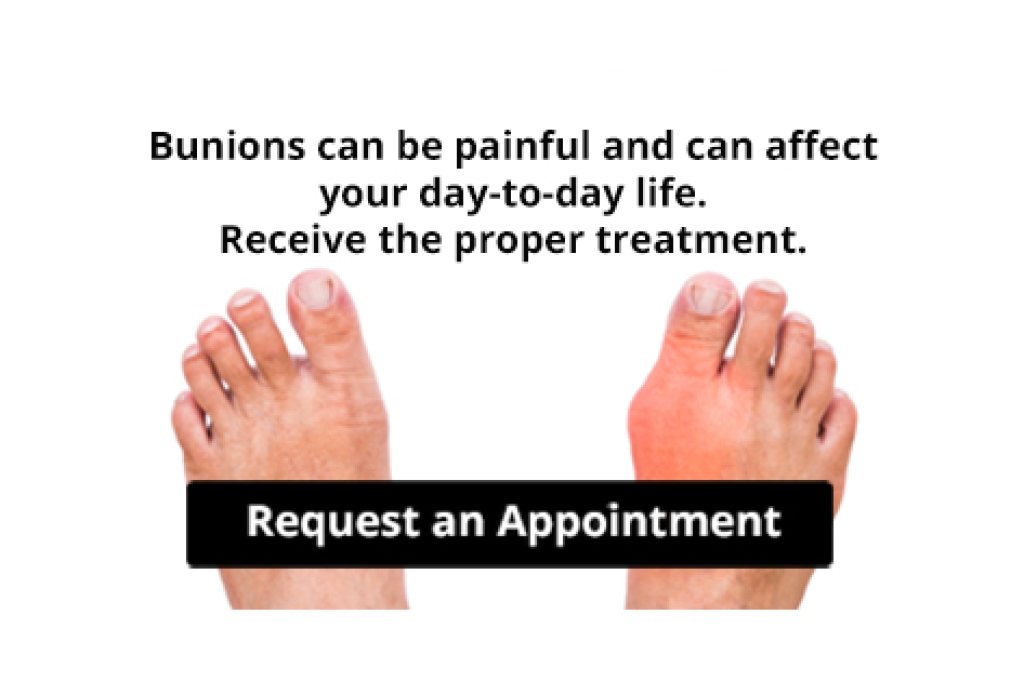
Have you noticed a bony protrusion on the side of your big toe? If so, you may have developed the foot condition known as a bunion. Don't let bunions interfere with your daily activities.

What Is Gout Caused By?

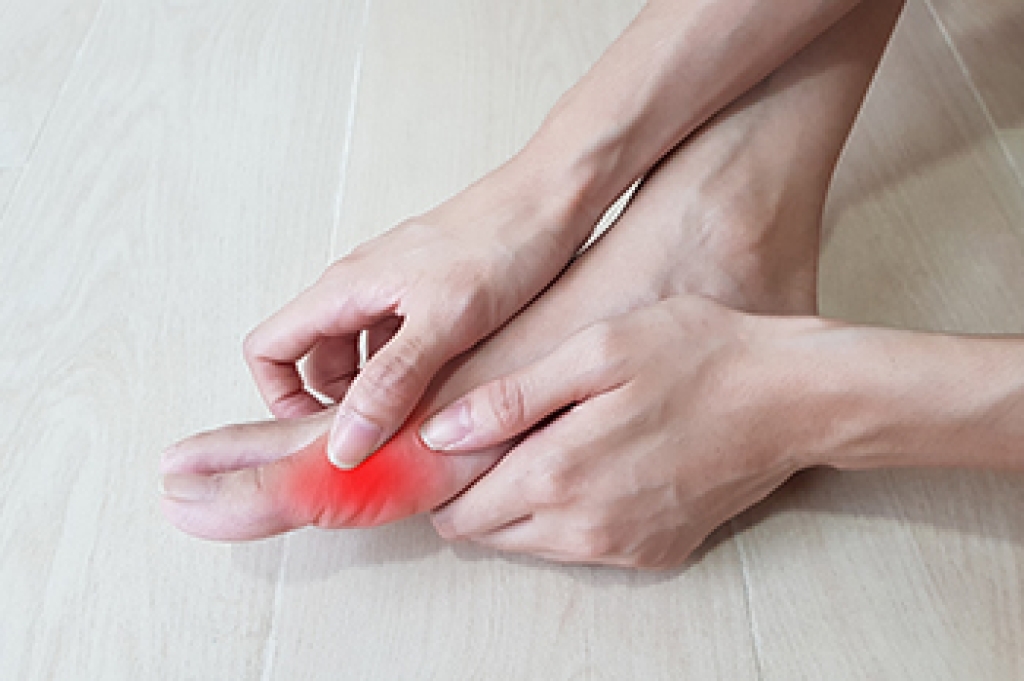
Gout is a painful foot condition. People who are afflicted with gout may find the pain so debilitating that walking may temporarily become difficult, if not impossible to do. It is a form of arthritis that is caused by excess uric acid in the blood. This can convert into crystals that lodge in the joints of the big toe. In addition to the intense pain, common symptoms can include swelling, redness, and the affected area may feel warm when touched. Frequently eating certain types of foods may lead to gout, including shellfish, red meat, and drinks that are made with large amounts of sugar. Controlling the frequency of gout attacks may be accomplished by implementing healthy eating habits into the daily regime, and engaging in a gentle exercise program. Additionally, it can be beneficial to drink plenty of water and limit the number of foods with high levels of purines that may convert to uric acid. If you have had one or several gout attacks, it is strongly suggested that you are under the care of a podiatrist who can help you to manage this painful condition.

Gout is a foot condition that requires certain treatment and care. If you are seeking treatment, contact Anas Khoury, DPM from North Eastern Foot & Ankle Specialists. Our doctor will treat your foot and ankle needs.

What Is Gout?

Gout is a type of arthritis caused by a buildup of uric acid in the bloodstream. It often develops in the foot, especially the big toe area, although it can manifest in other parts of the body as well. Gout can make walking and standing very painful and is especially common in diabetics and the obese.

People typically get gout because of a poor diet. Genetic predisposition is also a factor. The children of parents who have had gout frequently have a chance of developing it themselves.

Gout can easily be identified by redness and inflammation of the big toe and the surrounding areas of the foot. Other symptoms include extreme fatigue, joint pain, and running high fevers. Sometimes corticosteroid drugs can be prescribed to treat gout, but the best way to combat this disease is to get more exercise and eat a better diet.

If you have any questions, please feel free to contact our office located in Passaic, NJ . We offer the newest diagnostic and treatment technologies for all your foot care needs.
Read more about Everything You Need to Know About Gout

Does Shockwave Therapy Help With Plantar Fasciitis?

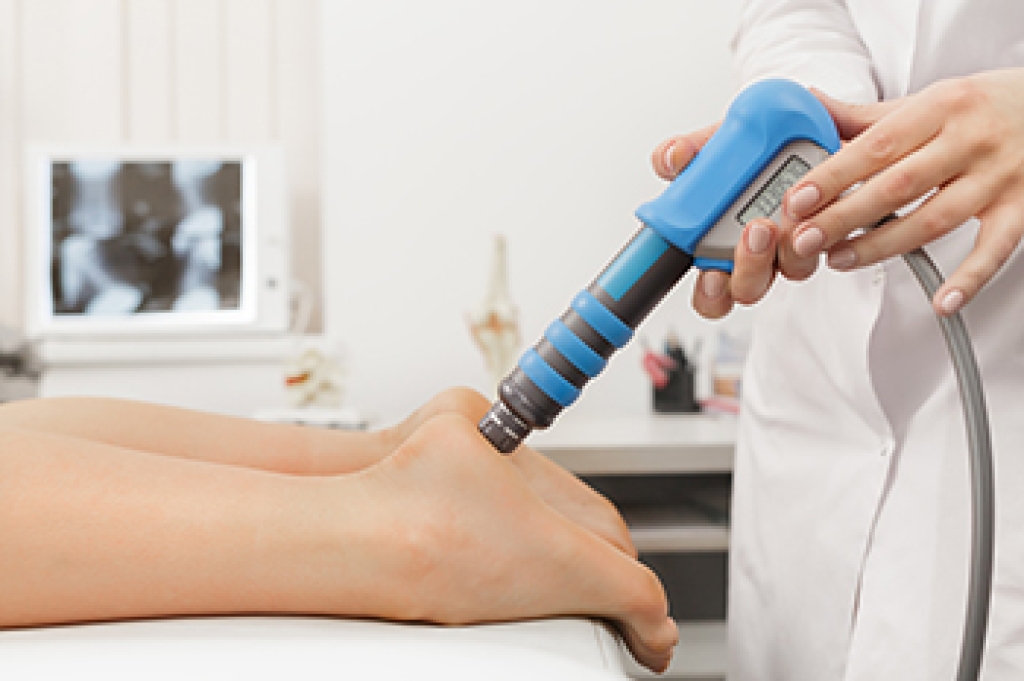
Plantar fasciitis is an annoyingly painful condition where the plantar fascia running along the sole of the foot becomes inflamed or sustains microtears. Shock wave therapy uses pressurized air or electromagnetic pulses to deliver ultrasound energy to the feet. There are low and high-energy shock wave treatments. The low-energy treatments are given in a series of three or more sessions. These can be mildly painful if there is any pain at all. High-energy shock wave treatments are given in one session and can be quite painful, sometimes requiring anesthesia. Either treatment is thought to work by inducing microtrauma in the affected tissue. This initiates healing by causing blood vessel formation and increased delivery of nutrients to the affected area. New shockwave treatments are under continued development and reports differ on their success. If you are interested in finding out more about shockwave therapy for persistent plantar fasciitis, see a podiatrist who can help you determine if this is a treatment that may be right for you.

Shockwave therapy is a treatment commonly used to treat various injuries and conditions, particularly plantar fasciitis in the feet. To learn more, consult with Anas Khoury, DPM from North Eastern Foot & Ankle Specialists. Our doctor can provide the care you need to keep you pain-free and on your feet.

Shockwave Therapy

Shockwave therapy is a new treatment option designed to treat bone conditions such as tennis elbow, shoulder pain, and others. Shockwave therapy uses high intensity sound waves that are directed to the affected tissues of the body with pinpoint accuracy. The effects are very beneficial, leading to a production of collagen fibers, eliminating inflammation.

Who Benefits from Shockwave?

Shockwave is recommended for patients suffering from heel pain and associated problems. Heel pain is a common condition which can be caused by obesity, overexertion, and spending a substantial amount of time on hard floors with your feet exposed and unsupported.

Fast and Easy

The therapy is actually a simple process that can leave patients feeling better the very next day. Shockwave therapy is not as dramatic as it sounds. It enables more blood flow to effected areas, addressing the source of the problem and allowing treatment to last for a long time.

Treatment & Recovery Time

Shockwave treatment will enable your feet to recover quickly. This is especially important since surgery is not required. It is cost effective and does not require the use of anesthesia. This treatment is a better option to surgery, since it is proven safe.

If you have any questions, please feel free to contact our office located in Passaic, NJ . We offer the newest diagnostic and treatment technologies for all your foot care needs.

Read more about Treating Heel Pain with Shockwave Therapy

Connect With Us