Hablamos Español

Understanding Foot Puncture Wounds

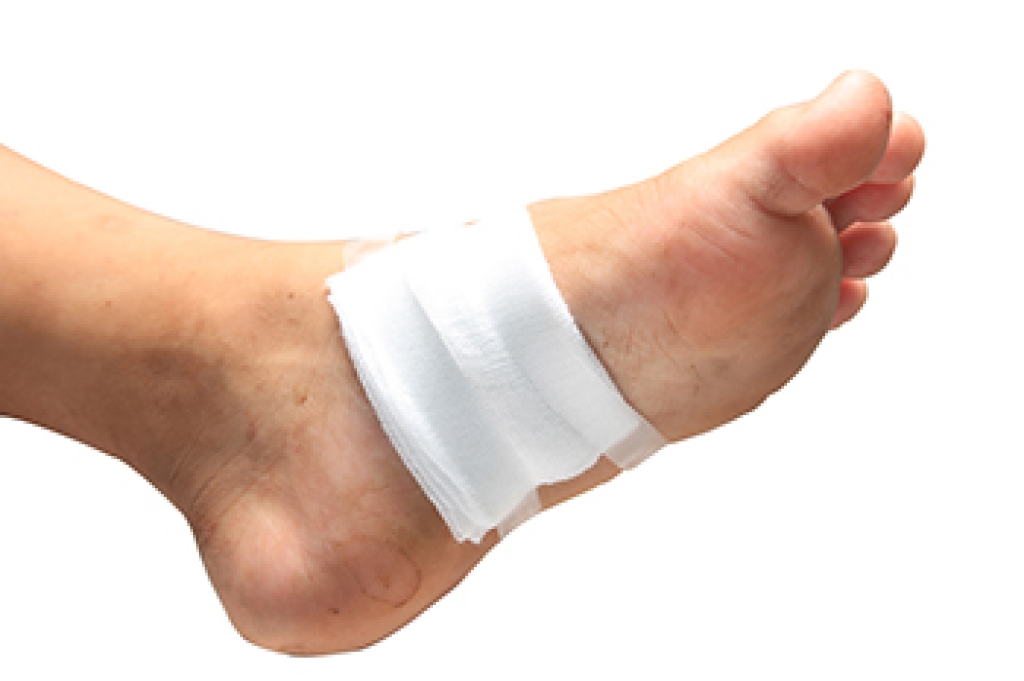
A foot puncture wound is a deep injury caused by a sharp object piercing the skin and underlying tissues. Unlike surface cuts, these wounds can introduce bacteria deep into the foot, increasing the risk of infection. Common causes include stepping on nails, glass, splinters, or sharp metal objects, often in outdoor or workplace settings. Symptoms may include immediate pain, swelling, redness, and bleeding at the injury site. If an infection develops, additional signs such as warmth, pus, or increased pain may occur. In some cases, a foreign object may remain embedded in the wound, leading to prolonged discomfort. If you have a puncture wound on your foot, it is suggested that you promptly consult a podiatrist who can offer appropriate treatment remedies.

Wound care is an important part in dealing with diabetes. If you have diabetes and a foot wound or would like more information about wound care for diabetics, consult with Anas Khoury, DPM from North Eastern Foot & Ankle Specialists. Our doctor will assess your condition and provide you with quality foot and ankle treatment.

What Is Wound Care?

Wound care is the practice of taking proper care of a wound. This can range from the smallest to the largest of wounds. While everyone can benefit from proper wound care, it is much more important for diabetics. Diabetics often suffer from poor blood circulation which causes wounds to heal much slower than they would in a non-diabetic. 

What Is the Importance of Wound Care?

While it may not seem apparent with small ulcers on the foot, for diabetics, any size ulcer can become infected. Diabetics often also suffer from neuropathy, or nerve loss. This means they might not even feel when they have an ulcer on their foot. If the wound becomes severely infected, amputation may be necessary. Therefore, it is of the upmost importance to properly care for any and all foot wounds.

How to Care for Wounds

The best way to care for foot wounds is to prevent them. For diabetics, this means daily inspections of the feet for any signs of abnormalities or ulcers. It is also recommended to see a podiatrist several times a year for a foot inspection. If you do have an ulcer, run the wound under water to clear dirt from the wound; then apply antibiotic ointment to the wound and cover with a bandage. Bandages should be changed daily and keeping pressure off the wound is smart. It is advised to see a podiatrist, who can keep an eye on it.

If you have any questions please contact our office located in Passaic, NJ . We offer the newest diagnostic and treatment technologies for all your foot and ankle needs.

Read more about Wound Care

Surgery for Ingrown Toenails

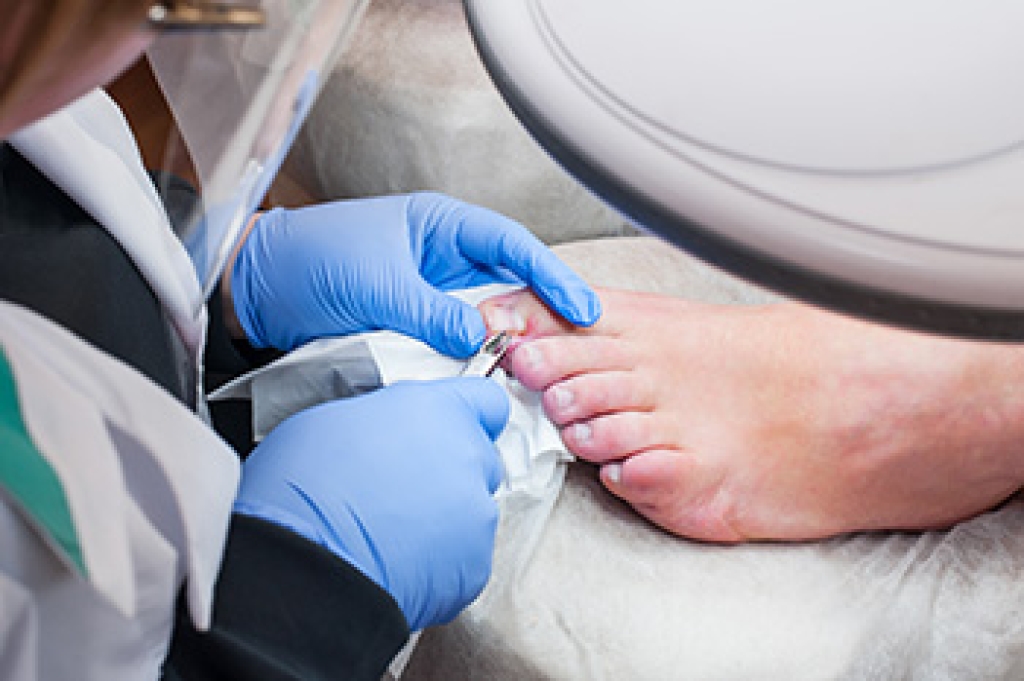
When an ingrown toenail becomes severe, surgery may be necessary to relieve pain and prevent infection. A podiatrist can perform different types of ingrown toenail surgery based on the severity of the condition. Partial nail avulsion surgery involves removing the part of the nail that is growing into the skin while preserving the healthier portion of the nail. In more severe cases, a total nail avulsion may be required, in which the entire nail is removed. To reduce the chance of recurrence, a podiatrist may perform a matrixectomy. This procedure destroys part or all of the nail matrix to prevent regrowth in the affected area. Ingrown toenail surgeries are typically performed at the podiatrist’s office setting with local anesthesia to minimize discomfort. Afterward, patients receive guidance on keeping the area clean and monitoring for any signs of infection. Addressing an ingrown toenail early can help prevent complications such as persistent pain, swelling, and drainage. If you are suffering from a severely ingrown toenail, it is suggested that you schedule an appointment with a podiatrist to find out if surgery is right for you.

Foot surgery is sometimes necessary to treat a foot ailment. To learn more, contact Anas Khoury, DPM of North Eastern Foot & Ankle Specialists. Our doctor will assist you with all of your foot and ankle needs.

When Is Surgery Necessary?

Foot and ankle surgery is generally reserved for cases in which less invasive, conservative procedures have failed to alleviate the problem. Some of the cases in which surgery may be necessary include:

  • Removing foot deformities like bunions and bone spurs
  • Severe arthritis that has caused bone issues
  • Cosmetic reconstruction

What Types of Surgery Are There?

The type of surgery you receive will depend on the nature of the problem you have. Some of the possible surgeries include:

  • Bunionectomy for painful bunions
  • Surgical fusion for realignment of bones
  • Neuropathy decompression surgery to treat nerve damage

Benefits of Surgery

Although surgery is usually a last resort, it can provide more complete pain relief compared to non-surgical methods and may allow you to finally resume full activity.

Surgical techniques have also become increasingly sophisticated. Techniques like endoscopic surgery allow for smaller incisions and faster recovery times.

If you have any questions, please feel free to contact our office located in Passaic, NJ . We offer the newest diagnostic and treatment technologies for all your foot care needs.

Read more about Foot and Ankle Surgery

Foot Stress Fracture Versus Tendonitis

Foot stress fractures and tendonitis are both common foot injuries, but they have distinct differences. A stress fracture is a small crack in the bone caused by repetitive force or overuse. It typically occurs in athletes or individuals who increase their physical activity suddenly. Symptoms of a stress fracture include localized pain that worsens with activity and improves with rest. Tendonitis is inflammation of the tendons, often caused by overuse or wearing improper footwear. This condition leads to pain, swelling, and tenderness surrounding the affected tendon, usually felt during or after activity. While both conditions cause foot pain, a stress fracture will usually cause sharp, focused pain in the bone, while tendonitis presents with more diffuse pain around the tendon area. If you have foot pain, it is suggested that you promptly consult a podiatrist who can provide a proper diagnosis and treatment. 

Stress fractures occur when there is a tiny crack within a bone. To learn more, contact Anas Khoury, DPM from North Eastern Foot & Ankle Specialists. Our doctor can provide the care you need to keep you pain free and on your feet.

How Are They Caused?

Stress fractures are the result of repetitive force being placed on the bone. Since the lower leg and feet often carry most of the body’s weight, stress fractures are likely to occur in these areas. If you rush into a new exercise, you are more likely to develop a stress fracture since you are starting too much, too soon.  Pain resulting from stress fractures may go unnoticed at first, however it may start to worsen over time.

Risk Factors

  • Gender – They are more commonly found in women compared to men.
  • Foot Problems – People with unusual arches in their feet are more likely to develop stress fractures.
  • Certain Sports – Dancers, gymnasts, tennis players, runners, and basketball players are more likely to develop stress fractures.
  • Lack of Nutrients – A lack of vitamin D and calcium may weaken the bones and make you more prone to stress fractures
  • Weak Bones – Osteoporosis can weaken the bones therefore resulting in stress fractures

Stress fractures do not always heal properly, so it is important that you seek help from a podiatrist if you suspect you may have one. Ignoring your stress fracture may cause it to worsen, and you may develop chronic pain as well as additional fractures.

If you have any questions please contact our office located in Passaic, NJ . We offer the newest diagnostic and treatment technologies for all your foot and ankle needs.

Read more about Stress Fractures of the Foot and Ankle

Wounds That Don't Heal Need to Be Checked

Your feet are covered most of the day. If you're diabetic, periodic screening is important for good health. Numbness is often a sign of diabetic foot and can mask a sore or wound.

Struggling With Heel Pain? Custom Orthotics Can Help

Struggling with heel pain? Discover the relief Custom Orthotics can bring. Customized to your foot's unique structure, Custom Orthotics offer targeted support, alleviating pressure points and redistributing weight. This means reduced heel pain and a more comfortable step, every time. Whether you're walking, working, or working out, Custom Orthotics ensure your heels feel cushioned and cared for. Experience the transformative power of Custom Orthotics with us today! Call today for more information.

Connect With Us