Hablamos Español

Three Types of Exercise May Help Patients With Arthritis in the Feet

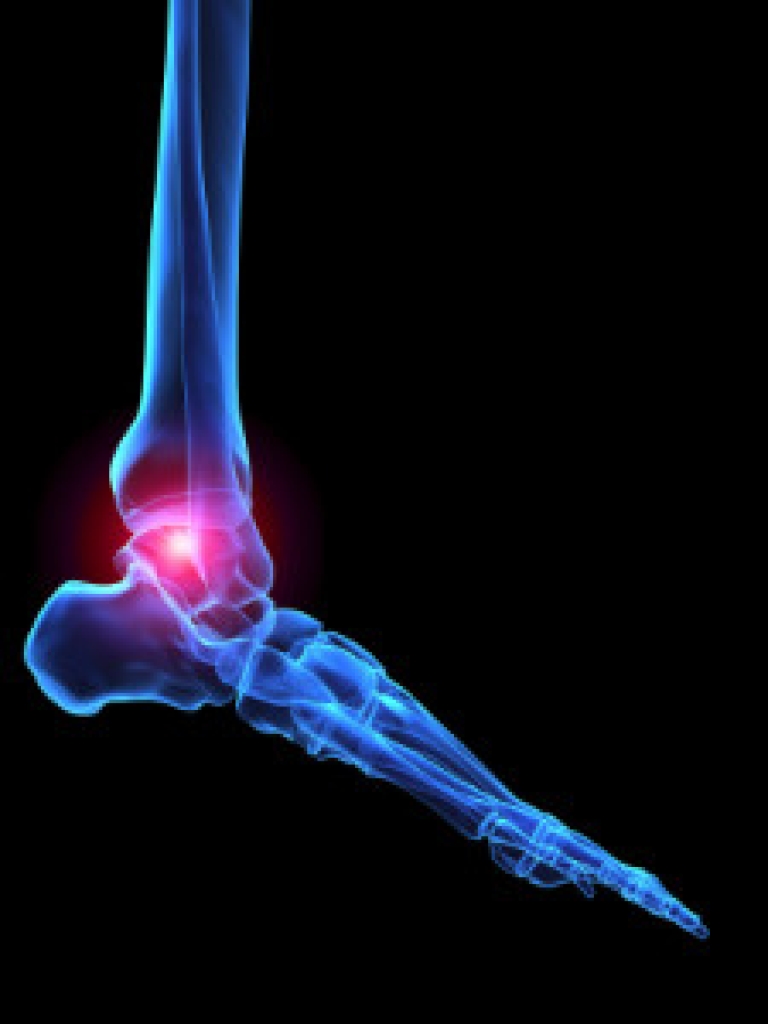
The most common type of arthritis is known as osteoarthritis. It can develop in the feet and ankles and may cause severe pain and discomfort. The big toe is mostly affected by this type of arthritis. Shape and structure may change in addition to possibly causing damage to the cartilage. This can produce swelling as the bones rub against each other. Patients who have sustained an ankle injury may be prone to developing arthritis in the feet which may contribute to the development of other foot conditions including bunions, corns, and calluses. Starting a regular exercise routine may provide mild relief to the foot by strengthening the muscles and tendons. Research has indicated it is beneficial to incorporate three types of exercise into your daily routine. These can consist of aerobic exercises that can increase the heart rate, in addition to stretching and strengthening moves that can improve range of motion. If you are afflicted with arthritis in the feet, it is strongly advised that you consult with a podiatrist who can help you to manage this condition.

Arthritis can be a difficult condition to live with. If you are seeking treatment, contact Anas Khoury, DPM from North Eastern Foot & Ankle Specialists. Our doctor can provide the care you need to keep you pain-free and on your feet.

Arthritic Foot Care  

Arthritis is a joint disorder that involves the inflammation of different joints in your body, such as those in your feet. Arthritis is often caused by a degenerative joint disease and causes mild to severe pain in all affected areas. In addition to this, swelling and stiffness in the affected joints can also be a common symptom of arthritis.

In many cases, wearing ill-fitting shoes can worsen the effects and pain of arthritis. Wearing shoes that have a lower heel and extra room can help your feet feel more comfortable. In cases of rheumatoid arthritis, the arch in your foot may become problematic. Buying shoes with proper arch support that contour to your feet can help immensely.

Alleviating Arthritic Pain

  • Exercises that stretch the foot can prevent further pain and injury and increase mobility
  • Most of the pain can be alleviated with anti-inflammatory drugs, heat, and topical medications
  • Massages can help temporarily alleviate pain.

It is best to see your doctor for the treatment that is right for your needs and symptoms. Conditions vary, and a podiatrist can help you determine the right method of care for your feet.

If you have any questions please feel free to contact our office located in Passaic, NJ . We offer the newest diagnostic tools and technology to treat your foot and ankle needs.
Read more about Arthritic Foot Care

Grades of Ankle Sprains

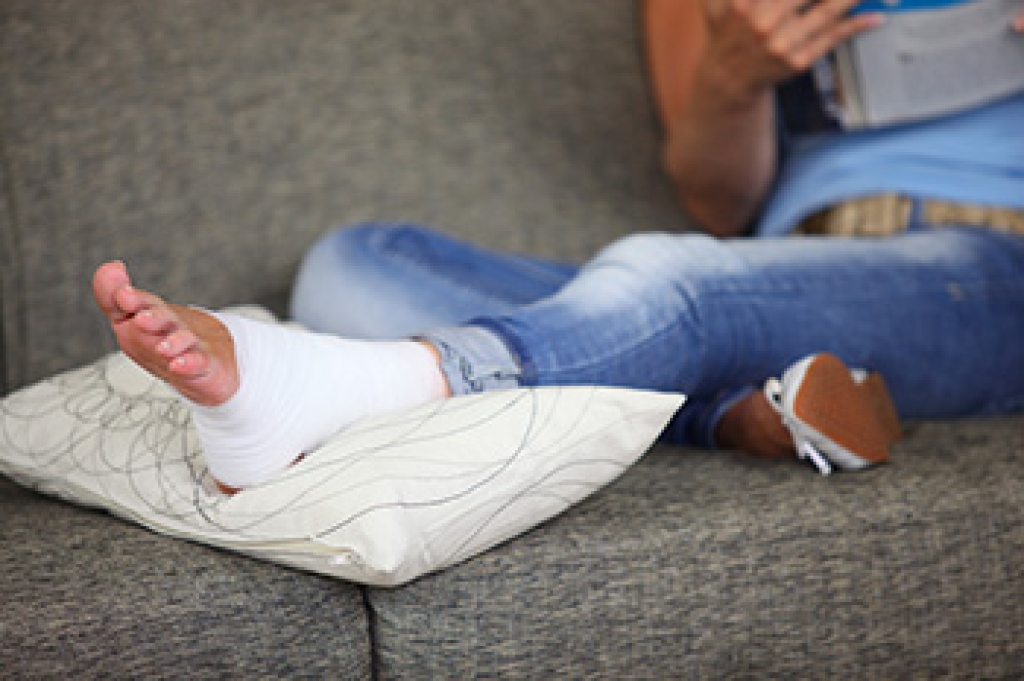
One of the most common types of injury that can happen to athletes and non-athletes are ankle sprains. They happen as a result of twisting, turning, or rolling the ankle beyond its normal range of motion. Some people will unexpectedly step off of a curb, and twist their ankle leading to an ankle sprain. Immediate symptoms can consist of bruising, swelling, and it is often difficult to walk. Most ankle sprains fall in one of three categories. A grade one sprain can apply to mild sprains, where there is a slight tearing of the ligaments. Walking on this type of ankle sprain is possible. A more severe sprain can be classified as a grade two sprain, and the affected ankle is tender when touched. When the ankle undergoes a complete tear, a grade three sprain has occurred. Intense pain often accompanies this type of sprain. It is advised that ankle sprains be treated immediately, regardless of the type of sprain. Please consult with a podiatrist who can properly diagnose ankle sprains, and provide you with correct treatment techniques.

Although ankle sprains are common, they aren’t always minor injuries. If you need your ankle injury looked at, contact Anas Khoury, DPM from North Eastern Foot & Ankle Specialists. Our doctor can provide the care you need to keep you pain-free and on your feet.

How Does an Ankle Sprain Occur?

Ankle sprains are the result of a tear in the ligaments within the ankle. These injuries may happen when you make a rapid shifting movement while your foot is planted. A less common way to sprain your ankle is when your ankle rolls inward while your foot turns outward.

What Are the Symptoms?

  • Pain at the sight of the tear
  • Bruising/Swelling
  • Ankle area is tender to touch
  • In severe cases, may hear/feel something tear
  • Skin discoloration

Preventing a Sprain

  • Wearing appropriate shoes for the occasion
  • Stretching before exercises and sports
  • Knowing your limits

Treatment of a Sprain

In many cases, the RICE method (Rest, Ice, Compression, and Elevate) is used to treat ankle sprains. However, you should see a podiatrist to see which treatment option would work best with your injury. In severe cases, surgery may be required.

It is important to ask your doctor about rehab options after you receive treatment for your injury. Stretching, strength training, and balance exercises may help the ankle heal while also preventing further injury.

If you have any questions, please feel free to contact our office located in Passaic, NJ . We offer the newest diagnostic and treatment technologies for all your foot care needs.

Read more about Ankle Sprains

Peripheral Artery Disease

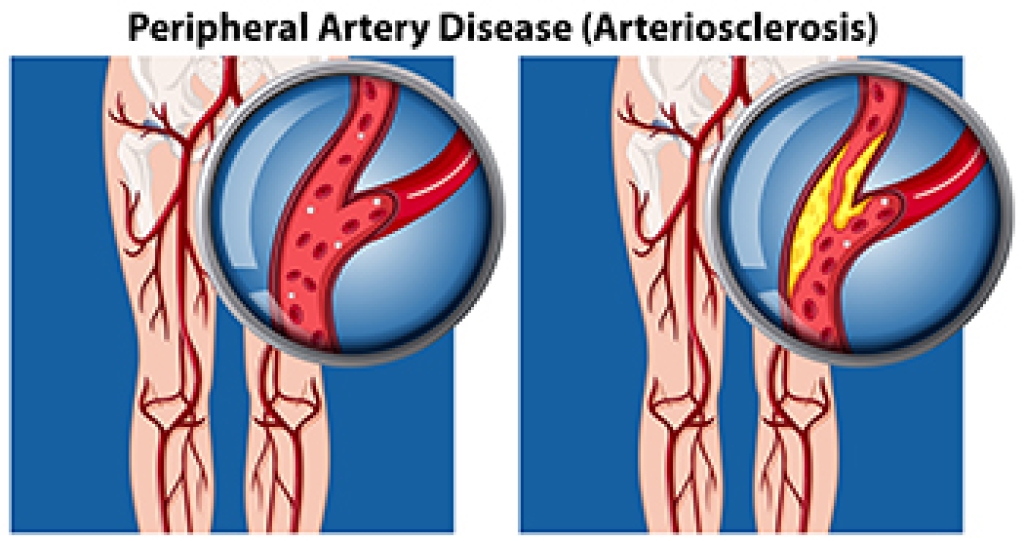
Peripheral artery disease involves impairment of the blood flow through the arteries to upper and lower extremities, like the feet. With this condition, the peripheral blood vessels narrow which decreases blood supply and oxygen to tissues within the legs and feet. Without proper blood flow, cells in your legs and feet cannot perform their functions well and may die. This, in turn, can lead to symptoms ranging from pain to gangrene, and the latter if left untreated could result in amputation. This condition affects both genders and is more common in older people. The main symptom of this disease, if there are any symptoms at all, is pain. An examination will involve looking for signs of trauma, muscle wasting, swelling, redness, absent hair patches, shin abnormalities such as staining, inflammation, or shininess, and ulcers on the foot or leg. Given the severity of complications arising from peripheral artery disease, regular visits to a podiatrist, especially as one ages, are recommended to diagnose and properly treat this disease before it becomes life-threatening.

Peripheral artery disease can pose a serious risk to your health. It can increase the risk of stroke and heart attack. If you have symptoms of peripheral artery disease, consult with Anas Khoury, DPM from North Eastern Foot & Ankle Specialists. Our doctor will assess your condition and provide you with quality foot and ankle treatment.

Peripheral artery disease (PAD) is when arteries are constricted due to plaque (fatty deposits) build-up. This results in less blood flow to the legs and other extremities. The main cause of PAD is atherosclerosis, in which plaque builds up in the arteries.

Symptoms

Symptoms of PAD include:

  • Claudication (leg pain from walking)
  • Numbness in legs
  • Decrease in growth of leg hair and toenails
  • Paleness of the skin
  • Erectile dysfunction
  • Sores and wounds on legs and feet that won’t heal
  • Coldness in one leg

It is important to note that a majority of individuals never show any symptoms of PAD.

Diagnosis

While PAD occurs in the legs and arteries, Podiatrists can diagnose PAD. Podiatrists utilize a test called an ankle-brachial index (ABI). An ABI test compares blood pressure in your arm to you ankle to see if any abnormality occurs. Ultrasound and imaging devices may also be used.

Treatment

Fortunately, lifestyle changes such as maintaining a healthy diet, exercising, managing cholesterol and blood sugar levels, and quitting smoking, can all treat PAD. Medications that prevent clots from occurring can be prescribed. Finally, in some cases, surgery may be recommended.

If you have any questions, please feel free to contact our office located in Passaic, NJ . We offer the newest diagnostic and treatment technologies for all your foot care needs.

Read more about Peripheral Artery Disease

Why Dry Skin Can Lead To Cracked Heals

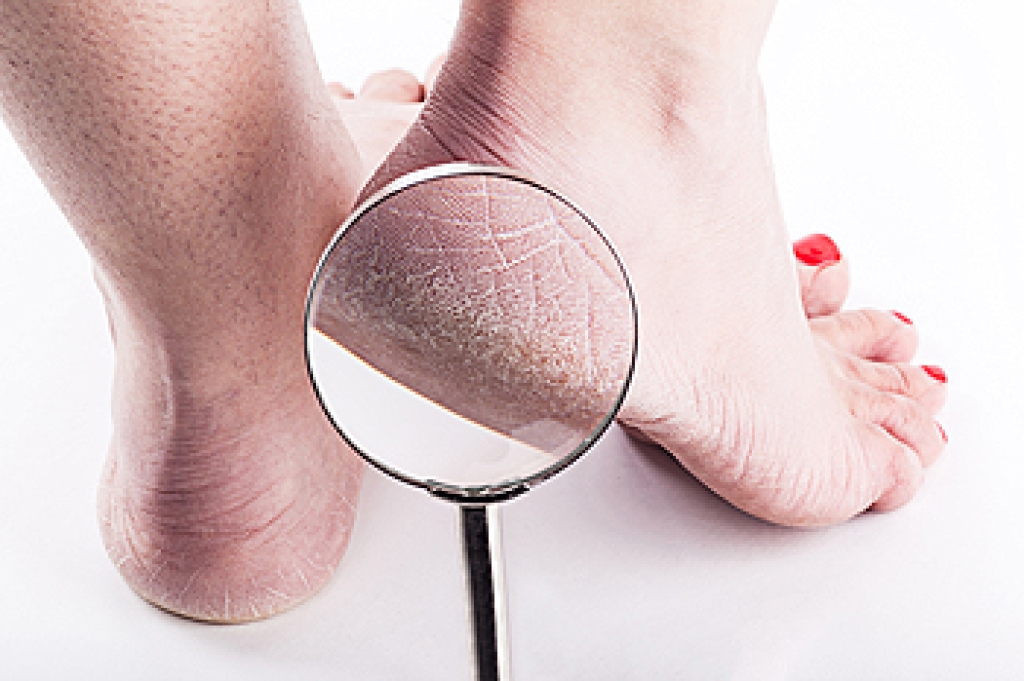
When the skin on your heels is allowed to become overly dry, rough and thick, this can sometimes set the stage for cracked heels to develop. That is because when the weight of the body bears down—and the heel naturally spreads out—this callused, inflexible skin can crack. If cracked heels (heel fissures) are left untreated, they can deepen, become painful and possibly even bleed or become infected. The best way to treat cracked heels is to avoid getting them at all. Applying topical emollients or occlusive moisturizers at night and covering your feet with socks can help seal in moisture and keep the heel hydrated. Also, gently massaging the heels with a pumice stone may help to smooth out mildly cracked heels, but this practice is not advised for people with diabetes or nerve damage. If your heels are badly cracked, red, painful, bleeding, or you believe they may be infected, it is suggested you contact a podiatrist to receive professional care.

Cracked heels are unsightly and can cause further damage to your shoes and feet. If you have any concerns, contact Anas Khoury, DPM from North Eastern Foot & Ankle Specialists. Our doctor can provide the care you need to keep you pain-free and on your feet.

Cracked Heels

Cracked heels appear unappealing and can make it harder for you walk around in sandals. Aside from looking unpleasant, cracked heels can also tear stockings, socks, and wear out your shoes. There are several methods to help restore a cracked heel and prevent further damage.

How Do You Get Them?

Dry skin is the number one culprit in creating cracked heels. Many athletes, walkers, joggers, and even swimmers suffer from cracked heels. Age and skin oil production play a role to getting cracked heels as well.

Promote Healing

Over the counter medicines can help, especially for those that need instant relief or who suffer from chronic dry feet.

Wear Socks – Wearing socks with medicated creams helps lock in moisture.

Moisturizers – Applying both day and night will help alleviate dryness which causes cracking.

Pumice Stones – These exfoliate and remove dead skin, which allows for smoother moisturizer application and better absorption into the skin. 

Change in Diet

Eating healthy with a well-balanced diet will give the skin a fresh and radiant look. Your body responds to the kinds of food you ingest. Omega-3 fatty acids and zinc supplements can also revitalize skin tissue.

Most importantly, seek professional help if unsure how to proceed in treating cracked heels. A podiatrist will help you with any questions or information needed. 

If you have any questions, please feel free to contact our office located in Passaic, NJ . We offer the newest diagnostic and treatment technologies for all your foot care needs.

Read more about Solutions for Cracked Heels

Connect With Us