Hablamos Español

Facts About Clubfoot in Your Newborn

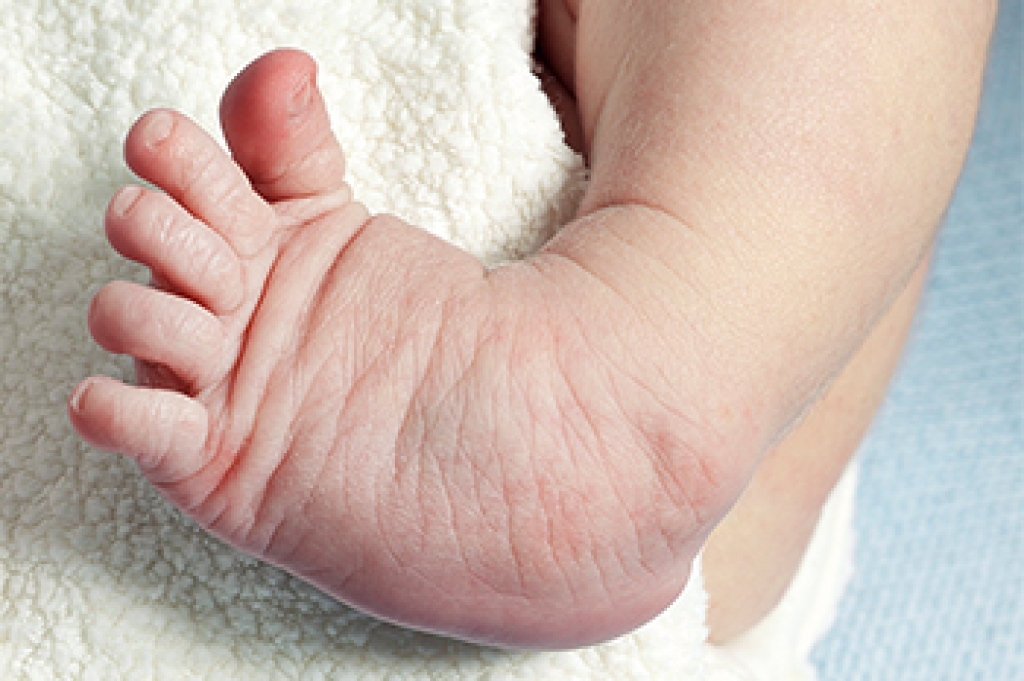
Clubfoot is a condition seen at birth where a baby’s foot twists inward and downward, making the sole face sideways or even upward. One or both feet can be affected, and the calf and foot may appear smaller than normal. Clubfoot involves the foot and ankle bones, joints, and tendons, leading to stiffness and limited motion. While the cause is not always known, it occurs more often in boys or when there is a family history. A similar issue, called positional clubfoot, can happen if the baby’s foot was pressed into an awkward position in the womb, but that form does not affect bone structure. True clubfoot requires early treatment to help move the foot into a better position. A podiatrist can assess the severity, take X-rays if needed, and monitor foot growth to determine whether a brace, casting, or surgery is necessary. If your baby displays symptoms of clubfoot, it is suggested that you schedule an appointment with a podiatrist for a diagnosis and ongoing treatment.

Congenital foot problems require immediate attention to avoid future complications. If you have any concerns, contact Anas Khoury, DPM of North Eastern Foot & Ankle Specialists. Our doctor can provide the care you need to keep you pain-free and on your feet.

Congenital foot problems are deformities affecting the feet, toes, and/or ankles that children are born with. Some of these conditions have a genetic cause while others just happen. Some specific foot ailments that children may be born with include clubfeet, polydactyly/macrodactyly, and cleft foot. There are several other foot anomalies that can occur congenitally. What all of these conditions have in common is that a child may experience difficulty walking or performing everyday activities, as well as trouble finding footwear that fits their foot deformity. Some of these conditions are more serious than others. Consulting with a podiatrist as early as possible will help in properly diagnosing a child’s foot condition while getting the necessary treatment underway.

What are Causes of Congenital Foot Problem?

A congenital foot problem is one that happens to a child at birth. These conditions can be caused by a genetic predisposition, developmental or positional abnormalities during gestation, or with no known cause.

What are Symptoms of Congenital Foot Problems?

Symptoms vary by the congenital condition. Symptoms may consist of the following:

  • Clubfoot, where tendons are shortened, bones are shaped differently, and the Achilles tendon is tight, causing the foot to point in and down. It is also possible for the soles of the feet to face each other.
  • Polydactyly, which usually consists of a nubbin or small lump of tissue without a bone, a toe that is partially formed but has no joints, or an extra toe.
  • Vertical talus, where the talus bone forms in the wrong position causing other bones in the foot to line up improperly, the front of the foot to point up, and the bottom of the foot to stiffen, with no arch, and to curve out.
  • Tarsal coalition, when there is an abnormal connection of two or more bones in the foot leading to severe, rigid flatfoot.
  • Cleft foot, where there are missing toes, a V-shaped cleft, and other anatomical differences.
  • Macrodactyly, when the toes are abnormally large due to overgrowth of the underlying bone or soft tissue.

Treatment and Prevention

While there is nothing one can do to prevent congenital foot problems, raising awareness and receiving neonatal screenings are important. Early detection by taking your child to a podiatrist leads to the best outcome possible.

If you have any questions, please feel free to contact our office located in Passaic, NJ . We offer the newest diagnostic and treatment technologies for all your foot care needs.
Read more about Congenital Foot Problems

Are You Suffering From Nerve Damage?

Neuropathy is a condition that can lead to numbness or loss of sensation in the feet, but it can also cause pain. This condition is more likely to develop for those who are diabetic, obese, or with high blood pressure.

Custom Orthotics For Foot and Heel Pain

Step into relief and reclaim your mobility! Foot and heel pain can be a thing of the past with the right Custom Orthotics. Customized to your unique foot structure, they provide the support and alignment needed to alleviate discomfort. Whether you're walking, running, or simply standing, Custom Orthotics ensure every step is cushioned and pain-free. Don't let foot ailments dictate your day. With Custom Orthotics, embrace a world of comfort and freedom. Call today to schedule an appointment.

Relieving Pain From Various Foot Issues

Many common foot concerns can be eased with early attention and the right care. Sore heels often respond well to rest, stretching, and supportive footwear that absorbs shock and reduces strain. For bunions, choosing shoes with a wider toe box and using protective pads may reduce pressure and irritation. Custom orthotics can help improve alignment and reduce pain in both conditions. Corns, calluses, and arch discomfort may also improve with better footwear choices, moisturizing, and targeted exercises. When symptoms do not improve or interfere with walking, professional evaluation is important. Some conditions may worsen over time without proper care. If your feet are frequently uncomfortable or showing signs of change, it is suggested that you see a podiatrist for a diagnosis and personalized treatment plan. Proper foot care helps prevent further problems and supports daily comfort and mobility.

Foot Pain

Foot pain can be extremely painful and debilitating. If you have a foot pain, consult with Anas Khoury, DPM from North Eastern Foot & Ankle Specialists. Our doctor will assess your condition and provide you with quality foot and ankle treatment.

Causes

Foot pain is a very broad condition that could be caused by one or more ailments. The most common include:

  • Bunions
  • Hammertoes
  • Plantar Fasciitis
  • Bone Spurs
  • Corns
  • Tarsal Tunnel Syndrome
  • Ingrown Toenails
  • Arthritis (such as Gout, Rheumatoid, and Osteoarthritis)
  • Flat Feet
  • Injury (from stress fractures, broken toe, foot, ankle, Achilles tendon ruptures, and sprains)
  • And more

Diagnosis

To figure out the cause of foot pain, podiatrists utilize several different methods. This can range from simple visual inspections and sensation tests to X-rays and MRI scans. Prior medical history, family medical history, and any recent physical traumatic events will all be taken into consideration for a proper diagnosis.

Treatment

Treatment depends upon the cause of the foot pain. Whether it is resting, staying off the foot, or having surgery; podiatrists have a number of treatment options available for foot pain.

If you have any questions, please feel free to contact our office located in Passaic, NJ . We offer the newest diagnostic and treatment technologies for all your foot care needs.
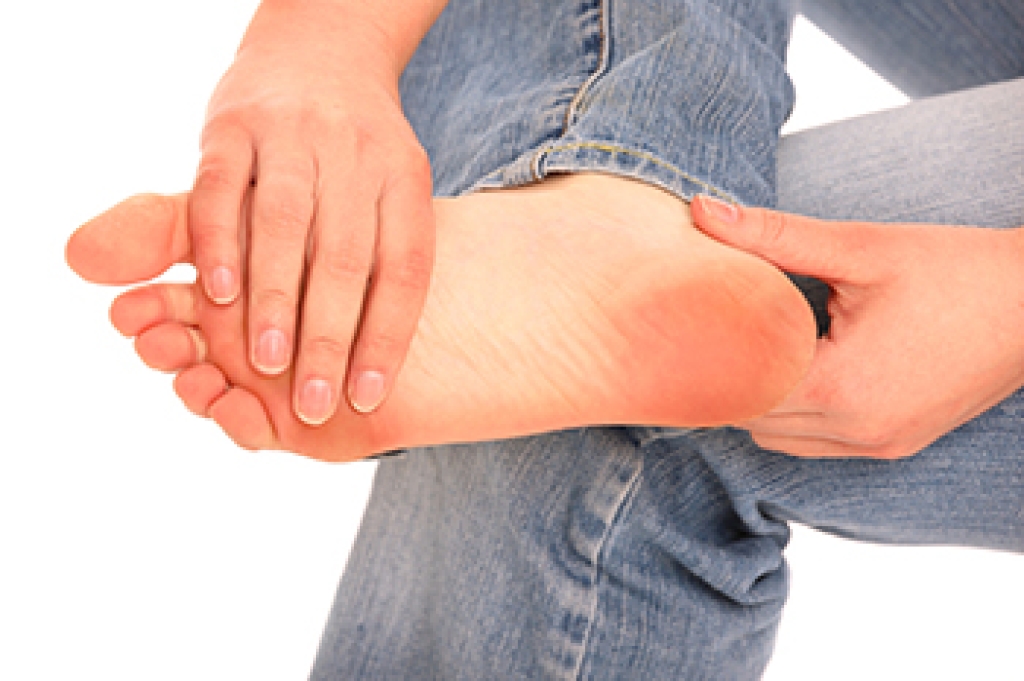
Read more about Foot Pain

Custom Orthotics Can Treat Foot and Ankle Pain

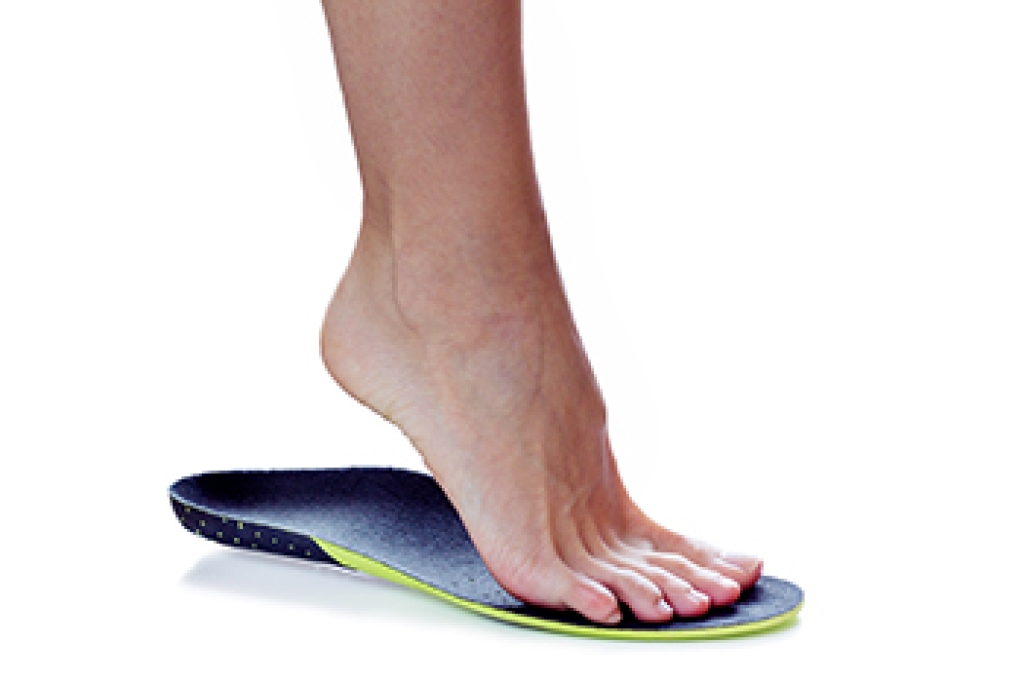
Many foot and ankle problems can be managed without surgery, especially when addressed early. One common approach is the use of custom inserts that fit inside the shoe. These help improve alignment, reduce strain on joints, and cushion areas under pressure. Whether someone is dealing with heel pain, arch problems, or instability, a well designed insert can make daily movement easier and less painful. These devices work by guiding the foot into a better position, allowing other treatments like stretching or strengthening to be more effective. For many, inserts offer enough relief to avoid more aggressive procedures. They are especially helpful for conditions that get worse with time, if not treated properly. If you have discomfort in your foot or ankle that is not improving on its own, it is suggested that you see a podiatrist for a proper diagnosis and treatment, which may include a prescription for custom orthotics.

Our feet carry us through every part of life, absorbing the impact of thousands of steps each day. When they are not properly supported, the effects can extend far beyond the feet themselves. Custom orthotics provide the foundation the body needs by aligning, cushioning, and stabilizing each foot in its most natural position. They are carefully crafted to match the unique structure of each individual’s feet, allowing them to move efficiently and comfortably while reducing stress on the muscles, joints, and ligaments.

Proper foot support is essential for maintaining balance and preventing fatigue. Without it, the body compensates by shifting weight unevenly, which can lead to discomfort in the ankles, knees, hips, or lower back. Custom orthotics help restore this balance by redistributing pressure and promoting a more natural walking pattern. They not only ease existing pain but also protect against future strain or injury by supporting the arches and controlling excessive motion.

Unlike store-bought insoles, custom orthotics are created through detailed assessment and advanced technology to provide precise correction and comfort. They fit seamlessly into most shoes, making them ideal for daily wear, work, or sports.

If your feet feel tired, sore, or unsupported, it is recommended that you contact our office for more information, or to make an appointment.

If you have any questions please contact our office located in Passaic, NJ

Read more about Investing in Custom Orthotics Means Investing in Foot Health

Connect With Us