Hablamos Español

What Can Help Swollen Feet?

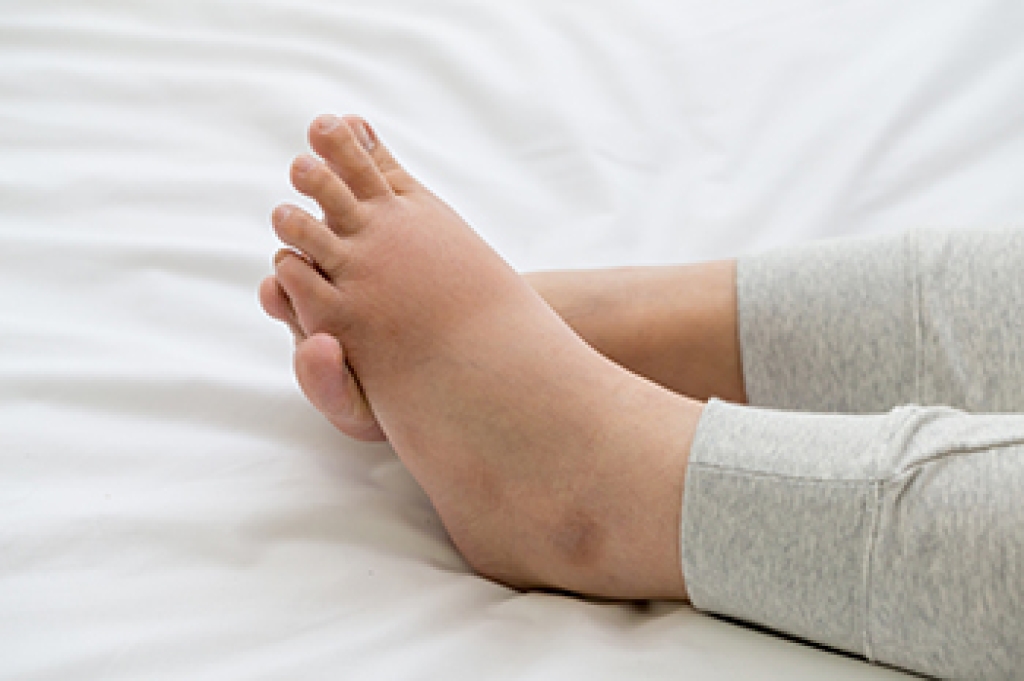
The medical term for swollen feet and ankles is referred to as edema. It can be a common occurrence after a long plane or car ride, or from standing for much of the workday. Specific medical conditions that can include heart failure, kidney disease, or infection may lead to getting swollen feet and can be a side effect of pregnancy. Mild relief may be found when the feet are frequently elevated, in addition to reducing sodium intake. Many people find comfort in putting support stockings on in the morning before the swelling begins for the day. Walking can increase blood flow to the legs, possibly reducing existing swelling, and it is beneficial to walk as often as possible during the day. If you suffer from swollen feet, please consult a podiatrist who can determine what the cause is and offer effective treatment methods.

Swollen feet can be a sign of an underlying condition. If you have any concerns, contact Anas Khoury, DPM of North Eastern Foot & Ankle Specialists. Our doctor can provide the care you need to keep you pain-free and on your feet.

Swollen feet are a common ailment among pregnant women and people who stand or sit for extended periods. Aging may increase the possibility of swollen feet and patients who are obese often notice when their feet are swelling too. There may be medical reasons why swollen feet occur:

  • Phlebitis - A condition that causes the veins to become inflamed and can also cause leg pain.
  • Liver disease - This may lead to low blood levels of albumin which is a protein. This can cause fluid in the blood to pass into the tissues and several areas of the body can become swollen.
  • Heart failure - When the heart doesn’t pump properly the blood that is normally pumped back to the heart can pool in the veins of the legs causing swollen feet.
  • Kidney disease - One of the main functions of the kidneys is releasing excess fluid in the body. This type of condition can make it difficult for the kidneys to function properly, and as a result the feet may become swollen.
  • Deep-vein thrombosis (DVT)- This is a serious condition where blood clots form in the veins of the legs. They can block the return of blood from the legs to the heart which may cause the feet to swell. It is important to be treated by a podiatrist if this condition is present.

Swollen feet can also be caused by bone and tendon conditions, including fractures, arthritis, and tendinitis. Additionally, there may be skin and toenail conditions and an infection may cause the feet to swell. Patients who take medicine to treat high blood pressure may be prone to getting swollen feet. 

Many patients elevate their feet to help relieve the swelling and this is generally a temporary remedy. When a podiatrist is consulted the reason behind the swelling can be uncovered and subsequently treated.

If you have any questions please contact our office located in Passaic, NJ . We offer the newest diagnostic and treatment technologies for all your foot and ankle needs.

Read more about Swelling of the Feet

Several Types of Arthritis Can Affect the Feet

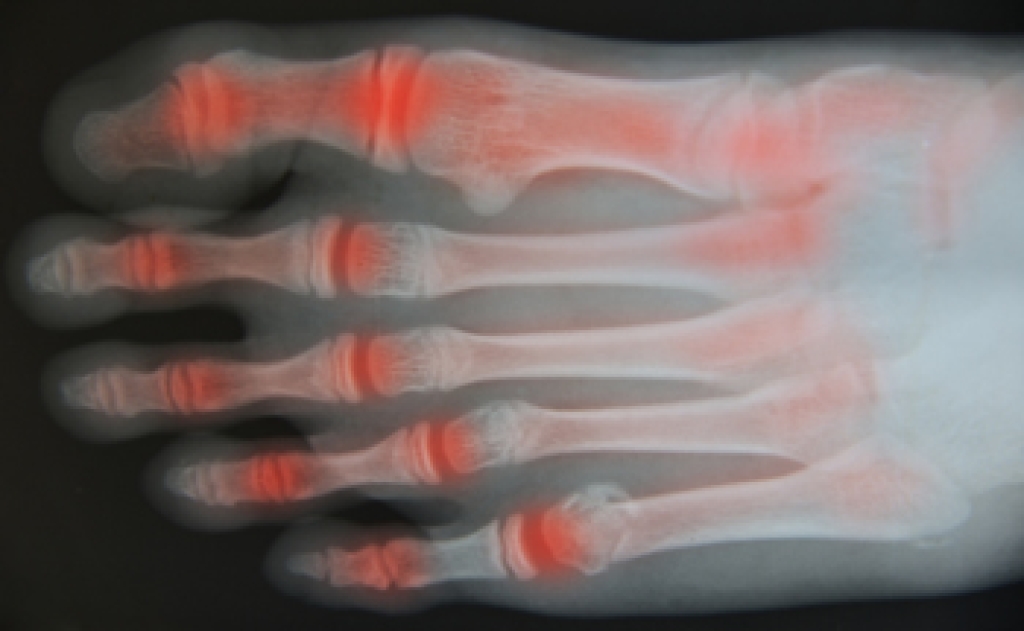
Arthritis can affect numerous joints that are found in the feet and ankles. This may be a result of inherited tendencies, gradual weight gain, or previous injuries that have occurred. Research has shown there are three common categories of arthritis, consisting of osteoarthritis, rheumatoid, and psoriatic arthritis. The gradual wearing of the joints in the ankles can lead to osteoarthritis, and the joint that is most affected connects the big toe to the foot. Rheumatoid arthritis is considered to be an autoimmune disorder, and it can affect the same joints in each foot. Swollen toes may be an indication of psoriatic arthritis, which is caused by inflamed tendons. There are several methods that can provide relief, and if you are afflicted with arthritis in the feet, please consult with a podiatrist. This type of doctor is qualified in providing an effective diagnosis and determining what the best course of treatment is for you.

Arthritis can be a difficult condition to live with. If you are seeking treatment, contact Anas Khoury, DPM from North Eastern Foot & Ankle Specialists. Our doctor can provide the care you need to keep you pain-free and on your feet.

Arthritic Foot Care  

Arthritis is a term that is commonly used to describe joint pain.  The condition itself can occur to anyone of any age, race, or gender, and there are over 100 types of it.  Nevertheless, arthritis is more commonly found in women compared to men, and it is also more prevalent in those who are overweight. The causes of arthritis vary depending on which type of arthritis you have. Osteoarthritis for example, is often caused by injury, while rheumatoid arthritis is caused by a misdirected immune system.

Symptoms

  • Swelling
  • Pain
  • Stiffness
  • Decreased Range of Motion

Arthritic symptoms range in severity, and they may come and go. Some symptoms stay the same for several years but could potentially get worse with time. Severe cases of arthritis can prevent its sufferers from performing daily activities and make walking difficult.

Risk Factors

  • Occupation – Occupations requiring repetitive knee movements have been linked to osteoarthritis
  • Obesity – Excess weight can contribute to osteoarthritis development
  • Infection – Microbial agents can infect the joints and trigger arthritis
  • Joint Injuries – Damage to joints may lead to osteoarthritis
  • Age – Risk increases with age
  • Gender –Most types are more common in women
  • Genetics – Arthritis can be hereditary

If you suspect your arthritis is affecting your feet, it is crucial that you see a podiatrist immediately. Your doctor will be able to address your specific case and help you decide which treatment method is best for you.

If you have any questions please feel free to contact our office located in Passaic, NJ . We offer the newest diagnostic tools and technology to treat your foot and ankle needs.

Read more about How to Care for Your Arthritic Foot

Cracked Heels and Old Age

Cracked heels are certainly not the most serious or dangerous condition that can affect your feet, but they can still be nonetheless annoying and uncomfortable. It is important to note that as individuals age they can be more and more susceptible to developing cracked heels. Many things can explain this phenomenon. For one thing, the elasticity that is in the skin can significantly decline as an individual gets older. This can be a contributing factor to cracked heels. The extent to which an older individual can produce moisture in the feet is also significantly lower than almost any given younger person. This is another major potential contributing factor to cracked heels. If you are someone that struggles with cracked heels, be sure to schedule an appointment with a podiatrist today who can help you manage your condition and address the problem.


Cracked heels are unsightly and can cause further damage to your shoes and feet. If you have any concerns, contact Anas Khoury, DPM from North Eastern Foot & Ankle Specialists. Our doctor can provide the care you need to keep you pain-free and on your feet.

Cracked Heels

Cracked heels appear unappealing and can make it harder for you walk around in sandals. Aside from looking unpleasant, cracked heels can also tear stockings, socks, and wear out your shoes. There are several methods to help restore a cracked heel and prevent further damage.

How Do You Get Them?

Dry skin is the number one culprit in creating cracked heels. Many athletes, walkers, joggers, and even swimmers suffer from cracked heels. Age and skin oil production play a role to getting cracked heels as well.

Promote Healing

Over the counter medicines can help, especially for those that need instant relief or who suffer from chronic dry feet.

Wear Socks – Wearing socks with medicated creams helps lock in moisture.

Moisturizers – Applying both day and night will help alleviate dryness which causes cracking.

Pumice Stones – These exfoliate and remove dead skin, which allows for smoother moisturizer application and better absorption into the skin. 

Change in Diet

Eating healthy with a well-balanced diet will give the skin a fresh and radiant look. Your body responds to the kinds of food you ingest. Omega-3 fatty acids and zinc supplements can also revitalize skin tissue.

Most importantly, seek professional help if unsure how to proceed in treating cracked heels. A podiatrist will help you with any questions or information needed. 

If you have any questions, please feel free to contact our office located in Passaic, NJ . We offer the newest diagnostic and treatment technologies for all your foot care needs.

Read more about Solutions for Cracked Heels

Gout Is Caused by Genetic Reasons or From Specific Foods

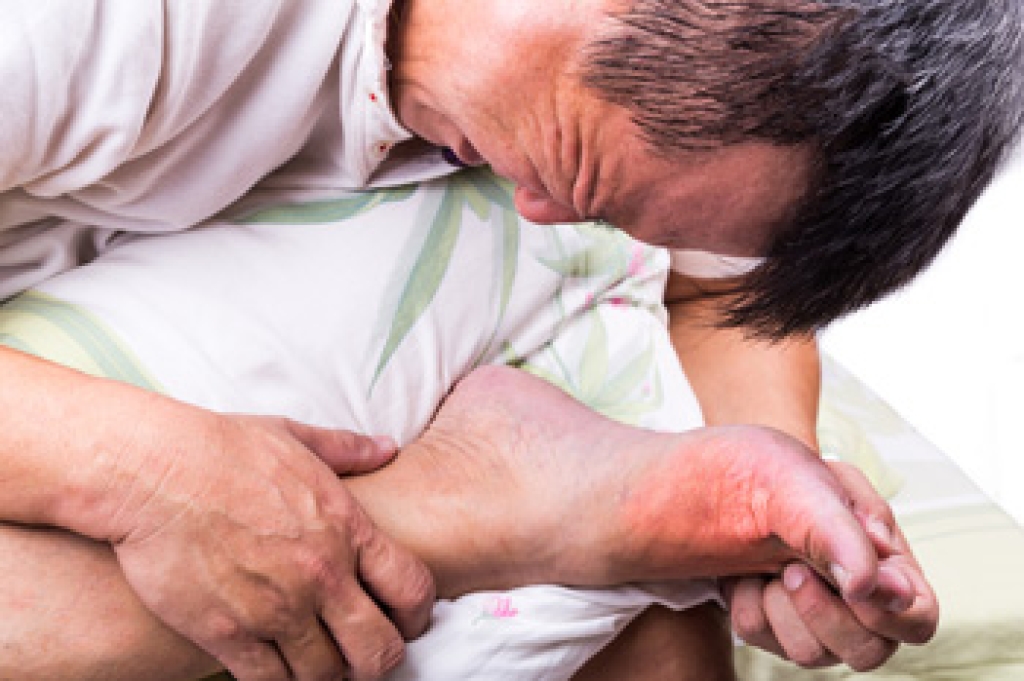
People who have endured gout attacks cannot ignore the pain that often accompanies this foot condition. Gout is a form of inflammatory arthritis and generally develops in the joints of the big toe. It happens as a result of excess uric acid in the blood, which may come from genetic reasons, or from eating foods with large amounts of purines. These types of foods can include shellfish, red meat, or drinks that are made with large amounts of sugar. This can cause uric acid crystals to form, often beginning in the big toe. People who have endured gout attacks for several years may develop tophi, which are uric acid deposits resembling small lumps under the skin of the affected toe. Gout may eventually resolve naturally.  Many people choose to contact a podiatrist who can perform an effective diagnosis and offer treatment methods that are right for you. Additionally, this type of doctor is helpful in explaining how gout attacks can be prevented by implementing simple lifestyle changes. 

Gout is a painful condition that can be treated. If you are seeking treatment, contact Anas Khoury, DPM from North Eastern Foot & Ankle Specialists. Our doctor will treat your foot and ankle needs.

What Is Gout?

Gout is a form of arthritis that is characterized by sudden, severe attacks of pain, redness, and tenderness in the joints. The condition usually affects the joint at the base of the big toe. A gout attack can occur at any random time, such as the middle of the night while you are asleep.

Symptoms

  • Intense Joint Pain - Usually around the large joint of your big toe, and it most severe within the first four to twelve hours
  • Lingering Discomfort - Joint discomfort may last from a few days to a few weeks
  • Inflammation and Redness -Affected joints may become swollen, tender, warm and red
  • Limited Range of Motion - May experience a decrease in joint mobility

Risk Factors

  • Genetics - If family members have gout, you’re more likely to have it
  • Medications - Diuretic medications can raise uric acid levels
  • Gender/Age - Gout is more common in men until the age of 60. It is believed that estrogen protects women until that point
  • Diet - Eating red meat and shellfish increases your risk
  • Alcohol - Having more than two alcoholic drinks per day increases your risk
  • Obesity - Obese people are at a higher risk for gout

Prior to visiting your podiatrist to receive treatment for gout, there are a few things you should do beforehand. If you have gout you should write down your symptoms--including when they started and how often you experience them, important medical information you may have, and any questions you may have. Writing down these three things will help your podiatrist in assessing your specific situation so that he or she may provide the best route of treatment for you.

If you have any questions, please feel free to contact our office located in Passaic, NJ . We offer the newest diagnostic and treatment technologies for all your foot care needs.

Read more about Gout

Connect With Us