Hablamos Español

Causes and Types of Gout

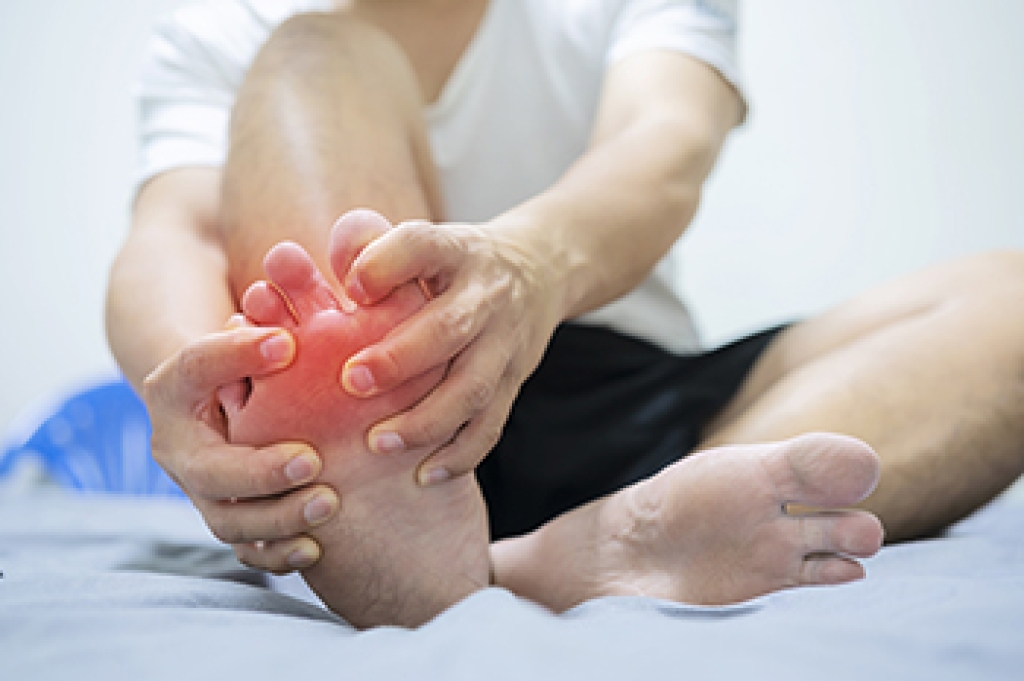
Gout, a form of arthritis, is a painful condition that can strike suddenly and severely. It happens as a result of the accumulation of urate crystals in the joints and often leads to inflammation and intense discomfort. Primary gout results from genetic factors. This can cause the body's overproduction of uric acid or a decreased ability to excrete it, which can affect joints like the ankle and big toe. Secondary gout is caused by underlying conditions, such as kidney disease, hypertension, or obesity. These hinder the body's ability to manage uric acid levels. Gout that occurs suddenly in a single joint is referred to as acute gout and generally affects the big toe. This form of gout is characterized by excruciating pain, redness, and swelling. If left untreated, acute gout can progress into chronic gout and lead to recurrent, long-lasting joint pain and deformities. Identifying the specific type and underlying causes of gout is essential for devising an effective treatment plan, which may include lifestyle changes, medications, and dietary adjustments. If you have had one or frequent gout attacks, it is strongly suggested that you are under the care of a podiatrist. This type of doctor can accurately determine which type of gout is present and offer the correct treatment methods.

Gout is a foot condition that requires certain treatment and care. If you are seeking treatment, contact Anas Khoury, DPM from North Eastern Foot & Ankle Specialists. Our doctor will treat your foot and ankle needs.

What Is Gout?

Gout is a type of arthritis caused by a buildup of uric acid in the bloodstream. It often develops in the foot, especially the big toe area, although it can manifest in other parts of the body as well. Gout can make walking and standing very painful and is especially common in diabetics and the obese.

People typically get gout because of a poor diet. Genetic predisposition is also a factor. The children of parents who have had gout frequently have a chance of developing it themselves.

Gout can easily be identified by redness and inflammation of the big toe and the surrounding areas of the foot. Other symptoms include extreme fatigue, joint pain, and running high fevers. Sometimes corticosteroid drugs can be prescribed to treat gout, but the best way to combat this disease is to get more exercise and eat a better diet.

If you have any questions, please feel free to contact our office located in Passaic, NJ . We offer the newest diagnostic and treatment technologies for all your foot care needs.
Read more about Everything You Need to Know About Gout

Exercises and Stretches to Soothe Foot Arthritis

Foot arthritis, a condition that affects countless individuals, can bring about discomfort and limit mobility. While seeking medical advice is important, incorporating targeted exercises and stretches into your routine can provide welcome relief. Gentle toe flexion and extension exercises can help to maintain flexibility and reduce stiffness in the joints. Rolling a tennis ball under the arches and heels can alleviate tension and promote circulation. Calf stretches not only ease tightness but also support the ankle joints. Ankle circles and alphabet exercises improve joint mobility and strengthen surrounding muscles. Plantar fascia stretches, such as the towel stretch, specifically target the connective tissue at the sole. It is beneficial to perform these exercises under supervision and adapt to your comfort level. Combined with proper medical care, these exercises can be valuable tools in managing foot arthritis and enhancing your overall quality of life. If you have arthritis in your feet, it is strongly suggested that you are under the care of a podiatrist who can provide you with additional relief and treatment options.

Arthritis can be a difficult condition to live with. If you are seeking treatment, contact Anas Khoury, DPM from North Eastern Foot & Ankle Specialists. Our doctor can provide the care you need to keep you pain-free and on your feet.

Arthritic Foot Care  

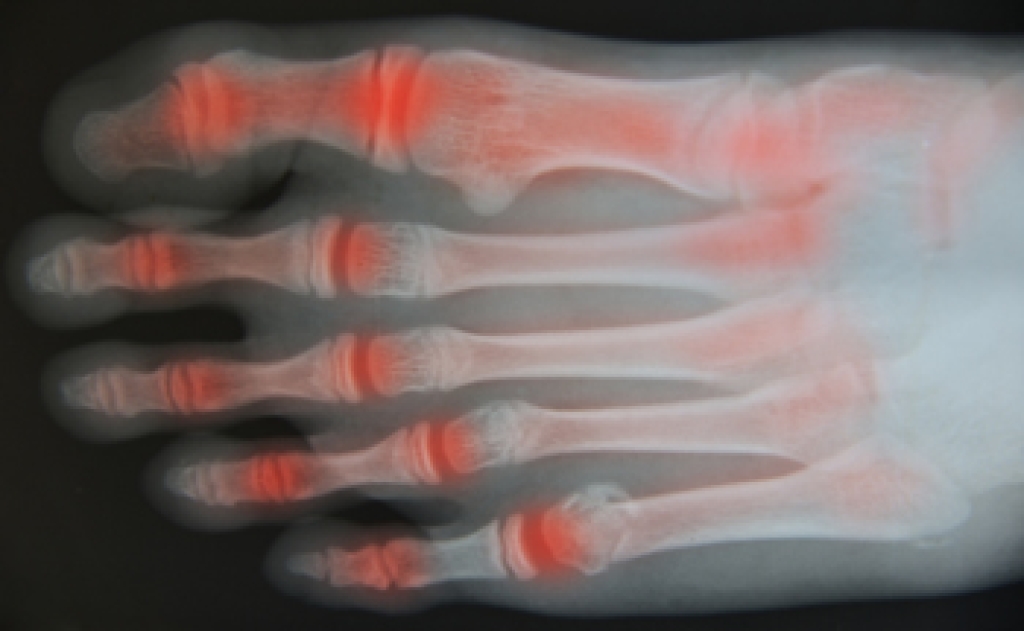
Arthritis is a joint disorder that involves the inflammation of different joints in your body, such as those in your feet. Arthritis is often caused by a degenerative joint disease and causes mild to severe pain in all affected areas. In addition to this, swelling and stiffness in the affected joints can also be a common symptom of arthritis.

In many cases, wearing ill-fitting shoes can worsen the effects and pain of arthritis. Wearing shoes that have a lower heel and extra room can help your feet feel more comfortable. In cases of rheumatoid arthritis, the arch in your foot may become problematic. Buying shoes with proper arch support that contour to your feet can help immensely.

Alleviating Arthritic Pain

  • Exercises that stretch the foot can prevent further pain and injury and increase mobility
  • Most of the pain can be alleviated with anti-inflammatory drugs, heat, and topical medications
  • Massages can help temporarily alleviate pain.

It is best to see your doctor for the treatment that is right for your needs and symptoms. Conditions vary, and a podiatrist can help you determine the right method of care for your feet.

If you have any questions please feel free to contact our office located in Passaic, NJ . We offer the newest diagnostic tools and technology to treat your foot and ankle needs.

Read more about Arthritic Foot Care

Facts About Plantar Fasciitis

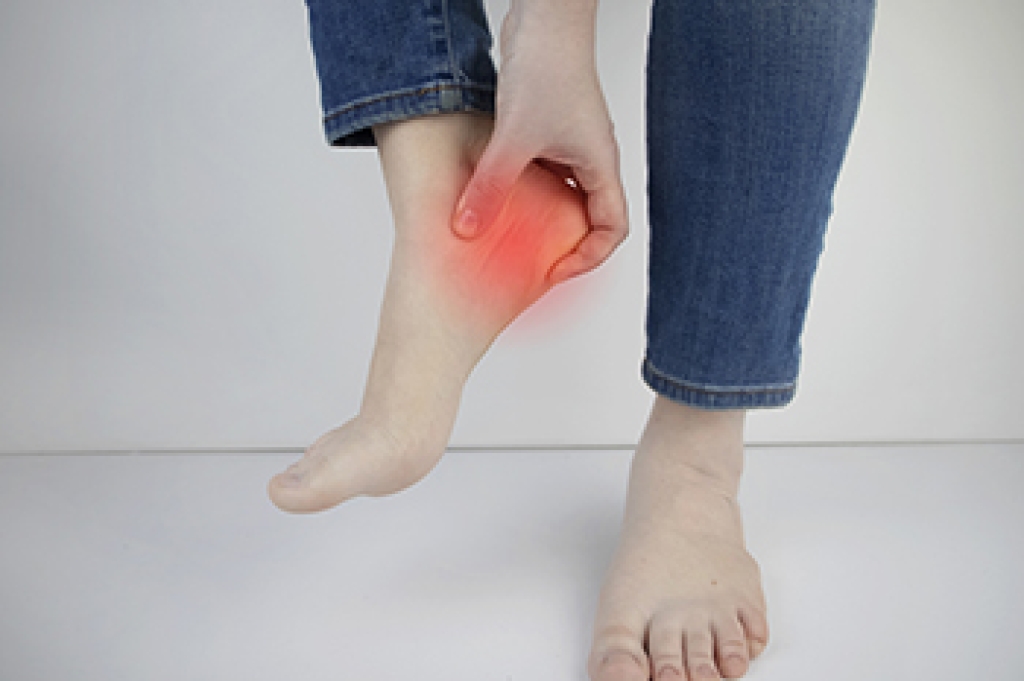
Plantar fasciitis is the most commonly reported cause of heel discomfort. This condition targets the plantar fascia, which is a broad ligament that extends from the heel to toes. When it is overused, such as from running for long periods of time, tiny tears can result. This leads to irritation and inflammation and ultimately causes heel pain. The discomfort is more intense in the early morning, but can gradually subside as the day progresses due to the warming and stretching effects on the fascia. Problems with the foot's structure, such as flat feet or high arches, can contribute to plantar fasciitis, but its most common cause is repetitive use. It also can result from prolonged standing or wearing unsupportive footwear. Performing certain stretching exercises, refraining from walking barefoot, wearing appropriate footwear, and periodically resting the feet can help to alleviate the pain. An effective simple morning exercise involves flexing the foot ten times before getting out of bed, or after sitting for an extended period of time. In cases of persistent pain, custom orthotics for cushioning and night splints may be introduced. In more extreme scenarios, corticosteroid injections can offer pain relief. For help in managing the pain of plantar fasciitis, it is suggested that you make an appointment with a podiatrist. 

Plantar fasciitis is a common foot condition that is often caused by a strain injury. If you are experiencing heel pain or symptoms of plantar fasciitis, contact Anas Khoury, DPM from North Eastern Foot & Ankle Specialists. Our doctor can provide the care you need to keep you pain-free and on your feet.

What Is Plantar Fasciitis?

Plantar fasciitis is one of the most common causes of heel pain. The plantar fascia is a ligament that connects your heel to the front of your foot. When this ligament becomes inflamed, plantar fasciitis is the result. If you have plantar fasciitis you will have a stabbing pain that usually occurs with your first steps in the morning. As the day progresses and you walk around more, this pain will start to disappear, but it will return after long periods of standing or sitting.

What Causes Plantar Fasciitis?

  • Excessive running
  • Having high arches in your feet
  • Other foot issues such as flat feet
  • Pregnancy (due to the sudden weight gain)
  • Being on your feet very often

There are some risk factors that may make you more likely to develop plantar fasciitis compared to others. The condition most commonly affects adults between the ages of 40 and 60. It also tends to affect people who are obese because the extra pounds result in extra stress being placed on the plantar fascia.

Prevention

  • Take good care of your feet – Wear shoes that have good arch support and heel cushioning.
  • Maintain a healthy weight
  • If you are a runner, alternate running with other sports that won’t cause heel pain

There are a variety of treatment options available for plantar fasciitis along with the pain that accompanies it. Additionally, physical therapy is a very important component in the treatment process. It is important that you meet with your podiatrist to determine which treatment option is best for you.

If you have any questions, please feel free to contact our office located in Passaic, NJ . We offer the newest diagnostic and treatment technologies for all your foot care needs.

 

Read more about Plantar Fasciitis

Heel Pain Can Be Treated!

Do you suffer from heel pain when you get up in the morning? If so, you should seek professional help and have a proper diagnosis performed. Heel pain can be caused by several different foot-related conditions.

Wound Debridement

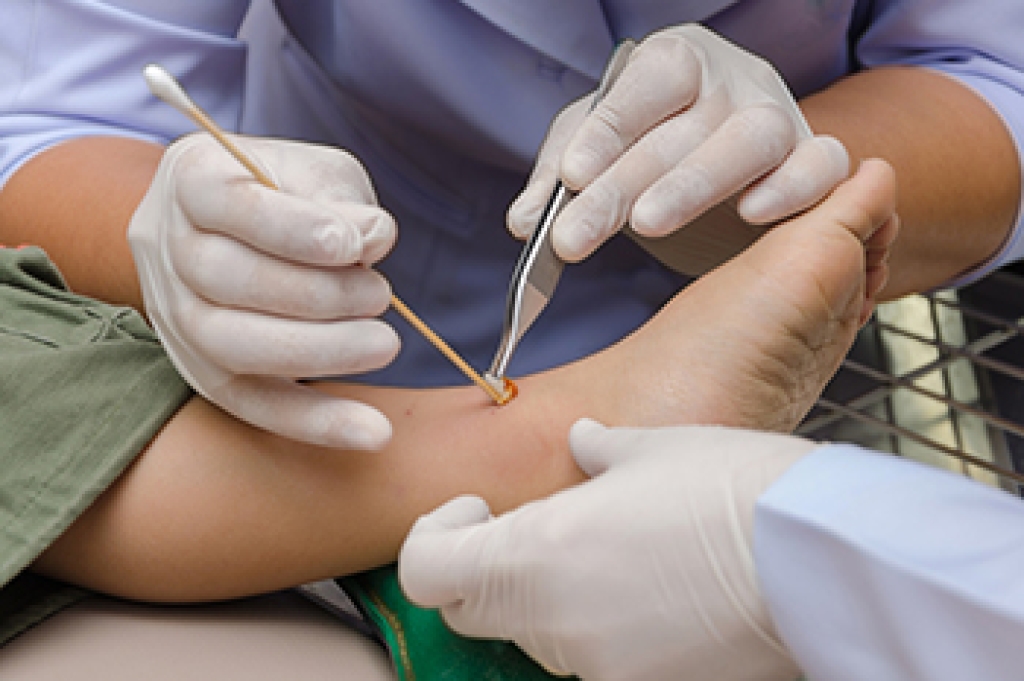
The removal of dead or infected skin tissue is known as debridement. This procedure also eliminates foreign materials from tissue. Debridement promotes the growth of healthy tissue, minimizes scarring, and reduces infection complications. Not all wounds require debridement. It is typically used for non-healing old wounds, chronically infected wounds, or those at risk of infections. Severe or new wounds might also need debridement. The choice of debridement depends on factors like wound type, age, overall health, and risk for complications. Methods include biological debridement using sterile maggots, enzymatic debridement with ointments, autolytic debridement harnessing the body's enzymes, and mechanical debridement as the most common approach. Sharp debridement, both conservative and surgical, involves cutting off unhealthy tissue. Recovery varies but typically takes 6 to 12 weeks. Careful wound management, including regular dressing changes and hygiene, is crucial. Although complications are possible, debridement's benefits often outweigh the risks. If you have a foot wound that persists or appears infected, it is strongly suggested that you see a podiatrist for immediate treatment, which might include debridement.

Wound care is an important part in dealing with diabetes. If you have diabetes and a foot wound or would like more information about wound care for diabetics, consult with Anas Khoury, DPM from North Eastern Foot & Ankle Specialists. Our doctor will assess your condition and provide you with quality foot and ankle treatment.

What Is Wound Care?

Wound care is the practice of taking proper care of a wound. This can range from the smallest to the largest of wounds. While everyone can benefit from proper wound care, it is much more important for diabetics. Diabetics often suffer from poor blood circulation which causes wounds to heal much slower than they would in a non-diabetic. 

What Is the Importance of Wound Care?

While it may not seem apparent with small ulcers on the foot, for diabetics, any size ulcer can become infected. Diabetics often also suffer from neuropathy, or nerve loss. This means they might not even feel when they have an ulcer on their foot. If the wound becomes severely infected, amputation may be necessary. Therefore, it is of the upmost importance to properly care for any and all foot wounds.

How to Care for Wounds

The best way to care for foot wounds is to prevent them. For diabetics, this means daily inspections of the feet for any signs of abnormalities or ulcers. It is also recommended to see a podiatrist several times a year for a foot inspection. If you do have an ulcer, run the wound under water to clear dirt from the wound; then apply antibiotic ointment to the wound and cover with a bandage. Bandages should be changed daily and keeping pressure off the wound is smart. It is advised to see a podiatrist, who can keep an eye on it.

If you have any questions please contact our office located in Passaic, NJ . We offer the newest diagnostic and treatment technologies for all your foot and ankle needs.

Read more about Wound Care

Connect With Us