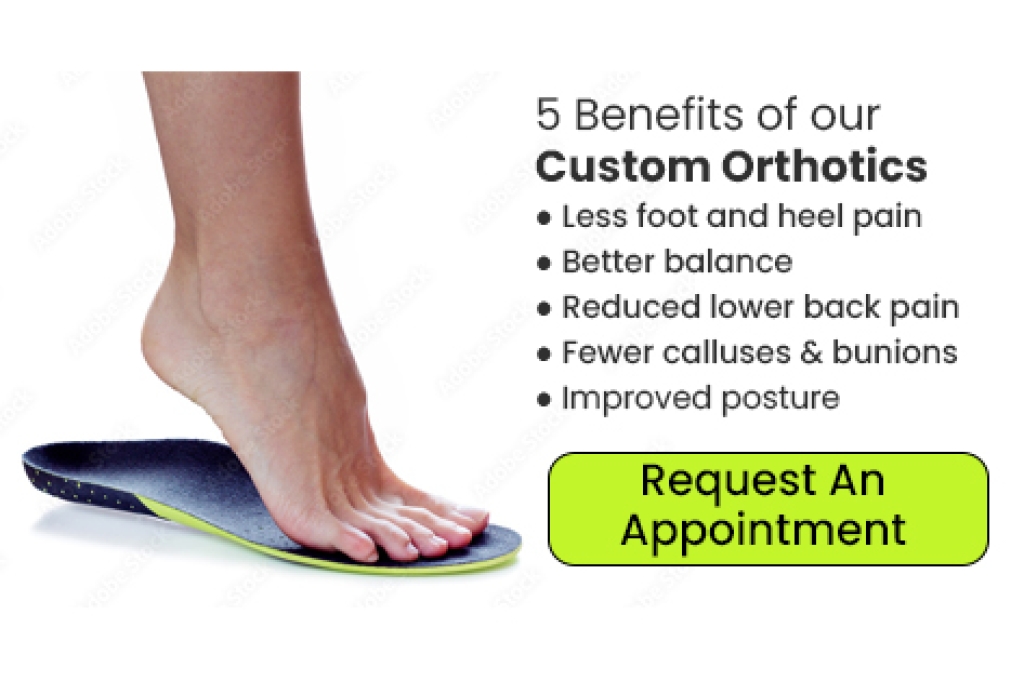
Discover the long-term benefits of orthotics! Tailored to your unique foot structure, Custom Orthotics ensure every step radiates comfort and helps reduce foot and heel pain. Beyond comfort, they enhance your posture, allowing you to stand taller and walk with confidence. Whether you're casually strolling or actively running, they can elevate your performance. Call our office today and see if Custom Orthotics are right for you.
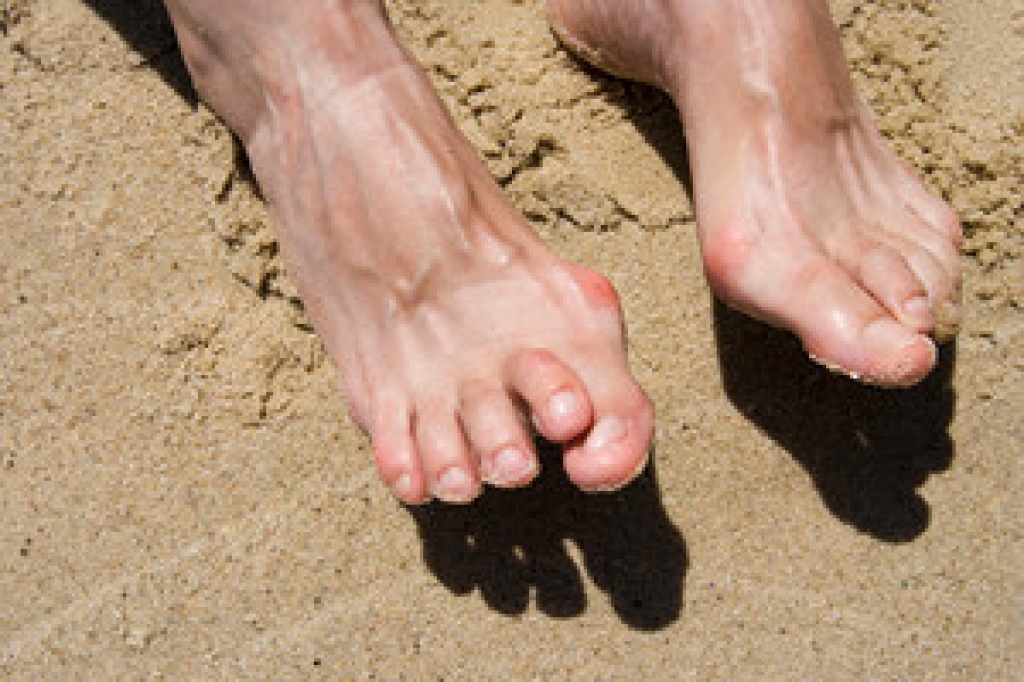
Hammertoe is a foot deformity in which one or more toes bend abnormally at the middle joint, creating a curled appearance. Common symptoms include toe pain, corns, calluses, redness, and difficulty wearing shoes comfortably. Risk factors include wearing tight footwear, muscle imbalance, trauma, arthritis, and a family history of foot deformities. A hammertoe may be flexible, meaning the toe can still move, or rigid, meaning the joint is stiff and fixed in place. You should be concerned if pain worsens, sores develop, or walking becomes difficult, as untreated hammertoes can lead to further complications. A podiatrist can evaluate the condition, recommend shoe modifications, custom orthotics, or advanced treatments, when needed. If toe pain is limiting your daily activities, it is suggested that you consult a podiatrist who can make a proper diagnosis and offer effective relief and treatment solutions.
Hammertoe is a foot deformity that affects the joints of the second, third, fourth, or fifth toes of your feet. It is a painful foot condition in which these toes curl and arch up, which can often lead to pain when wearing footwear.
Symptoms
Pain in the affected toes
Development of corns or calluses due to friction
Inflammation
Redness
Contracture of the toes
Causes
Genetics – People who are genetically predisposed to hammertoe are often more susceptible
Arthritis – Because arthritis affects the joints in your toes, further deformities stemming from arthritis can occur
Trauma – Direct trauma to the toes could potentially lead to hammertoe
Ill-fitting shoes – Undue pressure on the front of the toes from ill-fitting shoes can potentially lead to the development of hammertoe
Treatment
Orthotics – Custom made inserts can be used to help relieve pressure placed on the toes and therefore relieve some of the pain associated with it
Medications – Oral medications such as anti-inflammatories or NSAIDs could be used to treat the pain and inflammation hammertoes causes. Injections of corticosteroids are also sometimes used
Surgery – In more severe cases where the hammertoes have become more rigid, foot surgery is a potential option
If you have any questions, please feel free to contact our office located in Passaic, NJ. We offer the newest diagnostic and treatment technologies for all your foot care needs.
Maintaining good balance is essential for older adults, and custom-made orthotics can play an important role in improving stability and confidence during daily movement. These orthotic shoe inserts support proper foot alignment, enhance positioning, and provide a more secure foundation with each step. By improving balance, they can help reduce the risk of falls and ease discomfort linked to poor foot mechanics. A podiatrist can evaluate gait, muscle strength, and foot structure to design orthotics that meet individual needs and promote safer mobility. Through guided care and personalized support, older adults can move with greater comfort and assurance. If you have injured your foot from falling, or are experiencing balance concerns, it is suggested that you schedule a visit with a podiatrist to learn how custom orthotics can support safer and steadier movement.
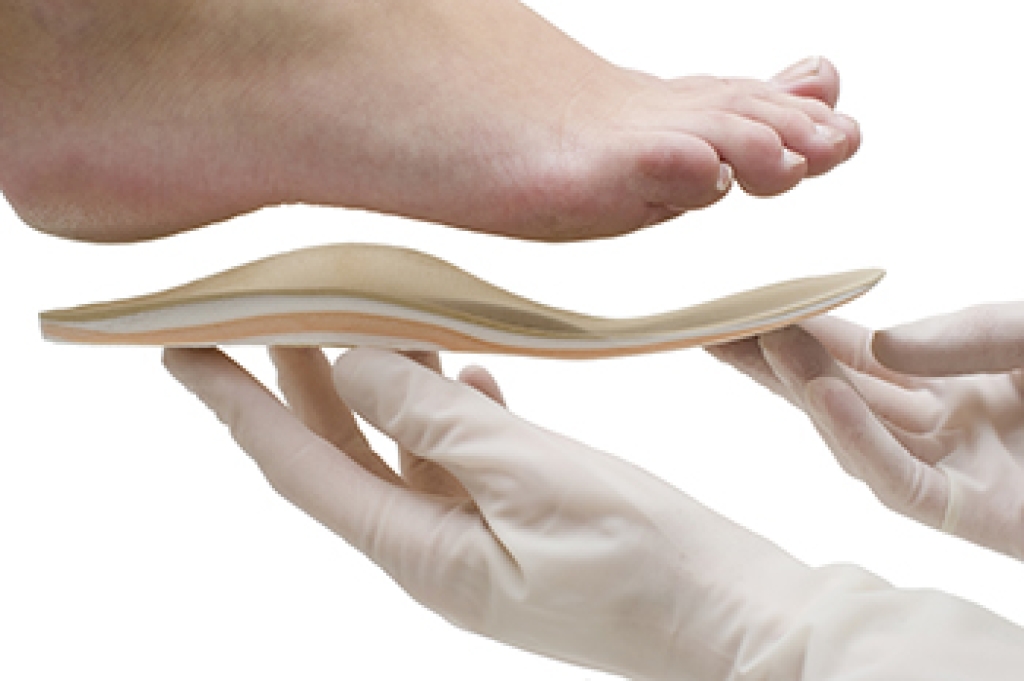
Custom orthotics are specialized shoe inserts created to support and align the feet according to each person’s unique structure and walking pattern. They are an effective way to relieve foot discomfort caused by conditions such as flat feet, high arches, plantar fasciitis, bunions, and heel pain. When the natural alignment of the foot is off balance, it can lead to pressure points, strain, and pain that affect how a person stands, walks, and moves. Orthotics work by redistributing weight evenly and supporting the arch to reduce stress on the muscles, tendons, and joints of the feet and lower legs.
Foot discomfort can develop for many reasons, including wearing improper footwear, long hours of standing, repetitive motion, or underlying structural problems. Over time, this discomfort can extend beyond the feet, contributing to knee, hip, or lower back pain. Custom orthotics help correct these issues by improving alignment and promoting more efficient movement. They are made using precise measurements and imaging to ensure the best fit for each patient, providing targeted support and cushioning where it is needed most.
Unlike generic insoles, custom orthotics are durable, medically designed, and tailored to your specific needs. Whether you are managing chronic pain, recovering from an injury, or simply seeking better comfort and stability, orthotics can make a noticeable difference in how your feet feel throughout the day.
If you are experiencing persistent foot discomfort or fatigue, it may be time to have your feet evaluated by a podiatrist. Call our office today for more information or to schedule an appointment.
If you have any questions, please feel free to contact our office located in Passaic, NJ.
Preventing falls at work is essential for protecting health and avoiding serious injury, especially when tasks involve ladders and roofs. Ladder safety begins with choosing the right size ladder for the job and placing it on a stable surface. Maintaining three points of contact and avoiding overreaching can help reduce the risk of losing balance. Roof safety requires added precautions, including the use of a personal fall arrest system for roofers to provide protection if a slip occurs. Wearing appropriate footwear with good traction also plays an important role in stability. A podiatrist can help by evaluating foot health, balance, and gait, as well as recommending supportive shoes or custom orthotics to improve stability during demanding work tasks. Addressing foot pain and alignment issues can reduce fatigue and improve confidence while working at height. If you have fallen at work, or are concerned about balance or foot discomfort, it is suggested that you consult a podiatrist who can treat various foot conditions, and guide you on additional fall prevention tips.
Preventing falls among the elderly is very important. If you are older and have fallen or fear that you are prone to falling, consult with Anas Khoury, DPM from North Eastern Foot & Ankle Specialists. Our doctor will assess your condition and provide you with quality advice and care.
Every 11 seconds, an elderly American is being treated in an emergency room for a fall related injury. Falls are the leading cause of head and hip injuries for those 65 and older. Due to decreases in strength, balance, senses, and lack of awareness, elderly persons are very susceptible to falling. Thankfully, there are a number of things older persons can do to prevent falls.
How to Prevent Falls
Some effective methods that older persons can do to prevent falls include:
Enrolling in strength and balance exercise program to increase balance and strength
Periodically having your sight and hearing checked
Discuss any medications you have with a doctor to see if it increases the risk of falling
Clearing the house of falling hazards and installing devices like grab bars and railings
Utilizing a walker or cane
Wearing shoes that provide good support and cushioning
Talking to family members about falling and increasing awareness
Falling can be a traumatic and embarrassing experience for elderly persons; this can make them less willing to leave the house, and less willing to talk to someone about their fears of falling. Doing such things, however, will increase the likelihood of tripping or losing one’s balance. Knowing the causes of falling and how to prevent them is the best way to mitigate the risk of serious injury.
If you have any questions, please feel free to contact our office located in Passaic, NJ. We offer the newest diagnostic and treatment technologies for all your foot care needs.
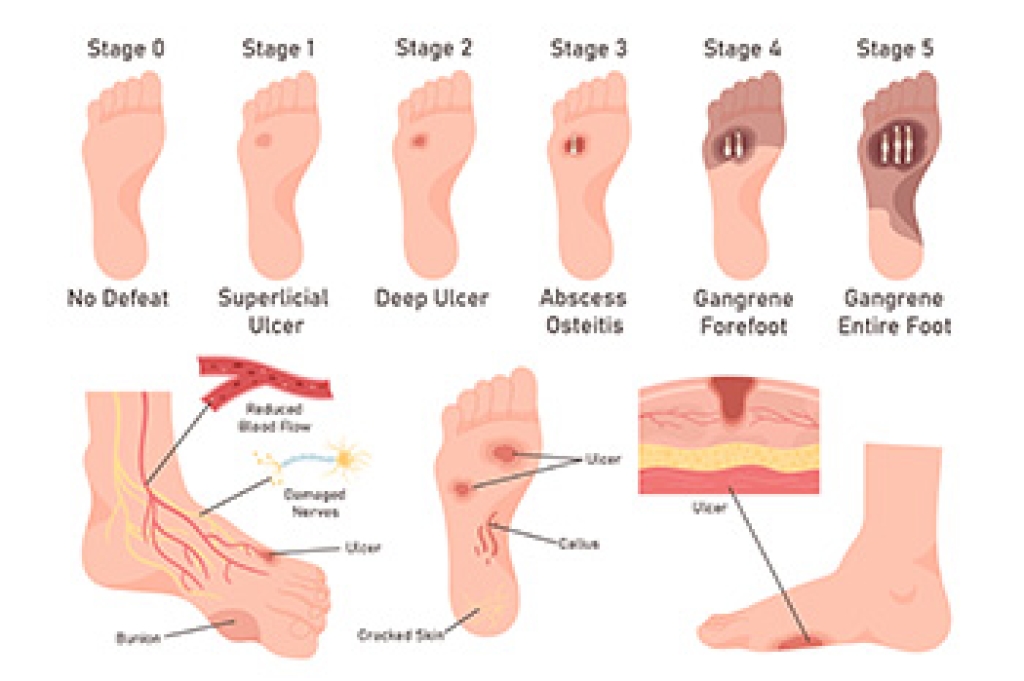
Diabetic foot ulcers progress through distinct stages, each requiring careful attention to prevent complications. Superficial ulceration begins with damage to the top layer of skin, often presenting as a small sore or redness. Deep ulceration extends into the tissues beneath the skin, increasing the risk of infection and discomfort. Osteomyelitis or deep abscess occurs when the infection reaches the bone, creating severe pain and swelling. In advanced cases, gangrene of the forefoot may develop, posing serious threats to mobility and overall health. A podiatrist can evaluate the severity of the ulcer, provide wound care, recommend protective footwear, and guide treatments to promote healing and prevent progression. If you have diabetes and notice any signs of a foot ulcer, it is suggested that you are under the care of a podiatrist who can help you to manage this serious condition.
Wound care is an important part in dealing with diabetes. If you have diabetes and a foot wound or would like more information about wound care for diabetics, consult with Anas Khoury, DPM from North Eastern Foot & Ankle Specialists. Our doctor will assess your condition and provide you with quality foot and ankle treatment.
What Is Wound Care?
Wound care is the practice of taking proper care of a wound. This can range from the smallest to the largest of wounds. While everyone can benefit from proper wound care, it is much more important for diabetics. Diabetics often suffer from poor blood circulation which causes wounds to heal much slower than they would in a non-diabetic.
What Is the Importance of Wound Care?
While it may not seem apparent with small ulcers on the foot, for diabetics, any size ulcer can become infected. Diabetics often also suffer from neuropathy, or nerve loss. This means they might not even feel when they have an ulcer on their foot. If the wound becomes severely infected, amputation may be necessary. Therefore, it is of the upmost importance to properly care for any and all foot wounds.
How to Care for Wounds
The best way to care for foot wounds is to prevent them. For diabetics, this means daily inspections of the feet for any signs of abnormalities or ulcers. It is also recommended to see a podiatrist several times a year for a foot inspection. If you do have an ulcer, run the wound under water to clear dirt from the wound; then apply antibiotic ointment to the wound and cover with a bandage. Bandages should be changed daily and keeping pressure off the wound is smart. It is advised to see a podiatrist, who can keep an eye on it.
If you have any questions please contact our office located in Passaic, NJ. We offer the newest diagnostic and treatment technologies for all your foot and ankle needs.