Hablamos Español

What Can Contribute to Ankle Pain?

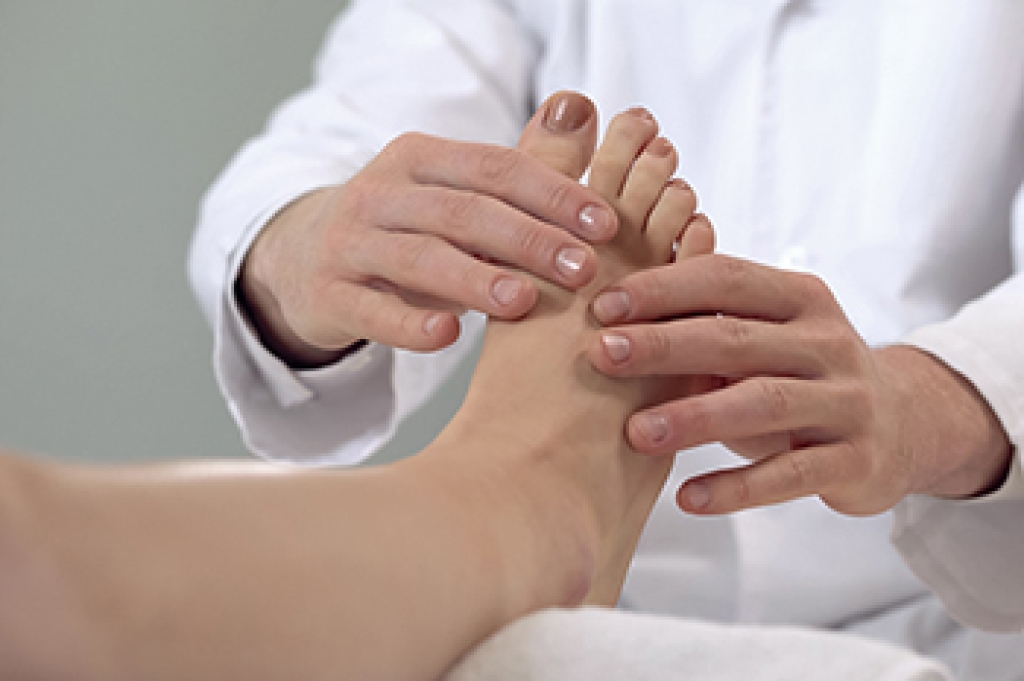
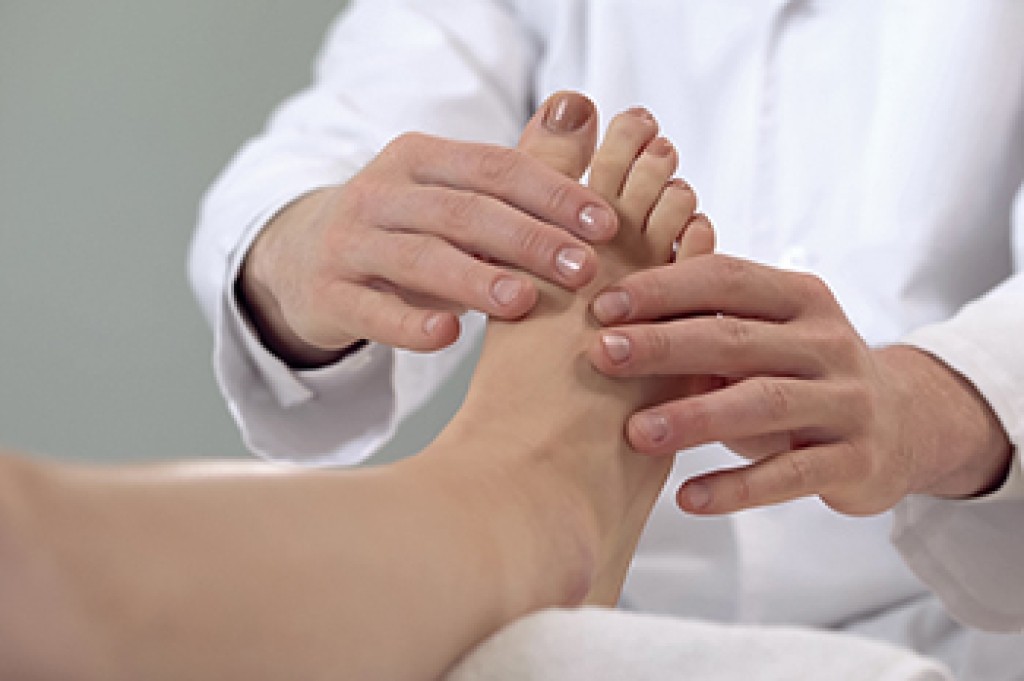
Anyone who has experienced ankle pain is often aware of the difficulty this may cause while attempting to complete daily activities. The function of the ankle is to provide balance and stability to the body, and there are several bones, ligaments, and tendons that are found within it. Research has indicated it is the bone in the body that is injured most frequently, and it can happen from overuse, or a running injury. It can also occur while stepping off of a curb or uneven surface, which can stretch the ankle beyond its normal range of motion. It is suggested that people who enjoy participating in sporting activities perform strengthening ankle stretches and exercises, and this may help to provide proper conditioning. There may be existing medical conditions that can affect the ankle. These include osteoarthritis, rheumatoid arthritis, or post-traumatic arthritis. It may be difficult to put any weight on the ankle, and walking may be difficult or impossible to do. Ankle discomfort is not a normal ailment to have, and if you are experiencing this type of pain, it is strongly advised that you consult with a podiatrist who can determine what the source is, and treat it accordingly. 

Ankle pain can be caused by a number of problems and may be potentially serious. If you have ankle pain, consult with Anas Khoury, DPM from North Eastern Foot & Ankle Specialists. Our doctor will assess your condition and provide you with quality foot and ankle treatment.

Ankle pain is any condition that causes pain in the ankle. Due to the fact that the ankle consists of tendons, muscles, bones, and ligaments, ankle pain can come from a number of different conditions.

Causes

The most common causes of ankle pain include:

  • Types of arthritis (rheumatoid, osteoarthritis, and gout)
  • Ankle sprains
  • Broken ankles
  • Achilles tendonitis
  • Achilles tendon rupture
  • Stress fractures
  • Bursitis
  • Tarsal tunnel syndrome
  • Plantar fasciitis

Symptoms

Symptoms of ankle injury vary based upon the condition. Pain may include general pain and discomfort, swelling, aching, redness, bruising, burning or stabbing sensations, and/or loss of sensation.

Diagnosis

Due to the wide variety of potential causes of ankle pain, podiatrists will utilize a number of different methods to properly diagnose ankle pain. This can include asking for personal and family medical histories and of any recent injuries. Further diagnosis may include sensation tests, a physical examination, and potentially x-rays or other imaging tests.

Treatment

Just as the range of causes varies widely, so do treatments. Some more common treatments are rest, ice packs, keeping pressure off the foot, orthotics and braces, medication for inflammation and pain, and surgery.

If you have any questions please feel free to contact our office located in Passaic, NJ . We offer the newest diagnostic tools and technology to treat your foot and ankle needs.
Read more about Ankle Pain

Foot Wounds and Diabetic Ulcers May Lead To Amputation

The amount of lower limb amputations is at an increased rate, and this is especially true of diabetic patients. High blood levels and poor glucose management can significantly contribute to the onset of diabetes which can lead to the amputation of a toe or a leg. An unnoticed cut on the bottom of the foot may lead to an infection that grows into a diabetic foot ulcer. This can be from the inability to heal properly, in addition to not keeping the weight off of the foot. There are methods that can be implemented which can help to eliminate the need for amputation. These can include controlling the body’s sugar levels, and having regular foot assessments performed by a podiatrist. Research has indicated this may help to reduce the risk of developing a foot ulcer by approximately 50%, which can lead to possible prevention of amputation. If you have diabetes, it is strongly suggested that you are under the care of a podiatrist, who can help you to properly manage this condition, and guide you toward methods in controlling your blood sugar.

Diabetic Limb Salvage

Diabetic limb salvage can be an effective way in preventing the need for limb amputation. If you have a foot ulcer and diabetes, consult with Anas Khoury, DPM from North Eastern Foot & Ankle Specialists. Our doctor will assess your condition and provide you with quality foot and ankle treatment.

What Is Diabetic Limb Salvage?

Diabetic limb salvage is the attempt of saving a limb, such as the foot, that has an infected ulcer, from amputation. Podiatrists also try to make sure that there is enough function in the foot after the salvage that it is still usable. Those with diabetes experience poor blood circulation, which prevents proper healing of an ulcer. If the ulcer is left uncheck, it could become infected, which could result in the need for amputation.

Diabetes is the number one cause of non-traumatic amputations in the United States. Amputation has been found to lead to higher mortality rates. This translates into higher healthcare costs, and a reduced quality of life and mobility for amputees. Podiatrists have attempted to increase the prevalence of limb salvage in an attempt to solve these issues.

Diagnosis and Treatment

Limb salvage teams have grown in recent years that utilize a number of different treatments to save the infected limb. This includes podiatrists that specialize in wound care, rehabilitation, orthotics, and surgery. Through a combination of these methods, limb salvage has been found to be an effective treatment for infected limbs, and as an alternative to amputation. Podiatrists will first evaluate the potential for limb salvage and determine if the limb can be saved or must be amputated. 

If you have any questions, please feel free to contact our office located in Passaic, NJ . We offer the newest diagnostic and treatment technologies for all your foot care needs.

Read more about Diabetic Limb Salvage

Pinky Toe Ingrown Toenails

An ingrown toenail is a potentially painful and unsightly condition that usually affects the big toe. This condition occurs when the side of the toenail grows into the skin, creating redness and swelling in the affected area. However, it is also possible for an ingrown toenail to develop on the pinky toe. This can be problematic for several reasons. Most notably, the pinky toe is the smallest of all the toes, which makes taking proper care of the pinky toenail difficult. Many individuals can not properly trim or cut this toenail due to its small size, which is a leading cause of ingrown toenails. For example, toenails that are cut too short or in a misshapen way can develop into ingrown toenails. A good way to prevent this from happening to your pinky toes is to cut the toenail straight across. This can prevent the nail from growing into the skin. Another helpful method of prevention is to wear shoes that do not crowd the toes and offer sufficiently large toe boxes. The pinky is certainly a small and often neglected part of the human body. However, having an ingrown toenail on your pinky toe is nothing to take lightly. Reach out to your local podiatrist to learn more about treating your ingrown toenail.

Ingrown toenails can become painful if they are not treated properly. For more information about ingrown toenails, contact Anas Khoury, DPM of North Eastern Foot & Ankle Specialists. Our doctor can provide the care you need to keep you pain-free and on your feet.

Ingrown Toenails

Ingrown toenails occur when a toenail grows sideways into the bed of the nail, causing pain, swelling, and possibly infection.

Causes

  • Bacterial infections
  • Improper nail cutting such as cutting it too short or not straight across
  • Trauma to the toe, such as stubbing, which causes the nail to grow back irregularly
  • Ill-fitting shoes that bunch the toes too close together
  • Genetic predisposition

Prevention

Wearing proper fitting shoes and using proper cutting techniques will also help decrease your risk of developing ingrown toenails.

Treatment

Ingrown toenails are a very treatable foot condition. In minor cases, soaking the affected area in salt or antibacterial soaps will not only help with the ingrown nail itself, but also help prevent any infections from occurring. In more severe cases, surgery is an option. In either case, speaking to your podiatrist about this condition will help you get a better understanding of specific treatment options that are right for you.

If you have any questions, please feel free to contact our office located in Passaic, NJ . We offer the newest diagnostic and treatment technologies for all your foot care needs.

Read more about Ingrown Toenails

Arthritis in the Big Toe

The big toe plays an important role in our ability to walk and remain balanced. The place where the big toe connects to the foot is called the metatarsophalangeal joint (MTP). This joint, like many others in the body, is often the target of osteoarthritis because it gets a lot of wear and tear. Symptoms include pain (especially while active), stiffness, swelling, and a shifting of weight when you walk (change in gait). Occasionally, the big toe pushes toward the other toes, forming a bunion. Stiffness in the joint can result in a difficulty walking, which then can lead to the formation of calluses, corns, and hammertoes. The risk of developing osteoarthritis increases as you age, but other factors such as genetics, obesity, and prior joint injury can contribute to it. As with any progressive disease, osteoarthritis in the big toe can only become worse. Getting treatment from a podiatrist as early as possible is a good idea. X-rays can often detect the extent of the damage to the MTP joint and help the doctor to determine treatment options. Among them are certain prescription medications, changes in footwear, and in severe cases, surgery. For more information on osteoarthritis of the big toe, please consult a podiatrist.  

Toe pain can disrupt your daily activities. If you have any concerns, contact Anas Khoury, DPM of North Eastern Foot & Ankle Specialists. Our doctor can provide the care you need to keep you pain-free and on your feet.

What Causes Toe Pain?

Most severe toe pain is caused due to a sports injury, trauma from dropping something heavy on the toe, or bumping into something rigid. Other problems can develop over time for various reasons.

Toe pain can be caused by one or more ailments. The most common include:

  • Trauma
  • Sports injury
  • Wearing shoes that are too tight
  • Arthritis
  • Gout
  • Corns and calluses
  • Hammertoe
  • Bunions
  • Blisters
  • Ingrown toenails
  • Sprains
  • Fractures (broken bones)
  • Dislocations

When to See a Podiatrist

  • Severe pain
  • Persistent pain that lasts more than a week
  • Signs of infection
  • Continued swelling
  • Pain that prevents walking

Diagnosis

In many cases the cause of toe pain is obvious, but in others, a podiatrist may want to use more advanced methods to determine the problem. These can range from simple visual inspections and sensation tests to X-rays and MRI scans. Prior medical history, family medical history, and any recent physical traumatic events will all be taken into consideration for a proper diagnosis.

Treatment

Treatments for toe pain and injuries vary and may include shoe inserts, padding, taping, medicines, injections, and in some cases, surgery. If you believe that you have broken a toe, please see a podiatrist as soon as possible.

If you have any questions please contact our office located in Passaic, NJ . We offer the newest diagnostic and treatment technologies for all your foot and ankle needs.

Read more about Toe Pain

Keep Your Feet Healthy So You Can Stay Active

Have your feet inspected by a professional before starting a new sport or physical activity. Taking charge of your foot health will keep you in good physical condition and can help you avoid a potential injury, such as a fracture or sprained ankle.

Prevent injuries and see a foot specialist.

Connect With Us