Hablamos Español

Benefits of Orthotics for Runners

Orthotics, custom-made or over-the-counter inserts, can be beneficial for runners, often enhancing comfort by providing additional support and cushioning tailored to an individual’s foot shape. This support may reduce the stress on feet, ankles, knees, and even the lower back, allowing for a more comfortable running experience. For some runners, orthotics may also contribute to improved performance. By promoting better alignment and distributing pressure evenly, they may encourage a more efficient stride, potentially translating to better speed. However, the extent to which orthotics impact performance varies greatly and is often specific to individual biomechanics. The impact of orthotics on injury prevention is more complex. If you are a runner and want to enhance your comfort and prevent injuries while running, it is suggested that you visit a podiatrist who can evaluate your specific needs, creating custom orthotics if necessary, and offering guidance on their best use to achieve comfort and support.

If you are having discomfort in your feet and would like to try orthotics, contact Anas Khoury, DPM from North Eastern Foot & Ankle Specialists. Our doctor can provide the care you need to keep you pain-free and on your feet.

What Are Orthotics?

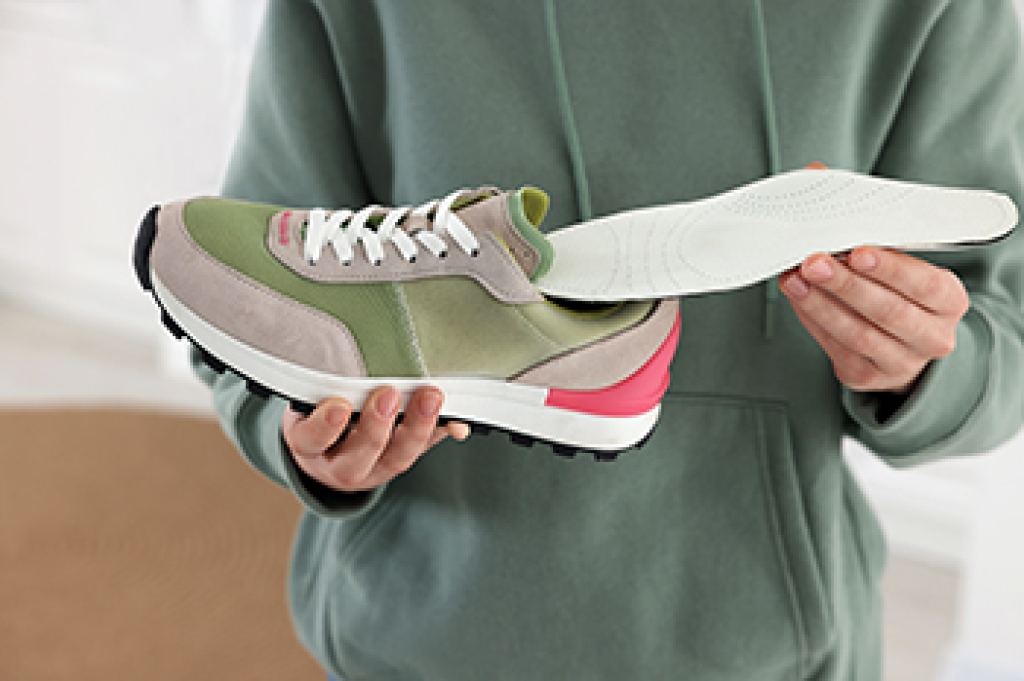
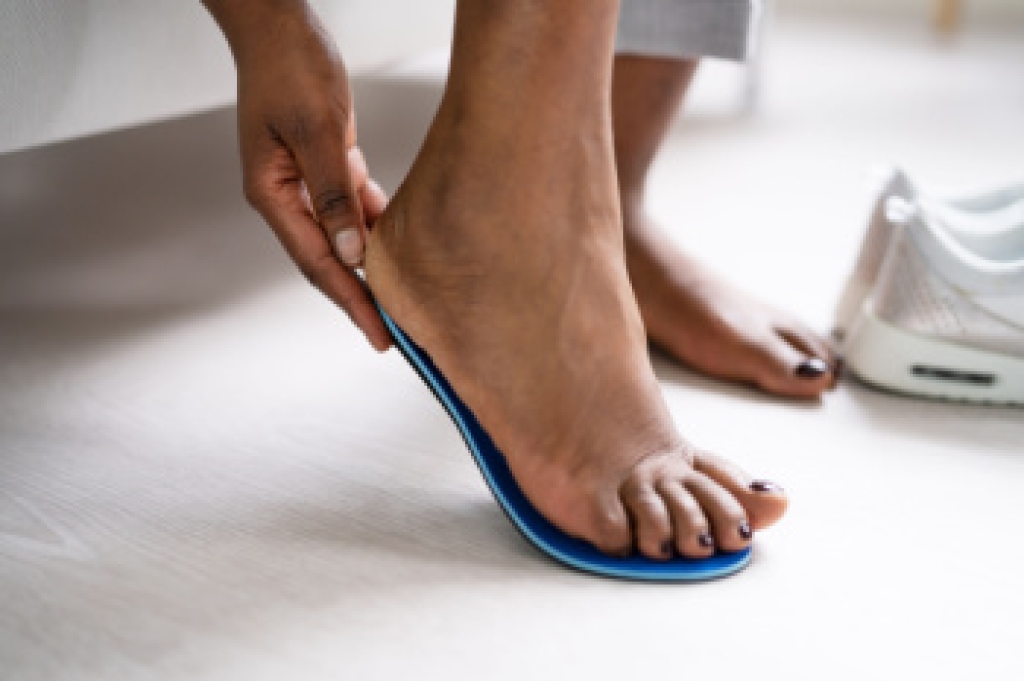
Orthotics are inserts you can place into your shoes to help with a variety of foot problems such as flat feet or foot pain. Orthotics provide relief and comfort for minor foot and heel pain but can’t correct serious biomechanical problems in your feet.

Over-the-Counter Inserts

Orthotics come in a wide variety of over-the-counter inserts that are used to treat foot pain, heel pain, and minor problems. For example, arch supports can be inserted into your shoes to help correct overarched or flat feet, while gel insoles are often used because they provide comfort and relief from foot and heel pain by alleviating pressure.

Prescription Orthotics

If over-the-counter inserts don’t work for you or if you have a more severe foot concern, it is possible to have your podiatrist prescribe custom orthotics. These high-quality inserts are designed to treat problems such as abnormal motion, plantar fasciitis, and severe forms of heel pain. They can even be used to help patients suffering from diabetes by treating foot ulcers and painful calluses and are usually molded to your feet individually, which allows them to provide full support and comfort.

If you are experiencing minor to severe foot or heel pain, it’s recommended to speak with your podiatrist about the possibilities of using orthotics. A podiatrist can determine which type of orthotic is right for you and allow you to take the first steps towards being pain-free.

If you have any questions, please feel free to contact our office located in Passaic, NJ . We offer the newest diagnostic and treatment technologies for all your foot care needs.

Read more about Foot Orthotics

Orthotics as Part of Diabetic Foot Care and Management

Prevention and management of diabetic foot issues are critical in avoiding serious complications, such as ulcers or infections. If not addressed in a timely manner, diabetic foot problems can lead to severe consequences, including amputation. Custom orthotics play a key role in reducing the risk of these complications by providing targeted support. Custom orthotics are specifically designed to relieve pressure on vulnerable areas of the foot, improving circulation and reducing the risk of sores or ulcers. They also enhance stability, which helps prevent falls and further injury. By redistributing weight and cushioning sensitive areas, orthotics can significantly reduce pain and protect the feet from additional stress. Proper use of custom orthotics, along with regular foot care and medical supervision, is essential for diabetic patients to manage foot health effectively and prevent the progression of serious foot-related complications. If you have diabetes, it is strongly suggested that you are under the care of a podiatrist who can address the advantages of custom orthotics for your foot health.

Our feet carry us through every part of life, absorbing the impact of thousands of steps each day. When they are not properly supported, the effects can extend far beyond the feet themselves. Custom orthotics provide the foundation the body needs by aligning, cushioning, and stabilizing each foot in its most natural position. They are carefully crafted to match the unique structure of each individual’s feet, allowing them to move efficiently and comfortably while reducing stress on the muscles, joints, and ligaments.

Proper foot support is essential for maintaining balance and preventing fatigue. Without it, the body compensates by shifting weight unevenly, which can lead to discomfort in the ankles, knees, hips, or lower back. Custom orthotics help restore this balance by redistributing pressure and promoting a more natural walking pattern. They not only ease existing pain but also protect against future strain or injury by supporting the arches and controlling excessive motion.

Unlike store-bought insoles, custom orthotics are created through detailed assessment and advanced technology to provide precise correction and comfort. They fit seamlessly into most shoes, making them ideal for daily wear, work, or sports.

If your feet feel tired, sore, or unsupported, it is recommended that you contact our office for more information, or to make an appointment.

If you have any questions please contact our office located in Passaic, NJ

Read more about Investing in Custom Orthotics Means Investing in Foot Health

Stretching and Exercising as Part of Plantar Fasciitis Treatment

Plantar fasciitis is inflammation of the plantar fascia, a thick band of tissue connecting the heel to the toes, causing stabbing pain in the heel, especially upon waking or after long periods of inactivity. Common in runners, people with high arches or flat feet, and those who stand for extended hours, it affects a broad range of active adults and older individuals. Stretching and exercises are essential in podiatric treatment, helping to reduce pain, improve flexibility, and support recovery. Recommended stretches include calf and foot stretches, such as pulling the toes back to elongate the plantar fascia. Strengthening exercises focus on the muscles of the foot and lower leg, like toe curls or using a towel to pull the toes gently toward the body. Consistent stretching, particularly before and after activity, can improve symptoms and prevent recurrence. If you have plantar fasciitis, it is strongly suggested that you consult with a podiatrist for treatment, which will likely involve stretches and exercises.

Plantar fasciitis is a common foot condition that is often caused by a strain injury. If you are experiencing heel pain or symptoms of plantar fasciitis, contact Anas Khoury, DPM from North Eastern Foot & Ankle Specialists. Our doctor can provide the care you need to keep you pain-free and on your feet.

What Is Plantar Fasciitis?

Plantar fasciitis is one of the most common causes of heel pain. The plantar fascia is a ligament that connects your heel to the front of your foot. When this ligament becomes inflamed, plantar fasciitis is the result. If you have plantar fasciitis you will have a stabbing pain that usually occurs with your first steps in the morning. As the day progresses and you walk around more, this pain will start to disappear, but it will return after long periods of standing or sitting.

What Causes Plantar Fasciitis?

  • Excessive running
  • Having high arches in your feet
  • Other foot issues such as flat feet
  • Pregnancy (due to the sudden weight gain)
  • Being on your feet very often

There are some risk factors that may make you more likely to develop plantar fasciitis compared to others. The condition most commonly affects adults between the ages of 40 and 60. It also tends to affect people who are obese because the extra pounds result in extra stress being placed on the plantar fascia.

Prevention

  • Take good care of your feet – Wear shoes that have good arch support and heel cushioning.
  • Maintain a healthy weight
  • If you are a runner, alternate running with other sports that won’t cause heel pain

There are a variety of treatment options available for plantar fasciitis along with the pain that accompanies it. Additionally, physical therapy is a very important component in the treatment process. It is important that you meet with your podiatrist to determine which treatment option is best for you.

If you have any questions, please feel free to contact our office located in Passaic, NJ . We offer the newest diagnostic and treatment technologies for all your foot care needs.


Read more about Plantar Fasciitis

What Is Morton’s Neuroma?

Morton’s neuroma is a painful condition affecting the foot, specifically involving a thickening of the tissue surrounding a nerve, often between the third and fourth toes. This condition can be caused by various factors, including wearing tight shoes, high heels, high foot arches, or engaging in repetitive activities that put pressure on the feet. Symptoms include sharp, burning pain in the ball of the foot, a sensation of having a pebble in the shoe, and tingling or numbness in the toes. These symptoms can worsen with activity and improve with rest. Initial treatment options include wearing wider shoes or using orthotic inserts. However, if symptoms persist or worsen, medical intervention may be necessary. A podiatrist might recommend corticosteroid injections, targeted exercises, or, in severe cases, surgical options to relieve the pressure on the nerve. If you are experiencing symptoms of Morton’s neuroma, it is suggested that you schedule an appointment with a podiatrist for a comprehensive evaluation and effective treatment options.

Morton’s neuroma is a very uncomfortable condition to live with. If you think you have Morton’s neuroma, contact Anas Khoury, DPM of North Eastern Foot & Ankle Specialists. Our doctor will attend to all of your foot care needs and answer any of your related questions.  

Morton’s Neuroma

Morton's neuroma is a painful foot condition that commonly affects the areas between the second and third or third and fourth toe, although other areas of the foot are also susceptible. Morton’s neuroma is caused by an inflamed nerve in the foot that is being squeezed and aggravated by surrounding bones.

What Increases the Chances of Having Morton’s Neuroma?

  • Ill-fitting high heels or shoes that add pressure to the toe or foot
  • Jogging, running or any sport that involves constant impact to the foot
  • Flat feet, bunions, and any other foot deformities

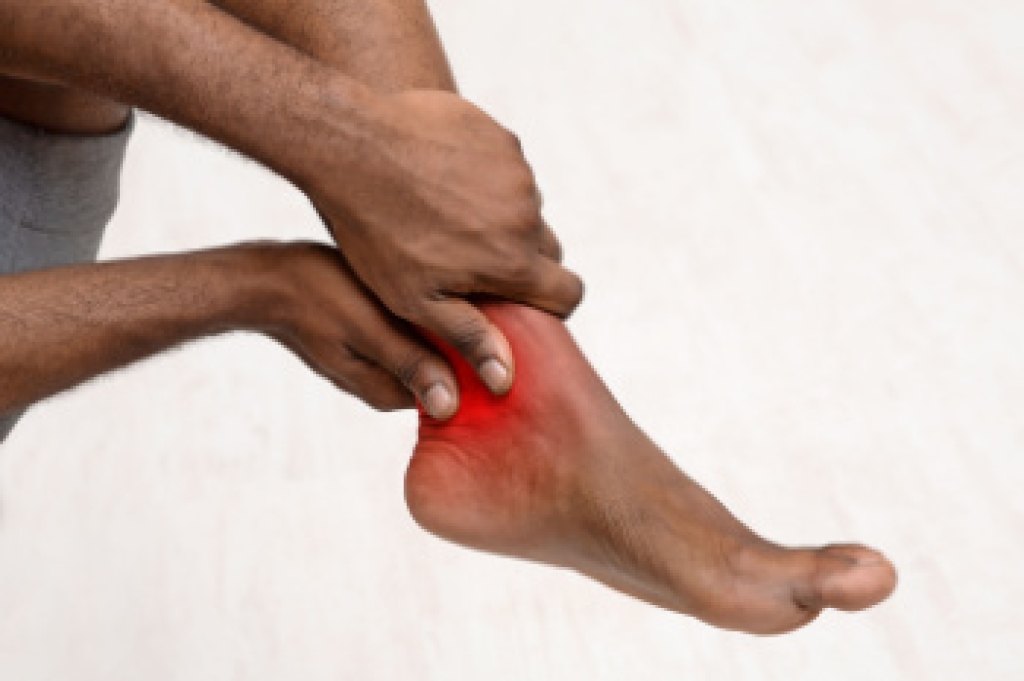
Morton’s neuroma is a very treatable condition. Orthotics and shoe inserts can often be used to alleviate the pain on the forefront of the feet. In more severe cases, corticosteroids can also be prescribed. In order to figure out the best treatment for your neuroma, it’s recommended to seek the care of a podiatrist who can diagnose your condition and provide different treatment options.

If you have any questions, please feel free to contact our office located in Passaic, NJ . We offer the newest diagnostic and treatment technologies for all your foot care needs.
Read more about Morton's Neuroma

Osteoarthritis of the Ankle

Osteoarthritis of the ankle is less common than in the knees or hips, but it can significantly affect quality of life. It often develops after injury, such as a fracture or sprain, leading to wear and tear of the cartilage. The average age of onset is typically in the 50s, but earlier cases may occur after trauma. Symptoms include pain, stiffness, and swelling, making it difficult to walk or stand for long periods of time. Initial treatments focus on relieving symptoms with conservative measures like targeted stretching exercises and supportive footwear. If pain persists, more advanced options include cortisone injections and orthotics. In severe cases, surgery may be necessary, ranging from joint-preserving procedures like arthroscopy or osteotomy to joint-sacrificing options like ankle fusion or total ankle replacement to restore mobility and reduce pain. If you suffer from ankle arthritis, it is suggested that you schedule an appointment with a podiatrist for an evaluation and treatment for the level of pain you are experiencing.

Arthritis can be a difficult condition to live with. If you are seeking treatment, contact Anas Khoury, DPM from North Eastern Foot & Ankle Specialists. Our doctor can provide the care you need to keep you pain-free and on your feet.

Arthritic Foot Care  

Arthritis is a term that is commonly used to describe joint pain.  The condition itself can occur to anyone of any age, race, or gender, and there are over 100 types of it.  Nevertheless, arthritis is more commonly found in women compared to men, and it is also more prevalent in those who are overweight. The causes of arthritis vary depending on which type of arthritis you have. Osteoarthritis for example, is often caused by injury, while rheumatoid arthritis is caused by a misdirected immune system.

Symptoms

  • Swelling
  • Pain
  • Stiffness
  • Decreased Range of Motion

Arthritic symptoms range in severity, and they may come and go. Some symptoms stay the same for several years but could potentially get worse with time. Severe cases of arthritis can prevent its sufferers from performing daily activities and make walking difficult.

Risk Factors

  • Occupation – Occupations requiring repetitive knee movements have been linked to osteoarthritis
  • Obesity – Excess weight can contribute to osteoarthritis development
  • Infection – Microbial agents can infect the joints and trigger arthritis
  • Joint Injuries – Damage to joints may lead to osteoarthritis
  • Age – Risk increases with age
  • Gender –Most types are more common in women
  • Genetics – Arthritis can be hereditary

If you suspect your arthritis is affecting your feet, it is crucial that you see a podiatrist immediately. Your doctor will be able to address your specific case and help you decide which treatment method is best for you.

If you have any questions please feel free to contact our office located in Passaic, NJ . We offer the newest diagnostic tools and technology to treat your foot and ankle needs.

Read more about How to Care for Your Arthritic Foot

Connect With Us