Hablamos Español

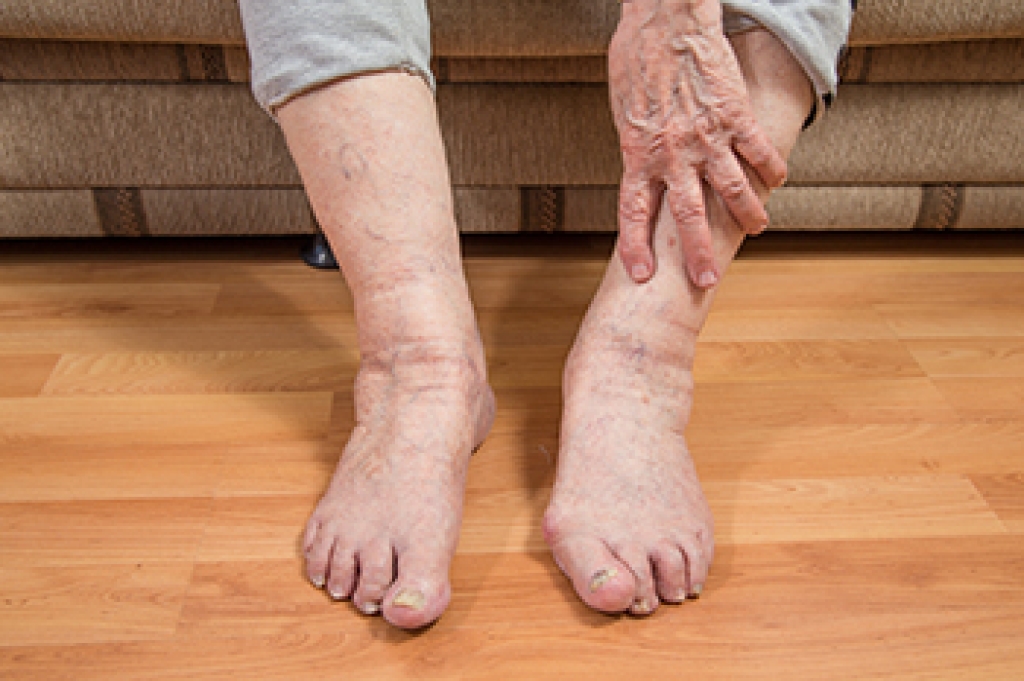
Telltale Signs of Aging Feet

As we age, our feet undergo significant changes that may affect their appearance, function, and comfort. One of the most noticeable signs of aging feet is the development of wrinkles and thinning skin, which can result from decreased elasticity and collagen production. Additionally, the natural fat padding on the soles of the feet diminishes over time, leading to a loss of cushioning and increased susceptibility to pain and pressure. Other common signs include changes in toenail thickness and shape, as well as the formation of corns, calluses, and bunions due to years of wear and tear. Arthritic changes may also manifest in the form of stiffness, swelling, and joint deformities, making it more challenging to move and maintain balance. If you have encountered foot problems as you age, it is suggested that you confer with a podiatrist who can help you with effective remedies.

Proper foot care is something many older adults forget to consider. If you have any concerns about your feet and ankles, contact Anas Khoury, DPM from North Eastern Foot & Ankle Specialists. Our doctor can provide the care you need to keep you pain-free and on your feet.

The Elderly and Their Feet

As we age we start to notice many changes in our body, but the elder population may not notice them right away. Medical conditions may prevent the elderly to take notice of their foot health right away. Poor vision is a lead contributor to not taking action for the elderly.

Common Conditions 

  • Neuropathy – can reduce feeling in the feet and can hide many life-threatening medical conditions.
  • Reduced flexibility – prevents the ability of proper toenail trimming, and foot cleaning. If left untreated, it may lead to further medical issues.
  • Foot sores – amongst the older population can be serious before they are discovered. Some of the problematic conditions they may face are:
  • Gouging toenails affecting nearby toe
  • Shoes that don’t fit properly
  • Pressure sores
  • Loss of circulation in legs & feet
  • Edema & swelling of feet and ankles

Susceptible Infections

Diabetes and poor circulation can cause general loss of sensitivity over the years, turning a simple cut into a serious issue.

If you have any questions, please feel free to contact our office located in Passaic, NJ . We offer the newest diagnostic and treatment technologies for all your foot care needs.
Read more about Taking Care of Elderly Feet

Tailored Design of Foot Orthotics for Foot and Ankle Problems

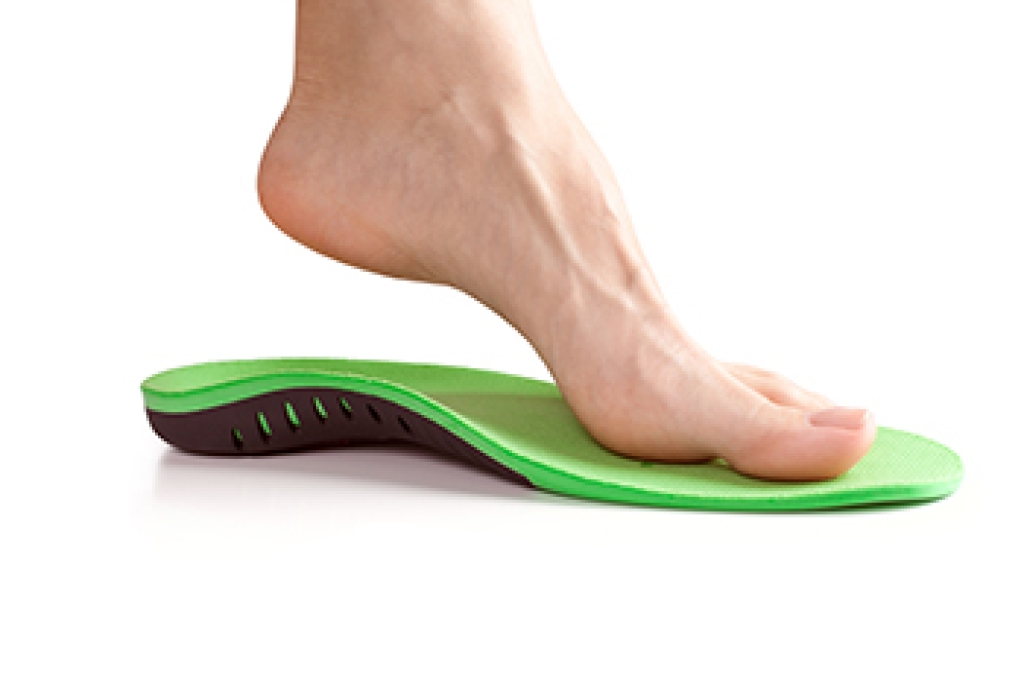
Orthotic design plays a pivotal role in managing various foot problems, ranging from ankle issues to functional impairments and total contact needs. Ankle orthotics are specifically crafted to provide stability and support commonly used for conditions like ankle sprains or instability. Functional orthotics aim to correct biomechanical abnormalities, such as overpronation or supination, by realigning the foot and ankle joints during movement. These orthotics often incorporate features like arch support and heel cups to enhance stability and reduce strain. For individuals requiring total contact orthotics, the design focuses on evenly distributing pressure across the entire foot surface, important for conditions like diabetic foot ulcers. These orthotics are meticulously crafted to conform to the foot's contours, minimizing pressure points and promoting healing. If you are suffering from foot or ankle pain, it is suggested that you make an appointment with a podiatrist to discuss how customized orthotics can increase your comfort, support, and overall foot health.

Custom orthotics are often an effective solution for people experiencing heel pain, offering both comfort and correction for the underlying causes of discomfort. Heel pain commonly develops when the natural support of the foot becomes strained or imbalanced, leading to inflammation and irritation in the heel area. Conditions such as plantar fasciitis, heel spurs, or flat feet can all contribute to chronic heel pain that worsens with walking or standing. Custom orthotics are designed to fit the exact shape of your foot, providing the support and alignment necessary to reduce stress on the heel and surrounding tissues.

By redistributing pressure and improving overall foot mechanics, custom orthotics allow the heel to function more efficiently during movement. They cushion each step, absorb shock, and correct abnormal gait patterns that may be contributing to pain. Over time, this consistent support can ease inflammation, protect against re-injury, and enhance comfort during both daily and athletic activities.

Unlike prefabricated insoles, custom orthotics are created from a detailed evaluation that may include digital scans or molds of your feet. This ensures a precise and individualized fit that addresses your specific condition. They can be used in various types of footwear, from athletic shoes to dress styles, making them a versatile option for ongoing relief.

If heel pain is limiting your comfort or activity level, it is suggested that you call our office for more information or to schedule an appointment.

If you have any questions please contact our office located in Passaic, NJ

Read more about Investing in Custom Orthotics Means Investing in Foot Health

Symptoms and Definition of Kohler’s Disease

Kohler's disease, a rare foot condition primarily affecting children, involves the temporary interruption of blood supply to the navicular bone in the foot, leading to bone damage and subsequent pain. Typically occurring between the ages of 4 and 7, Kohler's disease manifests gradually, with such symptoms as localized swelling, tenderness, and difficulty in bearing weight on the affected foot. Children may also start limping or change their gait pattern as they try to alleviate discomfort. While the exact cause remains unclear, theories suggest factors such as vascular insufficiency or mechanical stress on the bone. Diagnosis often involves physical examination, imaging studies like X-rays, and ruling out other potential conditions. Treatment focuses on relieving symptoms and promoting healing, typically through rest, orthotic devices, and pain management strategies. Fortunately, most children recover fully without long-term complications, but early detection and intervention remain essential for optimal outcomes. If your child has symptoms of Kohler’s disease, it is strongly suggested that you make regular appointments with a podiatrist who can offer treatment and management techniques.

Some foot conditions may require additional professional care. If you have any concerns, contact Anas Khoury, DPM of North Eastern Foot & Ankle Specialists. Our doctor can provide the care you need to keep you pain-free and on your feet.

Rare Foot Conditions

The majority of foot conditions are common and can be treated by a podiatrist.  Standard diagnostic procedures are generally used to identify specific conditions and treatment can be rendered. A podiatrist also treats rare foot conditions which can be difficult to diagnose and may need extra attention and care. 

There are many rare foot conditions that can affect children. Some of these can include:

  • Freiberg’s disease
  • Kohler’s disease
  • Maffucci syndrome

Freiberg’s disease - This can be seen as a deterioration and flattening of a metatarsal bone that exists in the ball of the foot. It typically affects pre-teen and teenage girls, but can affect anyone at any age. Symptoms that can accompany this can be swelling, stiffness, and the patient may limp. 

Kohler’s disease - This often targets the bone in the arch of the foot and affects younger boys. It can lead to an interruption of the blood supply which ultimately can lead to bone deterioration. The patient may limp or experience tenderness, swelling, and redness.

Maffucci syndrome - This affects the long bones in a child’s foot leading to the development of abnormal bone lesions. They are benign growths and typically develop in early childhood and the bones may be susceptible to breaking. 

A podiatrist can properly diagnose and treat all types of rare foot conditions. If your child is affected by any of these symptoms or conditions, please don’t hesitate to call our office so the correct treatment method can begin.

If you have any questions, please feel free to contact our office located in Passaic, NJ . We offer the newest diagnostic and treatment technologies for all your foot care needs.
Read more about Rare Foot Conditions

Nurturing Your Feet With a Foot Care Routine

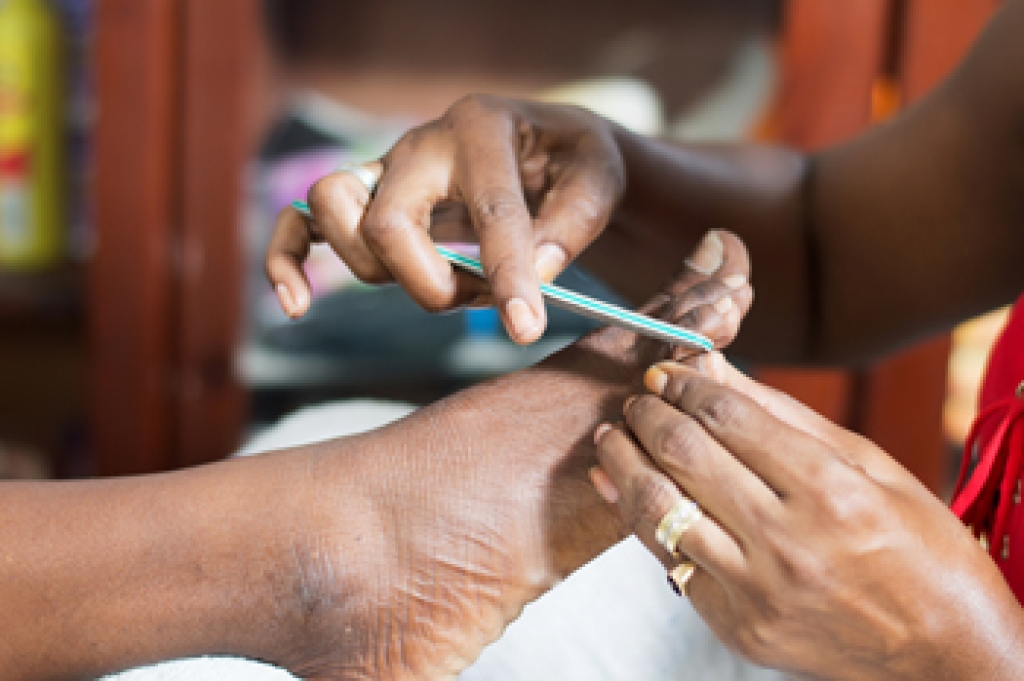
Your feet bear the weight of your bodiy and facilitate movement with every step. To ensure their health and well-being, it is important to establish a consistent foot care routine. Start by cleaning your feet daily with mild soap and warm water, paying special attention to the spaces between your toes. Regularly trimming toenails straight across helps prevent ingrown toenails and infections. Moisturizing your feet with a hydrating lotion or cream keeps the skin soft and supple, preventing dryness and cracks. Additionally, wearing properly fitting shoes with adequate support and cushioning can help prevent discomfort and reduce the risk of foot problems, such as bunions or plantar fasciitis. Finally, incorporating gentle stretches and exercises into your routine promotes flexibility and strength in the muscles and ligaments of the feet. If you are experiencing any foot problems, or are seeking additional information about effective foot care routine strategies, it is suggested that you consult a podiatrist.

Everyday foot care is very important to prevent infection and other foot ailments. If you need your feet checked, contact Anas Khoury, DPM from North Eastern Foot & Ankle Specialists. Our doctor can provide the care you need to keep you pain-free and on your feet.

Everyday Foot Care

Often, people take care of their bodies, face and hair more so than they do for their feet. But the feet are a very important aspect of our bodies, and one that we should pay more attention to. Without our feet, we would not be able to perform most daily tasks.

It is best to check your feet regularly to make sure there are no new bruises or cuts that you may not have noticed before. For dry feet, moisturizer can easily be a remedy and can be applied as often as necessary to the affected areas. Wearing shoes that fit well can also help you maintain good foot health, as well as making it easier to walk and do daily activities without the stress or pain of ill-fitting shoes, high heels, or even flip flops. Wearing clean socks with closed shoes is important to ensure that sweat and bacteria do not accumulate within the shoe. Clean socks help to prevent Athlete’s foot, fungi problems, bad odors, and can absorb sweat.

If you have any questions, please feel free to contact our office located in Passaic, NJ . We offer the newest diagnostic and treatment technologies for all your foot care needs.
Read more about Everyday Foot Care

Surgery for Morton's Neuroma

Morton's neuroma, a painful condition characterized by the thickening of tissue around the nerves leading to the toes, can significantly impair mobility and quality of life for those affected. While conservative treatments such as orthotic devices, shoe modifications, and corticosteroid injections can provide relief for some individuals, surgery may be necessary in cases where symptoms persist or worsen over time. Surgical intervention for Morton's neuroma typically involves removing the affected nerve tissue to alleviate pain and discomfort. The procedure aims to release the pressure on the nerves and restore normal function to the foot. Surgeons may opt for various techniques, including nerve decompression or neurectomy, depending on the severity and location of the neuroma. While surgery offers the potential for long-term relief from Morton's neuroma symptoms, it also entails risks and considerations that patients should discuss thoroughly with their podiatrists. If you have developed Morton’s neuroma, it is suggested that you consult your podiatrist who can discuss if surgery is a treatment option for you.

Morton’s neuroma is a very uncomfortable condition to live with. If you think you have Morton’s neuroma, contact Anas Khoury, DPM of North Eastern Foot & Ankle Specialists. Our doctor will attend to all of your foot care needs and answer any of your related questions.  

Morton’s Neuroma

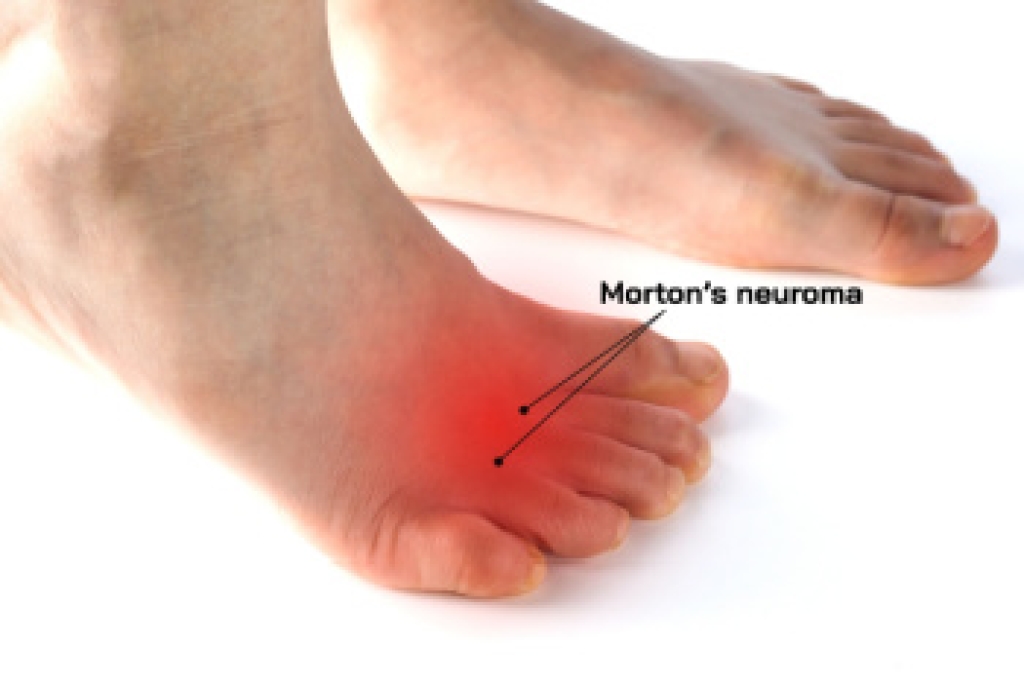
Morton's neuroma is a painful foot condition that commonly affects the areas between the second and third or third and fourth toe, although other areas of the foot are also susceptible. Morton’s neuroma is caused by an inflamed nerve in the foot that is being squeezed and aggravated by surrounding bones.

What Increases the Chances of Having Morton’s Neuroma?

  • Ill-fitting high heels or shoes that add pressure to the toe or foot
  • Jogging, running or any sport that involves constant impact to the foot
  • Flat feet, bunions, and any other foot deformities

Morton’s neuroma is a very treatable condition. Orthotics and shoe inserts can often be used to alleviate the pain on the forefront of the feet. In more severe cases, corticosteroids can also be prescribed. In order to figure out the best treatment for your neuroma, it’s recommended to seek the care of a podiatrist who can diagnose your condition and provide different treatment options.

If you have any questions, please feel free to contact our office located in Passaic, NJ . We offer the newest diagnostic and treatment technologies for all your foot care needs.

Read more about What is Morton's Neuroma?

Connect With Us