Hablamos Español

Common Causes of Ankle and Leg Pain

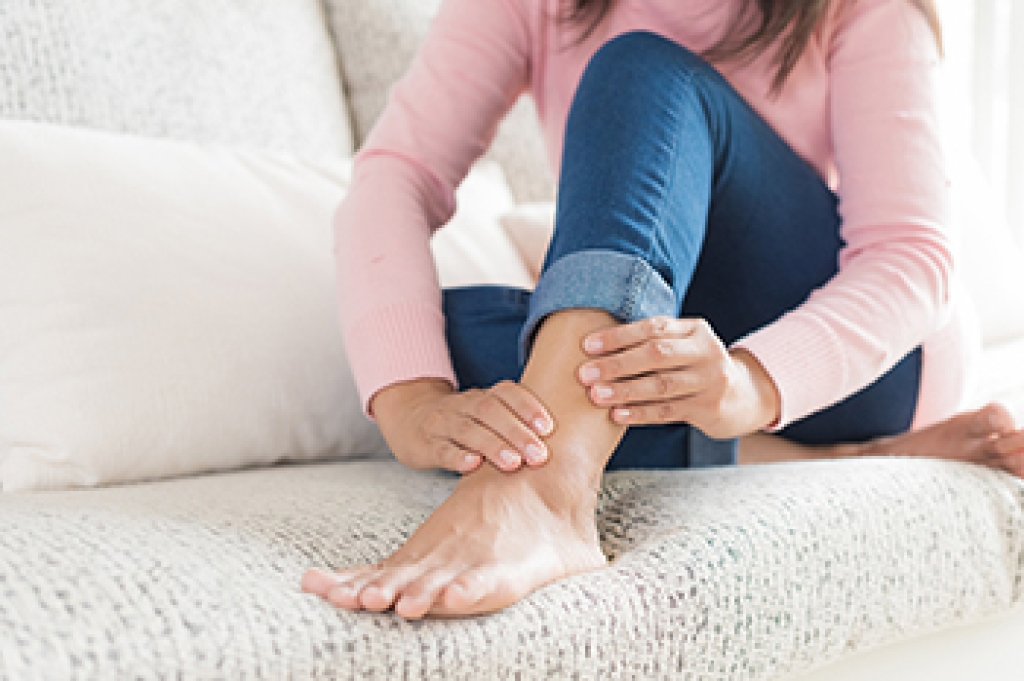
The ankles and legs put in a full day’s work for most people. As a result, when they cause pain, many of your normal activities can be disrupted. A large majority of pain to the legs and ankles is caused by injury to bones, muscles, joints, and ligaments. Blood clots, nerve or circulatory problems, and back injuries also may be factors. Conditions that commonly cause ankle pain include tendonitis, reduced blood flow, sprains, muscle strains, and stress fractures. Tendonitis, felt in the back of the ankle or leg, is usually the result of overuse, which causes inflammation. Sitting at a desk all day, or any type of sedentary lifestyle may result in a lack of blood flow to the lower limbs. This can cause blood clots and leg ulcers, the latter common among diabetics. A tear or rupture of the ligaments in and around the ankle is called a sprain, and if not properly cared for, it may end up as a chronic condition. Muscle strains are another repetitive injury that can produce pain and cramping. Stress fractures are tiny cracks in the bones, common to athletes who run and jump a lot. If ankle and lower leg pain are causing distress, please consult a podiatrist.

Ankle pain can have many different causes and the pain may potentially be serious. If you have ankle pain, consult with Anas Khoury, DPM from North Eastern Foot & Ankle Specialists. Our doctor will assess your condition and provide you with quality foot and ankle treatment.

Ankle pain is any condition that causes pain in the ankle. Due to the fact that the ankle consists of tendons, muscles, bones, and ligaments, ankle pain can come from a number of different conditions.

Causes

The most common causes of ankle pain include:

  • Types of arthritis (rheumatoid, osteoarthritis, and gout)
  • Ankle sprains
  • Broken ankles
  • Achilles tendinitis
  • Achilles tendon rupture
  • Stress fractures
  • Tarsal tunnel syndrome
  • Plantar fasciitis

Symptoms

Symptoms of ankle injury vary based upon the condition. Pain may include general pain and discomfort, swelling, aching, redness, bruising, burning or stabbing sensations, and/or loss of sensation.

Diagnosis

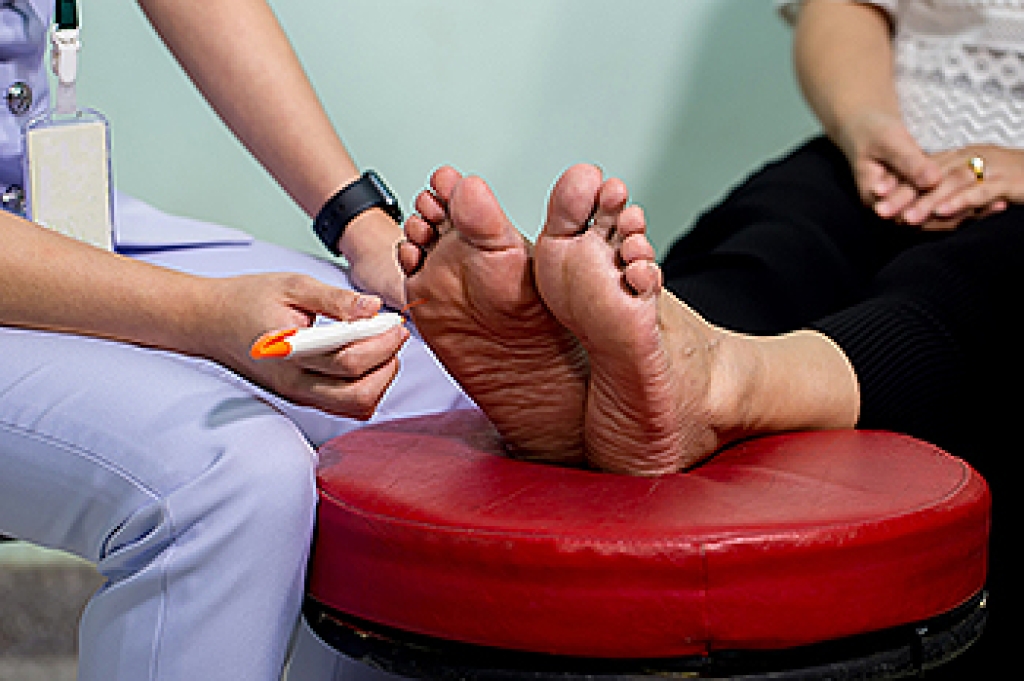
Due to the wide variety of potential causes of ankle pain, podiatrists will utilize a number of different methods to properly diagnose ankle pain. This can include asking for personal and family medical histories and of any recent injuries. Further diagnosis may include sensation tests, a physical examination, and potentially x-rays or other imaging tests.

Treatment

Just as the range of causes varies widely, so do treatments. Some more common treatments are rest, ice packs, keeping pressure off the foot, orthotics and braces, medication for inflammation and pain, and surgery.

If you have any questions please feel free to contact our office located in Passaic, NJ . We offer the newest diagnostic tools and technology to treat your foot and ankle needs.

Read more about Ankle Pain

Heel Pain in the Morning?

Heel pain can negatively affect your day-to-day life. Simple activities like walking can become incredibly uncomfortable or painful due to heel pain.

Don’t live with heel pain and get treated.

What Is Cuboid Syndrome?

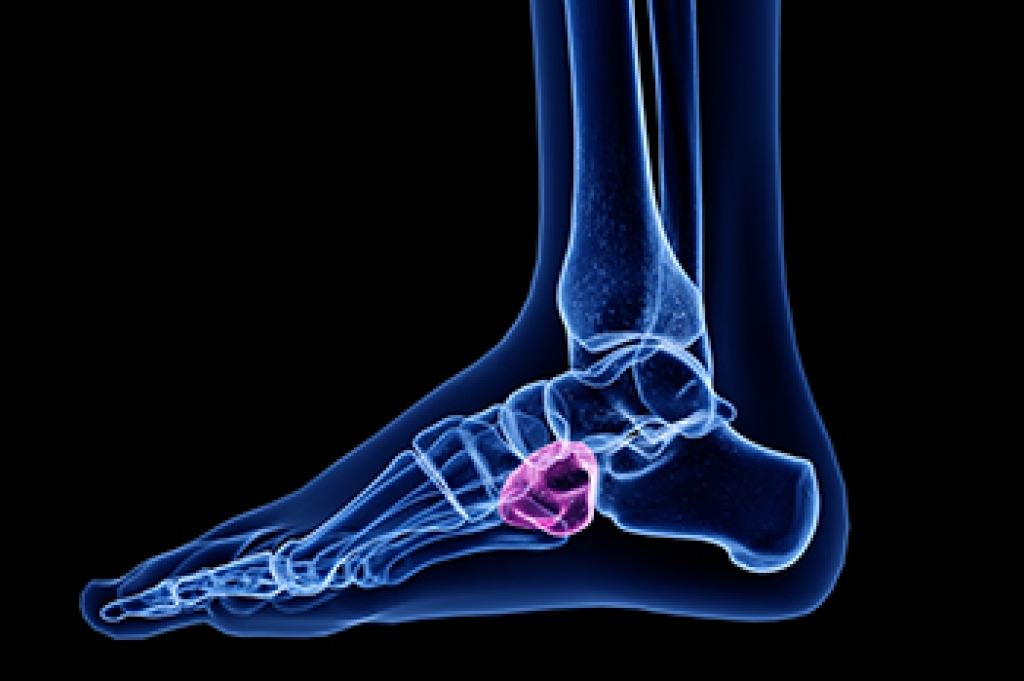
Cuboid syndrome is a condition that involves a disruption of the normal alignment of the cuboid bone with the heel bone, and it causes pain on the outside of the foot. The pain might feel like it originates from the outside of the ankle, and the person afflicted with it may limp or sway when walking to avoid placing weight on the affected area. Mild swelling or bruising might be seen on the outside and bottom of the mid-foot. This problem develop from a single event, such as an ankle sprain, or through repetitive impact to the area, like runners or dancers (particularly ballet dancers) might experience. A small “popping” might be felt on the outside of the mid-foot as well. Treatment of cuboid syndrome usually involves making sure shoes are well-fitting and comfortable, using soft orthotics, and doing stretching exercises to help mobilize the joint. In some instances, realignment of the cuboid bone is needed. If you feel pain in your mid-foot area and it is worsening, you might have a more severe case of cuboid syndrome. You can see a podiatrist who can properly diagnose the problem and provide appropriate treatment.

Cuboid syndrome, also known as cuboid subluxation, occurs when the joints and ligaments near the cuboid bone in the foot become torn. If you have cuboid syndrome, consult with Anas Khoury, DPM from North Eastern Foot & Ankle Specialists. Our doctor will assess your condition and provide you with quality foot and ankle treatment.

Cuboid syndrome is a common cause of lateral foot pain, which is pain on the outside of the foot. The condition may happen suddenly due to an ankle sprain, or it may develop slowly overtime from repetitive tension through the bone and surrounding structures.

Causes

The most common causes of cuboid syndrome include:

  • Injury – The most common cause of this ailment is an ankle sprain.
  • Repetitive Strain – Tension placed through the peroneus longus muscle from repetitive activities such as jumping and running may cause excessive traction on the bone causing it to sublux.
  • Altered Foot Biomechanics – Most people suffering from cuboid subluxation have flat feet.

Symptoms

A common symptom of cuboid syndrome is pain along the outside of the foot which can be felt in the ankle and toes. This pain may create walking difficulties and may cause those with the condition to walk with a limp.

Diagnosis

Diagnosis of cuboid syndrome is often difficult, and it is often misdiagnosed. X-rays, MRIs and CT scans often fail to properly show the cuboid subluxation. Although there isn’t a specific test used to diagnose cuboid syndrome, your podiatrist will usually check if pain is felt while pressing firmly on the cuboid bone of your foot.

Treatment

Just as the range of causes varies widely, so do treatments. Some more common treatments are ice therapy, rest, exercise, taping, and orthotics.

If you have any questions, please feel free to contact our office located in Passaic, NJ . We offer the newest diagnostic and treatment technologies for all your foot care needs.

Read more about Cuboid Syndrome

Tips for Proactive Foot Care in Seniors

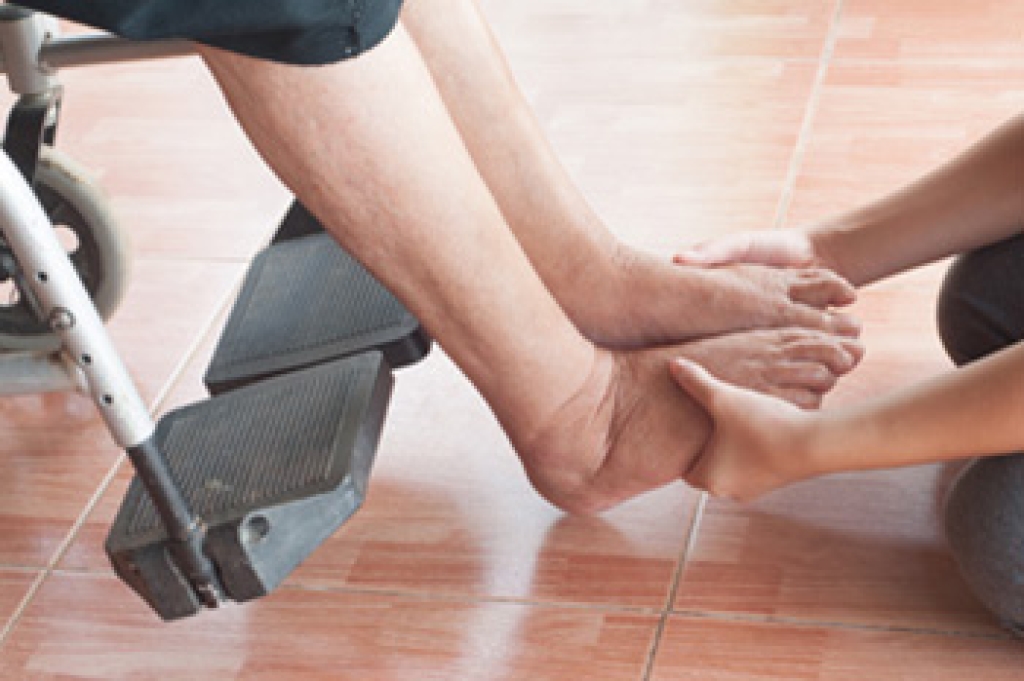
As an individual ages, it becomes even more essential that they are able to maintain proper foot health. This is because if a senior citizen has significantly unhealthy feet, their freedom and independence will be substantially reduced. However, as an individual ages, they also become more susceptible to experiencing foot afflictions. Therefore, senior citizens who want to take extra care of their health should be proactive in maintaining good foot care. One way to do this is to have a set time daily or once each week to examine the feet. The senior can do this by themselves or by asking for the help of a friend. Simply examine the foot for any noticeable problems including redness, swelling, deformations, or complications in the toenails. Scheduling a kind of regular inspection can be helpful for seniors because it enables them to check for any potential problems before they become exacerbated with time. Additionally, to be proactive, seniors can be sure that the shoes that they are wearing are not restrictive or too tight. Wearing properly fitted footwear is essential when an individual ages because ill-fitting shoes can reduce blood circulation and facilitate other troublesome foot afflictions. If you are a senior, be especially diligent when shoe shopping and ask for assistance in finding the best fitting shoes for you. These are just some of many potential proactive foot care tips for seniors. For more, contact a podiatrist. 

Proper foot care is something many older adults forget to consider. If you have any concerns about your feet and ankles, contact Anas Khoury, DPM from North Eastern Foot & Ankle Specialists. Our doctor can provide the care you need to keep you pain-free and on your feet.

The Elderly and Their Feet

As we age we start to notice many changes in our body, but the elder population may not notice them right away. Medical conditions may prevent the elderly to take notice of their foot health right away. Poor vision is a lead contributor to not taking action for the elderly.

Common Conditions 

  • Neuropathy – can reduce feeling in the feet and can hide many life-threatening medical conditions.
  • Reduced flexibility – prevents the ability of proper toenail trimming, and foot cleaning. If left untreated, it may lead to further medical issues.
  • Foot sores – amongst the older population can be serious before they are discovered. Some of the problematic conditions they may face are:
  • Gouging toenails affecting nearby toe
  • Shoes that don’t fit properly
  • Pressure sores
  • Loss of circulation in legs & feet
  • Edema & swelling of feet and ankles

Susceptible Infections

Diabetes and poor circulation can cause general loss of sensitivity over the years, turning a simple cut into a serious issue.

If you have any questions, please feel free to contact our office located in Passaic, NJ . We offer the newest diagnostic and treatment technologies for all your foot care needs.

Read more about Elderly and their Feet

Foot Ulcers Can Be a Serious Complication of Diabetes

People who have diabetes are aware of the complications that can arise if proper foot care is not provided. Neuropathy, a condition that prevents feeling in the feet, may accompany diabetes. It is beneficial to check the bottom of the feet for existing cuts, bruises, or scrapes. Many patients ask a family member to help them look for cuts on the feet, or it may be done by using a mirror. Foot ulcers can be a common side effect of diabetes, and amputation may be necessary if ulcers are not treated promptly. The skin on the feet may change color in diabetic patients, and unusual sensations in the feet may be a symptom of nerve damage. Proper foot care starts with washing the feet regularly, trimming the toenails correctly, and wearing shoes that fit properly. Additionally, it can help to wear socks that are made of a cotton material, and it is beneficial to avoid activities that can injure the feet. When frequent foot exams are performed, the chances of noticing a cut is improved. Then treatment can begin in a timely fashion. If you are a diabetic patient, it is strongly advised that you are under the care of a podiatrist who can help you to manage this condition.

Diabetic foot care is important in preventing foot ailments such as ulcers. If you are suffering from diabetes or have any other concerns about your feet, contact Anas Khoury, DPM from North Eastern Foot & Ankle Specialists. Our doctor can provide the care you need to keep you pain-free and on your feet.

Diabetic Foot Care

Diabetes affects millions of people every year. The condition can damage blood vessels in many parts of the body, especially the feet. Because of this, taking care of your feet is essential if you have diabetes, and having a podiatrist help monitor your foot health is highly recommended.

The Importance of Caring for Your Feet

  • Routinely inspect your feet for bruises or sores.
  • Wear socks that fit your feet comfortably.
  • Wear comfortable shoes that provide adequate support.

Patients with diabetes should have their doctor monitor their blood levels, as blood sugar levels play such a huge role in diabetic care. Monitoring these levels on a regular basis is highly advised.

It is always best to inform your healthcare professional of any concerns you may have regarding your feet, especially for diabetic patients. Early treatment and routine foot examinations are keys to maintaining proper health, especially because severe complications can arise if proper treatment is not applied.

If you have any questions, please feel free to contact our office located in Passaic, NJ . We offer the newest diagnostic and treatment technologies for all your foot care needs.

Read more about Diabetic Foot Conditions

Connect With Us