
Hablamos Español

Ways to Strengthen Ankle Ligaments

Because ankle injuries are commonly caused by sprained ligaments, it is a good idea to know what to do when a sprain occurs. The importance of full recovery from an ankle sprain cannot be emphasized enough. Experts suggest a number of actions that can help to restore ankle strength and stability. Rest the injured ankle, keep it elevated at a 45-degree angle as much as possible, and stay off it until it heals. Wrap the ankle to keep it stabilized and to prevent swelling, but avoid making it so tight that it cuts off blood flow to the feet. After the ankle heals, performing a few simple exercises can help strengthen the injured ligament. Pointing and flexing your toes about five to 10 times is one such exercise, and another is performing heel raises. This should be done while holding onto a chair for balance. A third is slowly going up and down stairs, which has the added benefit of burning calories and strengthening the thigh muscles. Before starting any type of ankle exercise after being injured, it is suggested that you check in with a podiatrist for an evaluation and further guidance.  

Although ankle sprains are common, they aren’t always minor injuries. If you need your ankle injury looked at, contact Anas Khoury, DPM from North Eastern Foot & Ankle Specialists. Our doctor can provide the care you need to keep you pain-free and on your feet.

How Does an Ankle Sprain Occur?

Ankle sprains are the result of a tear in the ligaments within the ankle. These injuries may happen when you make a rapid shifting movement while your foot is planted. A less common way to sprain your ankle is when your ankle rolls inward while your foot turns outward.

What Are the Symptoms?

  • Pain at the sight of the tear
  • Bruising/Swelling
  • Ankle area is tender to touch
  • In severe cases, may hear/feel something tear
  • Skin discoloration

Preventing a Sprain

  • Wearing appropriate shoes for the occasion
  • Stretching before exercises and sports
  • Knowing your limits

Treatment of a Sprain

In many cases, the RICE method (Rest, Ice, Compression, and Elevate) is used to treat ankle sprains. However, you should see a podiatrist to see which treatment option would work best with your injury. In severe cases, surgery may be required.

It is important to ask your doctor about rehab options after you receive treatment for your injury. Stretching, strength training, and balance exercises may help the ankle heal while also preventing further injury.

If you have any questions, please feel free to contact our office located in Passaic, NJ . We offer the newest diagnostic and treatment technologies for all your foot care needs.

Read more about Three Grades of Ankle Sprains

How Is Cuboid Syndrome Treated?

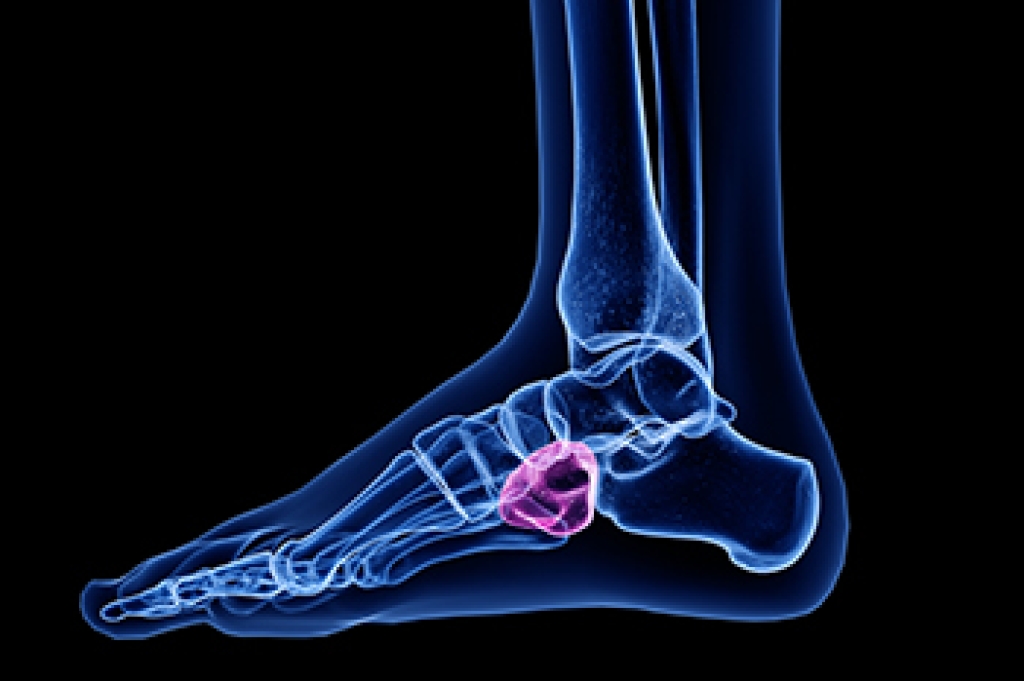
The cuboid bone is located on the outside of the foot, and cuboid syndrome can develop if this bone becomes injured or displaced. People who have suffered an ankle sprain may get cuboid syndrome, in addition to athletes who are involved in tennis or basketball. The quick stop and go of the foot while participating in these types of activities may cause the cuboid bone to shift. Cuboid syndrome may also affect ballet dancers who have poor alignment, possibly causing pressure on the foot. Common symptoms that many patients experience can include severe pain, and their gait, or walking pattern may be altered. Treatment can include wearing a specific type of orthotic and performing certain exercises several times throughout the day. Additionally, cuboid syndrome may be treated by manipulating the cuboid bone back into place. If you have foot pain, it is strongly suggested that you consult with a podiatrist who can accurately diagnose and treat cuboid syndrome.

Cuboid syndrome, also known as cuboid subluxation, occurs when the joints and ligaments near the cuboid bone in the foot become torn. If you have cuboid syndrome, consult with Anas Khoury, DPM from North Eastern Foot & Ankle Specialists. Our doctor will assess your condition and provide you with quality foot and ankle treatment.

Cuboid syndrome is a common cause of lateral foot pain, which is pain on the outside of the foot. The condition may happen suddenly due to an ankle sprain, or it may develop slowly overtime from repetitive tension through the bone and surrounding structures.

Causes

The most common causes of cuboid syndrome include:

  • Injury – The most common cause of this ailment is an ankle sprain.
  • Repetitive Strain – Tension placed through the peroneus longus muscle from repetitive activities such as jumping and running may cause excessive traction on the bone causing it to sublux.
  • Altered Foot Biomechanics – Most people suffering from cuboid subluxation have flat feet.

Symptoms

A common symptom of cuboid syndrome is pain along the outside of the foot which can be felt in the ankle and toes. This pain may create walking difficulties and may cause those with the condition to walk with a limp.

Diagnosis

Diagnosis of cuboid syndrome is often difficult, and it is often misdiagnosed. X-rays, MRIs and CT scans often fail to properly show the cuboid subluxation. Although there isn’t a specific test used to diagnose cuboid syndrome, your podiatrist will usually check if pain is felt while pressing firmly on the cuboid bone of your foot.

Treatment

Just as the range of causes varies widely, so do treatments. Some more common treatments are ice therapy, rest, exercise, taping, and orthotics.

If you have any questions, please feel free to contact our office located in Passaic, NJ . We offer the newest diagnostic and treatment technologies for all your foot care needs.
Read more about All About Cuboid Syndrome

Wounds That Don't Heal Need to Be Checked

Your feet are covered most of the day. If you're diabetic, periodic screening is important for good health. Numbness is often a sign of diabetic foot and can mask a sore or wound.

Overpronation and Hypermobility May Cause Bunions

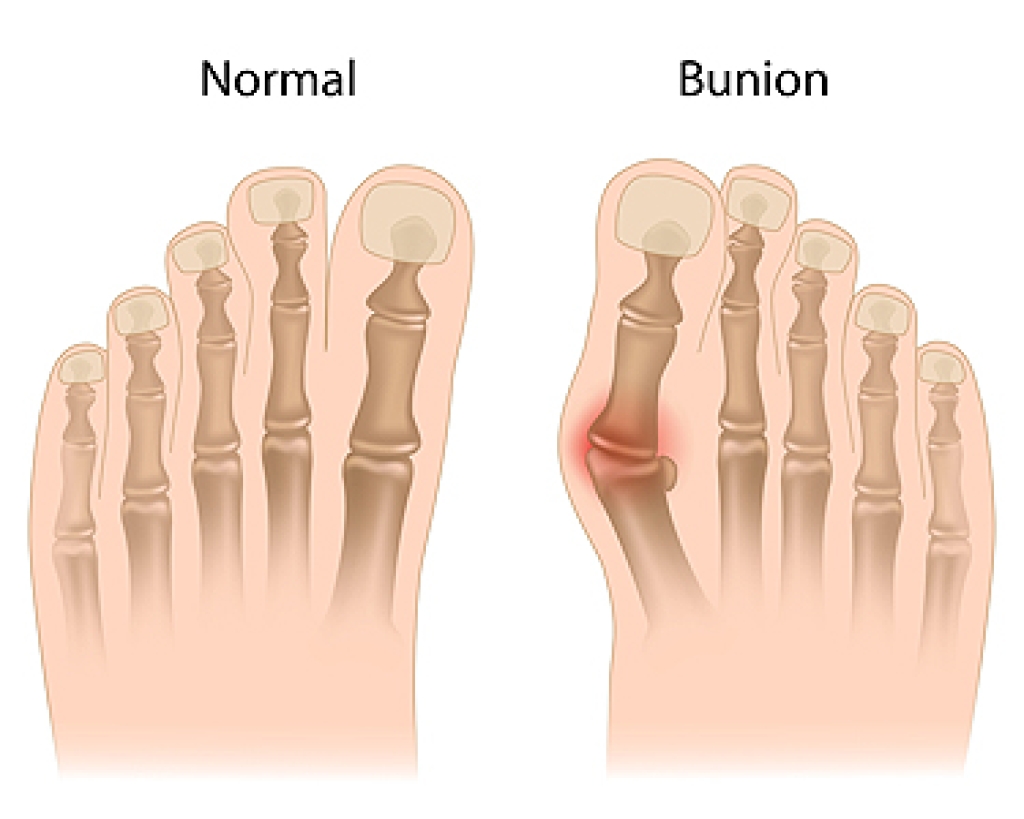
The foot condition known as a bunion is a progressive bone disorder. It is a lump on the side of the big toe that can happen from wearing shoes that do not have enough room in the toe area. Bunions may also occur due to genetic reasons. A bunion is considered a deformity and severe bunions can cause the other toes to shift toward each other. Some patients can develop bunions from overpronation, and this causes the foot to roll inward and can also be related to having flat feet. If the body's weight is unevenly distributed, an abnormal foot structure may develop which could lead to a bunion developing. Hypermobility is a condition that causes the bones to move more than they normally would and this may also result in a bunion. If you have a bunion, it is suggested that you confer with a podiatrist who can determine the proper plan of treatment for you. 

If you are suffering from bunions, contact Anas Khoury, DPM of North Eastern Foot & Ankle Specialists. Our doctor can provide the care you need to keep you pain-free and on your feet.

What Is a Bunion?

A bunion is formed of swollen tissue or an enlargement of boney growth, usually located at the base joint of the toe that connects to the foot. The swelling occurs due to the bones in the big toe shifting inward, which impacts the other toes of the foot. This causes the area around the base of the big toe to become inflamed and painful.

Why Do Bunions Form?

Genetics – Susceptibility to bunions are often hereditary

Stress on the feet – Poorly fitted and uncomfortable footwear that places stress on feet, such as heels, can worsen existing bunions

How Are Bunions Diagnosed?

Podiatrists often perform two tests – blood tests and x-rays – when trying to diagnose bunions, especially in the early stages of development. Blood tests help determine if the foot pain is being caused by something else, such as arthritis, while x-rays provide a clear picture of your bone structure to your provider.

How Are Bunions Treated?

  • Refrain from wearing heels or similar shoes that cause discomfort
  • Select wider shoes that can provide more comfort and reduce pain
  • Anti-inflammatory and pain management drugs
  • Orthotics or foot inserts
  • Surgery

If you have any questions, please feel free to contact our office located in Passaic, NJ . We offer the newest diagnostic and treatment technologies for all your foot care needs.
Read more about What Are Bunions?

Symptoms That May Indicate Gout

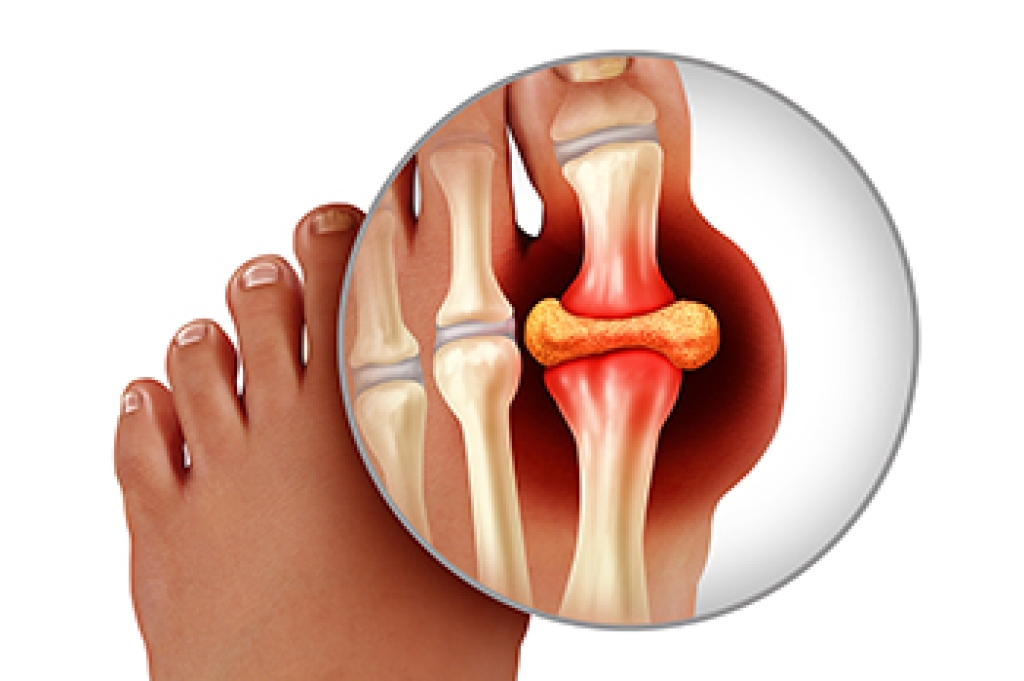
Gout is an inflammatory condition that causes extreme pain in the joints and is particularly common in the big toe. Patients with gout suffer from hyperuricemia, an overabundance of uric acid in the bloodstream. Uric acid then crystallizes, forming sharp, short needles that settle in the joint and cause extreme pain. Anyone can suffer from gout, but it is more common among men over the age of 30. Risk factors for gout are genetics, alcohol use, and a diet rich in foods that contain a high level of purines. These include red meat, seafood, and beverages made with alcohol or large amounts of sugar. The top indicator of gout in the big toe is severe pain. This may come on suddenly and typically occurs at night. The intense pain can linger for days. Swelling, tenderness, and redness are also hallmarks of gout. The skin on the toe may begin to peel and then become itchy and flaky. It also may begin to feel hot to the touch. In some cases, a low-grade fever develops, along with flu-like symptoms. If you believe you may have gout in the big toe, it is suggested that you make an appointment with a podiatrist who can offer treatment options.  

Gout is a painful condition that can be treated. If you are seeking treatment, contact Anas Khoury, DPM from North Eastern Foot & Ankle Specialists. Our doctor will treat your foot and ankle needs.

What Is Gout?

Gout is a form of arthritis that is characterized by sudden, severe attacks of pain, redness, and tenderness in the joints. The condition usually affects the joint at the base of the big toe. A gout attack can occur at any random time, such as the middle of the night while you are asleep.

Symptoms

  • Intense Joint Pain - Usually around the large joint of your big toe, and it most severe within the first four to twelve hours
  • Lingering Discomfort - Joint discomfort may last from a few days to a few weeks
  • Inflammation and Redness -Affected joints may become swollen, tender, warm and red
  • Limited Range of Motion - May experience a decrease in joint mobility

Risk Factors

  • Genetics - If family members have gout, you’re more likely to have it
  • Medications - Diuretic medications can raise uric acid levels
  • Gender/Age - Gout is more common in men until the age of 60. It is believed that estrogen protects women until that point
  • Diet - Eating red meat and shellfish increases your risk
  • Alcohol - Having more than two alcoholic drinks per day increases your risk
  • Obesity - Obese people are at a higher risk for gout

Prior to visiting your podiatrist to receive treatment for gout, there are a few things you should do beforehand. If you have gout you should write down your symptoms--including when they started and how often you experience them, important medical information you may have, and any questions you may have. Writing down these three things will help your podiatrist in assessing your specific situation so that he or she may provide the best route of treatment for you.

If you have any questions, please feel free to contact our office located in Passaic, NJ . We offer the newest diagnostic and treatment technologies for all your foot care needs.

Read more about Gout

Connect With Us