
If you are suffering from tenderness, pain, or stiffness in the joints of your feet or ankles, call us to schedule an appointment.
If you are suffering from tenderness, pain, or stiffness in the joints of your feet or ankles, call us to schedule an appointment.
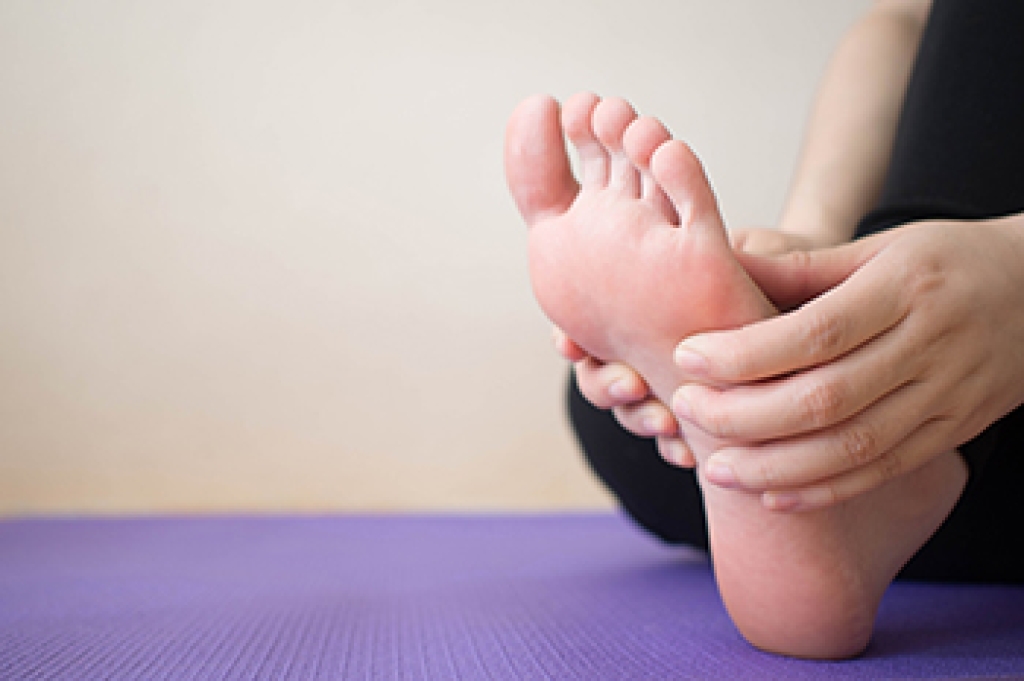
The feet endure an enormous amount of stress and wear during the day, and it is common for many people to experience some type of foot pain throughout their lives. Each foot has 26 bones, several tendons, muscles, and ligaments that work in harmony, providing mobility to complete daily activities. Any number of foot conditions can develop which may range from having toenail fungus to cutting the toenails improperly. Additionally, corns are a painful nuisance that generally develops on the side of the pinky toe, and can alter the gait to accommodate for the discomfort. These can come from shoes that do not fit correctly, and bunions can fall into the same category. A bunion is defined as a bony protrusion that develops on the side of the big toe, causing the other toes to shift toward each other. Any type of foot pain is treated by a podiatrist, and it is strongly advised that you contact this type of doctor who can offer you the correct relief options.
Foot Pain
Foot pain can be extremely painful and debilitating. If you have a foot pain, consult with Anas Khoury, DPM from North Eastern Foot & Ankle Specialists. Our doctor will assess your condition and provide you with quality foot and ankle treatment.
Causes
Foot pain is a very broad condition that could be caused by one or more ailments. The most common include:
Diagnosis
To figure out the cause of foot pain, podiatrists utilize several different methods. This can range from simple visual inspections and sensation tests to X-rays and MRI scans. Prior medical history, family medical history, and any recent physical traumatic events will all be taken into consideration for a proper diagnosis.
Treatment
Treatment depends upon the cause of the foot pain. Whether it is resting, staying off the foot, or having surgery; podiatrists have a number of treatment options available for foot pain.
If you have any questions, please feel free to contact our office located in Passaic, NJ . We offer the newest diagnostic and treatment technologies for all your foot care needs.
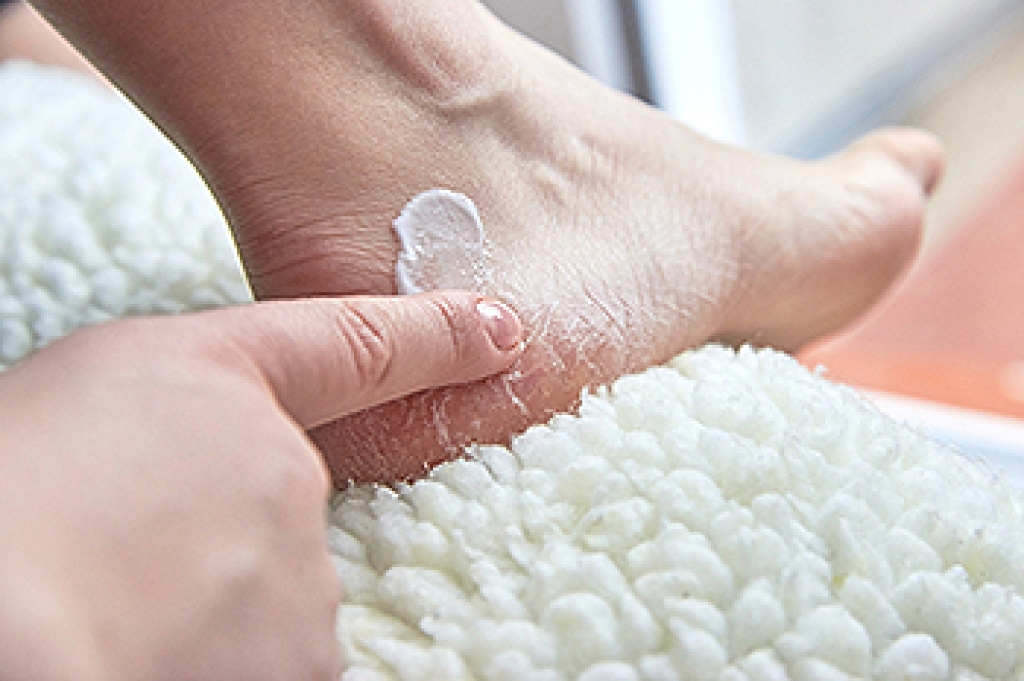
A heel fissure develops when the skin on your feet is so dry that cracks begin to form on the heels. The cracked skin also may become flakey and crusty and can develop into brown or yellow calluses caused by pressure on the back of the heels when you stand or walk. Although the cracks may at first be shallow, in some cases they deepen into heel fissures and cause pain and bleeding. The best way to deal with dry skin on the heels is to gently remove the dry skin with a pumice stone after a bath or shower and follow up with emollient cream to keep the heels moisturized. If cracked heels are left untreated, they can lead to infection, and the skin may form ulcers. A podiatrist can safely debride the dead skin and treat the affected area with antifungal and antibacterial medication to ward off any infection. Special orthotics can be inserted into your shoes with heel cups that help to keep the skin from cracking. For more information, or to have painful heel fissures treated, please make an appointment with a podiatrist.
Wound care is an important part in dealing with diabetes. If you have diabetes and a foot wound or would like more information about wound care for diabetics, consult with Anas Khoury, DPM from North Eastern Foot & Ankle Specialists. Our doctor will assess your condition and provide you with quality foot and ankle treatment.
What Is Wound Care?
Wound care is the practice of taking proper care of a wound. This can range from the smallest to the largest of wounds. While everyone can benefit from proper wound care, it is much more important for diabetics. Diabetics often suffer from poor blood circulation which causes wounds to heal much slower than they would in a non-diabetic.
What Is the Importance of Wound Care?
While it may not seem apparent with small ulcers on the foot, for diabetics, any size ulcer can become infected. Diabetics often also suffer from neuropathy, or nerve loss. This means they might not even feel when they have an ulcer on their foot. If the wound becomes severely infected, amputation may be necessary. Therefore, it is of the upmost importance to properly care for any and all foot wounds.
How to Care for Wounds
The best way to care for foot wounds is to prevent them. For diabetics, this means daily inspections of the feet for any signs of abnormalities or ulcers. It is also recommended to see a podiatrist several times a year for a foot inspection. If you do have an ulcer, run the wound under water to clear dirt from the wound; then apply antibiotic ointment to the wound and cover with a bandage. Bandages should be changed daily and keeping pressure off the wound is smart. It is advised to see a podiatrist, who can keep an eye on it.
If you have any questions please contact our office located in Passaic, NJ . We offer the newest diagnostic and treatment technologies for all your foot and ankle needs.
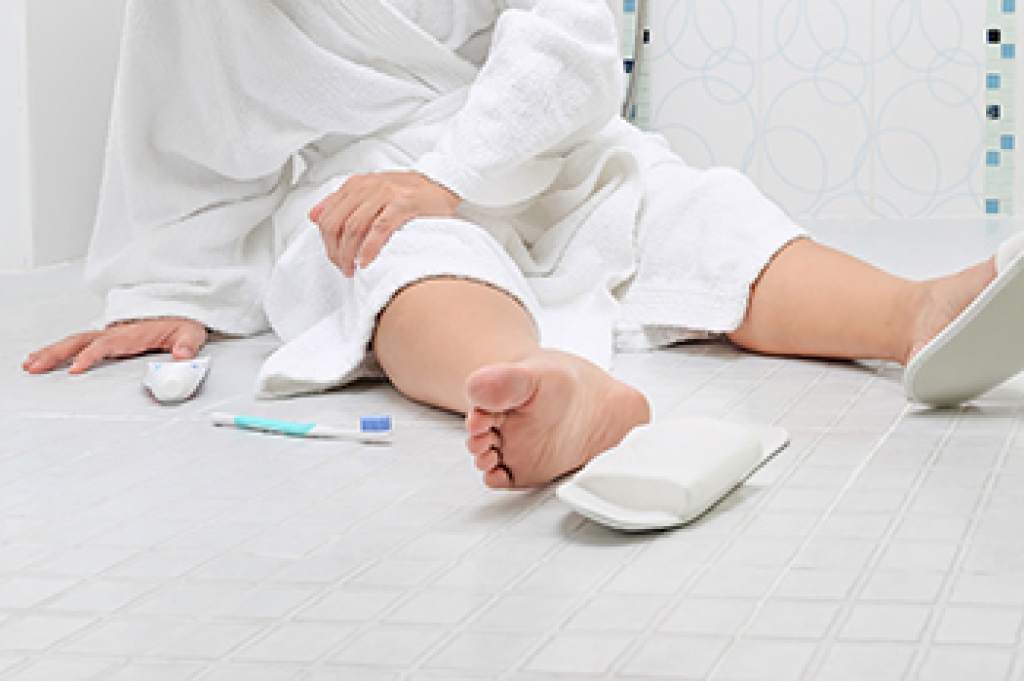
Causes of slips, trips, or falls include poor weather conditions, like ice, snow, rain, loose mats or rugs, and stepladders. Poor lighting and clutter can aggravate such injuries by causing sprains, fractures, and cuts to the feet or ankles. This is especially true in retail stores. If a retail worker sees something in the environment that might lead to injury, it should be reported to a supervisor as soon as possible. Spills leading to slippery walkways, cluttered areas, and wrinkled or bunched-up mats are some examples of things that need to be taken care of to prevent falls. If you work in a retail environment or are shopping there and sustain a foot or ankle injury from a fall, contact a podiatrist who can evaluate the damage and provide appropriate treatment.
Preventing falls among the elderly is very important. If you are older and have fallen or fear that you are prone to falling, consult with Anas Khoury, DPM from North Eastern Foot & Ankle Specialists. Our doctor will assess your condition and provide you with quality advice and care.
Every 11 seconds, an elderly American is being treated in an emergency room for a fall related injury. Falls are the leading cause of head and hip injuries for those 65 and older. Due to decreases in strength, balance, senses, and lack of awareness, elderly persons are very susceptible to falling. Thankfully, there are a number of things older persons can do to prevent falls.
How to Prevent Falls
Some effective methods that older persons can do to prevent falls include:
Falling can be a traumatic and embarrassing experience for elderly persons; this can make them less willing to leave the house, and less willing to talk to someone about their fears of falling. Doing such things, however, will increase the likelihood of tripping or losing one’s balance. Knowing the causes of falling and how to prevent them is the best way to mitigate the risk of serious injury.
If you have any questions, please feel free to contact our office located in Passaic, NJ . We offer the newest diagnostic and treatment technologies for all your foot care needs.
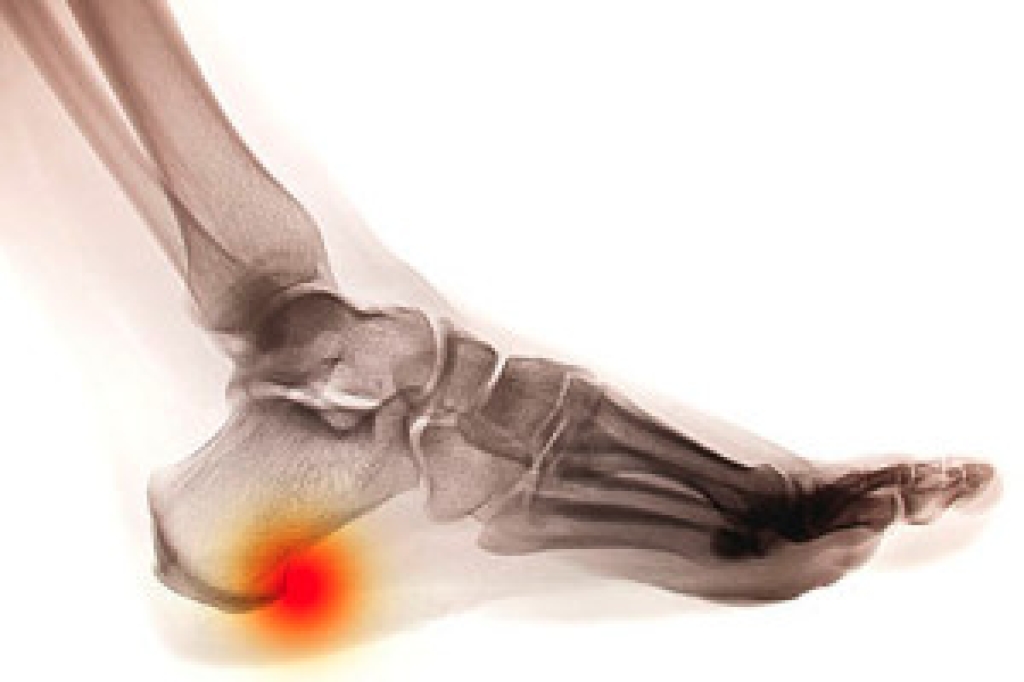
Many people have heel pain and show no other symptoms. This can indicate a heel spur has developed, and treatment is often sought for relief. A heel spur is defined as a bony growth that gradually forms on the bottom of the heel, and can come from excessive pressure the heels endure from being overweight, or if the plantar fascia becomes damaged. Wearing shoes that do not fit correctly may cause a heel spur to develop, in addition to having an abnormal foot structure. There are specific groups of people who may be prone to developing a heel spur. These can include runners, elderly people, diabetic patients, or people who have frequent gout attacks. People who have pain with a heel spur often notice there is tenderness surrounding the heel, and the affected foot and ankle may become swollen. Additionally, there may be sharp heel pain after rising in the morning. Effective prevention methods may consist of stretching the feet regularly, wearing insoles that can provide support, and maintaining a healthy weight. If you feel you have a heel spur, it is strongly urged that you consult with a podiatrist who can properly treat this condition.
Heel spurs can be incredibly painful and sometimes may make you unable to participate in physical activities. To get medical care for your heel spurs, contact Anas Khoury, DPM from North Eastern Foot & Ankle Specialists. Our doctor will do everything possible to treat your condition.
Heels Spurs
Heel spurs are formed by calcium deposits on the back of the foot where the heel is. This can also be caused by small fragments of bone breaking off one section of the foot, attaching onto the back of the foot. Heel spurs can also be bone growth on the back of the foot and may grow in the direction of the arch of the foot.
Older individuals usually suffer from heel spurs and pain sometimes intensifies with age. One of the main condition's spurs are related to is plantar fasciitis.
Pain
The pain associated with spurs is often because of weight placed on the feet. When someone is walking, their entire weight is concentrated on the feet. Bone spurs then have the tendency to affect other bones and tissues around the foot. As the pain continues, the feet will become tender and sensitive over time.
Treatments
There are many ways to treat heel spurs. If one is suffering from heel spurs in conjunction with pain, there are several methods for healing. Medication, surgery, and herbal care are some options.
If you have any questions, please feel free to contact our office located in Passaic, NJ . We offer the newest diagnostic and treatment technologies for all your foot care needs.
Connect With Us
