Hablamos Español

Reduction of Foot Pain With Custom Orthotics in Common and Complex Conditions

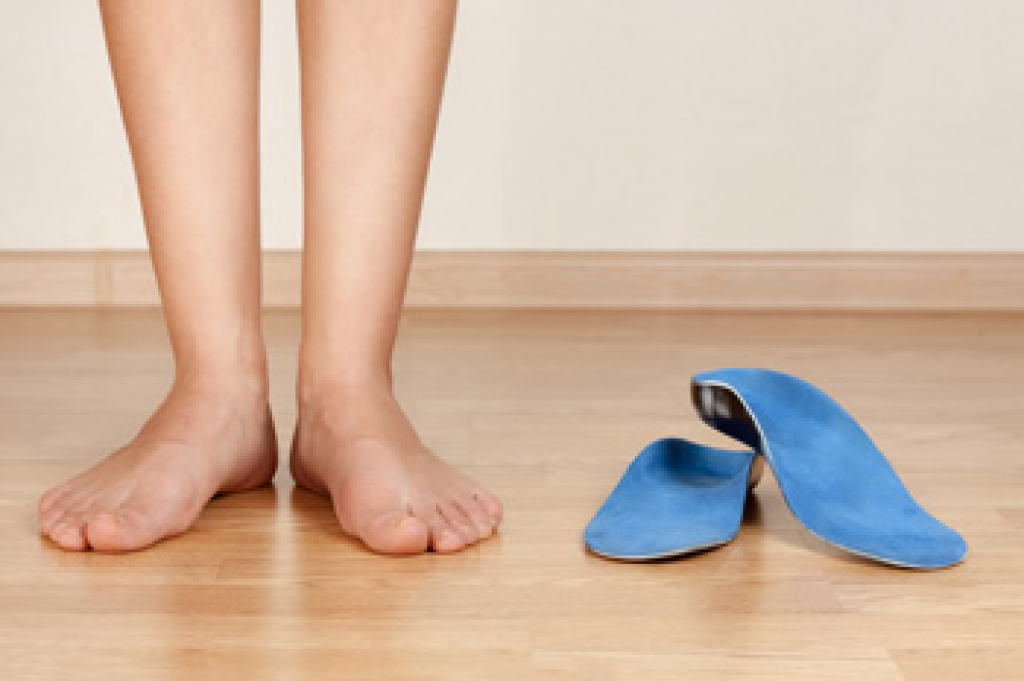
Custom orthotics can provide meaningful relief for individuals experiencing foot pain from a wide range of conditions. In rheumatoid arthritis, where joint damage and inflammation affect foot alignment, orthotics help reduce pressure and improve function. For bunions, they may relieve stress on the big toe joint and help slow progression. People with high arches often experience pain due to poor shock absorption, and custom orthotics can provide needed cushioning and support. Children with juvenile idiopathic arthritis may benefit from orthotics that promote comfort and mobility while reducing joint strain. Even in more common issues like plantar fasciitis, orthotics help by supporting the arch and easing tension on the heel. The key advantage of custom orthotics lies in their personalized design, tailored to each foot’s structure and the specific condition. If you are dealing with persistent foot pain, it is suggested that you see a podiatrist for a detailed evaluation and care plan.

Custom orthotics are often an effective solution for people experiencing heel pain, offering both comfort and correction for the underlying causes of discomfort. Heel pain commonly develops when the natural support of the foot becomes strained or imbalanced, leading to inflammation and irritation in the heel area. Conditions such as plantar fasciitis, heel spurs, or flat feet can all contribute to chronic heel pain that worsens with walking or standing. Custom orthotics are designed to fit the exact shape of your foot, providing the support and alignment necessary to reduce stress on the heel and surrounding tissues.

By redistributing pressure and improving overall foot mechanics, custom orthotics allow the heel to function more efficiently during movement. They cushion each step, absorb shock, and correct abnormal gait patterns that may be contributing to pain. Over time, this consistent support can ease inflammation, protect against re-injury, and enhance comfort during both daily and athletic activities.

Unlike prefabricated insoles, custom orthotics are created from a detailed evaluation that may include digital scans or molds of your feet. This ensures a precise and individualized fit that addresses your specific condition. They can be used in various types of footwear, from athletic shoes to dress styles, making them a versatile option for ongoing relief.

If heel pain is limiting your comfort or activity level, it is suggested that you call our office for more information or to schedule an appointment.

If you have any questions please contact our office located in Passaic, NJ

Read more about Investing in Custom Orthotics Means Investing in Foot Health

Cracked Heels Can Disrupt Daily Movement

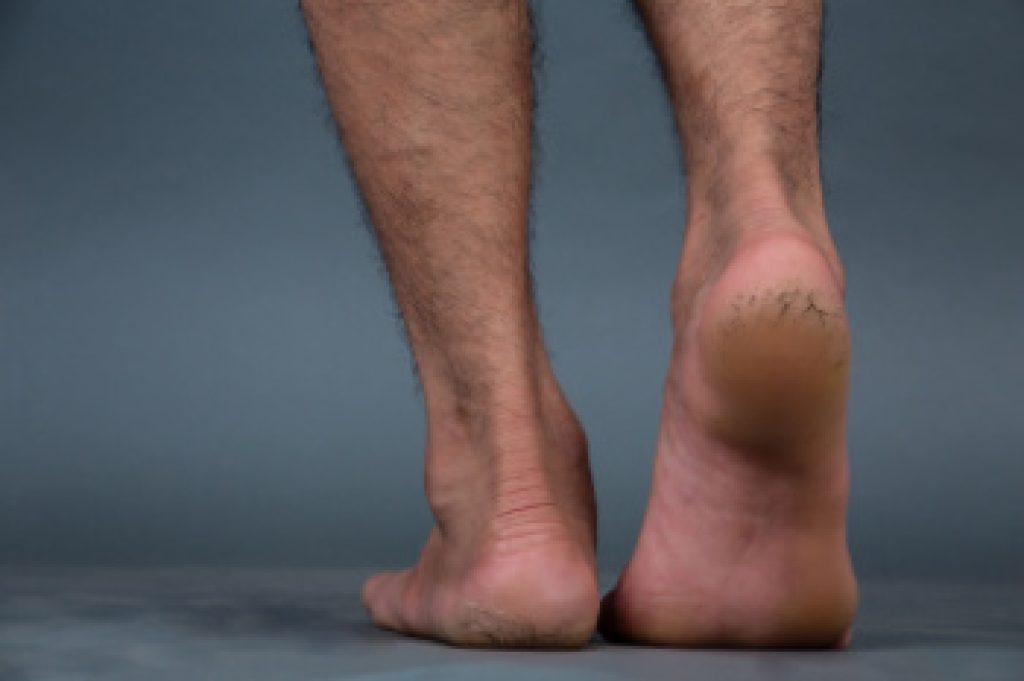
Dry, cracked heels may seem like a small issue, but they can make walking uncomfortable and even painful. As the skin on the heel thickens and splits, pressure from standing or walking can deepen the cracks. In some cases, the skin may bleed or become infected. This is especially concerning for older adults or people with circulation problems. Cracked heels are often caused by dryness, long periods of standing, wearing unsupportive footwear, or being barefoot on hard surfaces. Once the skin breaks down, each step can cause discomfort, making it harder to stay active. Moisturizing the feet regularly, using gentle exfoliation, and wearing cushioned shoes can help. If deep cracks on your heels are making it hard to walk or are showing signs of infection, it is suggested that you visit a podiatrist for appropriate care and relief.

Cracked heels are unsightly and can cause further damage to your shoes and feet. If you have any concerns, contact Anas Khoury, DPM from North Eastern Foot & Ankle Specialists. Our doctor can provide the care you need to keep you pain-free and on your feet.

Cracked Heels

Cracked heels appear unappealing and can make it harder for you walk around in sandals. Aside from looking unpleasant, cracked heels can also tear stockings, socks, and wear out your shoes. There are several methods to help restore a cracked heel and prevent further damage.

How Do You Get Them?

Dry skin is the number one culprit in creating cracked heels. Many athletes, walkers, joggers, and even swimmers suffer from cracked heels. Age and skin oil production play a role to getting cracked heels as well.

Promote Healing

Over the counter medicines can help, especially for those that need instant relief or who suffer from chronic dry feet.

Wear Socks – Wearing socks with medicated creams helps lock in moisture.

Moisturizers – Applying both day and night will help alleviate dryness which causes cracking.

Pumice Stones – These exfoliate and remove dead skin, which allows for smoother moisturizer application and better absorption into the skin. 

Change in Diet

Eating healthy with a well-balanced diet will give the skin a fresh and radiant look. Your body responds to the kinds of food you ingest. Omega-3 fatty acids and zinc supplements can also revitalize skin tissue.

Most importantly, seek professional help if unsure how to proceed in treating cracked heels. A podiatrist will help you with any questions or information needed. 

If you have any questions, please feel free to contact our office located in Passaic, NJ . We offer the newest diagnostic and treatment technologies for all your foot care needs.
Read more about Solutions for Cracked Heels

Caring for Foot Health in Older Adults

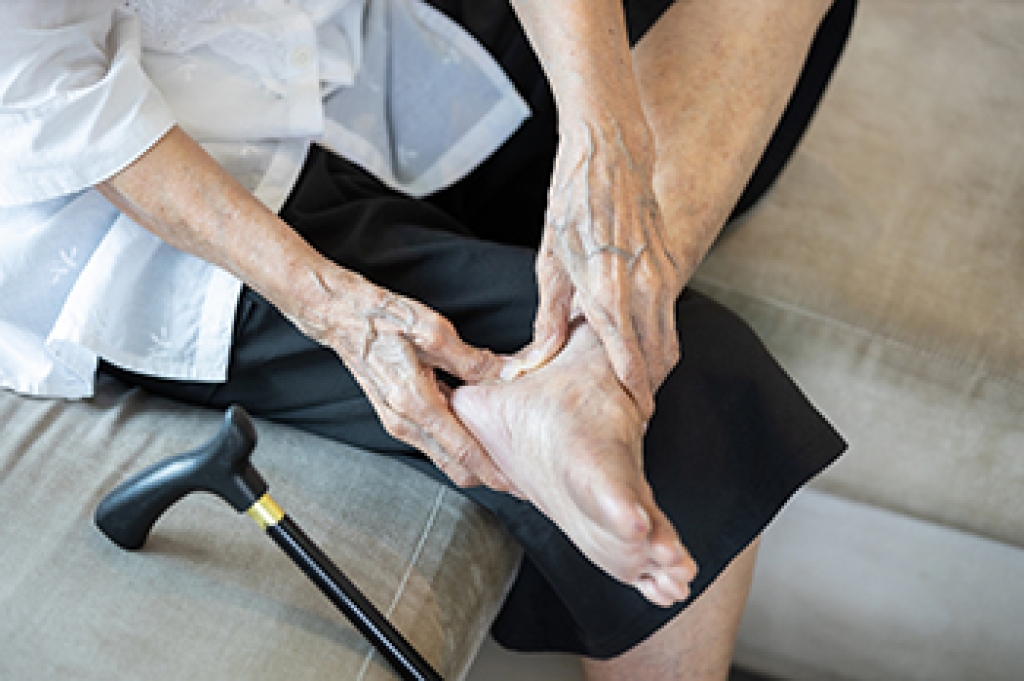
As the body ages, the feet often experience changes that can lead to chronic pain, limited mobility, balance problems, and abnormal gait. Common foot issues in older adults include plantar fasciitis, heel pain, and osteoarthritis, all of which may affect daily activities and independence. Thinning fat pads, reduced circulation, and stiff joints can increase discomfort and the risk of falls. A podiatrist can provide regular foot evaluations, recommend supportive footwear, manage pain, and treat underlying conditions to help maintain mobility and safety. If you or a loved one is experiencing foot discomfort or difficulty walking, it is suggested that you consult a podiatrist who can treat various foot conditions, ensuring continued comfort, stability, and quality of life.

Proper foot care is something many older adults forget to consider. If you have any concerns about your feet and ankles, contact Anas Khoury, DPM from North Eastern Foot & Ankle Specialists. Our doctor can provide the care you need to keep you pain-free and on your feet.

The Elderly and Their Feet

As we age we start to notice many changes in our body, but the elder population may not notice them right away. Medical conditions may prevent the elderly to take notice of their foot health right away. Poor vision is a lead contributor to not taking action for the elderly.

Common Conditions 

  • Neuropathy – can reduce feeling in the feet and can hide many life-threatening medical conditions.
  • Reduced flexibility – prevents the ability of proper toenail trimming, and foot cleaning. If left untreated, it may lead to further medical issues.
  • Foot sores – amongst the older population can be serious before they are discovered. Some of the problematic conditions they may face are:
  • Gouging toenails affecting nearby toe
  • Shoes that don’t fit properly
  • Pressure sores
  • Loss of circulation in legs & feet
  • Edema & swelling of feet and ankles

Susceptible Infections

Diabetes and poor circulation can cause general loss of sensitivity over the years, turning a simple cut into a serious issue.

If you have any questions, please feel free to contact our office located in Passaic, NJ . We offer the newest diagnostic and treatment technologies for all your foot care needs.
Read more about Elderly and their Feet

What Swollen Feet and Ankles Could Be Telling You

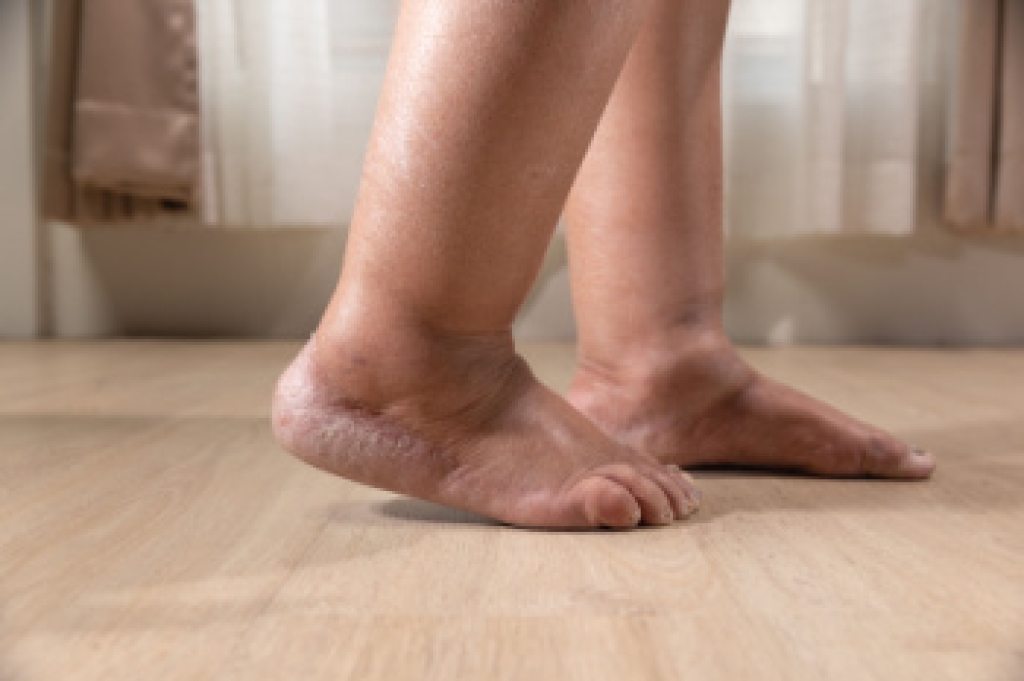
Swollen feet and ankles are a common issue that can result from a variety of causes. Among them are standing or sitting for long periods, injury, poor circulation, heart or kidney conditions, or certain medications. Pregnancy and excess weight can also contribute to swelling. Swelling, or edema, may cause your feet and ankles to look puffy or stretched and feel tight or heavy. You might notice your shoes fitting tighter or experience discomfort and reduced range of motion. A podiatrist can evaluate the cause of the swelling through a physical exam, medical history, and possibly imaging or blood tests. Treatment depends on the underlying issue and may include compression therapy, elevation, lifestyle changes, exercise, or referrals to other specialists. Early intervention can help reduce discomfort and prevent more serious complications. If you are dealing with swollen feet and ankles, it is suggested that you make an appointment with a podiatrist.

Swollen feet can be a sign of an underlying condition. If you have any concerns, contact Anas Khoury, DPM of North Eastern Foot & Ankle Specialists. Our doctor can provide the care you need to keep you pain-free and on your feet.

Swollen feet are a common ailment among pregnant women and people who stand or sit for extended periods. Aging may increase the possibility of swollen feet and patients who are obese often notice when their feet are swelling too. There may be medical reasons why swollen feet occur:

  • Phlebitis - A condition that causes the veins to become inflamed and can also cause leg pain.
  • Liver disease - This may lead to low blood levels of albumin which is a protein. This can cause fluid in the blood to pass into the tissues and several areas of the body can become swollen.
  • Heart failure - When the heart doesn’t pump properly the blood that is normally pumped back to the heart can pool in the veins of the legs causing swollen feet.
  • Kidney disease - One of the main functions of the kidneys is releasing excess fluid in the body. This type of condition can make it difficult for the kidneys to function properly, and as a result the feet may become swollen.
  • Deep-vein thrombosis (DVT)- This is a serious condition where blood clots form in the veins of the legs. They can block the return of blood from the legs to the heart which may cause the feet to swell. It is important to be treated by a podiatrist if this condition is present.

Swollen feet can also be caused by bone and tendon conditions, including fractures, arthritis, and tendinitis. Additionally, there may be skin and toenail conditions and an infection may cause the feet to swell. Patients who take medicine to treat high blood pressure may be prone to getting swollen feet. 

Many patients elevate their feet to help relieve the swelling and this is generally a temporary remedy. When a podiatrist is consulted the reason behind the swelling can be uncovered and subsequently treated.

If you have any questions please contact our office located in Passaic, NJ . We offer the newest diagnostic and treatment technologies for all your foot and ankle needs.
Read more about Swelling of the Feet

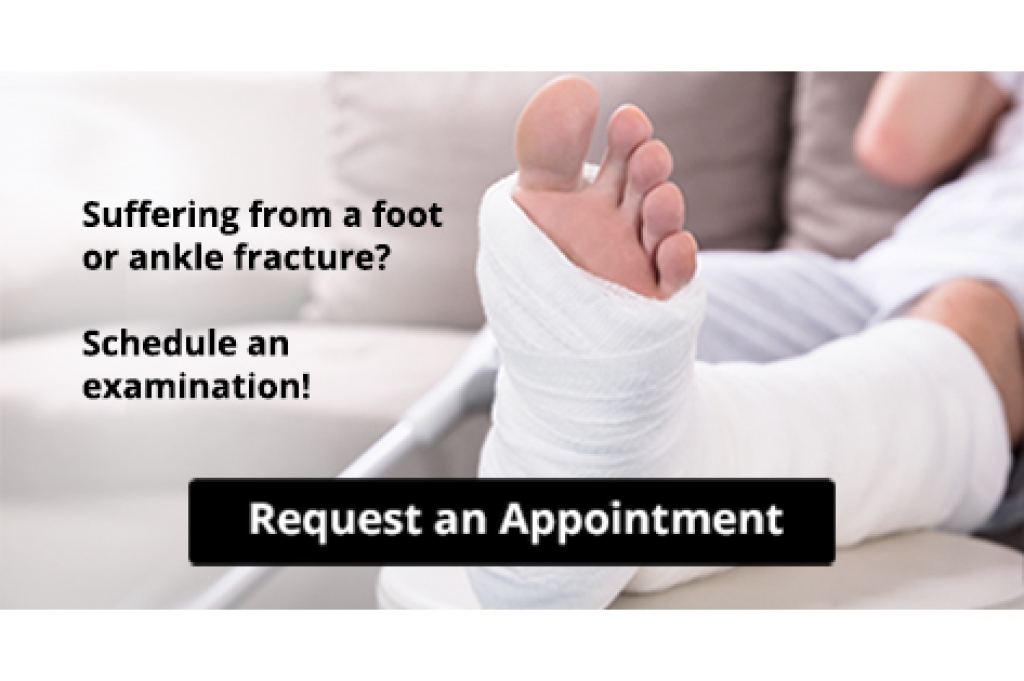
Get Professional Care for a Broken Foot or Ankle

Constant care and regular evaluation are important for a foot or ankle fracture. If left untreated, foot or ankle fractures can worsen over time and create more serious problems.

Don't wait to be examined if you believe you've experienced a foot or ankle fracture.

Connect With Us