Hablamos Español

Understanding Sever’s Disease

Pediatric calcaneal apophysitis, commonly known as Sever's disease, is a condition affecting the growth plate in the heel of children, typically between the ages of eight and 14. As children engage in physical activities and sports, the Achilles tendon exerts repetitive tension on the heel's growth plate, causing inflammation and pain. This condition is more prevalent during periods of rapid growth when the bone is susceptible to mechanical stress. Recognizing pediatric calcaneal apophysitis is vital as it causes heel pain, tenderness, and swelling, particularly after physical activities. Rest and reduced activity levels are primary components of managing Sever's disease, allowing the inflamed growth plate to heal. Wearing supportive footwear with adequate cushioning and heel cups can alleviate symptoms, while stretching exercises may help improve flexibility and reduce tension on the Achilles tendon. If your active child has heel pain, it is suggested that you schedule an appointment with a podiatrist who can provide an accurate diagnosis and a tailored treatment plan.  

Sever's disease often occurs in children and teens. If your child is experiencing foot or ankle pain, see Anas Khoury, DPM from North Eastern Foot & Ankle Specialists. Our doctor can treat your child’s foot and ankle needs.

Sever’s Disease

Sever’s disease is also known as calcaneal apophysitis, which is a medical condition that causes heel pain I none or both feet. The disease is known to affect children between the ages of 8 and 14.

Sever’s disease occurs when part of the child’s heel known as the growth plate (calcaneal epiphysis) is attached to the Achilles tendon. This area can suffer injury when the muscles and tendons of the growing foot do not keep pace with bone growth. Therefore, the constant pain which one experiences at the back of the heel will make the child unable to put any weight on the heel. The child is then forced to walk on their toes.

Symptoms

Acute pain – Pain associated with Sever’s disease is usually felt in the heel when the child engages in physical activity such as walking, jumping and or running.

Highly active – Children who are very active are among the most susceptible in experiencing Sever’s disease, because of the stress and tension placed on their feet.

If you have any questions, please feel free to contact our office located in Passaic, NJ . We offer the newest diagnostic and treatment technologies for all your foot care needs.
Read more about Sever's Disease

The Importance of Treatment for Diabetic Foot Ulcers

Diabetes can harm the nerves and blood vessels in your feet, reducing your ability to feel injuries. Minor foot problems like calluses, blisters, or cracks can develop into serious foot ulcers, often on the ball of the foot or under the big toe. These ulcers can become infected and lead to gangrene, potentially requiring the amputation of toes, parts of the foot, or even the leg. If you have a foot ulcer, it is vital to keep weight off the affected area to aid healing. For diabetics, early treatment of foot issues is crucial to prevent them from worsening. If you have diabetes, it is strongly suggested that you make routine appointments with a podiatrist to make sure your foot health is properly managed.

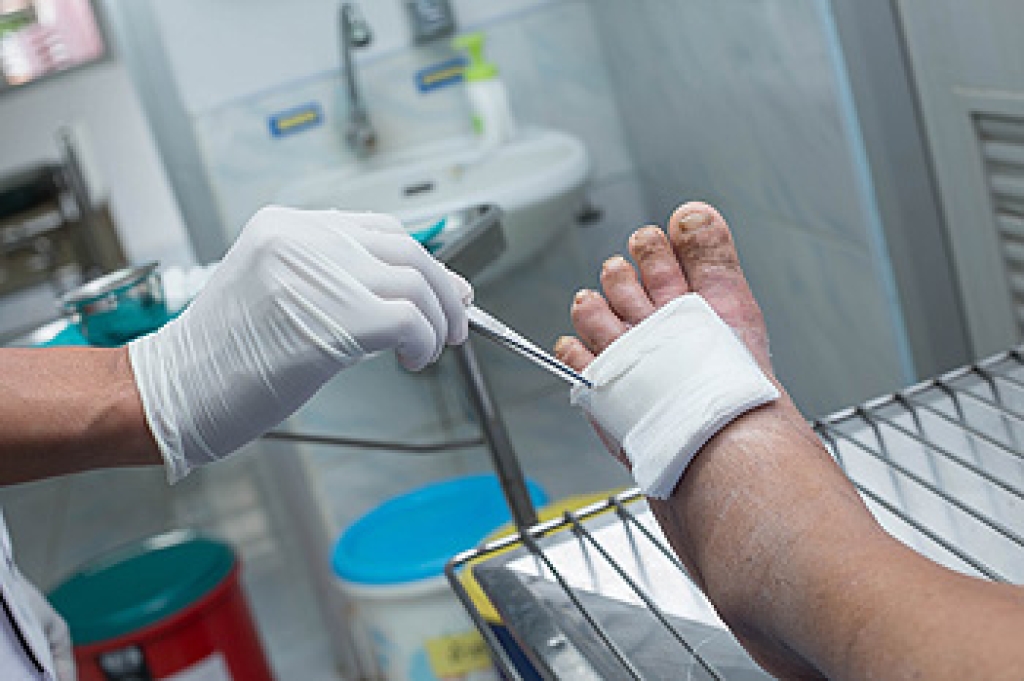
Wound care is an important part in dealing with diabetes. If you have diabetes and a foot wound or would like more information about wound care for diabetics, consult with Anas Khoury, DPM from North Eastern Foot & Ankle Specialists. Our doctor will assess your condition and provide you with quality foot and ankle treatment.

What Is Wound Care?

Wound care is the practice of taking proper care of a wound. This can range from the smallest to the largest of wounds. While everyone can benefit from proper wound care, it is much more important for diabetics. Diabetics often suffer from poor blood circulation which causes wounds to heal much slower than they would in a non-diabetic. 

What Is the Importance of Wound Care?

While it may not seem apparent with small ulcers on the foot, for diabetics, any size ulcer can become infected. Diabetics often also suffer from neuropathy, or nerve loss. This means they might not even feel when they have an ulcer on their foot. If the wound becomes severely infected, amputation may be necessary. Therefore, it is of the upmost importance to properly care for any and all foot wounds.

How to Care for Wounds

The best way to care for foot wounds is to prevent them. For diabetics, this means daily inspections of the feet for any signs of abnormalities or ulcers. It is also recommended to see a podiatrist several times a year for a foot inspection. If you do have an ulcer, run the wound under water to clear dirt from the wound; then apply antibiotic ointment to the wound and cover with a bandage. Bandages should be changed daily and keeping pressure off the wound is smart. It is advised to see a podiatrist, who can keep an eye on it.

If you have any questions please contact our office located in Passaic, NJ . We offer the newest diagnostic and treatment technologies for all your foot and ankle needs.

Read more about Wound Care

What Are Custom Orthotics?

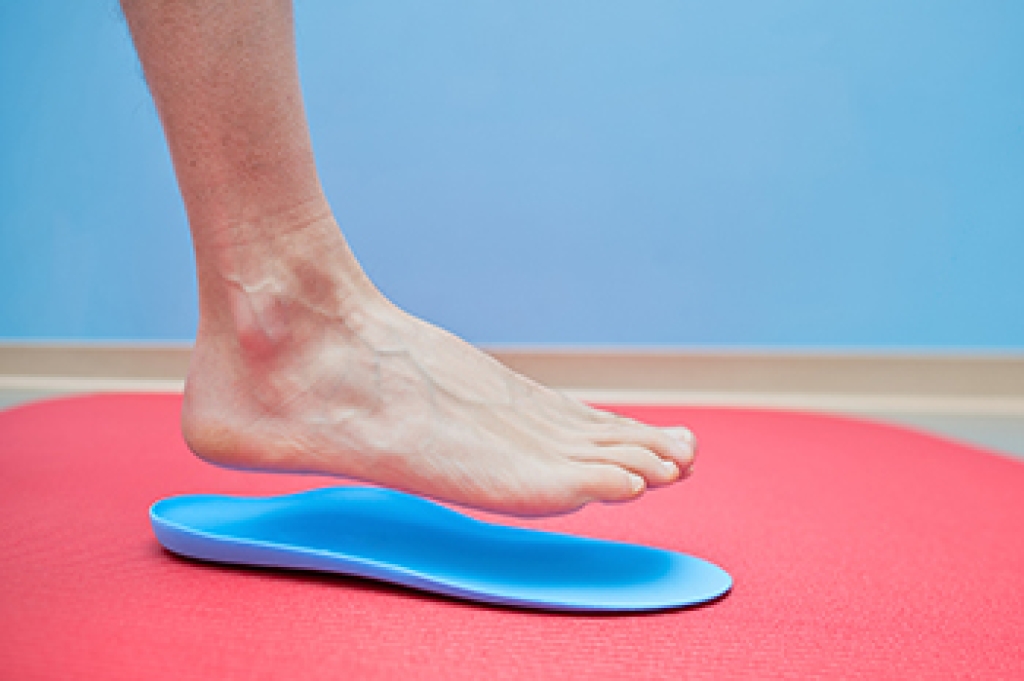
Are you struggling with foot pain, heel issues, or even balance problems? Custom orthotics might be the answer for you. These specially designed insoles are more than just padding. They are medical devices prescribed to treat various foot conditions. If you experience consistent foot or heel pain, have balance issues, or notice uneven shoe wear, it's worth considering orthotics. They are particularly beneficial for patients with conditions like plantar fasciitis, flat feet, or high arches and offer targeted support to relieve pain and improve alignment. Orthotics can also aid in the recovery from lower limb injuries and are often recommended for diabetic foot care. If you want to explore the personal benefits of custom foot orthotics, it is suggested that you make an appointment with a podiatrist. It is not necessary to suffer if these insoles can help you.

Custom orthotics are specialized shoe inserts created to support and align the feet according to each person’s unique structure and walking pattern. They are an effective way to relieve foot discomfort caused by conditions such as flat feet, high arches, plantar fasciitis, bunions, and heel pain. When the natural alignment of the foot is off balance, it can lead to pressure points, strain, and pain that affect how a person stands, walks, and moves. Orthotics work by redistributing weight evenly and supporting the arch to reduce stress on the muscles, tendons, and joints of the feet and lower legs.

Foot discomfort can develop for many reasons, including wearing improper footwear, long hours of standing, repetitive motion, or underlying structural problems. Over time, this discomfort can extend beyond the feet, contributing to knee, hip, or lower back pain. Custom orthotics help correct these issues by improving alignment and promoting more efficient movement. They are made using precise measurements and imaging to ensure the best fit for each patient, providing targeted support and cushioning where it is needed most.

Unlike generic insoles, custom orthotics are durable, medically designed, and tailored to your specific needs. Whether you are managing chronic pain, recovering from an injury, or simply seeking better comfort and stability, orthotics can make a noticeable difference in how your feet feel throughout the day.

If you are experiencing persistent foot discomfort or fatigue, it may be time to have your feet evaluated by a podiatrist. Call our office today for more information or to schedule an appointment.

If you have any questions, please feel free to contact our office located in Passaic, NJ

Read more about Investing in Custom Orthotics Means Investing in Foot Health

Get Professional Care for a Broken Foot or Ankle

Constant care and regular evaluation are important for a foot or ankle fracture. If left untreated, foot or ankle fractures can worsen over time and create more serious problems.

Don't wait to be examined if you believe you've experienced a foot or ankle fracture.

How to Prevent Ingrown Toenails

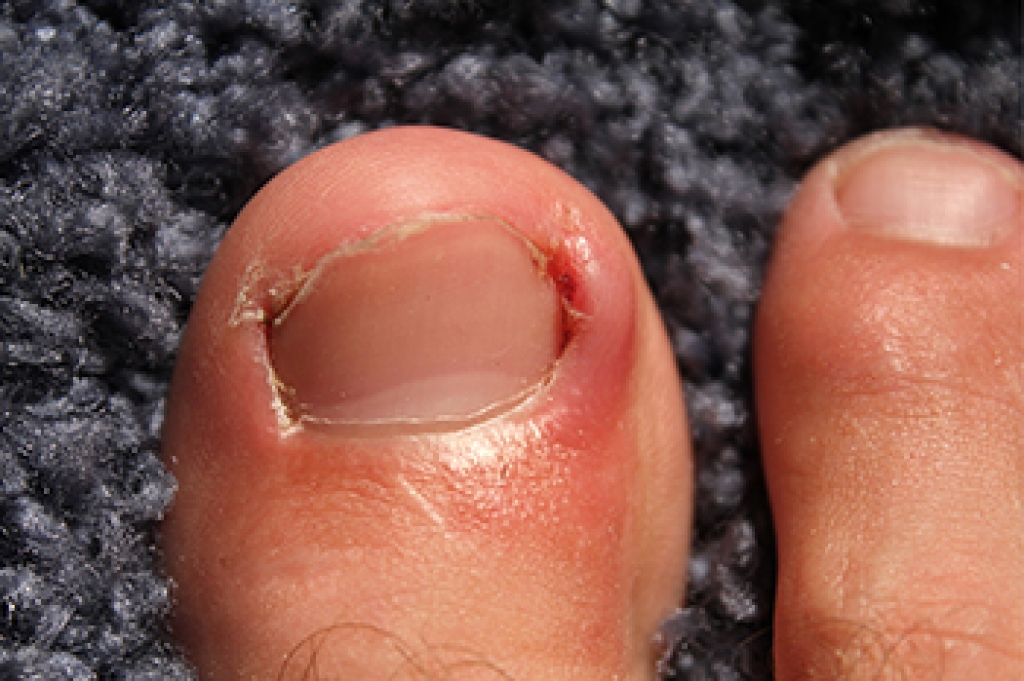
Ingrown toenails can be a painful and bothersome foot condition, but they are often preventable with proper care and understanding of their causes. This troublesome malady occurs when the edge or corner of a toenail grows into the surrounding skin, leading to pain, redness, and potential infection. One common cause of ingrown toenails is improper nail trimming. Cutting the nails too short or rounding the edges can encourage the nail to grow into the skin. Wearing tight or ill-fitting shoes that put pressure on the toes is another contributing factor, as it can force the nail to grow abnormally. To prevent ingrown toenails, it is important to trim the nails straight across and not too short. Wearing well-fitted, comfortable shoes that can provide enough room for your toes may also help to prevent this painful condition. Additionally, maintaining good foot hygiene and protecting your toes can go a long way in preventing the development of ingrown toenails. If you have developed this ailment, it is strongly suggested that you schedule an appointment with a podiatrist as quickly as possible who can offer treatment options that are right for you.

Ingrown toenails may initially present themselves as a minor discomfort, but they may progress into an infection in the skin without proper treatment. For more information about ingrown toenails, contact Anas Khoury, DPM of North Eastern Foot & Ankle Specialists. Our doctor can provide the care you need to keep you pain-free and on your feet.

Ingrown Toenails

Ingrown toenails are caused when the corner or side of a toenail grows into the soft flesh surrounding it. They often result in redness, swelling, pain, and in some cases, infection. This condition typically affects the big toe and may recur if it is not treated properly.

Causes

  • Improper toenail trimming
  • Genetics
  • Improper shoe fitting
  • Injury from pedicures or nail picking
  • Abnormal gait
  • Poor hygiene

You are more likely to develop an ingrown toenail if you are obese, have diabetes, arthritis, or have any fungal infection in your nails. Additionally, people who have foot or toe deformities are at a higher risk of developing an ingrown toenail.

Symptoms

Some symptoms of ingrown toenails are redness, swelling, and pain. In rare cases, there may be a yellowish drainage coming from the nail.

Treatment

Ignoring an ingrown toenail can have serious complications. Infections of the nail border can progress to a deeper soft-tissue infection, which can then turn into a bone infection. You should always speak with your podiatrist if you suspect you have an ingrown toenail, especially if you have diabetes or poor circulation.

If you have any questions, please feel free to contact our office located in Passaic, NJ . We offer the newest diagnostic and treatment technologies for all your foot care needs.
Read more about Ingrown Toenail Care

Connect With Us