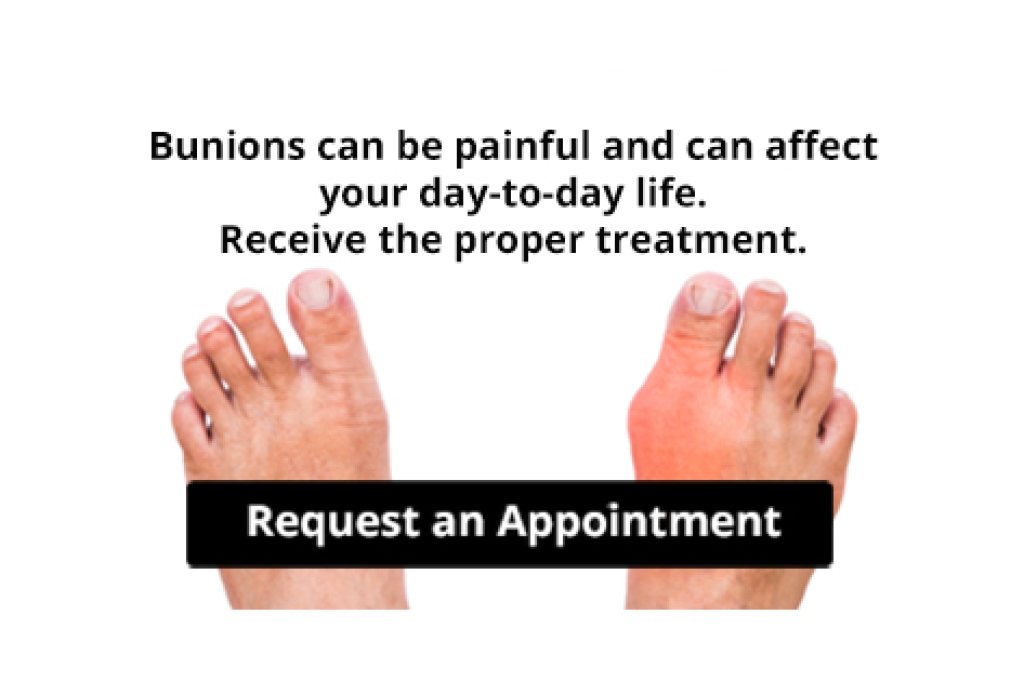
Have you noticed a bony protrusion on the side of your big toe? If so, you may have developed the foot condition known as a bunion. Don't let bunions interfere with your daily activities.
Have you noticed a bony protrusion on the side of your big toe? If so, you may have developed the foot condition known as a bunion. Don't let bunions interfere with your daily activities.
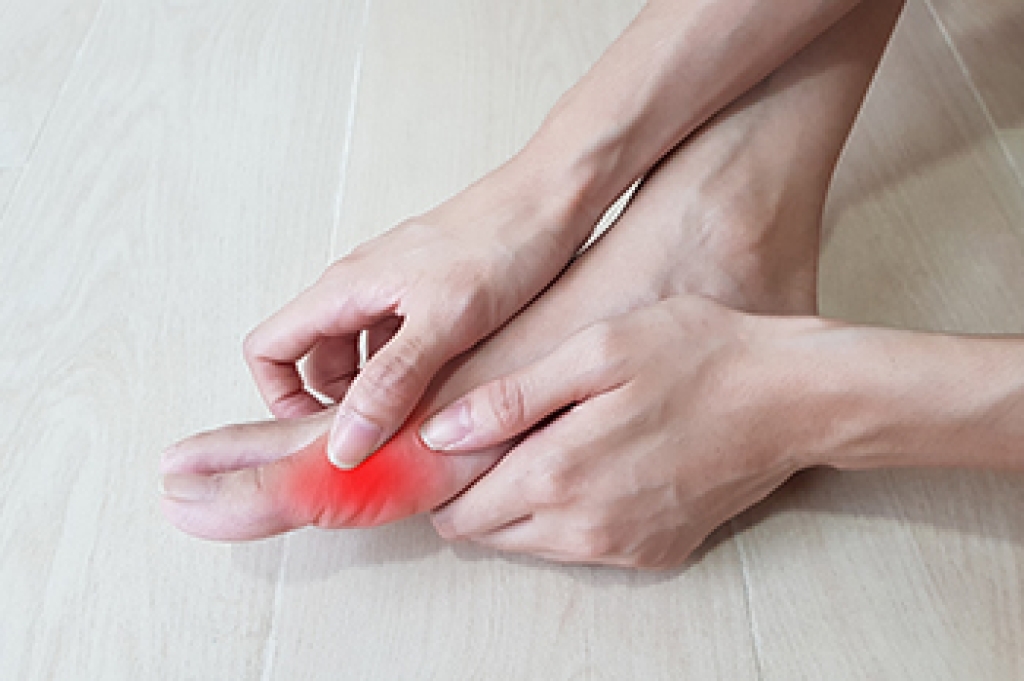
Gout is a painful foot condition. People who are afflicted with gout may find the pain so debilitating that walking may temporarily become difficult, if not impossible to do. It is a form of arthritis that is caused by excess uric acid in the blood. This can convert into crystals that lodge in the joints of the big toe. In addition to the intense pain, common symptoms can include swelling, redness, and the affected area may feel warm when touched. Frequently eating certain types of foods may lead to gout, including shellfish, red meat, and drinks that are made with large amounts of sugar. Controlling the frequency of gout attacks may be accomplished by implementing healthy eating habits into the daily regime, and engaging in a gentle exercise program. Additionally, it can be beneficial to drink plenty of water and limit the number of foods with high levels of purines that may convert to uric acid. If you have had one or several gout attacks, it is strongly suggested that you are under the care of a podiatrist who can help you to manage this painful condition.
Gout is a foot condition that requires certain treatment and care. If you are seeking treatment, contact Anas Khoury, DPM from North Eastern Foot & Ankle Specialists. Our doctor will treat your foot and ankle needs.
What Is Gout?
Gout is a type of arthritis caused by a buildup of uric acid in the bloodstream. It often develops in the foot, especially the big toe area, although it can manifest in other parts of the body as well. Gout can make walking and standing very painful and is especially common in diabetics and the obese.
People typically get gout because of a poor diet. Genetic predisposition is also a factor. The children of parents who have had gout frequently have a chance of developing it themselves.
Gout can easily be identified by redness and inflammation of the big toe and the surrounding areas of the foot. Other symptoms include extreme fatigue, joint pain, and running high fevers. Sometimes corticosteroid drugs can be prescribed to treat gout, but the best way to combat this disease is to get more exercise and eat a better diet.
If you have any questions, please feel free to contact our office located in Passaic, NJ . We offer the newest diagnostic and treatment technologies for all your foot care needs.
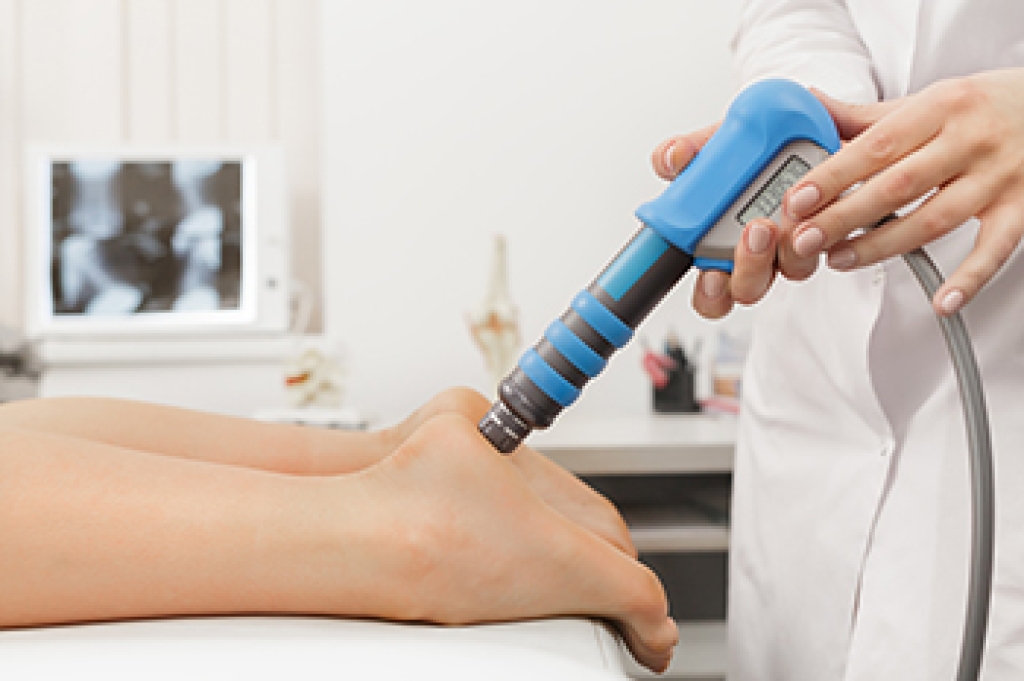
Plantar fasciitis is an annoyingly painful condition where the plantar fascia running along the sole of the foot becomes inflamed or sustains microtears. Shock wave therapy uses pressurized air or electromagnetic pulses to deliver ultrasound energy to the feet. There are low and high-energy shock wave treatments. The low-energy treatments are given in a series of three or more sessions. These can be mildly painful if there is any pain at all. High-energy shock wave treatments are given in one session and can be quite painful, sometimes requiring anesthesia. Either treatment is thought to work by inducing microtrauma in the affected tissue. This initiates healing by causing blood vessel formation and increased delivery of nutrients to the affected area. New shockwave treatments are under continued development and reports differ on their success. If you are interested in finding out more about shockwave therapy for persistent plantar fasciitis, see a podiatrist who can help you determine if this is a treatment that may be right for you.
Shockwave therapy is a treatment commonly used to treat various injuries and conditions, particularly plantar fasciitis in the feet. To learn more, consult with Anas Khoury, DPM from North Eastern Foot & Ankle Specialists. Our doctor can provide the care you need to keep you pain-free and on your feet.
Shockwave Therapy
Shockwave therapy is a new treatment option designed to treat bone conditions such as tennis elbow, shoulder pain, and others. Shockwave therapy uses high intensity sound waves that are directed to the affected tissues of the body with pinpoint accuracy. The effects are very beneficial, leading to a production of collagen fibers, eliminating inflammation.
Who Benefits from Shockwave?
Shockwave is recommended for patients suffering from heel pain and associated problems. Heel pain is a common condition which can be caused by obesity, overexertion, and spending a substantial amount of time on hard floors with your feet exposed and unsupported.
Fast and Easy
The therapy is actually a simple process that can leave patients feeling better the very next day. Shockwave therapy is not as dramatic as it sounds. It enables more blood flow to effected areas, addressing the source of the problem and allowing treatment to last for a long time.
Treatment & Recovery Time
Shockwave treatment will enable your feet to recover quickly. This is especially important since surgery is not required. It is cost effective and does not require the use of anesthesia. This treatment is a better option to surgery, since it is proven safe.
If you have any questions, please feel free to contact our office located in Passaic, NJ . We offer the newest diagnostic and treatment technologies for all your foot care needs.
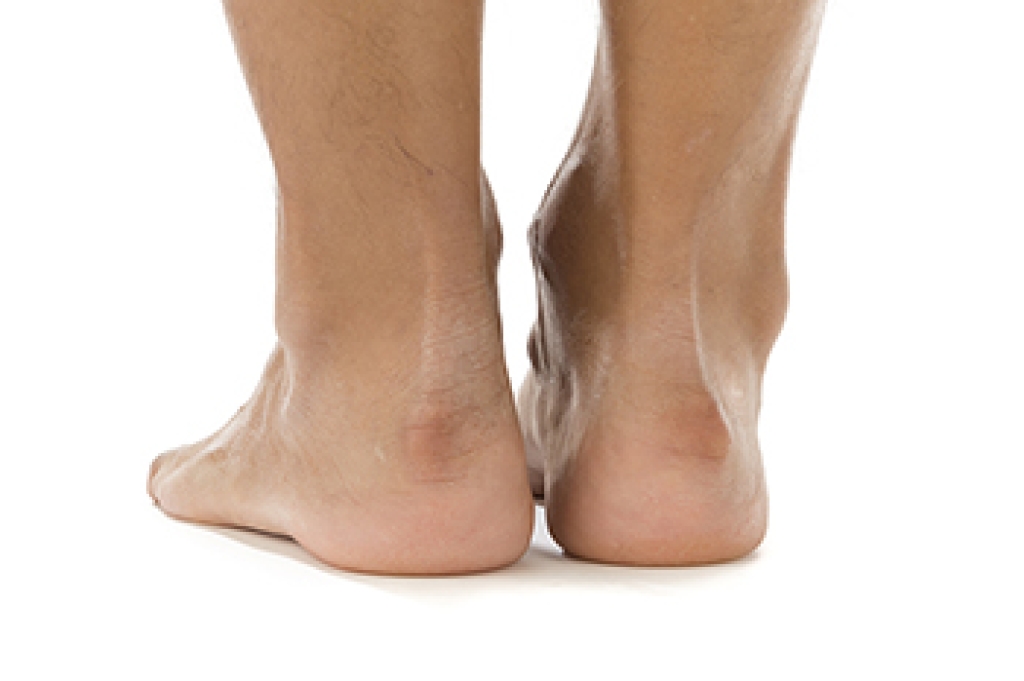
When a bumpy protrusion forms on the back of the heel, it is a sign that you may have a condition known as Haglund’s deformity. This condition is also less formally known as pump bump. Heredity is a known factor in causing Haglund’s deformity. People with high arches, those who walk on the outside of their foot, and those with tight Achilles tendons may be at higher risk of developing a pump bump. Another contributing factor is wearing dress shoes with rigid backs, which can lead to increased pressure on the enlarged bone and add to the pain. Symptoms of Haglund’s deformity include a bump on the heel bone, as well as redness, swelling, and pain where the heel and the Achilles tendon meet. If the pain of Haglund’s deformity becomes severe, it may be time to consult a podiatrist for a complete examination of the heel bone. This may include a variety of imaging tests and a gait assessment. Heel inserts, arch supports, or custom orthotics may be prescribed. In more severe cases, a walking boot, soft cast, or surgery may be an option. For more information, please consult a podiatrist.
Many people suffer from bouts of heel pain. For more information, contact Anas Khoury, DPM of North Eastern Foot & Ankle Specialists. Our doctor can provide the care you need to keep you pain-free and on your feet.
Causes of Heel Pain
Heel pain is often associated with plantar fasciitis. The plantar fascia is a band of tissues that extends along the bottom of the foot. A rip or tear in this ligament can cause inflammation of the tissue.
Achilles tendonitis is another cause of heel pain. Inflammation of the Achilles tendon will cause pain from fractures and muscle tearing. Lack of flexibility is also another symptom.
Heel spurs are another cause of pain. When the tissues of the plantar fascia undergo a great deal of stress, it can lead to ligament separation from the heel bone, causing heel spurs.
Why Might Heel Pain Occur?
Treatments
Heel pain should be treated as soon as possible for immediate results. Keeping your feet in a stress-free environment will help. If you suffer from Achilles tendonitis or plantar fasciitis, applying ice will reduce the swelling. Stretching before an exercise like running will help the muscles. Using all these tips will help make heel pain a condition of the past.
If you have any questions, please feel free to contact our office located in Passaic, NJ . We offer the newest diagnostic and treatment technologies for all your foot care needs.
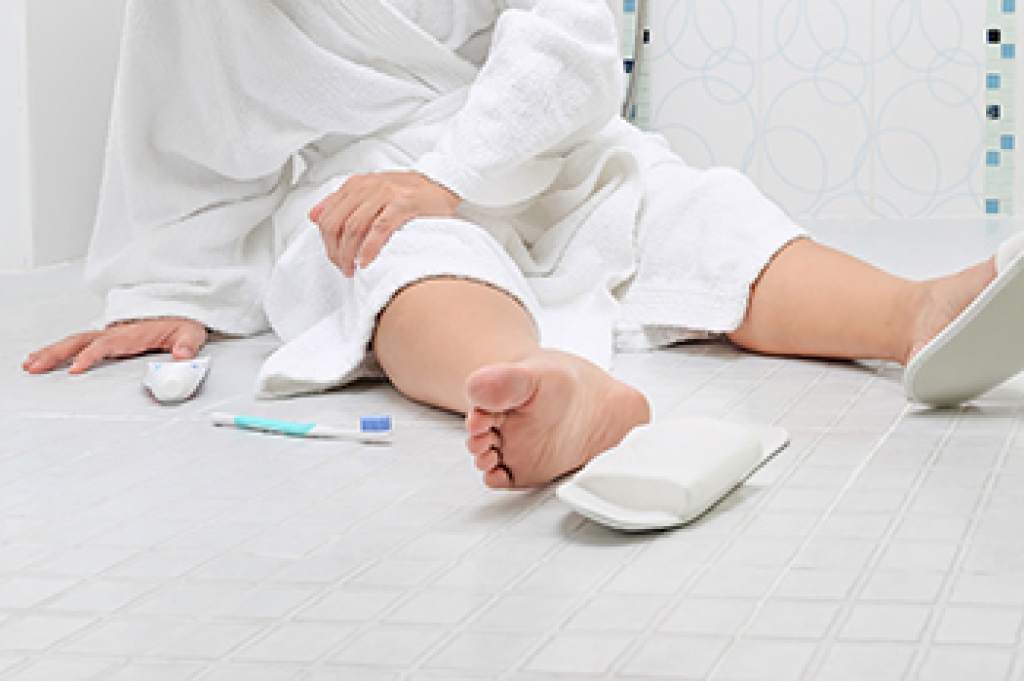
Traveling is exciting to most people as it can be relaxing or full of adventure. Either way, there is always a possibility of unforeseen situations, such as injuries, arising. Reducing risk of injury while traveling should therefore be an important goal. Slips and falls are a common accident that can happen while traveling. Consequences may be minor, but they can also be severe. Causes of falls are numerous, such as slipping on a wet pool tile or twisting an ankle and taking a spill. It is important to be aware of surroundings, avoid slippery surfaces, and wear supportive and well-fitting shoes while traveling. If you should fall while traveling, or to obtain more preventative tips, see a podiatrist who can answer your questions as well as diagnose and treat all ankle and foot-related issues.
Preventing falls among the elderly is very important. If you are older and have fallen or fear that you are prone to falling, consult with Anas Khoury, DPM from North Eastern Foot & Ankle Specialists. Our doctor will assess your condition and provide you with quality advice and care.
Every 11 seconds, an elderly American is being treated in an emergency room for a fall related injury. Falls are the leading cause of head and hip injuries for those 65 and older. Due to decreases in strength, balance, senses, and lack of awareness, elderly persons are very susceptible to falling. Thankfully, there are a number of things older persons can do to prevent falls.
How to Prevent Falls
Some effective methods that older persons can do to prevent falls include:
Falling can be a traumatic and embarrassing experience for elderly persons; this can make them less willing to leave the house, and less willing to talk to someone about their fears of falling. Doing such things, however, will increase the likelihood of tripping or losing one’s balance. Knowing the causes of falling and how to prevent them is the best way to mitigate the risk of serious injury.
If you have any questions, please feel free to contact our office located in Passaic, NJ . We offer the newest diagnostic and treatment technologies for all your foot care needs.
Connect With Us
