Hablamos Español

What Is Peripheral Neuropathy and How Does it Feel?

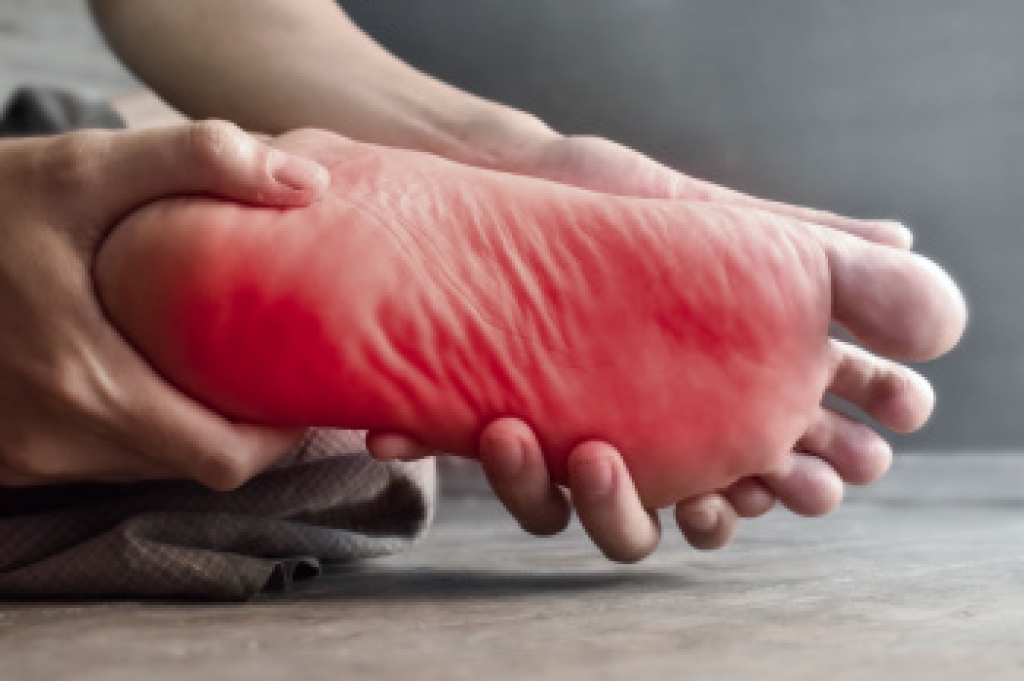
Peripheral neuropathy is a condition affecting the peripheral nervous system, which consists of the nerves outside the brain and spinal cord. This system relays information between the central nervous system and the rest of the body, controlling sensations, movements, and autonomic functions. Peripheral neuropathy occurs when these nerves are damaged, leading to symptoms like tingling, numbness, pain, and weakness, often in the hands and feet. It can result from diabetes, infections, autoimmune diseases, toxins, or even trauma. Small fiber neuropathy specifically affects the small sensory fibers responsible for pain and temperature regulation. This type of neuropathy can cause burning or stabbing pain, tingling, or sensitivity to temperature. It often occurs in conditions like diabetes, but it can also be caused by other factors such as genetic disorders or autoimmune diseases. If you are feeling symptoms of peripheral neuropathy, it is suggested that you schedule an appointment with a podiatrist for an early diagnosis and management to prevent worsening of symptoms and nerve damage.

Neuropathy

Neuropathy can be a potentially serious condition, especially if it is left undiagnosed. If you have any concerns that you may be experiencing nerve loss in your feet, consult with Anas Khoury, DPM from North Eastern Foot & Ankle Specialists. Our doctor will assess your condition and provide you with quality foot and ankle treatment for neuropathy.

What Is Neuropathy?

Neuropathy is a condition that leads to damage to the nerves in the body. Peripheral neuropathy, or neuropathy that affects your peripheral nervous system, usually occurs in the feet. Neuropathy can be triggered by a number of different causes. Such causes include diabetes, infections, cancers, disorders, and toxic substances.

Symptoms of Neuropathy Include:

  • Numbness
  • Sensation loss
  • Prickling and tingling sensations
  • Throbbing, freezing, burning pains
  • Muscle weakness

Those with diabetes are at serious risk due to being unable to feel an ulcer on their feet. Diabetics usually also suffer from poor blood circulation. This can lead to the wound not healing, infections occurring, and the limb may have to be amputated.

Treatment

To treat neuropathy in the foot, podiatrists will first diagnose the cause of the neuropathy. Figuring out the underlying cause of the neuropathy will allow the podiatrist to prescribe the best treatment, whether it be caused by diabetes, toxic substance exposure, infection, etc. If the nerve has not died, then it’s possible that sensation may be able to return to the foot.

Pain medication may be issued for pain. Electrical nerve stimulation can be used to stimulate nerves. If the neuropathy is caused from pressure on the nerves, then surgery may be necessary.

If you have any questions, please feel free to contact our office located in Passaic, NJ . We offer the newest diagnostic and treatment technologies for all your foot care needs.
Read more about Neuropathy

The Impact of Flip-Flops on Foot Biomechanics and Gait

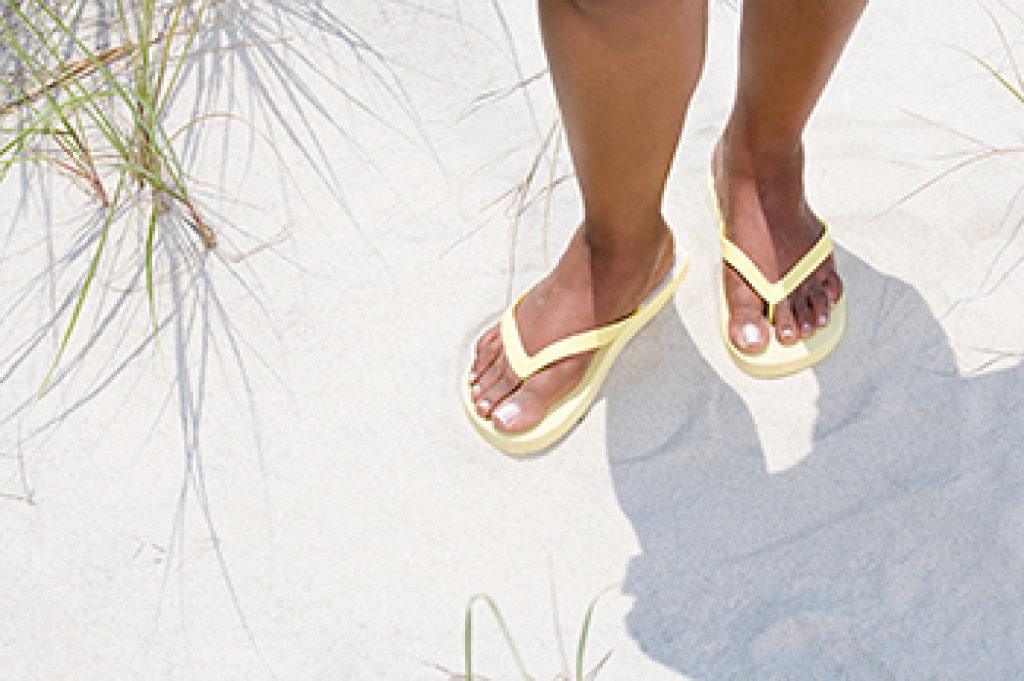
Flip-flops, while popular for their convenience and comfort, can negatively affect foot biomechanics and gait. These minimalistic shoes offer limited support and cushioning, leading to poor alignment of the foot and increased stress on the muscles and joints. The lack of arch support and cushioning can cause abnormal gait patterns, such as overpronation or supination, which may result in foot pain or discomfort. Additionally, the loose fit of flip-flops requires constant gripping with the toes to keep them on, which can strain the foot muscles and contribute to imbalance. Over time, frequent use of flip-flops may worsen existing foot problems or lead to new issues such as plantar fasciitis or metatarsalgia. If you have developed one or more foot conditions from wearing flip-flops, it is suggested that you consult a podiatrist for effective treatment.

Flip-flops are not always the best choice of footwear. If you have any concerns about your feet or ankles, contact Anas Khoury, DPM from North Eastern Foot & Ankle Specialists. Our doctor will assist you with all of your foot and ankle needs.

Flip-Flops and Feet

When the weather starts warming up, people enjoy wearing flip-flops.  Flip-flops are comfortable, stylish, and easy to slip on and off; they're perfect for any summer beach goer.  However, these shoes can cause harm to the feet.

How Can Flip-Flops Affect Me Long-Term?

  • Ankle problems
  • Hip problems
  • Lower back problems
  • Pain in the balls of the feet
  • Problems with foot arches
  • Changes in the way you walk

Are There Injuries Associated with Flip-Flops?

Yes.  Since flip-flops are relatively weak and do not provide the same amount of support as sneakers, people who wear flip-flops regularly are more susceptible to injuries. On top of that, the open nature of the shoe makes your feet more prone to other problems, such as cuts and even infections.  Common injuries and ailments include:

  • Sprained ankles
  • Blisters
  • Infections
  • Cuts and Scrapes

I like Wearing Flip-Flops. Are There Safe Alternatives?

When buying flip-flops, try to find ones that have sturdy soles and that are made of high-quality materials that will support for your feet.  These flip-flops will cost more but will also last longer as a result.

If you have any questions, please feel free to contact our office located in Passaic, NJ . We offer the newest diagnostic and treatment technologies for all your foot care needs.

Read more about Flip Flops and Your Feet

Gout Pain Can Be Managed

Gout is a painful, inflammatory form of arthritis. Those affected will typically feel an intense stiffness in the joints of their feet, particularly in the big toe. Schedule a visit to learn about how gout can be managed and treated.

Bypass Bunion Surgery with Custom Orthotics

Considering bunion surgery? Think again. Custom Orthotics offer a non-surgical approach to reduce pain and restore foot function. Customized to your foot's structure, they realign and redistribute pressure, alleviating bunion discomfort. Experience the freedom of movement without the downtime and risks of surgery. Contact our office to make an appointment.

Facts About the Achilles Tendon and Potential Injuries

The Achilles tendon, the largest tendon in the body, connects the calf muscles to the heel bone, playing a vital role in walking, running, and jumping by facilitating the movement of the foot. Achilles tendon injuries often result from overuse, excessive strain, or sudden increases in physical activity. Causes include repetitive stress from activities like running or jumping, improper footwear, or muscle imbalances. People prone to these injuries include athletes, especially those involved in sports requiring quick changes in direction, and anyone who suddenly intensifies their exercise routines without proper conditioning. Other risk factors include age-related tendon degeneration and pre-existing conditions like diabetes or arthritis. Achilles tendon injuries can cause severe pain and discomfort. If you have sustained this type of injury, it is suggested that you promptly consult a podiatrist who can effectively treat and manage this condition.

Achilles tendon injuries need immediate attention to avoid future complications. If you have any concerns, contact Anas Khoury, DPM of North Eastern Foot & Ankle Specialists. Our doctor can provide the care you need to keep you pain-free and on your feet.

What Is the Achilles Tendon?

The Achilles tendon is a tendon that connects the lower leg muscles and calf to the heel of the foot. It is the strongest tendon in the human body and is essential for making movement possible. Because this tendon is such an integral part of the body, any injuries to it can create immense difficulties and should immediately be presented to a doctor.

What Are the Symptoms of an Achilles Tendon Injury?

There are various types of injuries that can affect the Achilles tendon. The two most common injuries are Achilles tendinitis and ruptures of the tendon.

Achilles Tendinitis Symptoms

  • Inflammation
  • Dull to severe pain
  • Increased blood flow to the tendon
  • Thickening of the tendon

Rupture Symptoms

  • Extreme pain and swelling in the foot
  • Total immobility

Treatment and Prevention

Achilles tendon injuries are diagnosed by a thorough physical evaluation, which can include an MRI. Treatment involves rest, physical therapy, and in some cases, surgery. However, various preventative measures can be taken to avoid these injuries, such as:

  • Thorough stretching of the tendon before and after exercise
  • Strengthening exercises like calf raises, squats, leg curls, leg extensions, leg raises, lunges, and leg presses

If you have any questions please feel free to contact our office located in Passaic, NJ . We offer the newest diagnostic tools and technology to treat your foot and ankle needs.

Read more about Achilles Tendon Injuries

Connect With Us