Hablamos Español

Overpronation and Hypermobility May Cause Bunions

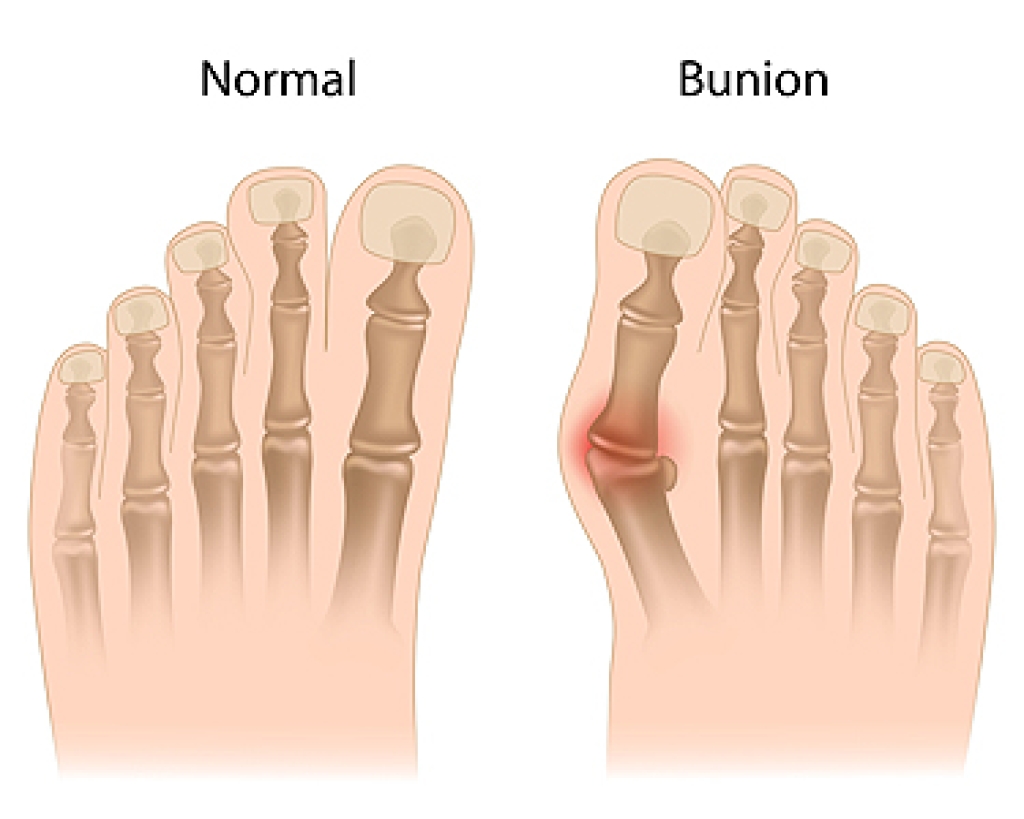
The foot condition known as a bunion is a progressive bone disorder. It is a lump on the side of the big toe that can happen from wearing shoes that do not have enough room in the toe area. Bunions may also occur due to genetic reasons. A bunion is considered a deformity and severe bunions can cause the other toes to shift toward each other. Some patients can develop bunions from overpronation, and this causes the foot to roll inward and can also be related to having flat feet. If the body's weight is unevenly distributed, an abnormal foot structure may develop which could lead to a bunion developing. Hypermobility is a condition that causes the bones to move more than they normally would and this may also result in a bunion. If you have a bunion, it is suggested that you confer with a podiatrist who can determine the proper plan of treatment for you. 

If you are suffering from bunions, contact Anas Khoury, DPM of North Eastern Foot & Ankle Specialists. Our doctor can provide the care you need to keep you pain-free and on your feet.

What Is a Bunion?

A bunion is formed of swollen tissue or an enlargement of boney growth, usually located at the base joint of the toe that connects to the foot. The swelling occurs due to the bones in the big toe shifting inward, which impacts the other toes of the foot. This causes the area around the base of the big toe to become inflamed and painful.

Why Do Bunions Form?

Genetics – Susceptibility to bunions are often hereditary

Stress on the feet – Poorly fitted and uncomfortable footwear that places stress on feet, such as heels, can worsen existing bunions

How Are Bunions Diagnosed?

Podiatrists often perform two tests – blood tests and x-rays – when trying to diagnose bunions, especially in the early stages of development. Blood tests help determine if the foot pain is being caused by something else, such as arthritis, while x-rays provide a clear picture of your bone structure to your provider.

How Are Bunions Treated?

  • Refrain from wearing heels or similar shoes that cause discomfort
  • Select wider shoes that can provide more comfort and reduce pain
  • Anti-inflammatory and pain management drugs
  • Orthotics or foot inserts
  • Surgery

If you have any questions, please feel free to contact our office located in Passaic, NJ . We offer the newest diagnostic and treatment technologies for all your foot care needs.

Read more about What Are Bunions?

Symptoms That May Indicate Gout

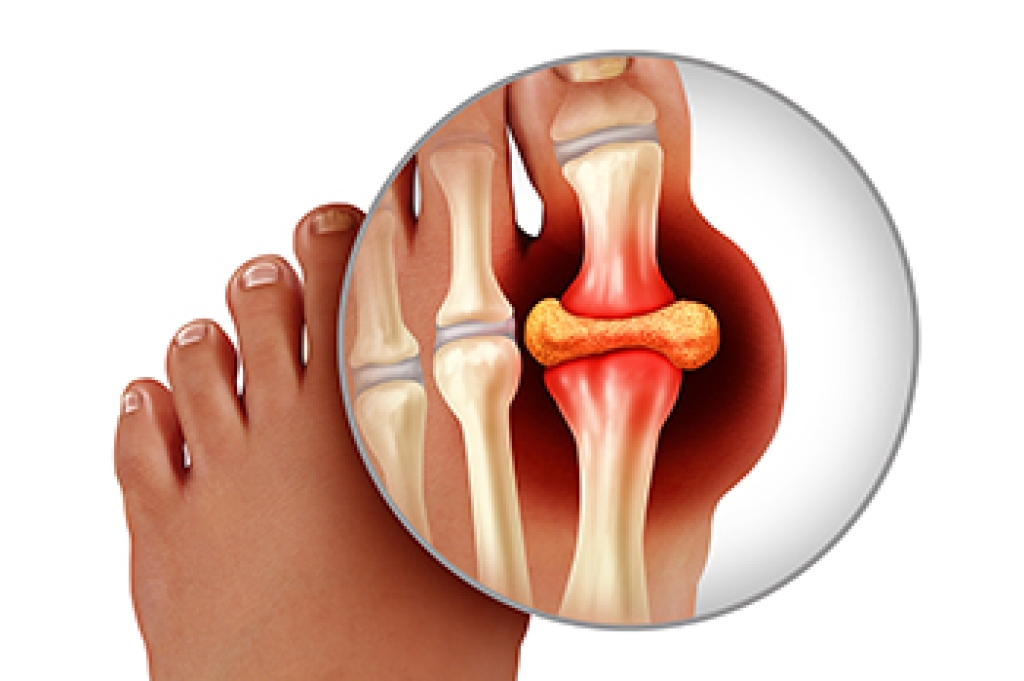
Gout is an inflammatory condition that causes extreme pain in the joints and is particularly common in the big toe. Patients with gout suffer from hyperuricemia, an overabundance of uric acid in the bloodstream. Uric acid then crystallizes, forming sharp, short needles that settle in the joint and cause extreme pain. Anyone can suffer from gout, but it is more common among men over the age of 30. Risk factors for gout are genetics, alcohol use, and a diet rich in foods that contain a high level of purines. These include red meat, seafood, and beverages made with alcohol or large amounts of sugar. The top indicator of gout in the big toe is severe pain. This may come on suddenly and typically occurs at night. The intense pain can linger for days. Swelling, tenderness, and redness are also hallmarks of gout. The skin on the toe may begin to peel and then become itchy and flaky. It also may begin to feel hot to the touch. In some cases, a low-grade fever develops, along with flu-like symptoms. If you believe you may have gout in the big toe, it is suggested that you make an appointment with a podiatrist who can offer treatment options.  

Gout is a painful condition that can be treated. If you are seeking treatment, contact Anas Khoury, DPM from North Eastern Foot & Ankle Specialists. Our doctor will treat your foot and ankle needs.

What Is Gout?

Gout is a form of arthritis that is characterized by sudden, severe attacks of pain, redness, and tenderness in the joints. The condition usually affects the joint at the base of the big toe. A gout attack can occur at any random time, such as the middle of the night while you are asleep.

Symptoms

  • Intense Joint Pain - Usually around the large joint of your big toe, and it most severe within the first four to twelve hours
  • Lingering Discomfort - Joint discomfort may last from a few days to a few weeks
  • Inflammation and Redness -Affected joints may become swollen, tender, warm and red
  • Limited Range of Motion - May experience a decrease in joint mobility

Risk Factors

  • Genetics - If family members have gout, you’re more likely to have it
  • Medications - Diuretic medications can raise uric acid levels
  • Gender/Age - Gout is more common in men until the age of 60. It is believed that estrogen protects women until that point
  • Diet - Eating red meat and shellfish increases your risk
  • Alcohol - Having more than two alcoholic drinks per day increases your risk
  • Obesity - Obese people are at a higher risk for gout

Prior to visiting your podiatrist to receive treatment for gout, there are a few things you should do beforehand. If you have gout you should write down your symptoms--including when they started and how often you experience them, important medical information you may have, and any questions you may have. Writing down these three things will help your podiatrist in assessing your specific situation so that he or she may provide the best route of treatment for you.

If you have any questions, please feel free to contact our office located in Passaic, NJ . We offer the newest diagnostic and treatment technologies for all your foot care needs.
Read more about Gout

Various Branches of Podiatry

The field of medicine that is called podiatry treats conditions of the feet, ankles, and lower legs. The feet are considered to be the foundation of the body, and foot pain can wreak havoc on an individual’s quality of life. Foot pain can range from wearing shoes that do not fit correctly to enduring a traumatic or sudden foot injury. There are several branches of podiatry, consisting of sports medicine, forensic podiatry, and onco-podiatry, and qualified students can choose which one is best for them after completing an extensive education. This can begin with earning a bachelor’s degree, followed by pursuing a Doctor of Podiatric Medicine (DPM) program that will take four years. A surgery residency program begins at this time, which typically takes place in a hospital or clinic setting. Podiatrists can choose to have a private or group practice, work in extended care facilities, or practice in various health departments. If you are interested in pursuing a career as a podiatrist, it is suggested that you speak to this type of doctor who can address any concerns and answer any questions you may have. 

If you are dealing with pain in your feet and ankles, you may want to seek help from a podiatrist. Feel free to contact Anas Khoury, DPM from North Eastern Foot & Ankle Specialists. Our doctor can provide the care you need to keep you pain-free and on your feet.

What Is a Podiatrist?

A podiatrist is a doctor of podiatric medicine who diagnoses and treats conditions of the foot, ankle, and related structures of the leg. Your podiatrist may specialize in a certain field such as sports medicine, wound care, pediatrics, and diabetic care. Podiatrists have the ability to become board certified through training, clinical experience, and then taking an exam.

What Do Podiatrists Do?

On a daily basis, a podiatrist may perform the following activities:

  • Diagnose foot ailments such as ulcers, tumors, fractures, etc.
  • Use innovative methods to treat conditions
  • Use corrective orthotics, casts, and strappings to correct deformities
  • Correct walking patterns and balance
  • Provide individual consultations to patients

It is very important that you take care of your feet. It’s easy to take having healthy feet for granted, however foot problems tend to be among the most common health conditions. Podiatrists can help diagnose and treat a variety of feet related conditions, so it is crucial that you visit one if you need assistance.

If you have any questions, please feel free to contact our office located in Passaic, NJ . We offer the newest diagnostic and treatment technologies for all your foot care needs.

Read more about What is a Podiatrist?

Complex Foot Anatomy

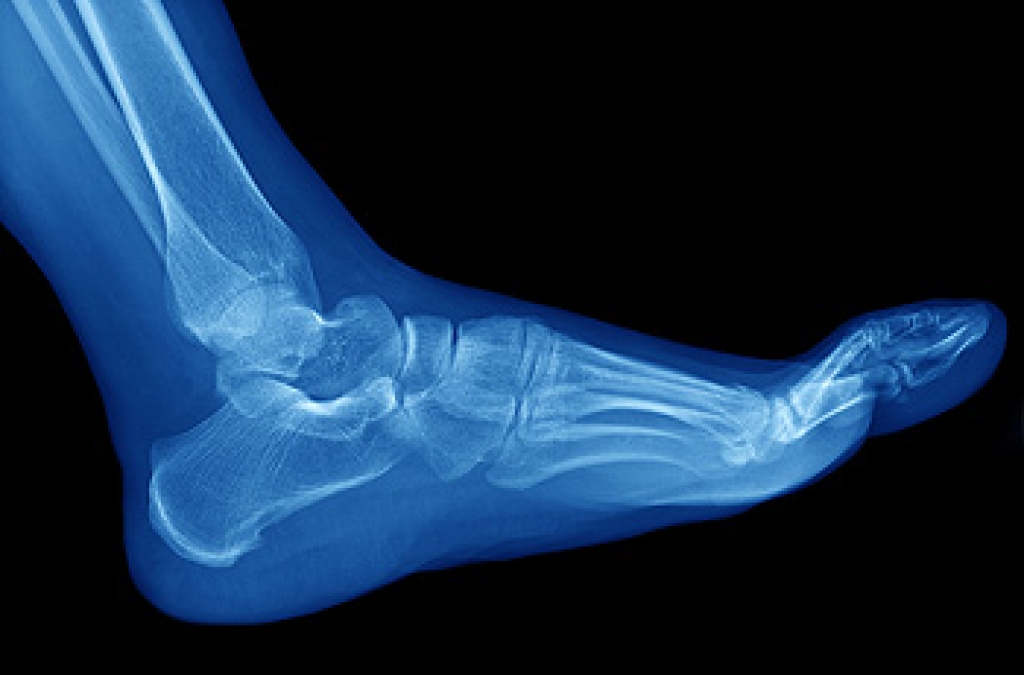
One of the functions of the feet is providing mobility and supporting the weight of the body. The feet are considered to be one of the most complex structures in the body, and are constructed of 26 bones, several muscles, tendons, and ligaments. There are numerous foot conditions which can develop from enduring an injury, or from wearing shoes that do not fit correctly. There are several types of bones that are found in each foot. These are referred to as the phalanges, which are the bones in the toes, and the metatarsals that are found within the flat part of the foot. All the foot bones work in synchronized harmony, and most people are unaware until there is foot pain. An injury can occur to parts of the foot other than the bones. A ligament is defined as a strong tissue that connects the bones together. An injured ligament may require a longer recovery time as a result of limited blood flow. If you would like to have additional knowledge about how the feet are constructed, it is suggested that you consult with a podiatrist who can provide you with the information you are seeking.

If you have any concerns about your feet, contact Anas Khoury, DPM from North Eastern Foot & Ankle Specialists. Our doctor can provide the care you need to keep you pain-free and on your feet.

Biomechanics in Podiatry

Podiatric biomechanics is a particular sector of specialty podiatry with licensed practitioners who are trained to diagnose and treat conditions affecting the foot, ankle and lower leg. Biomechanics deals with the forces that act against the body, causing an interference with the biological structures. It focuses on the movement of the ankle, the foot and the forces that interact with them.

A History of Biomechanics

  • Biomechanics dates back to the BC era in Egypt where evidence of professional foot care has been recorded.
  • In 1974, biomechanics gained a higher profile from the studies of Merton Root, who claimed that by changing or controlling the forces between the ankle and the foot, corrections or conditions could be implemented to gain strength and coordination in the area.

Modern technological improvements are based on past theories and therapeutic processes that provide a better understanding of podiatric concepts for biomechanics. Computers can provide accurate information about the forces and patterns of the feet and lower legs.

Understanding biomechanics of the feet can help improve and eliminate pain, stopping further stress to the foot.

If you have any questions please feel free to contact our office located in Passaic, NJ . We offer the newest diagnostic and treatment technologies for all your foot and ankle needs.

Read more about Biomechanics in Podiatry

Do Your Child's Feet Hurt?

Have your child's feet been examined lately? Healthy feet are happy feet. If your child is complaining of foot pain, it may be a sign of underlying problems.

Foot Pain Needs Immediate Attention

Many people take their feet for granted and do not give them a second thought until they have foot pain. The feet carry the weight of the body, and foot pain may happen from the pressure they endure on a daily basis. It is beneficial to wear shoes that fit correctly, which may prevent uncomfortable foot conditions from developing. The ball of the foot can be affected by an ailment that is known as metatarsalgia, which can cause pain and inflammation. People who enjoy running and jumping activities can be prone to developing this condition, and wearing shoes that have cushioned insoles may help to absorb the shock. One of the most common reasons patients experience heel pain may be from plantar fasciitis. This can happen as a result of an irritated plantar fascia, which is the band of tissue that connects the heel to the toes. Any type of foot pain warrants a visit to the podiatrist, and it is suggested that you contact this type of doctor who can effectively diagnose and treat any foot ailment.

Foot Pain

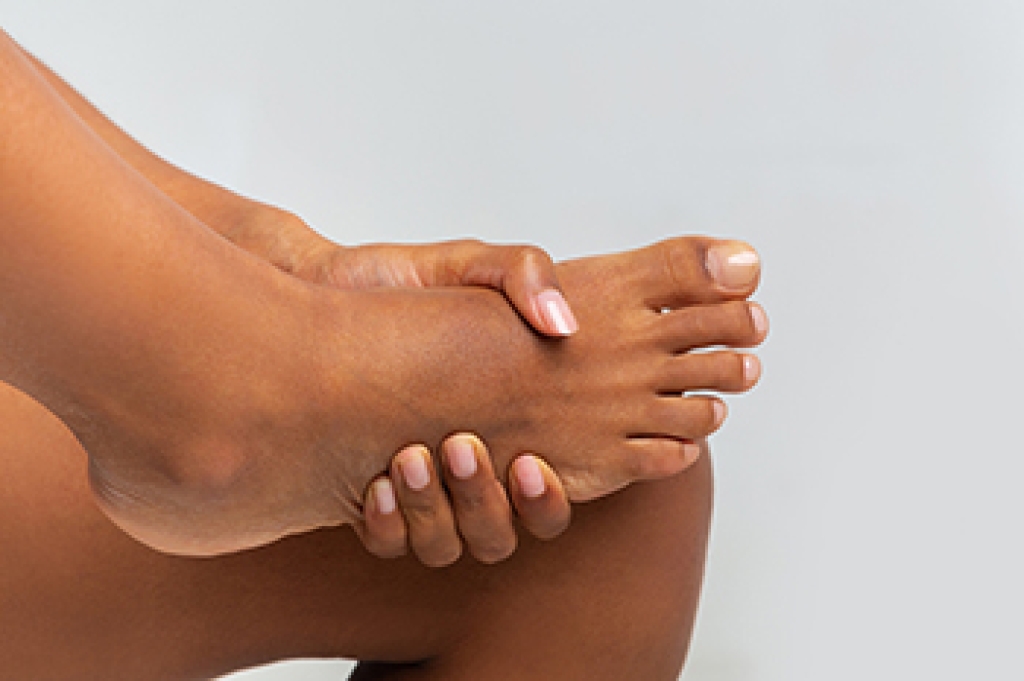
Foot pain can be extremely painful and debilitating. If you have a foot pain, consult with Anas Khoury, DPM from North Eastern Foot & Ankle Specialists. Our doctor will assess your condition and provide you with quality foot and ankle treatment.

Causes

Foot pain is a very broad condition that could be caused by one or more ailments. The most common include:

  • Bunions
  • Hammertoes
  • Plantar Fasciitis
  • Bone Spurs
  • Corns
  • Tarsal Tunnel Syndrome
  • Ingrown Toenails
  • Arthritis (such as Gout, Rheumatoid, and Osteoarthritis)
  • Flat Feet
  • Injury (from stress fractures, broken toe, foot, ankle, Achilles tendon ruptures, and sprains)
  • And more

Diagnosis

To figure out the cause of foot pain, podiatrists utilize several different methods. This can range from simple visual inspections and sensation tests to X-rays and MRI scans. Prior medical history, family medical history, and any recent physical traumatic events will all be taken into consideration for a proper diagnosis.

Treatment

Treatment depends upon the cause of the foot pain. Whether it is resting, staying off the foot, or having surgery; podiatrists have a number of treatment options available for foot pain.

If you have any questions, please feel free to contact our office located in Passaic, NJ . We offer the newest diagnostic and treatment technologies for all your foot care needs.
Read more about Foot Pain

Toenail Fungus Is Common

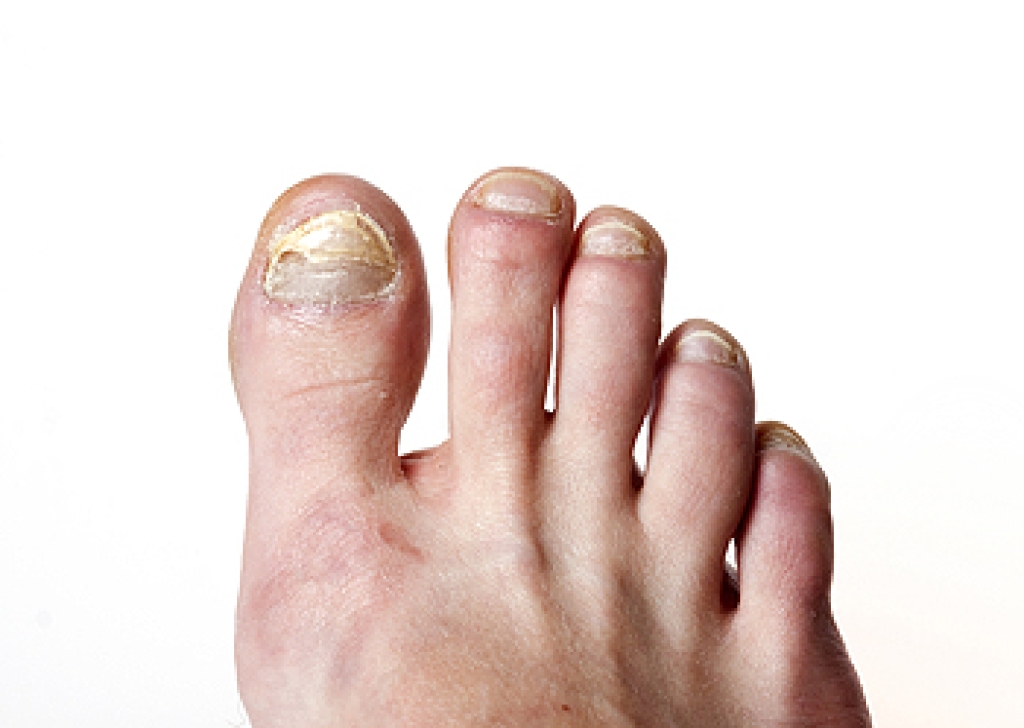
Toenail fungus is a common nail infection.  It is considered contagious, and most people will develop this foot condition at some point in their lives. It is noticeable by the yellow and thickened toenails, and in severe cases, the nail can become brittle and crumble. The fungus that causes this nail condition lives in warm and moist environments, including shower room floors, public swimming pools, and similar places. Effective prevention techniques can consist of refraining from sharing towels, shoes, and socks, in addition to wearing shoes that are made of breathable materials. People who have existing medical conditions, such as diabetes, psoriasis, or a weakened immune system may be prone to developing toenail fungus. If you see the beginning signs of this nail infection, it is strongly suggested that you consult with a podiatrist sooner rather than later who can discuss treatment options with you.

If left untreated, toenail fungus may spread to other toenails, skin, or even fingernails. If you suspect you have toenail fungus it is important to seek treatment right away. For more information about treatment, contact Anas Khoury, DPM of North Eastern Foot & Ankle Specialists. Our doctor can provide the care you need to keep you pain-free and on your feet.

Symptoms

  • Warped or oddly shaped nails
  • Yellowish nails
  • Loose/separated nail
  • Buildup of bits and pieces of nail fragments under the nail
  • Brittle, broken, thickened nail

Treatment

If self-care strategies and over-the-counter medications does not help your fungus, your podiatrist may give you a prescription drug instead. Even if you find relief from your toenail fungus symptoms, you may experience a repeat infection in the future.

Prevention

In order to prevent getting toenail fungus in the future, you should always make sure to wash your feet with soap and water. After washing, it is important to dry your feet thoroughly especially in between the toes. When trimming your toenails, be sure to trim straight across instead of in a rounded shape. It is crucial not to cover up discolored nails with nail polish because that will prevent your nail from being able to “breathe”.

In some cases, surgical procedure may be needed to remove the toenail fungus. Consult with your podiatrist about the best treatment options for your case of toenail fungus.  

If you have any questions please contact our office located in Passaic, NJ . We offer the newest diagnostic and treatment technologies for all your foot and ankle needs.

Read more about Treating Toenail Fungus

Athlete’s Foot in Seniors

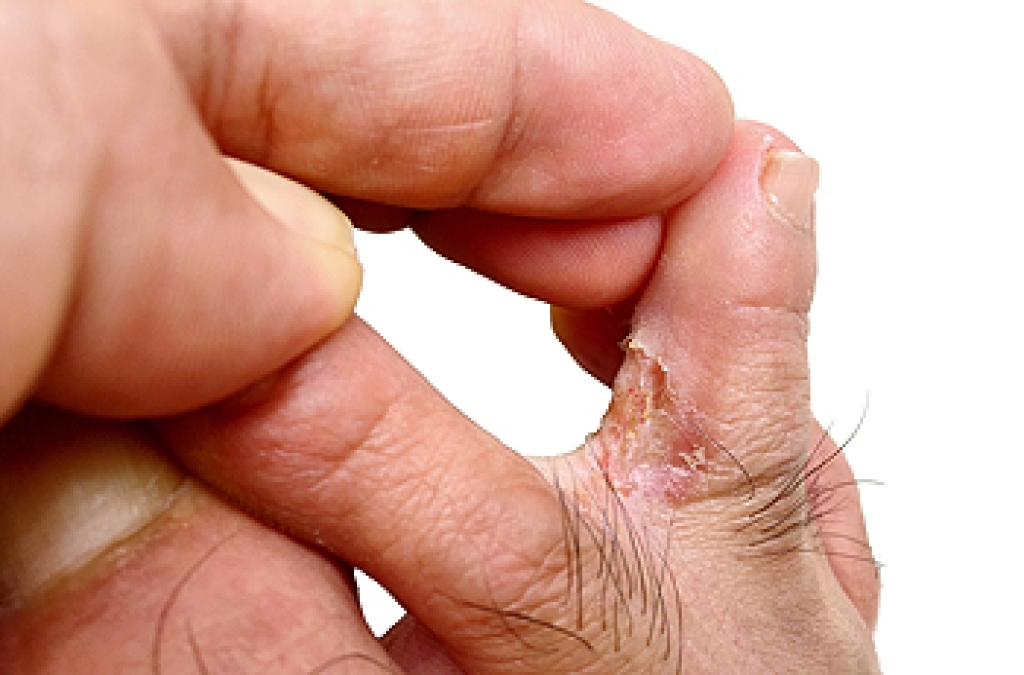
If you are a senior citizen, you might have noticed that as you age, you become increasingly susceptible to poor foot health. As a result, a senior citizen might be at risk for developing foot conditions, such as athlete’s foot. Athlete’s foot is a particular kind of fungal infection that can result in a rash between the toes of the feet. Itching and redness can ensue. A senior might be prone to athlete’s foot because the elderly have a diminished ability to keep their feet clean and dry. Consequently, the fungus causing athlete’s foot can take hold in a senior. To prevent athlete’s foot, a senior can consider taking certain steps, such as regularly cleaning and drying the feet, applying a good moisturizer, and disinfecting the socks. If you are a senior looking to prevent athlete's foot, it is suggested that you contact a podiatrist for an appointment today.

Proper foot care is something many older adults forget to consider. If you have any concerns about your feet and ankles, contact Anas Khoury, DPM from North Eastern Foot & Ankle Specialists. Our doctor can provide the care you need to keep you pain-free and on your feet.

The Elderly and Their Feet

As we age we start to notice many changes in our body, but the elder population may not notice them right away. Medical conditions may prevent the elderly to take notice of their foot health right away. Poor vision is a lead contributor to not taking action for the elderly.

Common Conditions 

  • Neuropathy – can reduce feeling in the feet and can hide many life-threatening medical conditions.
  • Reduced flexibility – prevents the ability of proper toenail trimming, and foot cleaning. If left untreated, it may lead to further medical issues.
  • Foot sores – amongst the older population can be serious before they are discovered. Some of the problematic conditions they may face are:
  • Gouging toenails affecting nearby toe
  • Shoes that don’t fit properly
  • Pressure sores
  • Loss of circulation in legs & feet
  • Edema & swelling of feet and ankles

Susceptible Infections

Diabetes and poor circulation can cause general loss of sensitivity over the years, turning a simple cut into a serious issue.

If you have any questions, please feel free to contact our office located in Passaic, NJ . We offer the newest diagnostic and treatment technologies for all your foot care needs.
Read more about Elderly Foot Care

Why Do Blisters Develop?

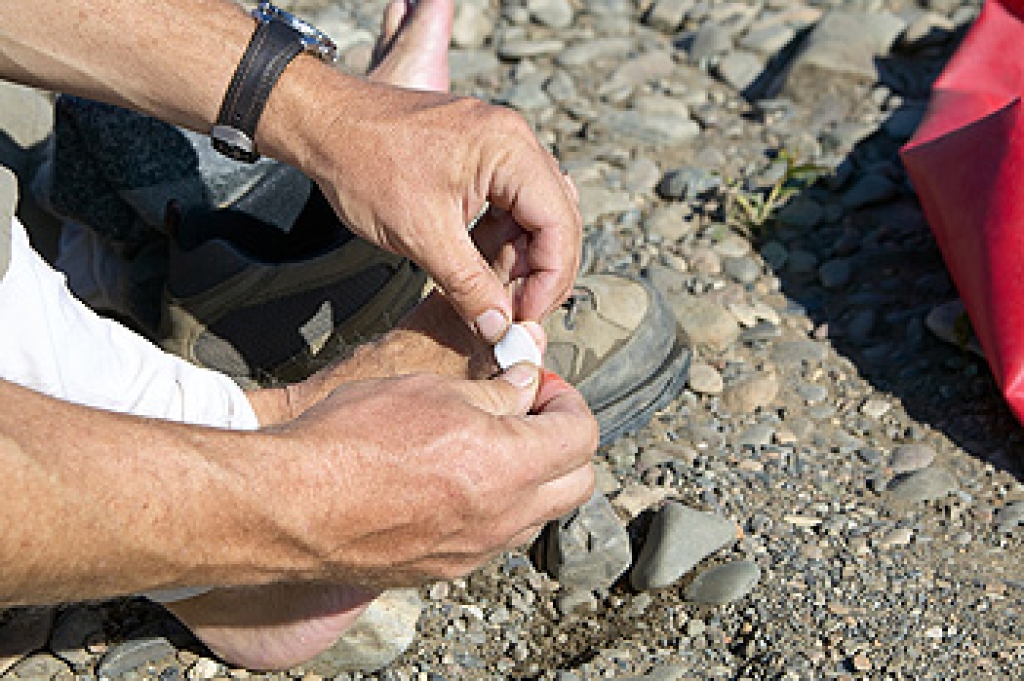
Many people enjoy walking and may be concerned about blisters developing on their feet. Blisters produce pain and discomfort and may also cause the gait, or walking style, to change. Blisters are often caused by excess friction due to the shoes and socks that are worn. A common place they develop is on the back of the heel as the foot rubs against the shoe. With enough friction, a bubble forms that is filled with a protective liquid to protect the damaged skin. The bubble will gradually drain as new skin forms under it, and a bandage may be worn to help prevent it from popping prematurely. There may be existing medical conditions, like psoriasis and eczema, that can cause a blister to form. Frostbite, extreme sunburn, or an allergic reaction to an insect bite may also result in a blister. If you would like to learn about effective blister prevention methods, it is suggested that you confer with a podiatrist who can provide you with the information you are seeking.

Blisters are prone to making everyday activities extremely uncomfortable. If your feet are hurting, contact Anas Khoury, DPM of North Eastern Foot & Ankle Specialists. Our doctor can provide the care you need to keep you pain-free and on your feet.

Foot Blisters

Foot blisters develop as a result of constantly wearing tight or ill-fitting footwear. This happens due to the constant rubbing from the shoe, which can often lead to pain.

What Are Foot Blisters?

A foot blister is a small fluid-filled pocket that forms on the upper-most layer of the skin. Blisters are filled with clear fluid and can lead to blood drainage or pus if the area becomes infected.

How Do Blisters Form?

Blisters on the feet are often the result of constant friction of skin and material, usually by shoe rubbing. Walking in sandals, boots, or shoes that don’t fit properly for long periods of time can result in a blister. Having consistent foot moisture and humidity can easily lead to blister formation.

Prevention & Treatment

It is important to properly care for the affected area in order to prevent infection and ease the pain. Do not lance the blister and use a Band-Aid to provide pain relief. Also, be sure to keep your feet dry and wear proper fitting shoes. If you see blood or pus in a blister, seek assistance from a podiatrist.

If you have any questions, please feel free to contact our office located in Passaic, NJ . We offer the newest diagnostic and treatment technologies for all your foot care needs.
Read more about Blisters on the Feet

Why Live with Pain and Numbness in Your Feet?

Suffering from this type of pain? You may have the foot condition known as Morton's neuroma. Morton's neuroma may develop as a result of ill-fitting footwear and existing foot deformities. We can help.

Connect With Us