Hablamos Español

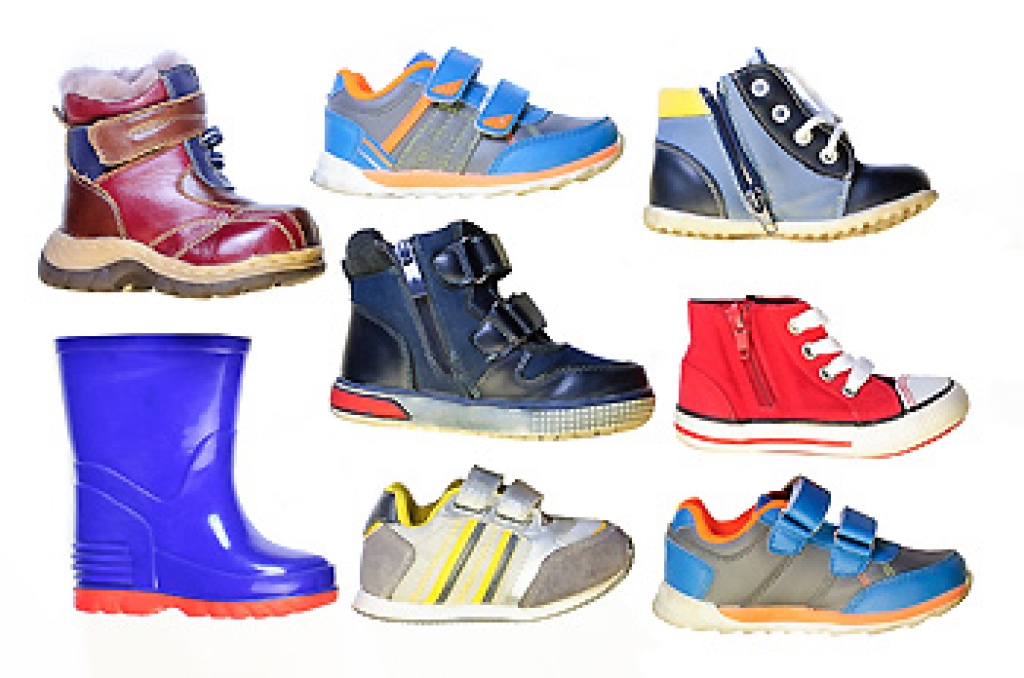
The Importance of Correctly Fitting Your Child’s Shoes

Finding the right shoes for your child can be a real challenge, especially with their feet constantly growing and changing. To ensure a proper fit, start by checking for wiggle room at the front of the shoe. Aim for about half an inch between the tip of your child’s longest toe and the end of the shoe to allow for comfortable toe movement. Next, focus on the width by examining the widest part of the foot, making sure there’s no bulging or squeezing of the pinky toe, which indicates the shoe is too narrow. Finally, assess the heel fit by sliding your finger between the back of the shoe around your child’s heel. If you can fit more than one or two fingers, the shoe may be too wide. Properly fitting shoes are important for your child’s comfort and foot health. For more information about how to find the right shoes for your child, it is suggested you make an appointment with a podiatrist.

The health of a child’s feet is vital to their overall well-being. If you have any questions regarding foot health, contact Anas Khoury, DPM of North Eastern Foot & Ankle Specialists. Our doctor can provide the care you need to keep you pain-free and on your feet.

Tips for Keeping Children's Feet Healthy

  • Make sure their shoes fit properly
  • Look for any signs of in-toeing or out-toeing
  • Check to see if they have Clubfoot (condition that affects your child’s foot and ankle, twisting the heel and toes inward) which is one of the most common nonmajor birth defects.
  • Lightly cover your baby’s feet (Tight covers may keep your baby from moving their feet freely, and could prevent normal development)
  • Allow your toddler to go shoeless (Shoes can be restricting for a young child’s foot)
  • Cut toenails straight across to avoid ingrown toenails
  • Keep your child’s foot clean and dry
  • Cover cuts and scrapes. Wash any scratches with soap and water and cover them with a bandage until they’ve healed.

If you have any questions, please feel free to contact our office located in Passaic, NJ . We offer the newest diagnostic and treatment technologies for all your foot care needs.
Read more about How to Care for Your Child's Feet

Enhancing Function with Foot Orthotics During Injury Recovery

Foot orthotics serve a vital role in enhancing function during both acute and long-term injuries. Whether recovering from a sprain, fracture, or chronic condition, orthotics provide support and stability to promote healing and reduce strain on injured tissues. By redistributing pressure and correcting biomechanical imbalances, orthotics help maintain proper foot alignment and prevent excessive stress on vulnerable areas. This not only alleviates pain but also supports natural healing processes, allowing individuals to gradually regain mobility and function. Customized orthotics are particularly effective as they are tailored to the unique anatomy and specific needs of the injured foot or ankle. Whether used temporarily during recovery or long-term to manage chronic conditions, orthotics play a critical role in optimizing movement, enhancing comfort, and facilitating a faster return to daily activities with reduced risk of re-injury. If you have endured a foot injury, it is suggested that you consult a podiatrist who can determine if custom-made orthotics are right for you.

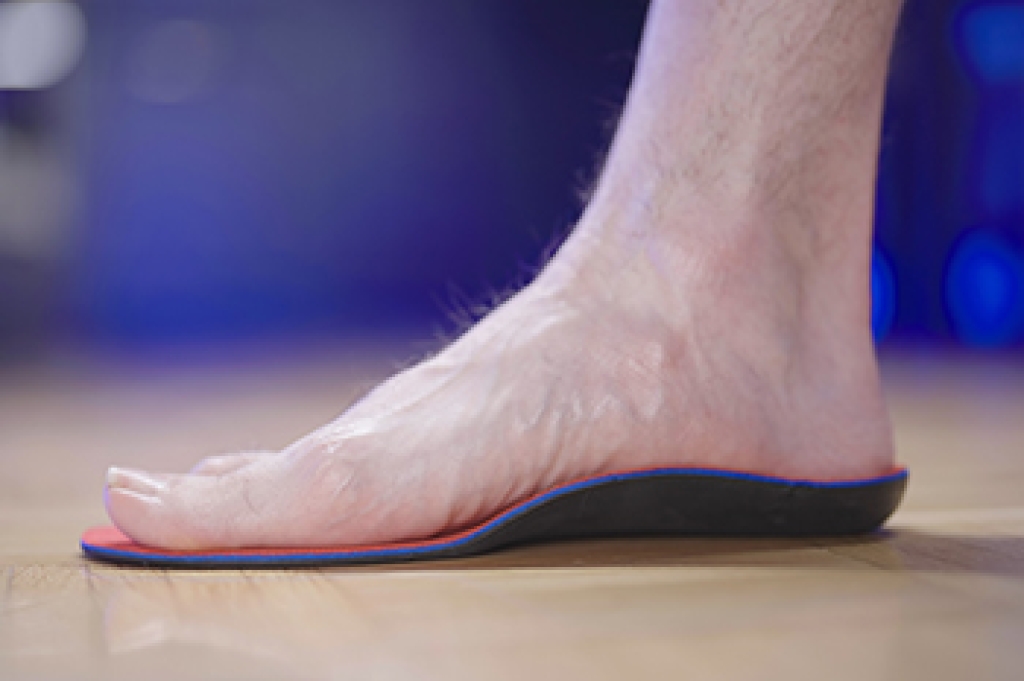
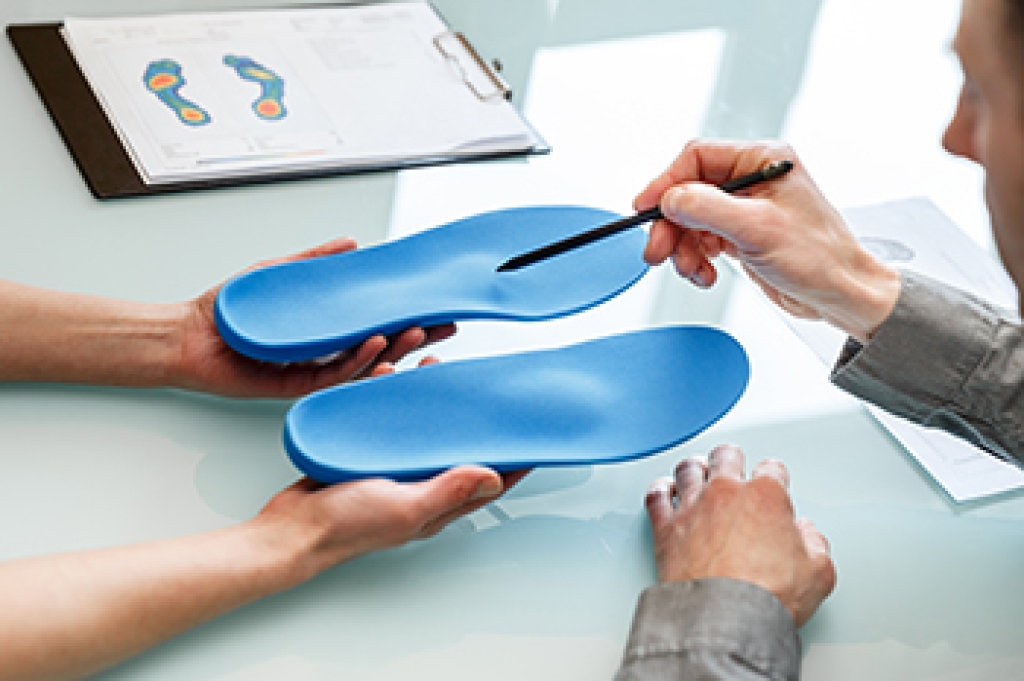
Custom orthotics are specialized shoe inserts created to support and align the feet according to each person’s unique structure and walking pattern. They are an effective way to relieve foot discomfort caused by conditions such as flat feet, high arches, plantar fasciitis, bunions, and heel pain. When the natural alignment of the foot is off balance, it can lead to pressure points, strain, and pain that affect how a person stands, walks, and moves. Orthotics work by redistributing weight evenly and supporting the arch to reduce stress on the muscles, tendons, and joints of the feet and lower legs.

Foot discomfort can develop for many reasons, including wearing improper footwear, long hours of standing, repetitive motion, or underlying structural problems. Over time, this discomfort can extend beyond the feet, contributing to knee, hip, or lower back pain. Custom orthotics help correct these issues by improving alignment and promoting more efficient movement. They are made using precise measurements and imaging to ensure the best fit for each patient, providing targeted support and cushioning where it is needed most.

Unlike generic insoles, custom orthotics are durable, medically designed, and tailored to your specific needs. Whether you are managing chronic pain, recovering from an injury, or simply seeking better comfort and stability, orthotics can make a noticeable difference in how your feet feel throughout the day.

If you are experiencing persistent foot discomfort or fatigue, it may be time to have your feet evaluated by a podiatrist. Call our office today for more information or to schedule an appointment.

If you have any questions, please feel free to contact our office located in Passaic, NJ

Read more about Investing in Custom Orthotics Means Investing in Foot Health

Foot Stretches for Runners

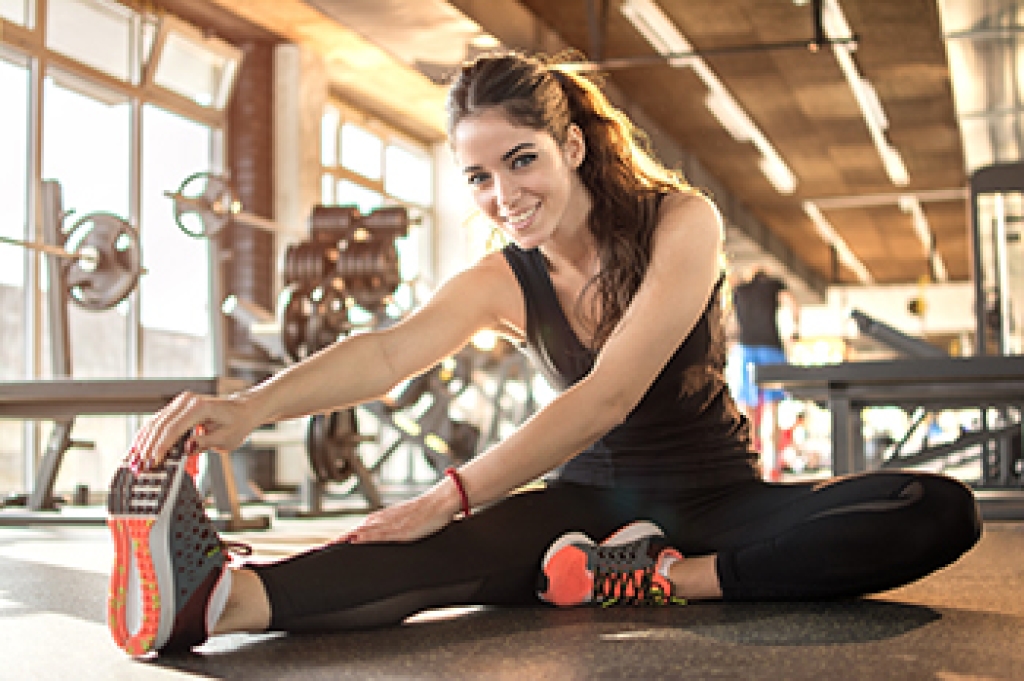
Foot stretches are vital for runners to prevent injuries and enhance performance. One essential stretch is the calf stretch, which targets the Achilles tendon and calf muscles, improving flexibility and reducing the risk of tendinitis. To perform this, stand facing a wall with one leg extended behind, pressing the heel into the ground while bending the front knee. The plantar fascia stretch is another good exercise. Sit down and cross one leg over the other, pulling the toes back towards the shin to stretch the arch of the foot. This helps prevent plantar fasciitis by loosening the plantar fascia. Toe curls and extensions also strengthen the intrinsic foot muscles. Place a towel on the floor and use your toes to scrunch it up, then spread the toes out wide. Ankle circles enhance joint mobility. Sit or stand and rotate each ankle in both directions, improving blood flow and flexibility. These stretches, performed regularly, help maintain foot health, reduce injury risk, and improve overall running efficiency. If you are a runner and endure persistent foot pain or are prone to injury, it is suggested that you schedule an appointment with a podiatrist for advice.

Stretching the feet is a great way to prevent injuries. If you have any concerns with your feet consult with Anas Khoury, DPM from North Eastern Foot & Ankle Specialists. Our doctor will assess your condition and provide you with quality foot and ankle treatment.

Stretching the Feet

Stretching the muscles in the foot is an important part in any physical activity. Feet that are tight can lead to less flexibility and make you more prone to injury. One of the most common forms of foot pain, plantar fasciitis, can be stretched out to help ease the pain. Stretching can not only ease pain from plantar fasciitis but also prevent it as well. However, it is important to see a podiatrist first if stretching is right for you. Podiatrists can also recommend other ways to stretch your feet. Once you know whether stretching is right for you, here are some excellent stretches you can do.

  • Using a foam roller or any cylindrical object (a water bottle or soda can will do), roll the object under your foot back and forth. You should also exert pressure on the object. Be sure to do this to both feet for a minute. Do this exercise three times each.
  • Similar to the previous one, take a ball, such as a tennis ball, and roll it under your foot while seated and exert pressure on it.
  • Grab a resistance band or towel and take a seat. If you are using a towel, fold it length wise. Next put either one between the ball of your foot and heel and pull with both hands on each side towards you. Hold this for 15 seconds and then switch feet. Do this three times for each foot.
  • Finally hold your big toe while crossing one leg over the other. Pull the toe towards you and hold for 15 seconds. Once again do this three times per foot.

It is best to go easy when first stretching your foot and work your way up. If your foot starts hurting, stop exercising and ice and rest the foot. It is advised to then see a podiatrist for help.

If you have any questions please contact our office located in Passaic, NJ . We offer the newest diagnostic and treatment technologies for all your foot and ankle needs.

Read more about How to Stretch Your Feet

Stretches and Exercises to Relieve Foot Arthritis

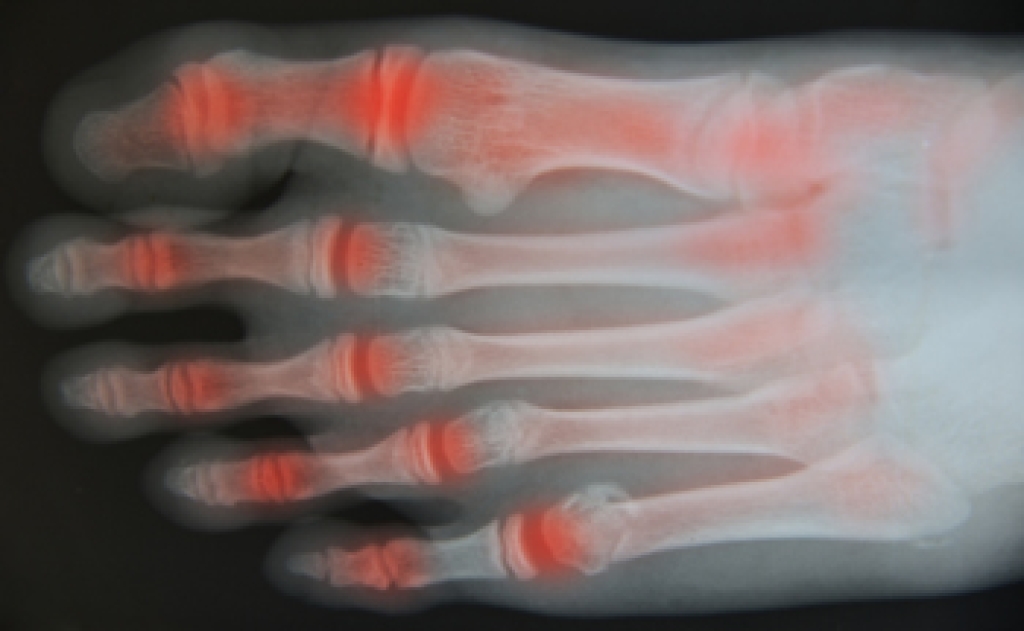
Foot arthritis can be debilitating, but incorporating stretches and exercises into your daily routine can help alleviate pain and improve mobility. Toe curls are where you scrunch a towel with your toes to strengthen the muscles in your feet and promote flexibility. Ankle circles help maintain joint mobility and reduce stiffness. Calf stretches, such as leaning against a wall with one leg extended behind you, help stretch the muscles and tendons in your lower leg, easing strain on arthritic joints. Toe stretches, gently pulling each toe back for a few seconds, can increase flexibility and reduce discomfort. Finally, seated heel raises, lifting your heels off the ground while seated, strengthen the muscles in your calves and feet, providing support to arthritic joints. If you have arthritis in your feet, it is suggested that you are under the care of a podiatrist who can help you to manage this condition.

Arthritis can be a difficult condition to live with. If you are seeking treatment, contact Anas Khoury, DPM from North Eastern Foot & Ankle Specialists. Our doctor can provide the care you need to keep you pain-free and on your feet.

Arthritic Foot Care  

Arthritis is a joint disorder that involves the inflammation of different joints in your body, such as those in your feet. Arthritis is often caused by a degenerative joint disease and causes mild to severe pain in all affected areas. In addition to this, swelling and stiffness in the affected joints can also be a common symptom of arthritis.

In many cases, wearing ill-fitting shoes can worsen the effects and pain of arthritis. Wearing shoes that have a lower heel and extra room can help your feet feel more comfortable. In cases of rheumatoid arthritis, the arch in your foot may become problematic. Buying shoes with proper arch support that contour to your feet can help immensely.

Alleviating Arthritic Pain

  • Exercises that stretch the foot can prevent further pain and injury and increase mobility
  • Most of the pain can be alleviated with anti-inflammatory drugs, heat, and topical medications
  • Massages can help temporarily alleviate pain.

It is best to see your doctor for the treatment that is right for your needs and symptoms. Conditions vary, and a podiatrist can help you determine the right method of care for your feet.

If you have any questions please feel free to contact our office located in Passaic, NJ . We offer the newest diagnostic tools and technology to treat your foot and ankle needs.

Read more about Arthritic Foot Care

Plantar Warts Can Be Treated!

Plantar warts are small growths that develop on parts of the feet that bear weight. They're typically found on the bottom of the foot. Don't live with plantar warts, and call us today!

The Wrong Shoe Size Can Cause Foot Problems

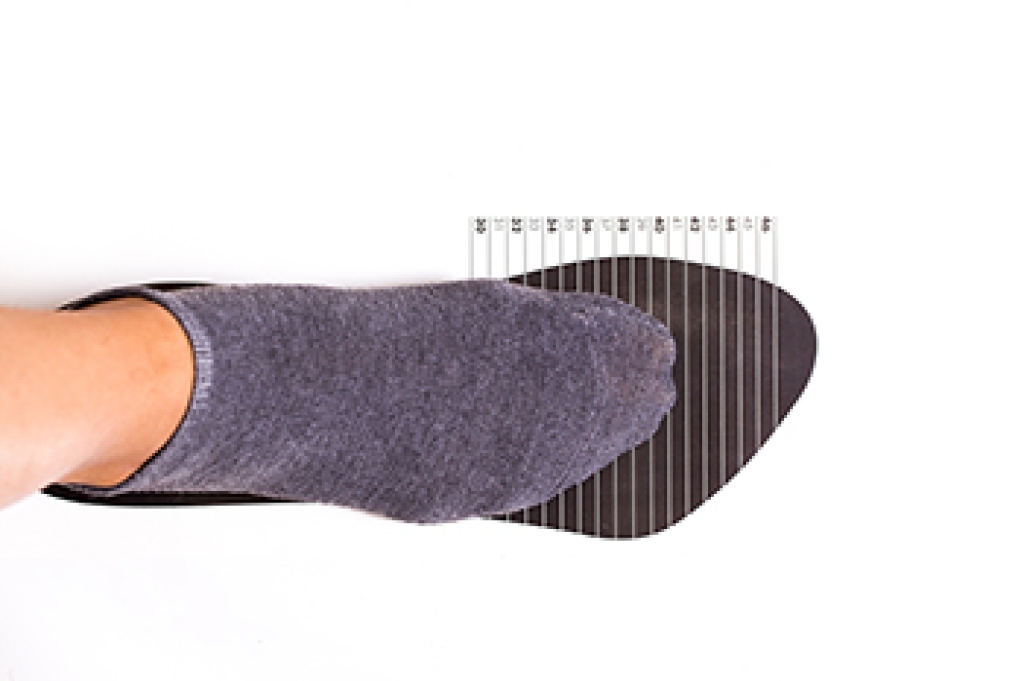
Wearing shoes that are too big or too small can lead to various foot problems. Tight shoes can cause blisters, bunions, and calluses due to constant friction and pressure. On the other hand, shoes that are too loose can result in foot instability, increasing the risk of sprains and strains. To find the right shoe size, measure your feet at the end of the day when they are most swollen. Ensure there is enough room in the toe box for your toes to move freely, and the shoe should fit snugly around the heel without slipping. Trying on shoes with the type of socks you plan to wear with them can also help achieve a proper fit. If you have developed foot conditions from wearing the wrong size shoes, it is suggested that you speak to a podiatrist who can treat various foot ailments and provide education for proper foot measurement. 

It is important to find shoes that fit you properly in order to avoid a variety of different foot problems. For more information about treatment, contact Anas Khoury, DPM from North Eastern Foot & Ankle Specialists. Our doctor will treat your foot and ankle needs.

Proper Shoe Fitting

Shoes have many different functions. They cushion our body weight, protect our feet, and allow us to safely play sports. You should always make sure that the shoes you wear fit you properly in order to avoid injuries and deformities such as: bunions, corns, calluses, hammertoes, plantar fasciitis, stress fractures, and more. It is important to note that although a certain pair of shoes might be a great fit for someone else, that doesn’t mean they will be a great fit for you. This is why you should always try on shoes before buying them to make sure they are worth the investment. Typically, shoes need to be replaced ever six months to one year of regular use.

Tips for Proper Shoe Fitting

  • Select a shoe that is shaped like your foot
  • Don’t buy shoes that fit too tight, expecting them to stretch to fit
  • Make sure there is enough space (3/8” to ½”) for your longest toe at the end of each shoe when you are standing up
  • Walk in the shoes to make sure they fit and feel right
  • Don’t select shoes by the size marked inside the shoe, but by how the shoe fits your foot

The shoes you buy should always feel as good as they look. Shoes that fit properly will last longer, feel better, and improve your way of life each day.

If you have any questions please contact our office located in Passaic, NJ . We offer the newest diagnostic and treatment technologies for all your foot and ankle needs.

Read more about Proper Shoe Fitting

Custom Orthotics Can Be Used In Stylish Footwear

Who said style can't be comfortable? With Custom Orthotics, you get the best of both worlds. Slip them into your favorite fashionable shoes and feel the difference. They mold to your feet, offering support without compromising on style. No more choosing between looking good and feeling great. With Custom Orthotics, step out in style and comfort every day. Contact our office to learn more!

Facts About Plantar Fasciitis and Its Symptoms

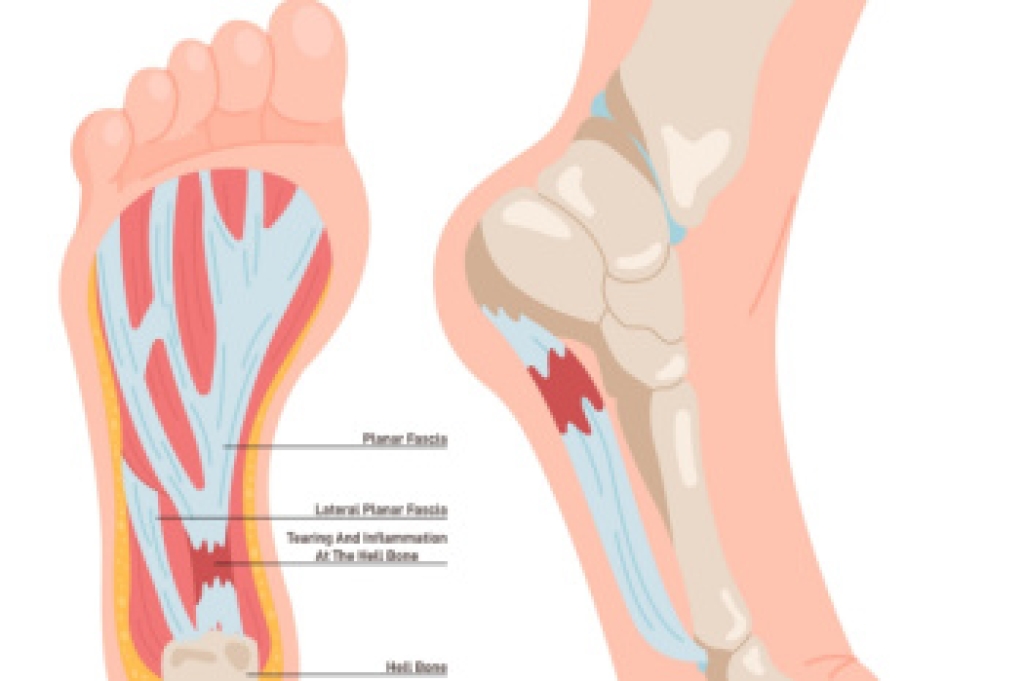
Plantar fasciitis is a common cause of heel pain, resulting from inflammation of the plantar fascia, which is the thick band of tissue that runs along the bottom of the foot and connects the heel bone to the toes. The condition typically causes a sharp, stabbing pain in the heel, particularly noticeable with the first steps in the morning or after periods of inactivity. Risk factors include prolonged standing, high-impact activities, obesity, and wearing unsupportive shoes. The pain usually lessens with movement but can return after long periods of standing or sitting. Treatment often involves stretching exercises, wearing proper footwear, and rest to reduce inflammation. In severe cases, orthotics or injections may be necessary. Plantar fasciitis can cause severe pain and can hinder completing daily activities. If you have heel pain, it is strongly suggested that you are under the care of a podiatrist who can accurately diagnose and treat plantar fasciitis.

Plantar fasciitis can be very painful and inconvenient. If you are experiencing heel pain or symptoms of plantar fasciitis, contact Anas Khoury, DPM  from North Eastern Foot & Ankle Specialists. Our doctor can provide the care you need to keep you pain-free and on your feet.

What Is Plantar Fasciitis?

Plantar fasciitis is the inflammation of the thick band of tissue that runs along the bottom of your foot, known as the plantar fascia, and causes mild to severe heel pain.

What Causes Plantar Fasciitis?

  • Excessive running
  • Non-supportive shoes
  • Overpronation
  • Repeated stretching and tearing of the plantar fascia

How Can It Be Treated?

  • Conservative measures – anti-inflammatories, ice packs, stretching exercises, physical therapy, orthotic devices
  • Shockwave therapy – sound waves are sent to the affected area to facilitate healing and are usually used for chronic cases of plantar fasciitis
  • Surgery – usually only used as a last resort when all else fails. The plantar fascia can be surgically detached from the heel

While very treatable, plantar fasciitis is definitely not something that should be ignored. Especially in severe cases, speaking to your doctor right away is highly recommended to avoid complications and severe heel pain. Your podiatrist can work with you to provide the appropriate treatment options tailored to your condition.

If you have any questions, please feel free to contact our office located in Passaic, NJ . We offer the newest diagnostic and treatment technologies for all your foot care needs.

Read more about Plantar Fasciitis

Foot Conditions That Warrant Wearing Orthotics

Orthotics are shoe inserts that can be beneficial for various foot conditions affecting mobility and comfort. One common condition is plantar fasciitis, where orthotics provide essential arch support to alleviate heel pain. Flat feet, or fallen arches, often require orthotics to improve alignment and reduce strain on the feet and legs. People with arthritis can benefit from orthotics, as they help cushion the joints and distribute weight evenly, reducing pain and inflammation. Bunions, which cause pain at the base of the big toe, can be managed with orthotics that ease pressure and improve foot function. Additionally, orthotics are often prescribed for those with diabetes, offering protection and preventing complications like ulcers. Athletes frequently use orthotics to enhance performance, prevent injuries, and support recovery. If you are interested in learning about how orthotics can benefit your specific foot condition, it is suggested that you consult a podiatrist.

Custom orthotics are specialized shoe inserts created to support and align the feet according to each person’s unique structure and walking pattern. They are an effective way to relieve foot discomfort caused by conditions such as flat feet, high arches, plantar fasciitis, bunions, and heel pain. When the natural alignment of the foot is off balance, it can lead to pressure points, strain, and pain that affect how a person stands, walks, and moves. Orthotics work by redistributing weight evenly and supporting the arch to reduce stress on the muscles, tendons, and joints of the feet and lower legs.

Foot discomfort can develop for many reasons, including wearing improper footwear, long hours of standing, repetitive motion, or underlying structural problems. Over time, this discomfort can extend beyond the feet, contributing to knee, hip, or lower back pain. Custom orthotics help correct these issues by improving alignment and promoting more efficient movement. They are made using precise measurements and imaging to ensure the best fit for each patient, providing targeted support and cushioning where it is needed most.

Unlike generic insoles, custom orthotics are durable, medically designed, and tailored to your specific needs. Whether you are managing chronic pain, recovering from an injury, or simply seeking better comfort and stability, orthotics can make a noticeable difference in how your feet feel throughout the day.

If you are experiencing persistent foot discomfort or fatigue, it may be time to have your feet evaluated by a podiatrist. Call our office today for more information or to schedule an appointment.

If you have any questions, please feel free to contact our office located in Passaic, NJ

Read more about Investing in Custom Orthotics Means Investing in Foot Health

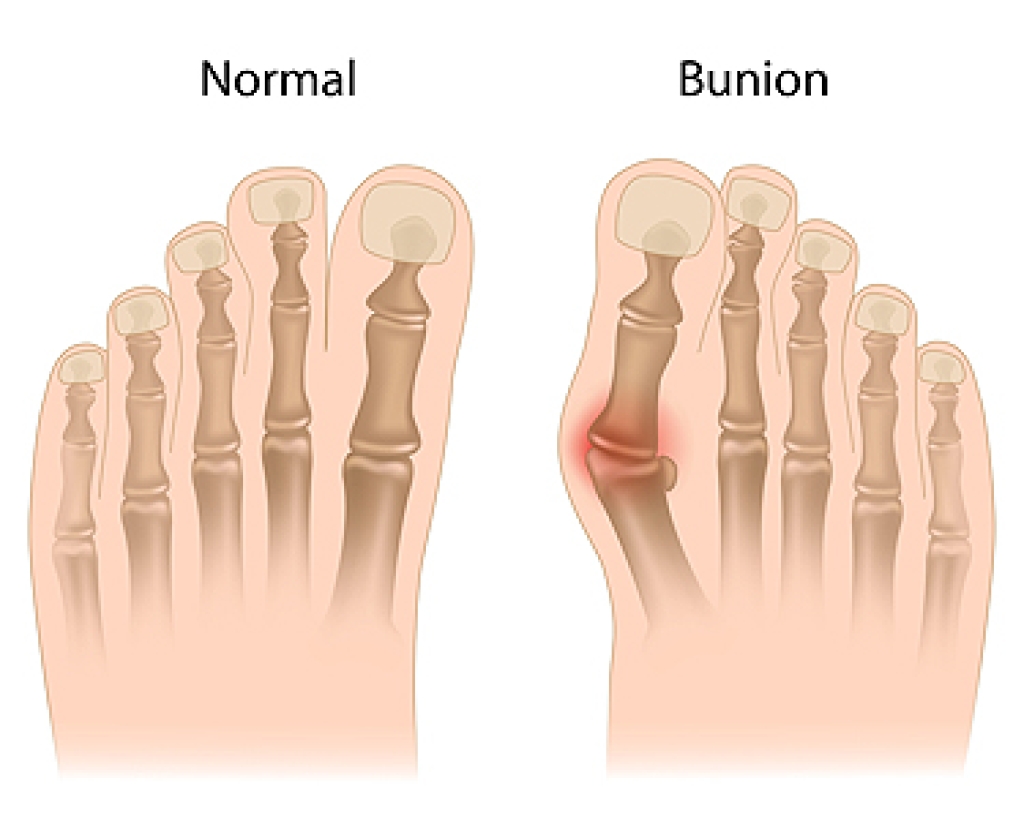
Understanding the Causes of Bunion Pain

Bunion pain arises when a bony bump forms on the joint at the base of the big toe. This condition, known as a bunion, occurs due to prolonged pressure on the foot, often from wearing tight or ill-fitting shoes. The pressure causes the big toe to lean towards the second toe, resulting in the joint jutting out and becoming inflamed. This inflammation leads to pain, swelling, and redness. Genetics also plays a role, as bunions can run in families. Additionally, certain foot shapes and conditions, such as flat feet or arthritis, increase the likelihood of developing bunions. The pain can be worsened by activities that put extra stress on the feet, such as standing for long periods or engaging in high-impact sports. Proper footwear, orthotics, and, in severe cases, surgery can help alleviate bunion pain. If you have a bunion that is causing you pain and discomfort, it is suggested that you confer with a podiatrist who can determine the best course of treatment for you.

If you are suffering from bunions, contact Anas Khoury, DPM of North Eastern Foot & Ankle Specialists. Our doctor can provide the care you need to keep you pain-free and on your feet.

What Is a Bunion?

A bunion is formed of swollen tissue or an enlargement of boney growth, usually located at the base joint of the toe that connects to the foot. The swelling occurs due to the bones in the big toe shifting inward, which impacts the other toes of the foot. This causes the area around the base of the big toe to become inflamed and painful.

Why Do Bunions Form?

Genetics – Susceptibility to bunions are often hereditary

Stress on the feet – Poorly fitted and uncomfortable footwear that places stress on feet, such as heels, can worsen existing bunions

How Are Bunions Diagnosed?

Podiatrists often perform two tests – blood tests and x-rays – when trying to diagnose bunions, especially in the early stages of development. Blood tests help determine if the foot pain is being caused by something else, such as arthritis, while x-rays provide a clear picture of your bone structure to your provider.

How Are Bunions Treated?

  • Refrain from wearing heels or similar shoes that cause discomfort
  • Select wider shoes that can provide more comfort and reduce pain
  • Anti-inflammatory and pain management drugs
  • Orthotics or foot inserts
  • Surgery

If you have any questions, please feel free to contact our office located in Passaic, NJ . We offer the newest diagnostic and treatment technologies for all your foot care needs.

Read more about Bunions

Connect With Us