Do you work on your feet all day and find your feet in pain? Don't go to work in pain each day. Your foot pain can be treated, and we can help.
Do you work on your feet all day and find your feet in pain? Don't go to work in pain each day. Your foot pain can be treated, and we can help.

Rain or shine, snow or sleet, Custom Orthotics have your feet covered! As the seasons change, ensure your steps remain comfortable and supported. Custom Orthotics adapt to your footwear, from summer sandals to winter boots, providing consistent relief and alignment. Don't let the changing weather dictate your foot comfort. Step confidently year-round and experience the difference with Custom Orthotics. Call today for more information.
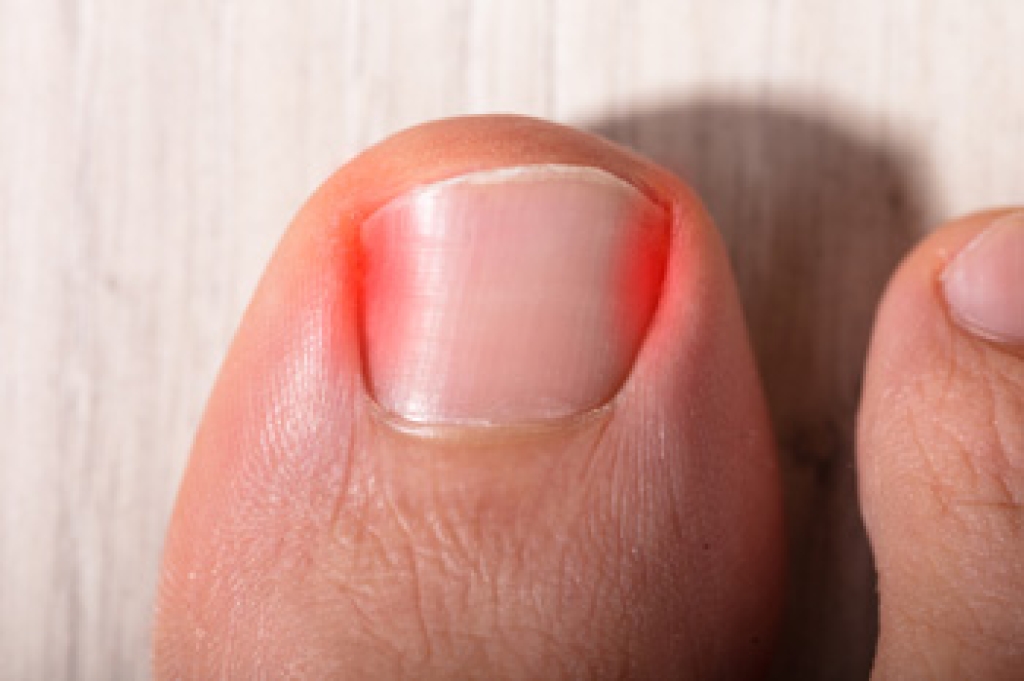
An ingrown toenail occurs when the edge of the nail grows into the surrounding skin, causing pain, swelling, and sometimes infection. It most commonly affects the big toe and can result from improper nail trimming, wearing tight footwear, genetics, or injury. Symptoms include redness, tenderness, and drainage. Risk factors include curved nails, poor foot hygiene, and repetitive pressure on the toes. If left untreated, the condition can worsen and lead to serious complications. A podiatrist can safely remove the ingrown portion of the nail, relieve pain, and provide guidance to prevent recurrence. If you notice signs of an ingrown toenail, it is suggested that you promptly schedule a visit with a podiatrist who can effectively treat this condition, which may include minor surgery.
Ingrown toenails can become painful if they are not treated properly. For more information about ingrown toenails, contact Anas Khoury, DPM of North Eastern Foot & Ankle Specialists. Our doctor can provide the care you need to keep you pain-free and on your feet.
Ingrown Toenails
Ingrown toenails occur when a toenail grows sideways into the bed of the nail, causing pain, swelling, and possibly infection.
Causes
Prevention
Wearing proper fitting shoes and using proper cutting techniques will also help decrease your risk of developing ingrown toenails.
Treatment
Ingrown toenails are a very treatable foot condition. In minor cases, soaking the affected area in salt or antibacterial soaps will not only help with the ingrown nail itself, but also help prevent any infections from occurring. In more severe cases, surgery is an option. In either case, speaking to your podiatrist about this condition will help you get a better understanding of specific treatment options that are right for you.
If you have any questions, please feel free to contact our office located in Passaic, NJ . We offer the newest diagnostic and treatment technologies for all your foot care needs.
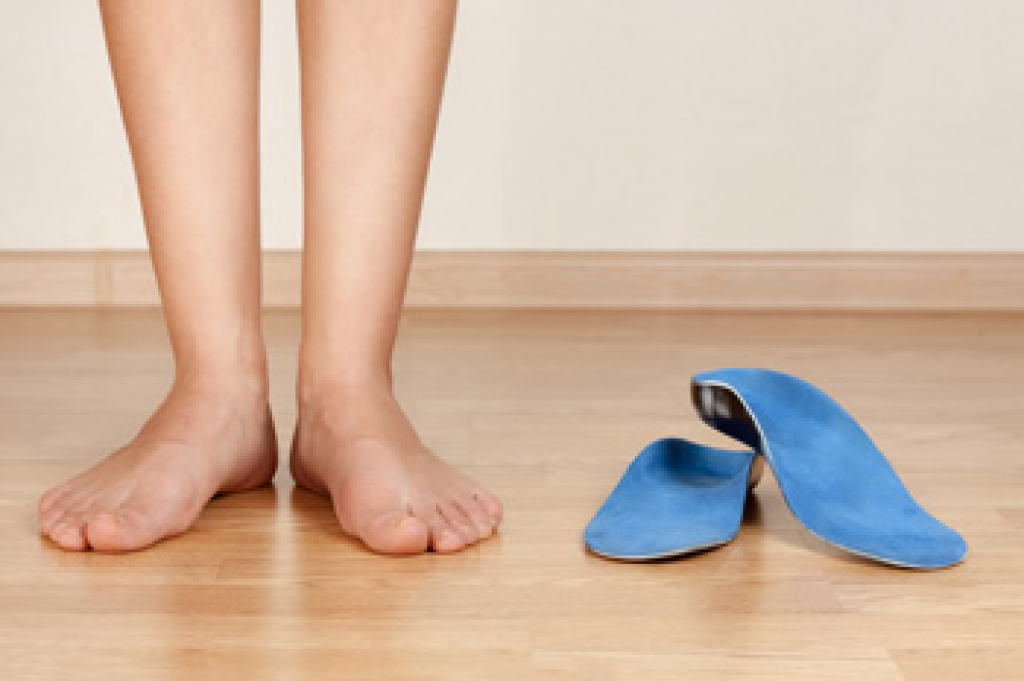
Custom orthotics can provide meaningful relief for individuals experiencing foot pain from a wide range of conditions. In rheumatoid arthritis, where joint damage and inflammation affect foot alignment, orthotics help reduce pressure and improve function. For bunions, they may relieve stress on the big toe joint and help slow progression. People with high arches often experience pain due to poor shock absorption, and custom orthotics can provide needed cushioning and support. Children with juvenile idiopathic arthritis may benefit from orthotics that promote comfort and mobility while reducing joint strain. Even in more common issues like plantar fasciitis, orthotics help by supporting the arch and easing tension on the heel. The key advantage of custom orthotics lies in their personalized design, tailored to each foot’s structure and the specific condition. If you are dealing with persistent foot pain, it is suggested that you see a podiatrist for a detailed evaluation and care plan.
Custom orthotics are often an effective solution for people experiencing heel pain, offering both comfort and correction for the underlying causes of discomfort. Heel pain commonly develops when the natural support of the foot becomes strained or imbalanced, leading to inflammation and irritation in the heel area. Conditions such as plantar fasciitis, heel spurs, or flat feet can all contribute to chronic heel pain that worsens with walking or standing. Custom orthotics are designed to fit the exact shape of your foot, providing the support and alignment necessary to reduce stress on the heel and surrounding tissues.
By redistributing pressure and improving overall foot mechanics, custom orthotics allow the heel to function more efficiently during movement. They cushion each step, absorb shock, and correct abnormal gait patterns that may be contributing to pain. Over time, this consistent support can ease inflammation, protect against re-injury, and enhance comfort during both daily and athletic activities.
Unlike prefabricated insoles, custom orthotics are created from a detailed evaluation that may include digital scans or molds of your feet. This ensures a precise and individualized fit that addresses your specific condition. They can be used in various types of footwear, from athletic shoes to dress styles, making them a versatile option for ongoing relief.
If heel pain is limiting your comfort or activity level, it is suggested that you call our office for more information or to schedule an appointment.
If you have any questions please contact our office located in Passaic, NJ .
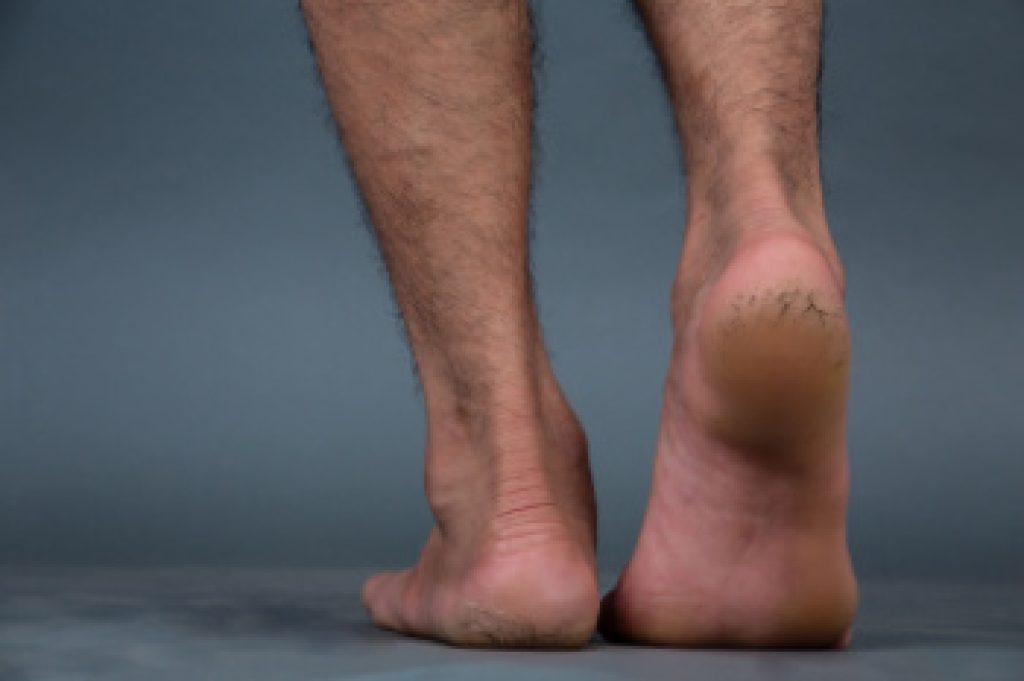
Dry, cracked heels may seem like a small issue, but they can make walking uncomfortable and even painful. As the skin on the heel thickens and splits, pressure from standing or walking can deepen the cracks. In some cases, the skin may bleed or become infected. This is especially concerning for older adults or people with circulation problems. Cracked heels are often caused by dryness, long periods of standing, wearing unsupportive footwear, or being barefoot on hard surfaces. Once the skin breaks down, each step can cause discomfort, making it harder to stay active. Moisturizing the feet regularly, using gentle exfoliation, and wearing cushioned shoes can help. If deep cracks on your heels are making it hard to walk or are showing signs of infection, it is suggested that you visit a podiatrist for appropriate care and relief.
Cracked heels are unsightly and can cause further damage to your shoes and feet. If you have any concerns, contact Anas Khoury, DPM from North Eastern Foot & Ankle Specialists. Our doctor can provide the care you need to keep you pain-free and on your feet.
Cracked Heels
Cracked heels appear unappealing and can make it harder for you walk around in sandals. Aside from looking unpleasant, cracked heels can also tear stockings, socks, and wear out your shoes. There are several methods to help restore a cracked heel and prevent further damage.
How Do You Get Them?
Dry skin is the number one culprit in creating cracked heels. Many athletes, walkers, joggers, and even swimmers suffer from cracked heels. Age and skin oil production play a role to getting cracked heels as well.
Promote Healing
Over the counter medicines can help, especially for those that need instant relief or who suffer from chronic dry feet.
Wear Socks – Wearing socks with medicated creams helps lock in moisture.
Moisturizers – Applying both day and night will help alleviate dryness which causes cracking.
Pumice Stones – These exfoliate and remove dead skin, which allows for smoother moisturizer application and better absorption into the skin.
Change in Diet
Eating healthy with a well-balanced diet will give the skin a fresh and radiant look. Your body responds to the kinds of food you ingest. Omega-3 fatty acids and zinc supplements can also revitalize skin tissue.
Most importantly, seek professional help if unsure how to proceed in treating cracked heels. A podiatrist will help you with any questions or information needed.
If you have any questions, please feel free to contact our office located in Passaic, NJ . We offer the newest diagnostic and treatment technologies for all your foot care needs.
Connect With Us
