Hablamos Español

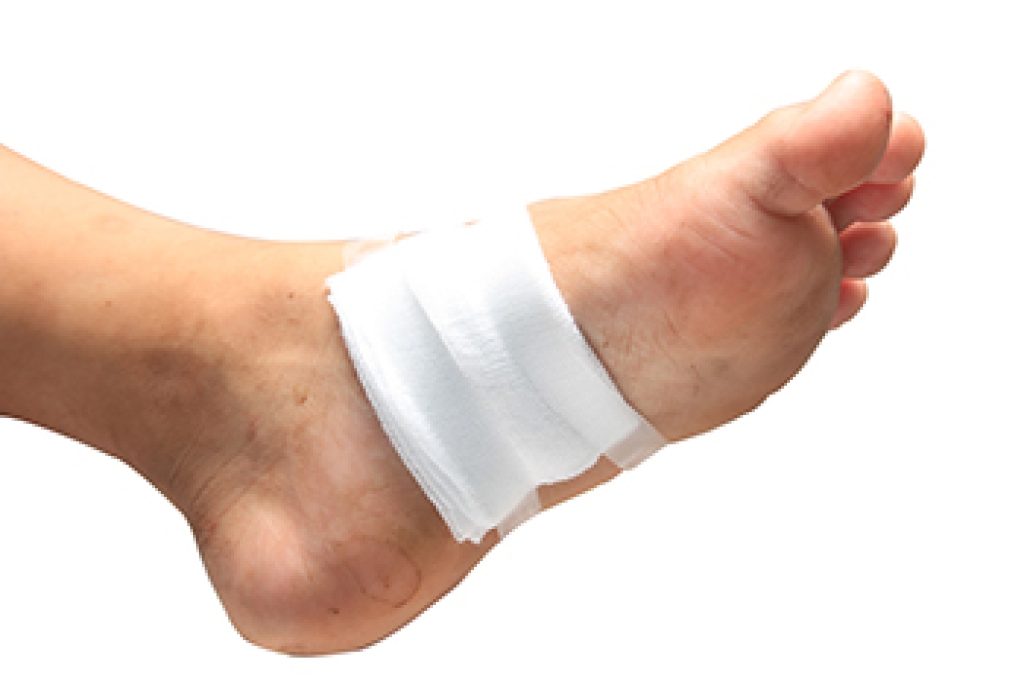
Puncture Wounds to the Foot

Stepping on a sharp object can lead to a puncture wound, which is different from a simple cut or scrape. These injuries often push debris deep beneath the skin, increasing the risk of infection. Even if the wound seems small, bacteria may have entered through the opening and caused hidden damage to deeper tissues. Common objects that cause these injuries include nails, glass, or splinters, often encountered outdoors or in work areas. Symptoms may not appear right away, but swelling, warmth, or pain may develop hours later. Footwear may prevent some injuries, but thin soles or walking barefoot raise the risk. Proper cleaning and medical evaluation are important to avoid serious complications such as abscesses or bone infections. If you have stepped on something sharp and the discomfort continues or worsens, it is suggested that you see a podiatrist to assess the injury and prevent further problems.

Wound care is an important part in dealing with diabetes. If you have diabetes and a foot wound or would like more information about wound care for diabetics, consult with Anas Khoury, DPM from North Eastern Foot & Ankle Specialists. Our doctor will assess your condition and provide you with quality foot and ankle treatment.

What Is Wound Care?

Wound care is the practice of taking proper care of a wound. This can range from the smallest to the largest of wounds. While everyone can benefit from proper wound care, it is much more important for diabetics. Diabetics often suffer from poor blood circulation which causes wounds to heal much slower than they would in a non-diabetic. 

What Is the Importance of Wound Care?

While it may not seem apparent with small ulcers on the foot, for diabetics, any size ulcer can become infected. Diabetics often also suffer from neuropathy, or nerve loss. This means they might not even feel when they have an ulcer on their foot. If the wound becomes severely infected, amputation may be necessary. Therefore, it is of the upmost importance to properly care for any and all foot wounds.

How to Care for Wounds

The best way to care for foot wounds is to prevent them. For diabetics, this means daily inspections of the feet for any signs of abnormalities or ulcers. It is also recommended to see a podiatrist several times a year for a foot inspection. If you do have an ulcer, run the wound under water to clear dirt from the wound; then apply antibiotic ointment to the wound and cover with a bandage. Bandages should be changed daily and keeping pressure off the wound is smart. It is advised to see a podiatrist, who can keep an eye on it.

If you have any questions please contact our office located in Passaic, NJ . We offer the newest diagnostic and treatment technologies for all your foot and ankle needs.
Read more about Wound Care

Custom Foot Orthotics and Why You Might Need Them

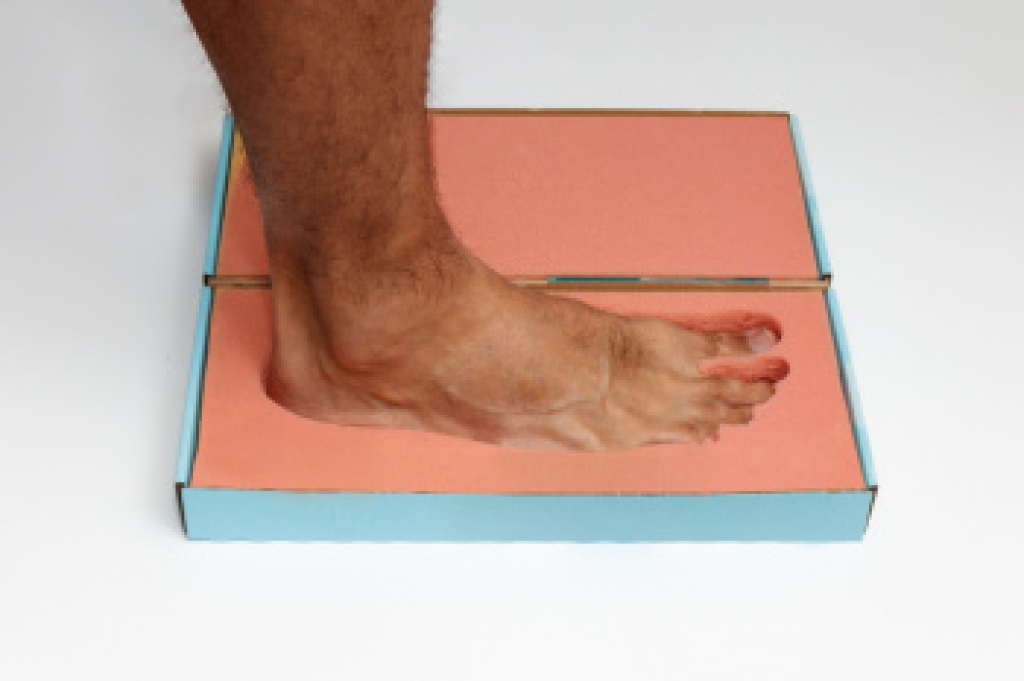
Custom foot orthotics are medical-grade shoe inserts designed to support and align your feet based on their unique structure. Custom orthotics help treat a range of conditions including flat feet, plantar fasciitis, arthritis, and gait abnormalities. Unlike store-bought inserts, custom orthotics are made using precise molds or digital scans of your feet to ensure a perfect fit and targeted support. They can improve comfort, reduce pain, and prevent further injury. A podiatrist evaluates your foot health, walking patterns, and overall posture before prescribing orthotics tailored to your needs. If you experience foot pain or discomfort, it is suggested that you schedule a visit with a podiatrist to discover how custom orthotics can improve your daily mobility and long-term foot health.

Custom orthotics are specialized shoe inserts created to support and align the feet according to each person’s unique structure and walking pattern. They are an effective way to relieve foot discomfort caused by conditions such as flat feet, high arches, plantar fasciitis, bunions, and heel pain. When the natural alignment of the foot is off balance, it can lead to pressure points, strain, and pain that affect how a person stands, walks, and moves. Orthotics work by redistributing weight evenly and supporting the arch to reduce stress on the muscles, tendons, and joints of the feet and lower legs.

Foot discomfort can develop for many reasons, including wearing improper footwear, long hours of standing, repetitive motion, or underlying structural problems. Over time, this discomfort can extend beyond the feet, contributing to knee, hip, or lower back pain. Custom orthotics help correct these issues by improving alignment and promoting more efficient movement. They are made using precise measurements and imaging to ensure the best fit for each patient, providing targeted support and cushioning where it is needed most.

Unlike generic insoles, custom orthotics are durable, medically designed, and tailored to your specific needs. Whether you are managing chronic pain, recovering from an injury, or simply seeking better comfort and stability, orthotics can make a noticeable difference in how your feet feel throughout the day.

If you are experiencing persistent foot discomfort or fatigue, it may be time to have your feet evaluated by a podiatrist. Call our office today for more information or to schedule an appointment.

If you have any questions, please feel free to contact our office located in Passaic, NJ

Read more about Investing in Custom Orthotics Means Investing in Foot Health

Systemic Conditions That Can Lead to Foot Issues

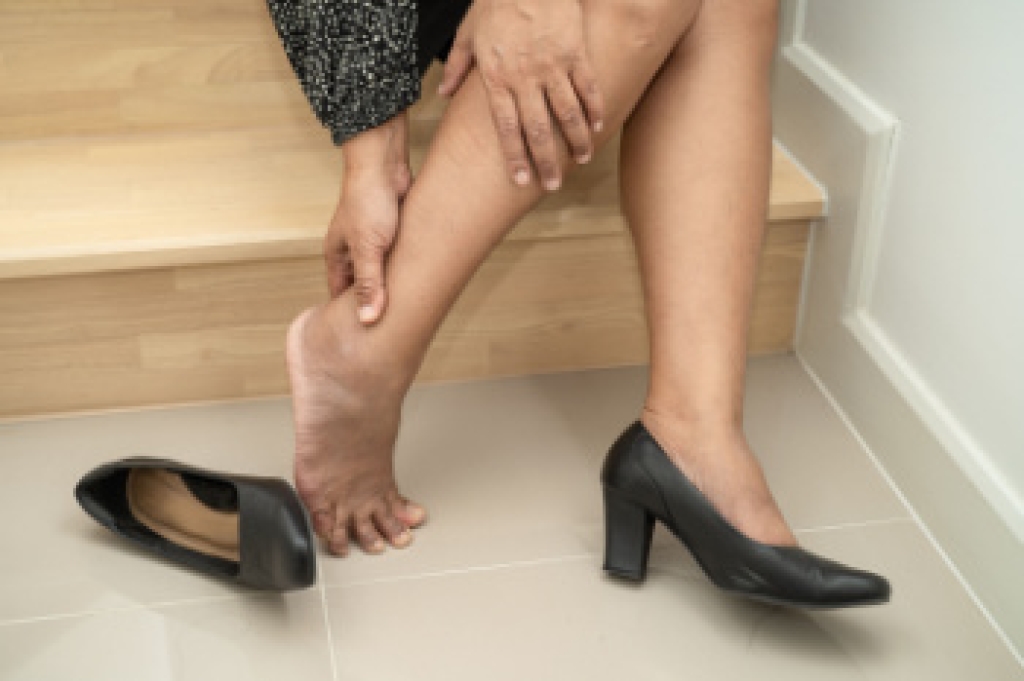
The health of your feet can often reflect what is happening elsewhere in the body. Certain medical conditions that affect multiple systems can also cause foot-related symptoms. Diabetes is one of the most well-known, often leading to nerve damage, circulation problems, and delayed healing. Autoimmune diseases such as lupus or rheumatoid arthritis can cause joint pain, swelling, and changes in foot structure. Kidney or liver disease may lead to fluid retention, causing swelling in the feet and ankles. Additionally, neurological disorders can affect muscle control and sensation, sometimes leading to imbalance or unusual wear on the feet. Even conditions like peripheral artery disease or thyroid dysfunction may contribute to discomfort or changes in the appearance of the feet. Paying attention to new or ongoing symptoms can help with early detection of a broader issue. If your feet are showing signs of an underlying condition, it is suggested that you speak with a podiatrist for further guidance and care.

When dealing with systemic disease of the feet, it is extremely important to check the affected areas routinely so that any additional problems are caught quickly.  If you have any concerns about your feet and ankles contact Anas Khoury, DPM from North Eastern Foot & Ankle Specialists. Our doctor will assist you with all of your podiatric needs.

Systemic Diseases of the Feet

Systemic diseases affect the whole body, and symptoms usually are displayed in the feet. This condition can make a patient’s ability to walk unbearable.  Systemic diseases include gout, diabetes mellitus, neurological disorders, and arthritis.

Gout – is caused by an excess of uric acid in the body. Common symptoms include pain, inflammation, and redness at the metatarsal/phalangeal joint of the base big toe. Gout can be treated by NSAIDs to relieve pain and inflammation, and other drugs that lower the acid levels in the body.

Diabetes mellitus – is an increase in the level of blood sugar that the body cannot counteract with its own insulin. Failure to produce enough insulin is a factor in Diabetes.

Diabetes of the Feet

Diabetic Neuropathy – may lead to damaged nerves and affect the feet through numbness and loss of sensation.

Peripheral Vascular Disease – can restrict the blood flow to the feet, and often times lead to amputation of the feet. 

If you have any questions please contact our office located in Passaic, NJ . We offer the newest diagnostic and treatment technologies for all your foot and ankle needs.
Read more about Systemic Diseases of the Foot

How Podiatric Biomechanics Relates to Gait Problems

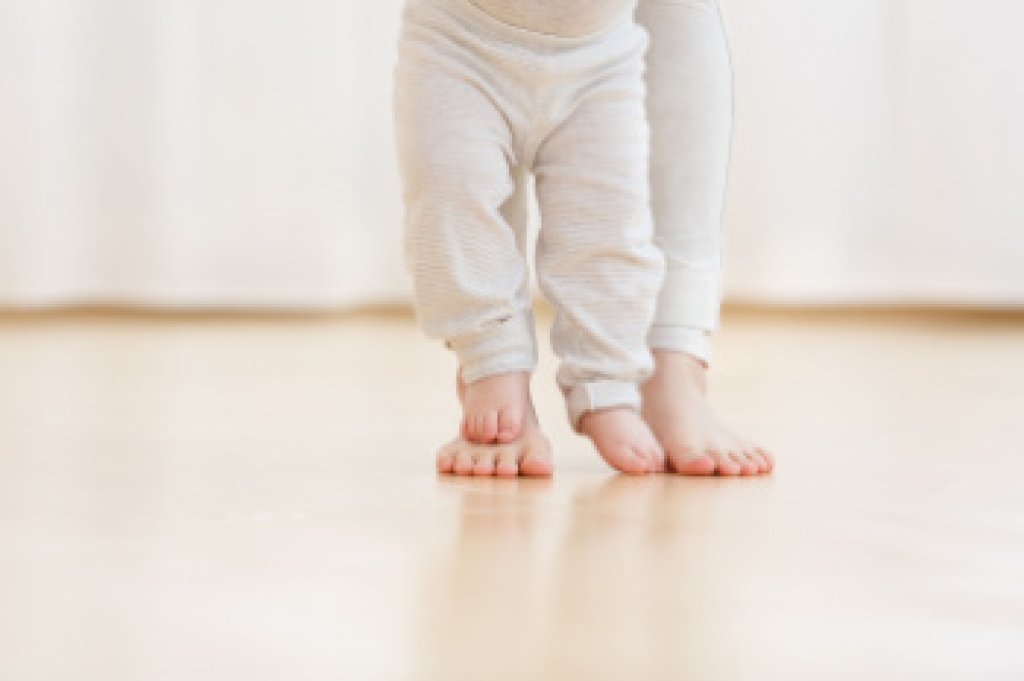
Podiatric biomechanics is the study of how the structure and function of the feet affect movement. It looks at how bones, muscles, tendons, and joints all work together to support walking, standing, and balance. When one part of the foot is misaligned or not working correctly, it can affect the way a person moves, leading to discomfort or inefficiency. Certain gait issues, such as overpronation or limping, are often tied to poor foot function. These problems may place extra stress on the ankles, knees, hips, or back. By understanding the mechanics of walking and how the feet interact with the ground, podiatrists can identify the root of dysfunction. Treatment may include custom orthotics, targeted exercises, or footwear changes. If your walking pattern feels off or you have recurring pain when moving, it is suggested that you meet with a podiatrist to explore possible causes and solutions.

If you have any concerns about your feet, contact Anas Khoury, DPM from North Eastern Foot & Ankle Specialists. Our doctor can provide the care you need to keep you pain-free and on your feet.

Biomechanics in Podiatry

Podiatric biomechanics is a particular sector of specialty podiatry with licensed practitioners who are trained to diagnose and treat conditions affecting the foot, ankle and lower leg. Biomechanics deals with the forces that act against the body, causing an interference with the biological structures. It focuses on the movement of the ankle, the foot and the forces that interact with them.

A History of Biomechanics

  • Biomechanics dates back to the BC era in Egypt where evidence of professional foot care has been recorded.
  • In 1974, biomechanics gained a higher profile from the studies of Merton Root, who claimed that by changing or controlling the forces between the ankle and the foot, corrections or conditions could be implemented to gain strength and coordination in the area.

Modern technological improvements are based on past theories and therapeutic processes that provide a better understanding of podiatric concepts for biomechanics. Computers can provide accurate information about the forces and patterns of the feet and lower legs.

Understanding biomechanics of the feet can help improve and eliminate pain, stopping further stress to the foot.

If you have any questions please feel free to contact our office located in Passaic, NJ . We offer the newest diagnostic and treatment technologies for all your foot and ankle needs.
Read more about Biomechanics in Podiatry

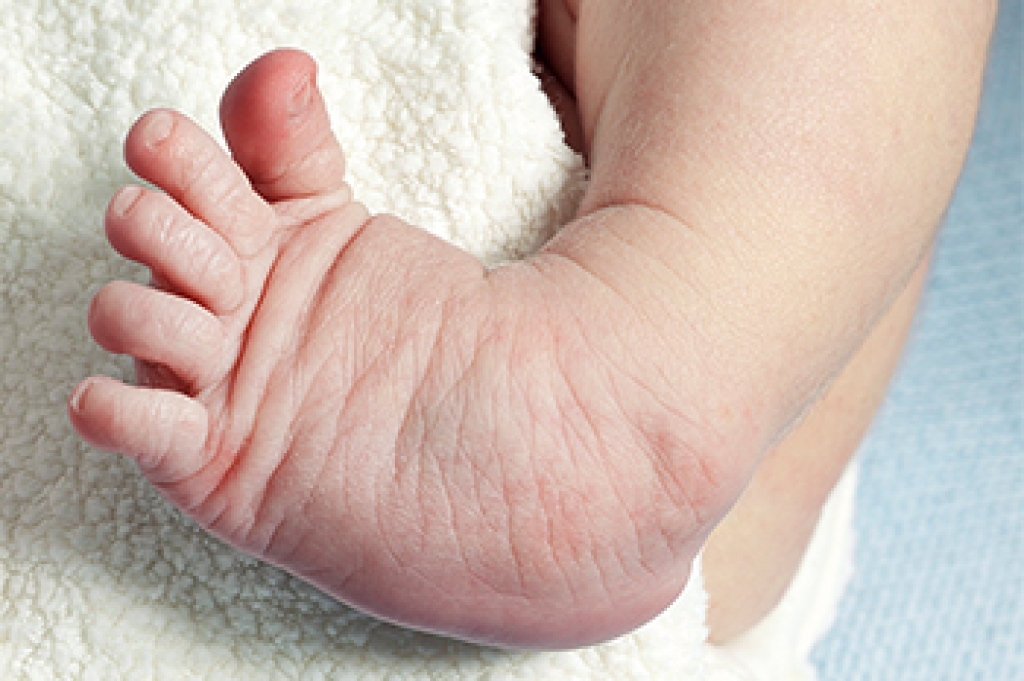
Facts About Clubfoot in Your Newborn

Clubfoot is a condition seen at birth where a baby’s foot twists inward and downward, making the sole face sideways or even upward. One or both feet can be affected, and the calf and foot may appear smaller than normal. Clubfoot involves the foot and ankle bones, joints, and tendons, leading to stiffness and limited motion. While the cause is not always known, it occurs more often in boys or when there is a family history. A similar issue, called positional clubfoot, can happen if the baby’s foot was pressed into an awkward position in the womb, but that form does not affect bone structure. True clubfoot requires early treatment to help move the foot into a better position. A podiatrist can assess the severity, take X-rays if needed, and monitor foot growth to determine whether a brace, casting, or surgery is necessary. If your baby displays symptoms of clubfoot, it is suggested that you schedule an appointment with a podiatrist for a diagnosis and ongoing treatment.

Congenital foot problems require immediate attention to avoid future complications. If you have any concerns, contact Anas Khoury, DPM of North Eastern Foot & Ankle Specialists. Our doctor can provide the care you need to keep you pain-free and on your feet.

Congenital foot problems are deformities affecting the feet, toes, and/or ankles that children are born with. Some of these conditions have a genetic cause while others just happen. Some specific foot ailments that children may be born with include clubfeet, polydactyly/macrodactyly, and cleft foot. There are several other foot anomalies that can occur congenitally. What all of these conditions have in common is that a child may experience difficulty walking or performing everyday activities, as well as trouble finding footwear that fits their foot deformity. Some of these conditions are more serious than others. Consulting with a podiatrist as early as possible will help in properly diagnosing a child’s foot condition while getting the necessary treatment underway.

What are Causes of Congenital Foot Problem?

A congenital foot problem is one that happens to a child at birth. These conditions can be caused by a genetic predisposition, developmental or positional abnormalities during gestation, or with no known cause.

What are Symptoms of Congenital Foot Problems?

Symptoms vary by the congenital condition. Symptoms may consist of the following:

  • Clubfoot, where tendons are shortened, bones are shaped differently, and the Achilles tendon is tight, causing the foot to point in and down. It is also possible for the soles of the feet to face each other.
  • Polydactyly, which usually consists of a nubbin or small lump of tissue without a bone, a toe that is partially formed but has no joints, or an extra toe.
  • Vertical talus, where the talus bone forms in the wrong position causing other bones in the foot to line up improperly, the front of the foot to point up, and the bottom of the foot to stiffen, with no arch, and to curve out.
  • Tarsal coalition, when there is an abnormal connection of two or more bones in the foot leading to severe, rigid flatfoot.
  • Cleft foot, where there are missing toes, a V-shaped cleft, and other anatomical differences.
  • Macrodactyly, when the toes are abnormally large due to overgrowth of the underlying bone or soft tissue.

Treatment and Prevention

While there is nothing one can do to prevent congenital foot problems, raising awareness and receiving neonatal screenings are important. Early detection by taking your child to a podiatrist leads to the best outcome possible.

If you have any questions, please feel free to contact our office located in Passaic, NJ . We offer the newest diagnostic and treatment technologies for all your foot care needs.

Read more about Congenital Foot Problems

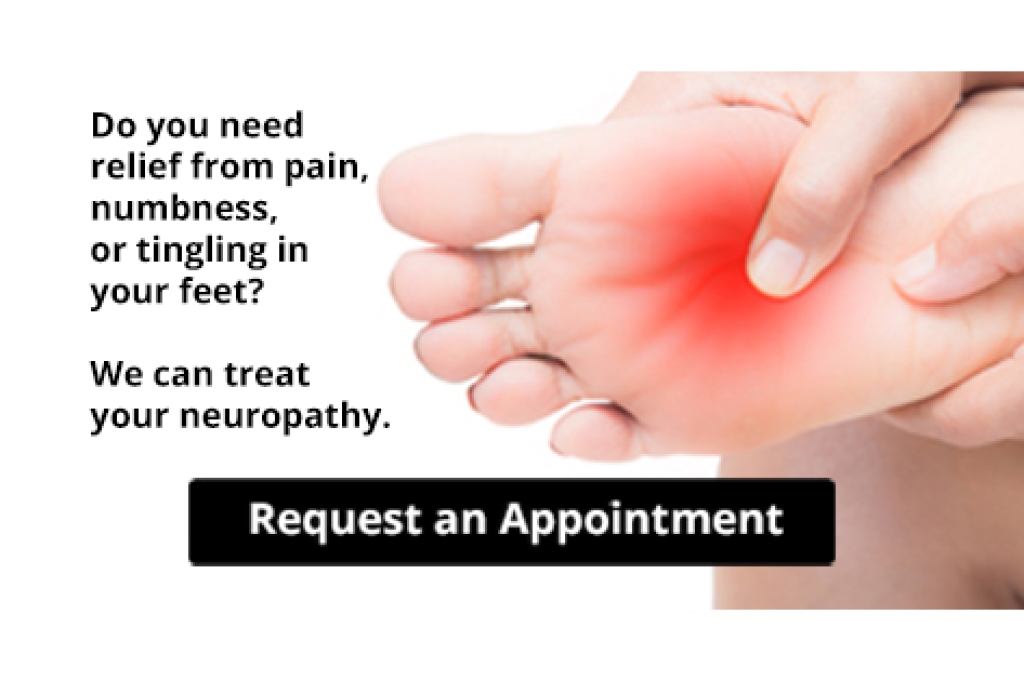
Are You Suffering From Nerve Damage?

Neuropathy is a condition that can lead to numbness or loss of sensation in the feet, but it can also cause pain. This condition is more likely to develop for those who are diabetic, obese, or with high blood pressure.

Custom Orthotics For Foot and Heel Pain

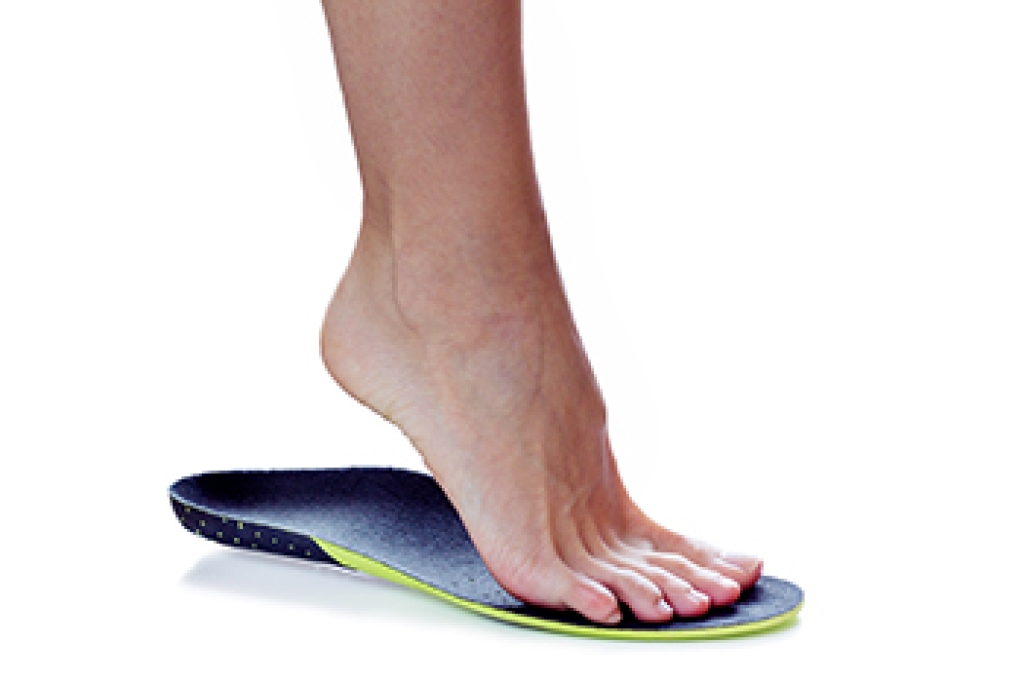
Step into relief and reclaim your mobility! Foot and heel pain can be a thing of the past with the right Custom Orthotics. Customized to your unique foot structure, they provide the support and alignment needed to alleviate discomfort. Whether you're walking, running, or simply standing, Custom Orthotics ensure every step is cushioned and pain-free. Don't let foot ailments dictate your day. With Custom Orthotics, embrace a world of comfort and freedom. Call today to schedule an appointment.

Relieving Pain From Various Foot Issues

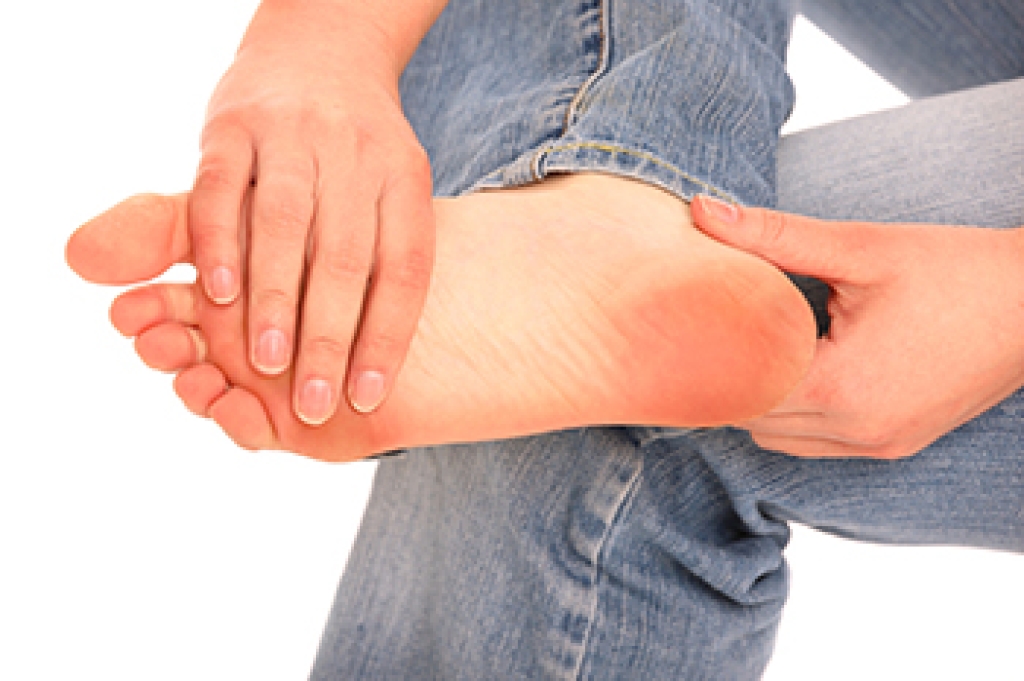
Many common foot concerns can be eased with early attention and the right care. Sore heels often respond well to rest, stretching, and supportive footwear that absorbs shock and reduces strain. For bunions, choosing shoes with a wider toe box and using protective pads may reduce pressure and irritation. Custom orthotics can help improve alignment and reduce pain in both conditions. Corns, calluses, and arch discomfort may also improve with better footwear choices, moisturizing, and targeted exercises. When symptoms do not improve or interfere with walking, professional evaluation is important. Some conditions may worsen over time without proper care. If your feet are frequently uncomfortable or showing signs of change, it is suggested that you see a podiatrist for a diagnosis and personalized treatment plan. Proper foot care helps prevent further problems and supports daily comfort and mobility.

Foot Pain

Foot pain can be extremely painful and debilitating. If you have a foot pain, consult with Anas Khoury, DPM from North Eastern Foot & Ankle Specialists. Our doctor will assess your condition and provide you with quality foot and ankle treatment.

Causes

Foot pain is a very broad condition that could be caused by one or more ailments. The most common include:

  • Bunions
  • Hammertoes
  • Plantar Fasciitis
  • Bone Spurs
  • Corns
  • Tarsal Tunnel Syndrome
  • Ingrown Toenails
  • Arthritis (such as Gout, Rheumatoid, and Osteoarthritis)
  • Flat Feet
  • Injury (from stress fractures, broken toe, foot, ankle, Achilles tendon ruptures, and sprains)
  • And more

Diagnosis

To figure out the cause of foot pain, podiatrists utilize several different methods. This can range from simple visual inspections and sensation tests to X-rays and MRI scans. Prior medical history, family medical history, and any recent physical traumatic events will all be taken into consideration for a proper diagnosis.

Treatment

Treatment depends upon the cause of the foot pain. Whether it is resting, staying off the foot, or having surgery; podiatrists have a number of treatment options available for foot pain.

If you have any questions, please feel free to contact our office located in Passaic, NJ . We offer the newest diagnostic and treatment technologies for all your foot care needs.

Read more about Foot Pain

Custom Orthotics Can Treat Foot and Ankle Pain

Many foot and ankle problems can be managed without surgery, especially when addressed early. One common approach is the use of custom inserts that fit inside the shoe. These help improve alignment, reduce strain on joints, and cushion areas under pressure. Whether someone is dealing with heel pain, arch problems, or instability, a well designed insert can make daily movement easier and less painful. These devices work by guiding the foot into a better position, allowing other treatments like stretching or strengthening to be more effective. For many, inserts offer enough relief to avoid more aggressive procedures. They are especially helpful for conditions that get worse with time, if not treated properly. If you have discomfort in your foot or ankle that is not improving on its own, it is suggested that you see a podiatrist for a proper diagnosis and treatment, which may include a prescription for custom orthotics.

Our feet carry us through every part of life, absorbing the impact of thousands of steps each day. When they are not properly supported, the effects can extend far beyond the feet themselves. Custom orthotics provide the foundation the body needs by aligning, cushioning, and stabilizing each foot in its most natural position. They are carefully crafted to match the unique structure of each individual’s feet, allowing them to move efficiently and comfortably while reducing stress on the muscles, joints, and ligaments.

Proper foot support is essential for maintaining balance and preventing fatigue. Without it, the body compensates by shifting weight unevenly, which can lead to discomfort in the ankles, knees, hips, or lower back. Custom orthotics help restore this balance by redistributing pressure and promoting a more natural walking pattern. They not only ease existing pain but also protect against future strain or injury by supporting the arches and controlling excessive motion.

Unlike store-bought insoles, custom orthotics are created through detailed assessment and advanced technology to provide precise correction and comfort. They fit seamlessly into most shoes, making them ideal for daily wear, work, or sports.

If your feet feel tired, sore, or unsupported, it is recommended that you contact our office for more information, or to make an appointment.

If you have any questions please contact our office located in Passaic, NJ

Read more about Investing in Custom Orthotics Means Investing in Foot Health

Safety Tips and the Podiatrist’s Role in Fall Recovery

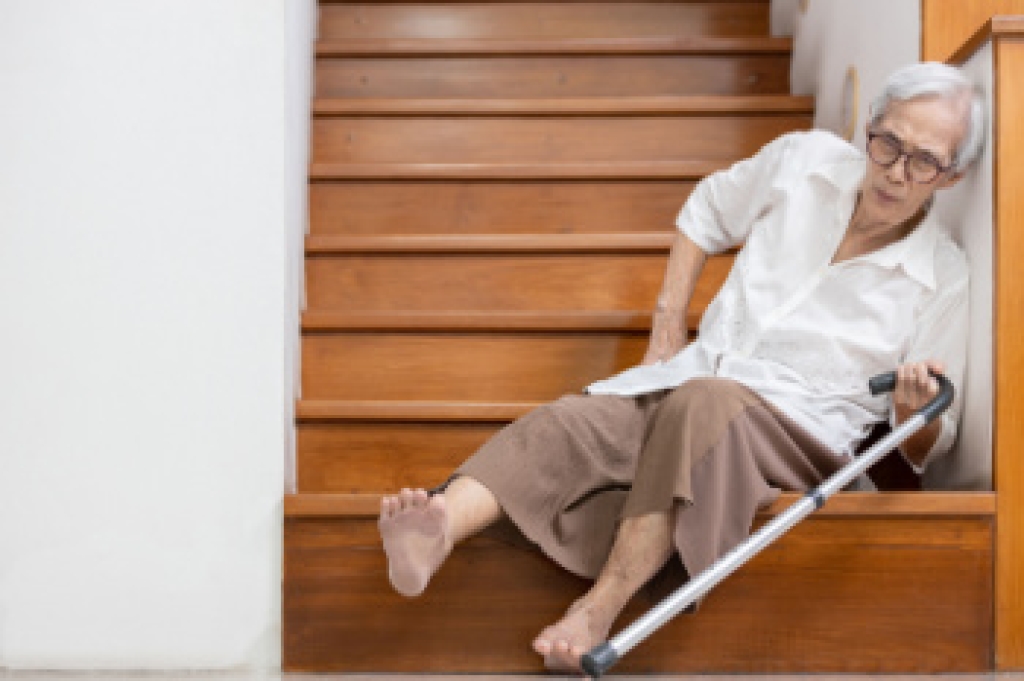
Falls at home are often caused by slippery surfaces, poor lighting, clutter, and uneven flooring. As people age, changes in balance, muscle strength, vision, and reaction time increase the risk of falling. Certain medications may also cause dizziness or unsteadiness, further raising the likelihood of an accident. Preventing falls involves practical home modifications, such as installing handrails on stairs, placing grab bars in bathrooms, improving lighting in hallways, and regularly reviewing medications with a healthcare provider. A podiatrist can play an important role by treating foot conditions that contribute to instability, such as arthritis, neuropathy, or improper footwear. They may also provide balance assessments, orthotics, and mobility support to help reduce the risk of future falls and improve overall safety at home. If you have foot or ankle pain and are at risk of falling, it is suggested that you consult a podiatrist who can treat various foot conditions, and guide you on additional fall prevention tips.

Preventing falls among the elderly is very important. If you are older and have fallen or fear that you are prone to falling, consult with Anas Khoury, DPM from North Eastern Foot & Ankle Specialists. Our doctor will assess your condition and provide you with quality advice and care.

Every 11 seconds, an elderly American is being treated in an emergency room for a fall related injury. Falls are the leading cause of head and hip injuries for those 65 and older. Due to decreases in strength, balance, senses, and lack of awareness, elderly persons are very susceptible to falling. Thankfully, there are a number of things older persons can do to prevent falls.

How to Prevent Falls

Some effective methods that older persons can do to prevent falls include:

  • Enrolling in strength and balance exercise program to increase balance and strength
  • Periodically having your sight and hearing checked
  • Discuss any medications you have with a doctor to see if it increases the risk of falling
  • Clearing the house of falling hazards and installing devices like grab bars and railings
  • Utilizing a walker or cane
  • Wearing shoes that provide good support and cushioning
  • Talking to family members about falling and increasing awareness

Falling can be a traumatic and embarrassing experience for elderly persons; this can make them less willing to leave the house, and less willing to talk to someone about their fears of falling. Doing such things, however, will increase the likelihood of tripping or losing one’s balance. Knowing the causes of falling and how to prevent them is the best way to mitigate the risk of serious injury.  

If you have any questions, please feel free to contact our office located in Passaic, NJ . We offer the newest diagnostic and treatment technologies for all your foot care needs.

Read more about Falls Prevention

Connect With Us