Hablamos Español

Foot Ulcers Can Be a Serious Complication of Diabetes

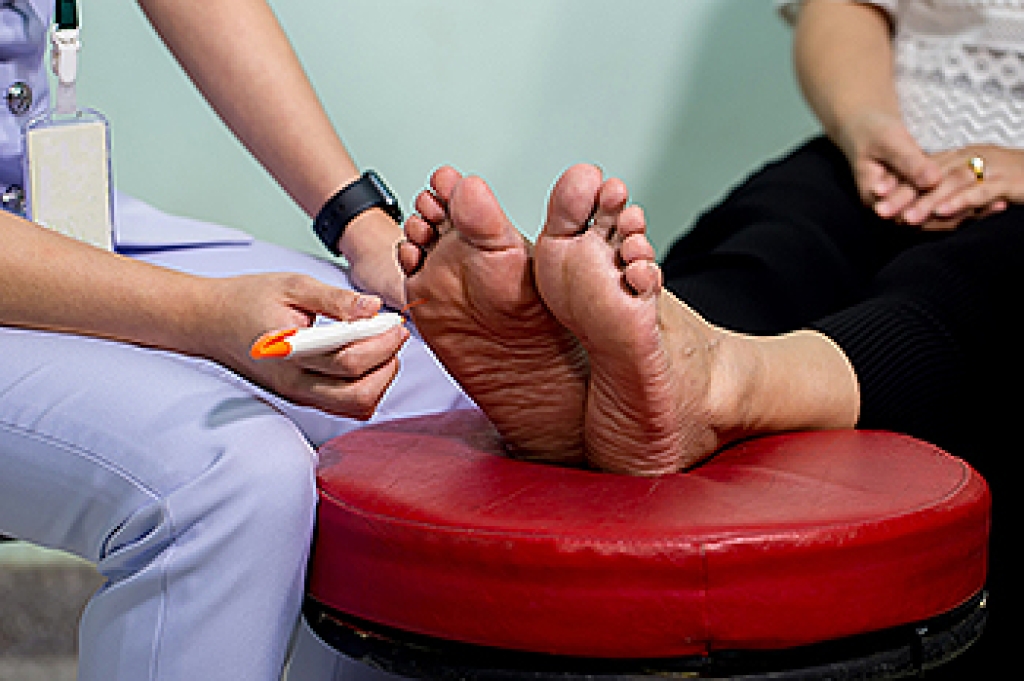
People who have diabetes are aware of the complications that can arise if proper foot care is not provided. Neuropathy, a condition that prevents feeling in the feet, may accompany diabetes. It is beneficial to check the bottom of the feet for existing cuts, bruises, or scrapes. Many patients ask a family member to help them look for cuts on the feet, or it may be done by using a mirror. Foot ulcers can be a common side effect of diabetes, and amputation may be necessary if ulcers are not treated promptly. The skin on the feet may change color in diabetic patients, and unusual sensations in the feet may be a symptom of nerve damage. Proper foot care starts with washing the feet regularly, trimming the toenails correctly, and wearing shoes that fit properly. Additionally, it can help to wear socks that are made of a cotton material, and it is beneficial to avoid activities that can injure the feet. When frequent foot exams are performed, the chances of noticing a cut is improved. Then treatment can begin in a timely fashion. If you are a diabetic patient, it is strongly advised that you are under the care of a podiatrist who can help you to manage this condition.

Diabetic foot care is important in preventing foot ailments such as ulcers. If you are suffering from diabetes or have any other concerns about your feet, contact Anas Khoury, DPM from North Eastern Foot & Ankle Specialists. Our doctor can provide the care you need to keep you pain-free and on your feet.

Diabetic Foot Care

Diabetes affects millions of people every year. The condition can damage blood vessels in many parts of the body, especially the feet. Because of this, taking care of your feet is essential if you have diabetes, and having a podiatrist help monitor your foot health is highly recommended.

The Importance of Caring for Your Feet

  • Routinely inspect your feet for bruises or sores.
  • Wear socks that fit your feet comfortably.
  • Wear comfortable shoes that provide adequate support.

Patients with diabetes should have their doctor monitor their blood levels, as blood sugar levels play such a huge role in diabetic care. Monitoring these levels on a regular basis is highly advised.

It is always best to inform your healthcare professional of any concerns you may have regarding your feet, especially for diabetic patients. Early treatment and routine foot examinations are keys to maintaining proper health, especially because severe complications can arise if proper treatment is not applied.

If you have any questions, please feel free to contact our office located in Passaic, NJ . We offer the newest diagnostic and treatment technologies for all your foot care needs.
Read more about Diabetic Foot Conditions

Bunions and Dancers

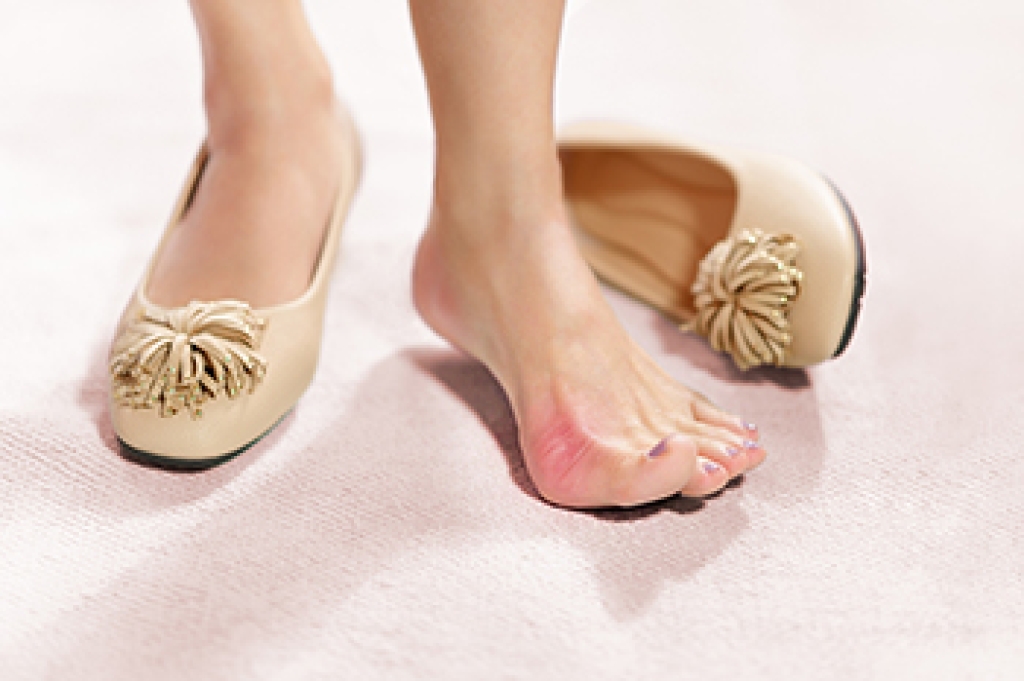
A bunion, hallux valgus, forms when there is a gradual change to the anatomy of the big toe leading to a deformity on the side of the toe that can be painful. This condition worsens when shoes are ill-fitting or have pointed toes that apply pressure to this toe. Dancers, especially ballet dancers (who dance in pointe shoes), are prone to this ailment but anyone can get a bunion. The main symptom of a bunion is a swollen, red area over the deformed joint of the big toe that is tender when touched. One can also experience numbness or a burning sensation if the surrounding nerves become irritated. The big toe angles in and irritation of the skin can lead to blisters or bursitis at the site of the bunion. When severe and long-standing, a bunion may cause the toes to overlap and arthritis, which causes additional pain when walking or performing activities that require one to push off with the feet. To prevent bunions, one can try to change their footwear to shoes that have more room in the toe box and that are wider, modify activities that cause pain, or wear shoe inserts or spacers. It is often recommended that dancers avoid bunion surgery until they stop dancing, as it may interfere with their ability to dance. If you have a bunion that is interfering with your life, consider seeing a podiatrist for proper diagnosis and treatment options.

If you are suffering from bunions, contact Anas Khoury, DPM of North Eastern Foot & Ankle Specialists. Our doctor can provide the care you need to keep you pain-free and on your feet.

What Is a Bunion?

A bunion is formed of swollen tissue or an enlargement of boney growth, usually located at the base joint of the toe that connects to the foot. The swelling occurs due to the bones in the big toe shifting inward, which impacts the other toes of the foot. This causes the area around the base of the big toe to become inflamed and painful.

Why Do Bunions Form?

Genetics – Susceptibility to bunions are often hereditary

Stress on the feet – Poorly fitted and uncomfortable footwear that places stress on feet, such as heels, can worsen existing bunions

How Are Bunions Diagnosed?

Podiatrists often perform two tests – blood tests and x-rays – when trying to diagnose bunions, especially in the early stages of development. Blood tests help determine if the foot pain is being caused by something else, such as arthritis, while x-rays provide a clear picture of your bone structure to your provider.

How Are Bunions Treated?

  • Refrain from wearing heels or similar shoes that cause discomfort
  • Select wider shoes that can provide more comfort and reduce pain
  • Anti-inflammatory and pain management drugs
  • Orthotics or foot inserts
  • Surgery

If you have any questions, please feel free to contact our office located in Passaic, NJ . We offer the newest diagnostic and treatment technologies for all your foot care needs.
Read more about Bunions

Let the Expert Treat Your Ingrown Toenails

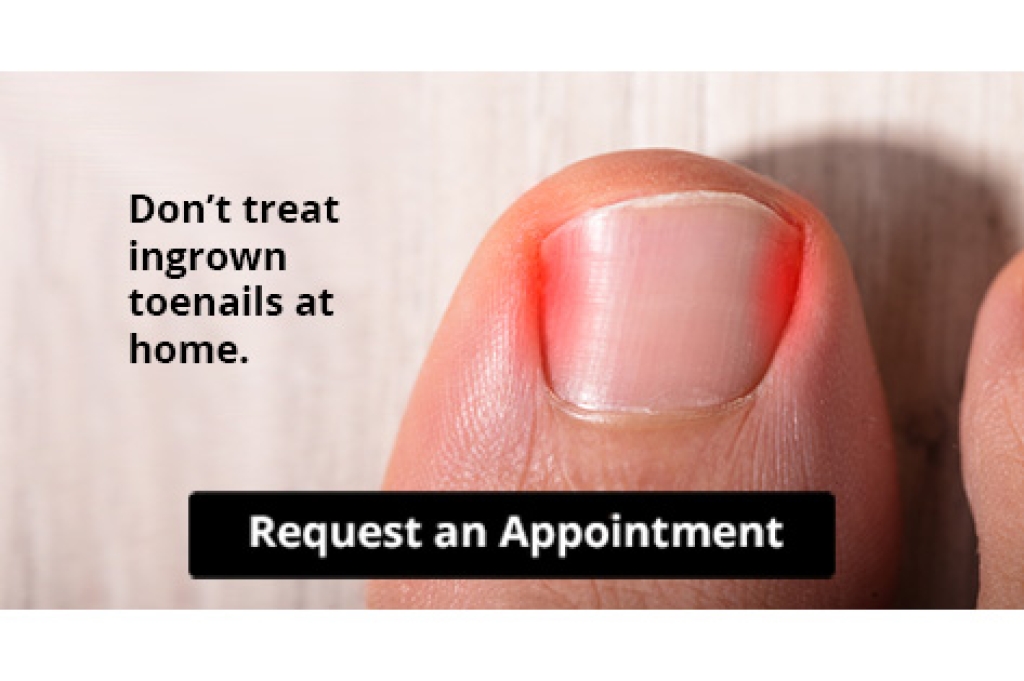
Ingrown toenails can be painful and can make wearing shoes or walking uncomfortable. Seek professional help if you believe you've developed an ingrown toenail and be treated safely. 

What to Do About Corns on the Feet

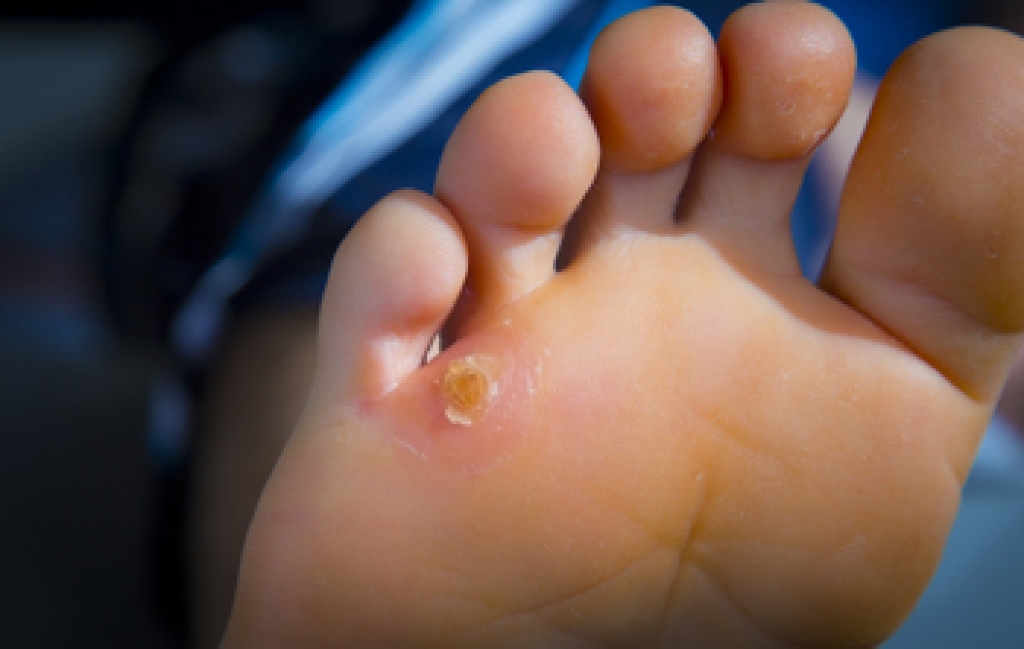
Corns can develop on the feet below the toenail bed, between toes, on the sides of feet, or on the bottom of the feet. These can develop from wearing shoes that are too tight, from standing or walking for prolonged periods, or from a heavy body weight that constantly puts pressure on the bottom of the feet. It is important to wear properly fitting shoes and socks that do not restrict the feet. Soaking the affected foot, making sure to dry it completely and moisturize it when done can help soften the corn. One can try corn pads to pad the corn and relieve the pressure on it for a better chance of healing. If a corn does not heal with these home treatments, or if it worsens, it is suggested to see a podiatrist who can better and more safely treat a corn by scraping it, shaving it, or cutting away layers, as well as lay out a plan for required treatment and prevention.

If you have any concerns regarding your feet and ankles, contact Anas Khoury, DPM of North Eastern Foot & Ankle Specialists. Our doctor will treat your foot and ankle needs.

Corns: What Are They? and How Do You Get Rid of Them?
Corns can be described as areas of the skin that have thickened to the point of becoming painful or irritating. They are often layers and layers of the skin that have become dry and rough, and are normally smaller than calluses.

Ways to Prevent Corns
There are many ways to get rid of painful corns such as wearing:

  • Well-fitting socks
  • Comfortable shoes that are not tight around your foot
  • Shoes that offer support

Treating Corns
Treatment of corns involves removing the dead skin that has built up in the specific area of the foot. Consult with Our doctor to determine the best treatment option for your case of corns.

If you have any questions, please feel free to contact our office located in Passaic, NJ . We offer the newest diagnostic and treatment technologies for all your foot care needs.
Read more about Corns: What Are They, and How Do You Get Rid of Them

Gout Can Attack Your Big Toe

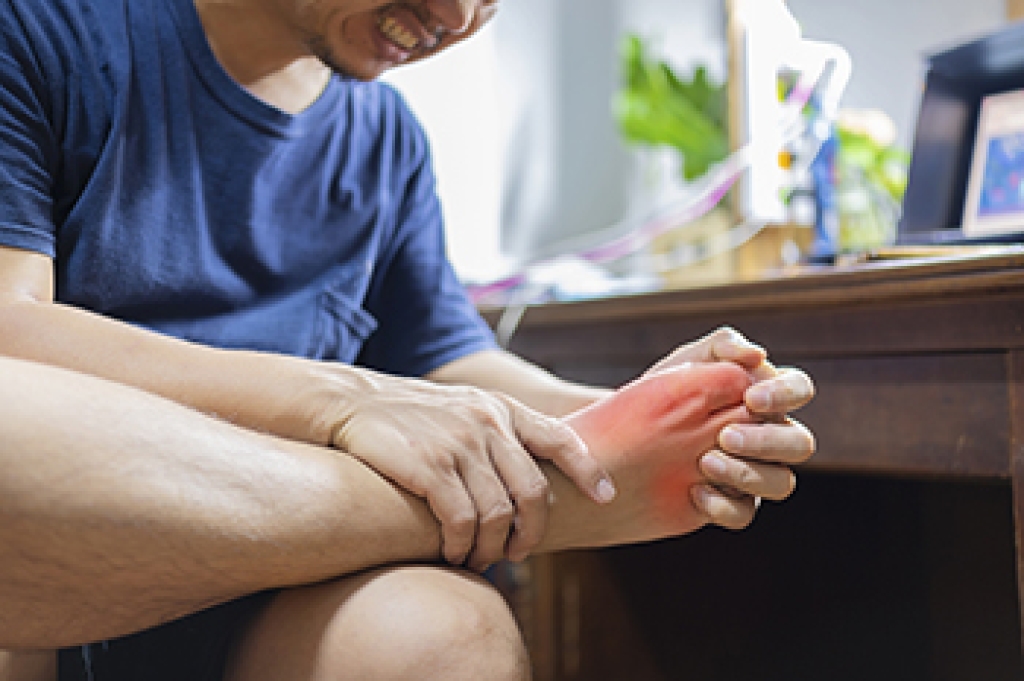
Gout is a condition caused by a buildup of uric acid directly related to foods that contain high levels of purines. The uric acid forms crystals that settle in the joints, commonly at the base of the big toe. This can cause sharp pain, inflammation, redness, and swelling. Foods that contain purines inhibit your body’s ability to shed uric acid properly. Men most often experience gout between the ages of 30 and 50, while women are more susceptible after the onset of menopause. Reducing the intake of purine-rich foods is a good way to prevent gout. Among them are beef, organ meats, certain types of seafood, as well as some vegetables and legumes. Drinking more water and less alcohol may also bring some relief. If you have developed gout, it is a good idea to see a podiatrist who can prescribe corticosteroids and other medicine to help reduce pain and uric acid levels.

Gout is a foot condition that requires certain treatment and care. If you are seeking treatment, contact Anas Khoury, DPM from North Eastern Foot & Ankle Specialists. Our doctor will treat your foot and ankle needs.

What Is Gout?

Gout is a type of arthritis caused by a buildup of uric acid in the bloodstream. It often develops in the foot, especially the big toe area, although it can manifest in other parts of the body as well. Gout can make walking and standing very painful and is especially common in diabetics and the obese.

People typically get gout because of a poor diet. Genetic predisposition is also a factor. The children of parents who have had gout frequently have a chance of developing it themselves.

Gout can easily be identified by redness and inflammation of the big toe and the surrounding areas of the foot. Other symptoms include extreme fatigue, joint pain, and running high fevers. Sometimes corticosteroid drugs can be prescribed to treat gout, but the best way to combat this disease is to get more exercise and eat a better diet.

If you have any questions, please feel free to contact our office located in Passaic, NJ . We offer the newest diagnostic and treatment technologies for all your foot care needs.

Read more about Everything You Need to Know About Gout

Connect With Us