Hablamos Español

Custom Orthotics for Knee Osteoarthritis Relief

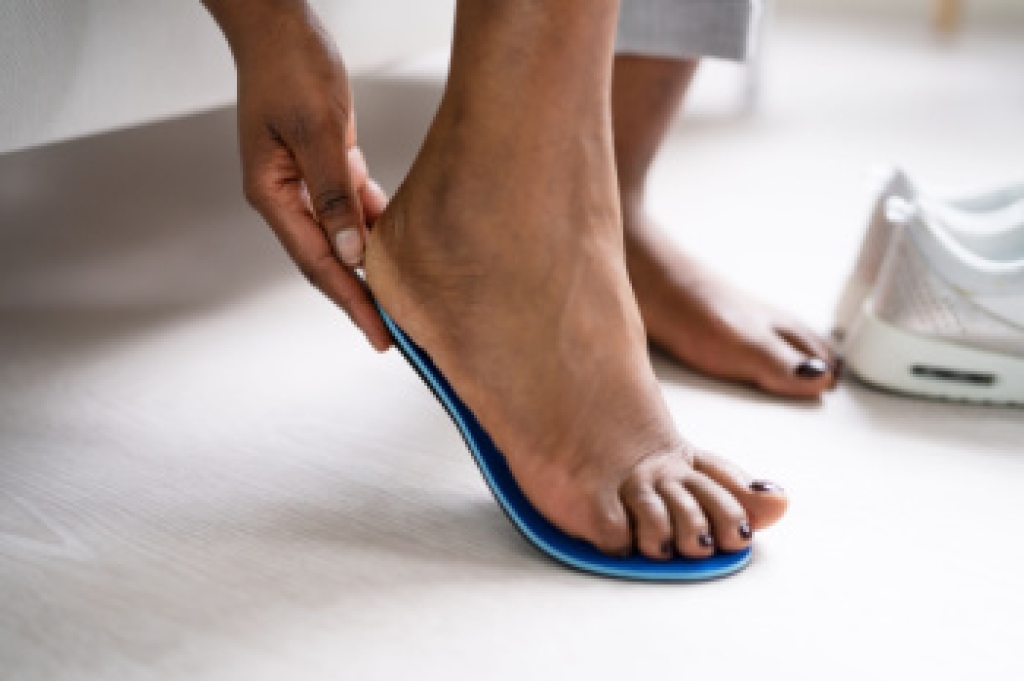
Knee osteoarthritis occurs when cartilage in the knee wears down, leading to pain, stiffness, and reduced mobility. Misaligned foot mechanics can worsen knee stress, making foot health a critical factor in managing this condition. Custom foot orthoses, or CFOs, can be a game-changer for knee osteoarthritis. These specially designed insoles improve foot alignment, reducing excess stress on the knee joint. By optimizing how the feet and legs function together, CFOs can improve knee stability and enhance overall mobility. If you have knee osteoarthritis, it is suggested that you schedule an appointment with a podiatrist to assess foot biomechanics and how they impact knee function, designing orthoses tailored to your specific needs. Regular follow-ups ensure the orthotics provide ongoing support.

Custom orthotics are often an effective solution for people experiencing heel pain, offering both comfort and correction for the underlying causes of discomfort. Heel pain commonly develops when the natural support of the foot becomes strained or imbalanced, leading to inflammation and irritation in the heel area. Conditions such as plantar fasciitis, heel spurs, or flat feet can all contribute to chronic heel pain that worsens with walking or standing. Custom orthotics are designed to fit the exact shape of your foot, providing the support and alignment necessary to reduce stress on the heel and surrounding tissues.

By redistributing pressure and improving overall foot mechanics, custom orthotics allow the heel to function more efficiently during movement. They cushion each step, absorb shock, and correct abnormal gait patterns that may be contributing to pain. Over time, this consistent support can ease inflammation, protect against re-injury, and enhance comfort during both daily and athletic activities.

Unlike prefabricated insoles, custom orthotics are created from a detailed evaluation that may include digital scans or molds of your feet. This ensures a precise and individualized fit that addresses your specific condition. They can be used in various types of footwear, from athletic shoes to dress styles, making them a versatile option for ongoing relief.

If heel pain is limiting your comfort or activity level, it is suggested that you call our office for more information or to schedule an appointment.

If you have any questions please contact our office located in Passaic, NJ

Read more about Investing in Custom Orthotics Means Investing in Foot Health

Choosing Running Shoes for Different Distances

Selecting the right running shoes for various distances is vital to ensure comfort, prevent injury, and improve performance. For shorter distances, such as sprints or 5Ks, lightweight shoes with more flexibility are ideal. These shoes offer quick responsiveness, allowing for fast foot turnover. For longer distances, like half-marathons or marathons, shoes with more cushioning provide extra support and shock absorption to reduce the impact on joints. Support is also essential, particularly for runners who experience overpronation or underpronation. Stability shoes help correct these issues, offering a more controlled stride and reducing the risk of injury. Cushioning should be balanced with support, ensuring that the shoe does not feel too soft or too firm, which can lead to discomfort. Additionally, flexibility plays a role in ensuring natural movement, especially for long-distance runners, as it helps maintain proper form and minimizes fatigue. If you have endured a foot or ankle injury from wearing the wrong running shoes, it is suggested that you consult a podiatrist who can treat various foot conditions, and guide you on what type of shoes to wear.

If you are a runner, wearing the right running shoe is essential. For more information, contact Anas Khoury, DPM from North Eastern Foot & Ankle Specialists. Our doctor can provide the care you need to keep you pain-free and on your feet.

Choosing the Right Running Shoe for Your Foot Type

To increase performance and avoid the risk of injury, it is important to choose the right running shoe based on your foot type. The general design of running shoes revolves around pronation, which is how the ankle rolls from outside to inside when the foot strikes the ground.

  • Neutral runners are able to choose from a wide variety of shoes, including minimalist shoes or even going barefoot.
  • Runners who overpronate, or experience an over-abundance of ankle rolling, should choose shoes that provide extra motion control and stability.
  • Runners who underpronate, or supinate, have feet that have high arches and lack flexibility, preventing shock absorption. They require shoes with more flexibility and cushion.

If you have any questions, please feel free to contact our office located in Passaic, NJ . We offer the newest diagnostic and treatment technologies for all your foot care needs.

Read more about Choosing the Right Running Shoe for Your Foot Type

Understanding Ingrown Toenails in Kids

Ingrown toenails are a common problem in kids, often causing discomfort and pain. They occur when the edge of the toenail grows into the surrounding skin, leading to redness, swelling, and potential infection. The primary cause of ingrown toenails in children is improper nail trimming, such as cutting nails too short or rounding the edges. Tight shoes that put pressure on the toes can also contribute to this condition. The first stage of an ingrown toenail involves mild redness and tenderness around the nail. In the second stage, swelling and increased pain develop, and the skin may become more irritated. The third stage is marked by infection, where pus may form, and the toe becomes more inflamed. In the fourth stage, a severe infection can occur, requiring medical intervention. Prompt attention to ingrown toenails and proper nail care can prevent further complications and ensure healthier feet for kids. If your child has developed an ingrown toenail, it is suggested that you promptly contact a podiatrist who can effectively treat this condition.

Ingrown toenails may initially present themselves as a minor discomfort, but they may progress into an infection in the skin without proper treatment. For more information about ingrown toenails, contact Anas Khoury, DPM of North Eastern Foot & Ankle Specialists. Our doctor can provide the care you need to keep you pain-free and on your feet.

Ingrown Toenails

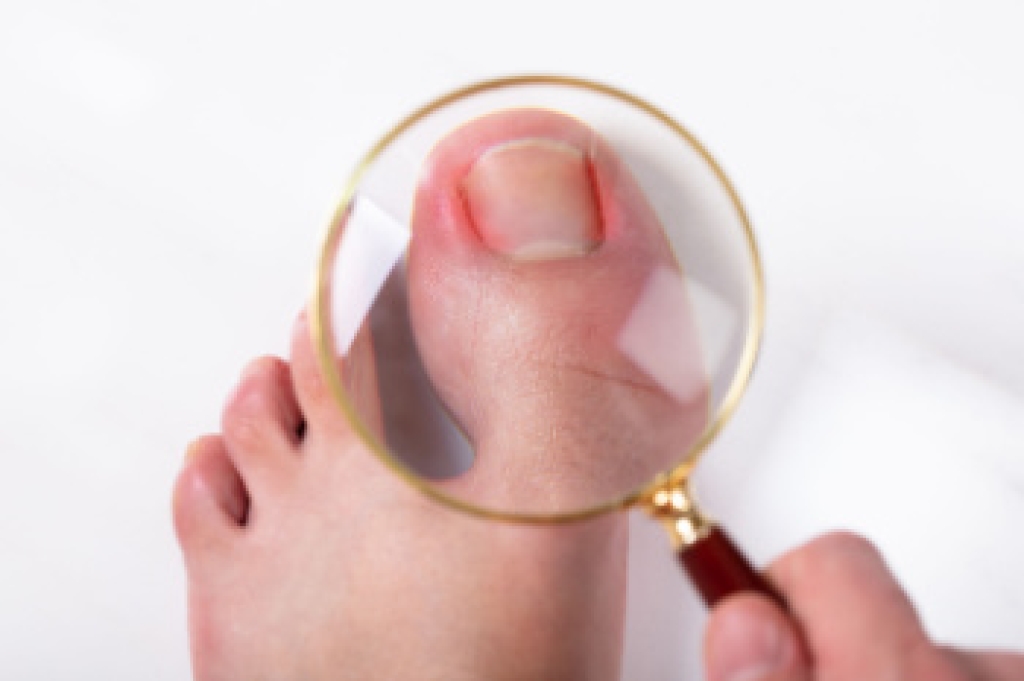
Ingrown toenails are caused when the corner or side of a toenail grows into the soft flesh surrounding it. They often result in redness, swelling, pain, and in some cases, infection. This condition typically affects the big toe and may recur if it is not treated properly.

Causes

  • Improper toenail trimming
  • Genetics
  • Improper shoe fitting
  • Injury from pedicures or nail picking
  • Abnormal gait
  • Poor hygiene

You are more likely to develop an ingrown toenail if you are obese, have diabetes, arthritis, or have any fungal infection in your nails. Additionally, people who have foot or toe deformities are at a higher risk of developing an ingrown toenail.

Symptoms

Some symptoms of ingrown toenails are redness, swelling, and pain. In rare cases, there may be a yellowish drainage coming from the nail.

Treatment

Ignoring an ingrown toenail can have serious complications. Infections of the nail border can progress to a deeper soft-tissue infection, which can then turn into a bone infection. You should always speak with your podiatrist if you suspect you have an ingrown toenail, especially if you have diabetes or poor circulation.

If you have any questions, please feel free to contact our office located in Passaic, NJ . We offer the newest diagnostic and treatment technologies for all your foot care needs.
Read more about Ingrown Toenails

Common Types and Causes of Heel Pain

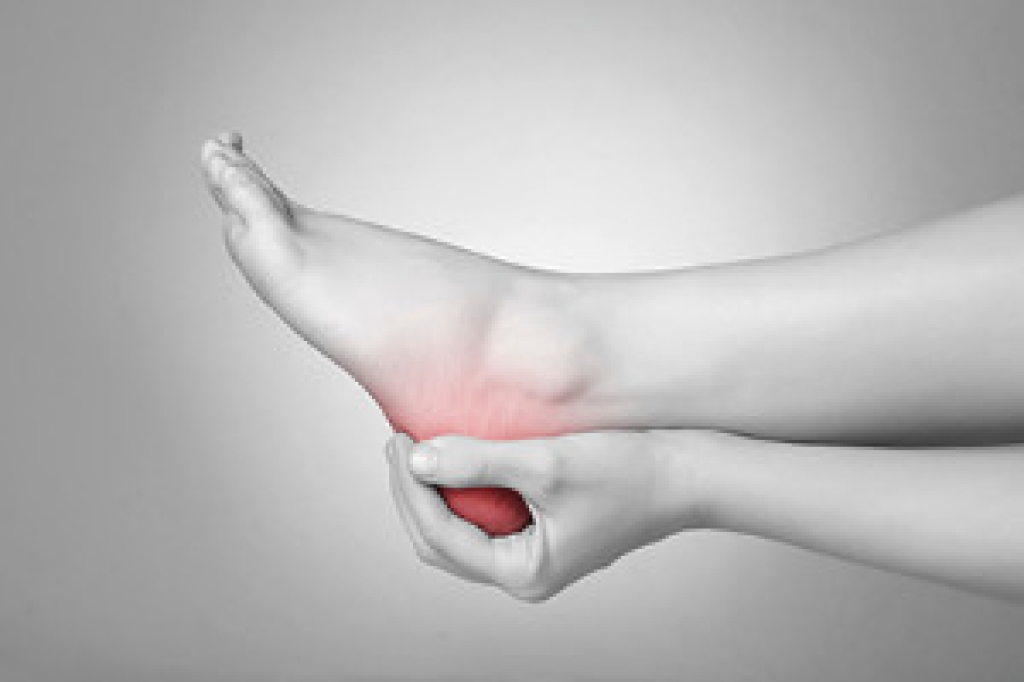
Heel pain is a widespread issue that can stem from various conditions, affecting different areas of the heel. One of the most common causes is plantar fasciitis, which occurs when the plantar fascia, a thick band of tissue running along the bottom of the foot, becomes inflamed. This condition often results in sharp pain at the bottom of the heel, particularly when taking the first steps in the morning. Another cause is heel spurs, which are bony growths that form on the heel bone, typically due to prolonged pressure or inflammation from plantar fasciitis. Heel pain can also affect the back or side of the heel. Achilles tendinitis, for example, causes pain in the back of the heel where the Achilles tendon attaches. Additionally, conditions like bursitis can lead to pain on the back or sides of the heel. If you have heel pain, it is suggested that you promptly contact a podiatrist who can accurately diagnose and offer a personalized treatment plan.

Many people suffer from bouts of heel pain. For more information, contact Anas Khoury, DPM of North Eastern Foot & Ankle Specialists. Our doctor can provide the care you need to keep you pain-free and on your feet.

Causes of Heel Pain

Heel pain is often associated with plantar fasciitis. The plantar fascia is a band of tissues that extends along the bottom of the foot. A rip or tear in this ligament can cause inflammation of the tissue.

Achilles tendonitis is another cause of heel pain. Inflammation of the Achilles tendon will cause pain from fractures and muscle tearing. Lack of flexibility is also another symptom.

Heel spurs are another cause of pain. When the tissues of the plantar fascia undergo a great deal of stress, it can lead to ligament separation from the heel bone, causing heel spurs.

Why Might Heel Pain Occur?

  • Wearing ill-fitting shoes                
  • Wearing non-supportive shoes
  • Weight change           
  • Excessive running

Treatments

Heel pain should be treated as soon as possible for immediate results. Keeping your feet in a stress-free environment will help. If you suffer from Achilles tendonitis or plantar fasciitis, applying ice will reduce the swelling. Stretching before an exercise like running will help the muscles. Using all these tips will help make heel pain a condition of the past.

If you have any questions, please feel free to contact our office located in Passaic, NJ . We offer the newest diagnostic and treatment technologies for all your foot care needs.
Read more about Heel Pain

Do Your Child's Feet Hurt?

Have your child's feet been examined lately? Healthy feet are happy feet. If your child is complaining of foot pain, it may be a sign of underlying problems.

Connect With Us