Hablamos Español

Are Foot Pain and Obesity Related?

People who are overweight may notice they have foot pain. The feet carry the weight of the body, and this type of pain may be reduced when excess weight is lost. It is beneficial to accomplish this by consuming a diet that is low in fat, and by practicing a frequent exercise routine. Research has indicated that approximately six times the body weight is felt in the ankle joints while climbing up steps. Arthritis in the feet may occur as a result of being overweight, and foot structure may be negatively affected. Common foot conditions that may happen to obese patients can include plantar fasciitis and inflammation of the tendon that is found on the inside of the ankle and foot. Additionally, a condition that is known as hindfoot arthritis affects the heel, and can radiate to the ball of the foot. If you have foot pain due to being overweight, please consult with a podiatrist who can offer you an effective weight loss plan which may provide foot pain relief.

Obesity has become very problematic at this point in time and can have extremely negative effects on the feet. If you’re an obese individual and are concerned about your feet, contact Anas Khoury, DPM from North Eastern Foot & Ankle Specialists. Our doctor can provide the care you need to keep you pain-free and on your feet.

Obesity and Your Feet

Since your feet are what support your entire weight when standing, any additional weight can result in pain and swelling. Being overweight is one of the main contributors to foot complications.

Problems & Complications

Extra Weight – Even putting on just a few extra pounds could create serious complications for your feet. As your weight increases, your balance and body will shift, creating new stresses on your feet. This uneven weight distribution can cause pain, even while doing the simplest tasks, such as walking.

Diabetes – People who are overweight are at serious risk of developing type-2 diabetes, which has a drastic impact on the health of your feet. As you get older, your diabetes might worsen, which could lead to loss of feeling in your feet, sores, and bruises. You could also become more prone to various infections.

Plantar fasciitis – Pressure and stress that is placed on muscles, joints, and tendons can trigger plantar fasciitis, which is an inflammation of tissue that forms along the bottom of the foot. 

If you have any questions, please feel free to contact our office located in Passaic, NJ . We offer the newest diagnostic and treatment technologies for all your foot care needs.

Read more about How Obesity Affects Your Feet

Shoes May Be a Source of Foot Pain While at Work

People who have foot pain at the end of the work day often realize it can be from the shoes they wear or from an inadequate work environment. There are some professions that require their employees to wear high heels, and this can have a negative impact on the feet and other areas of the body. If these types of shoes are mandatory to wear, it is beneficial to stretch the calves and toes as often as possible. Additionally, the feet can feel better when shoes that have a lower heel are worn while not working, which can give the feet and body a chance to rest. Research has shown that wearing incorrect footwear during the workday can lead to falling, and the sole of the foot may become cut or punctured. Shoes that are made of synthetic materials can cause the feet to sweat excessively, which may lead to developing a fungal infection. Many people find it helpful to keep a spare pair of shoes at work, and these can be changed when the feet begin to ache. If you would like more information about what type of shoes to wear at work that can prevent foot pain, please speak with a podiatrist. 

While working on the feet, it is important to take the proper care of them. For more information about working on your feet, contact Anas Khoury, DPM from North Eastern Foot & Ankle Specialists. Our doctor will treat your foot and ankle needs.

Working on Your Feet

Standing on your feet for long periods of time can cause stress and pain in your feet. Your whole body may experience change in terms of posture, back pain, bunions, callouses and or plantar warts. There are ways to avoid these conditions with proper foot care, smart choices and correct posture.

Positive Changes

Negative heeled shoe – Choosing this shoe type places the heel slightly lower than the ball of the foot. These are great for overall foot health. Find shoes that fit you correctly.

Go barefoot – Our feet were not designed to be enclosed for all hours of the day. Try to periodically expose your feet to air.

Eliminate Pain

Foot Exercises – Performing simple exercises, incorporating yoga and doing stretches are beneficial. This will allow increased blood flow to the area and muscles of the foot.

Achilles tendon – Stretching the foot out flat on the floor will relax the calf muscles and tendon. These exercises can be performed almost anywhere. Make sure you add these exercises to your daily regimen. 

With a little bit of this information and knowing more about foot health, you will notice changes. Foot stretches and proper footwear will help with pain and prevent further issues.

If you have any questions please contact our office located in Passaic, NJ . We offer the newest diagnostic and treatment technologies for all your foot and ankle needs.

Read more about Working on Your Feet

How Running Can Affect Your Toenails

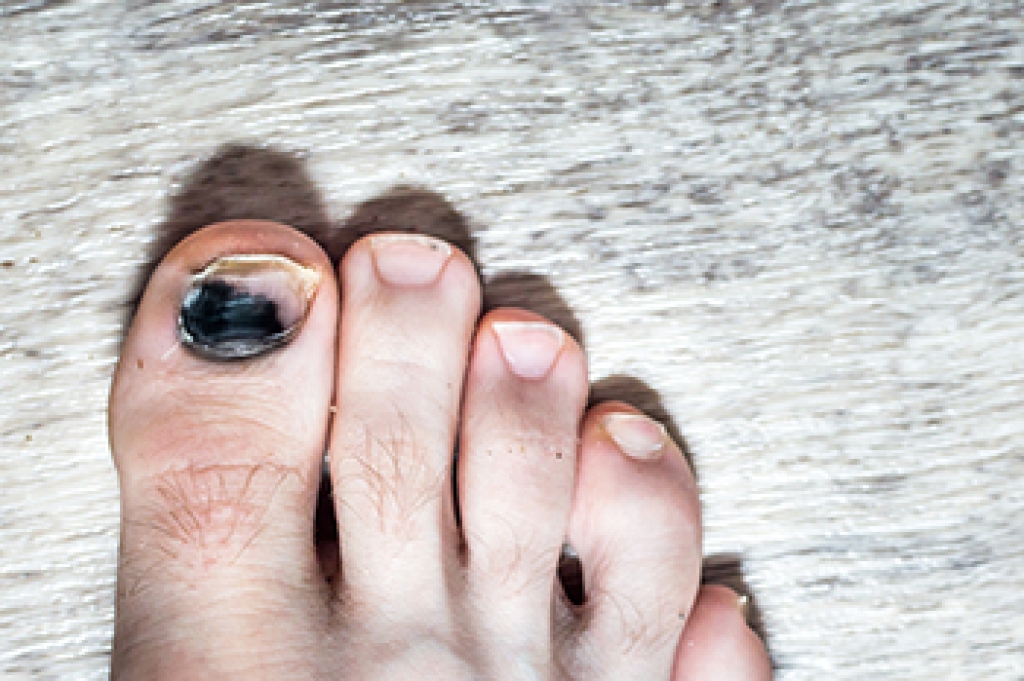
Throbbing pain in one or more toenails can make running an uncomfortable exercise. If your toenail turns black, blue, or gray after a long run, it can be a sign of bleeding underneath the nail. This condition is known as a subungual hematoma, more commonly as runner’s toe. If the toenail raises from the nail bed, it is likely to fall off, but eventually, a new nail will grow to replace it. The main reason for black toenails is the continued rubbing of the toe against the inside of the shoe. This is frequently the result of running downhill or wearing running shoes that don’t fit properly. Taking a break from running, and avoiding downhill terrain are suggested as ways to treat runner’s toe. If swelling and pain persist, it is a good idea to see a podiatrist for an examination. One possible treatment is to drain the fluid beneath the nail by drilling a hole in it, a procedure called trephination. Your podiatrist can suggest the proper treatment to get you back to running.

Exercising your feet regularly with the proper foot wear is a great way to prevent injuries. If you have any concerns about your feet, contact Anas Khoury, DPM of North Eastern Foot & Ankle Specialists. Our doctor will treat your foot and ankle needs.

How to Prevent Running Injuries

Many common running injuries are caused by overuse and overtraining. When the back of the kneecap starts wearing out and starts causing pain in your knee, this is commonly referred to as runner’s knee. Runner’s knee is a decrease in strength in your quadriceps and can occur if you’re not wearing properly fitted or supporting shoes. To prevent runner’s knee, focusing on hip strengthening is a good idea, as well as strengthening your quads to keep the kneecaps aligned.

What Are Some Causes of Running Injuries? 
- One cause of a common running injury is called iliotibial band syndrome.
- Plantar fasciitis is also another common injury.
- Stress fractures can occur from overtraining, lack of calcium, or even your running style.

Best Ways to Prevent Running Injuries
- Wear footwear that fits properly and suits your running needs.
- Running shoes are the only protective gear that runners have to safeguard them from injury.
- Make a training schedule. Adding strengthening exercises as well as regular stretching can help keep you strong and limber and can lessen the possibility of injuries.
- Stretching keeps muscles limber; this will help you gain better flexibility.

If you have any questions, please feel free to contact our office located in Passaic, NJ . We offer the newest diagnostic and treatment technologies for all your foot care needs.

Read more about How to Prevent Running Injuries

Do You Suffer From Painful Feet?

Painful deformities, such as hammertoes, can be treated. Stop living with foot pain, and have beautiful feet again!

Ways to Treat Toenail Fungus

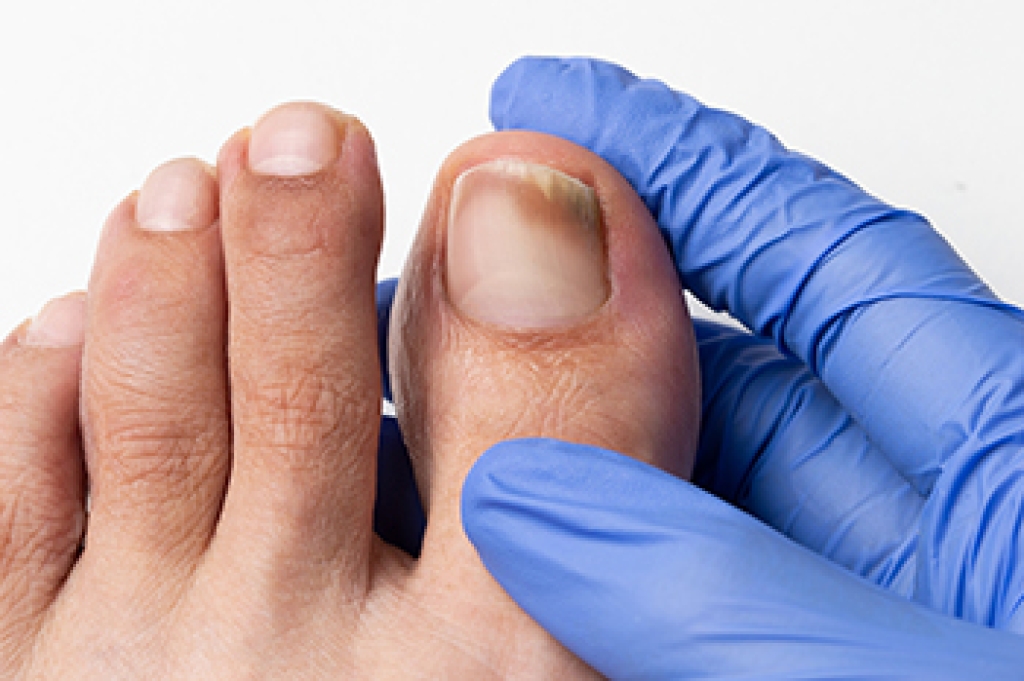
There are various ailments that can affect the toenails, and toenail fungus is considered to be the most common. Research has indicated that approximately 10 percent of adults suffer from this type of infection, and it can affect both feet. Common symptoms include yellowed toenails that can become brittle and may ultimately fall off. Toenail fungus is known to be challenging to treat, and often requires medical attention. The fungus that causes this unsightly condition lives and thrives in warm and moist environments, such as locker rooms, public swimming pools, and shower room floors. It can enter the body through small cuts in the feet of which the patient may be unaware of. Toenail fungus may easily be avoided when specific prevention methods are consistently followed. Wearing socks that are made of breathable materials, trimming the toenails correctly, and avoiding sharing shoes and socks may help in eliminating toenail fungus. Additionally, it is extremely beneficial to wear appropriate shoes while in these areas, which often includes flip flops or water shoes. If you are affected by toenail fungus, please consult a podiatrist who can effectively treat this condition. 

For more information about treatment, contact Anas Khoury, DPM of North Eastern Foot & Ankle Specialists. Our doctor can provide the care you need to keep you pain-free and on your feet.

Toenail Fungus Treatment

Toenail fungus is a condition that affects many people and can be especially hard to get rid of. Fortunately, there are several methods to go about treating and avoiding it.

Antifungals & Deterrence

Oral antifungal medicine has been shown to be effective in many cases. It is important to consult with a podiatrist to determine the proper regiment for you, or potentially explore other options.

Applying foot powder on the feet and shoes helps keep the feet free of moisture and sweat.

Sandals or open toed shoes – Wearing these will allow air movement and help keep feet dry. They also expose your feet to light, which fungus cannot tolerate. Socks with moisture wicking material also help as well.

If you have any questions please contact our office located in Passaic, NJ . We offer the newest diagnostic and treatment technologies for all your foot and ankle needs.

Read more about Toenail Fungus

Connect With Us