Hablamos Español

Children and Foot Facts

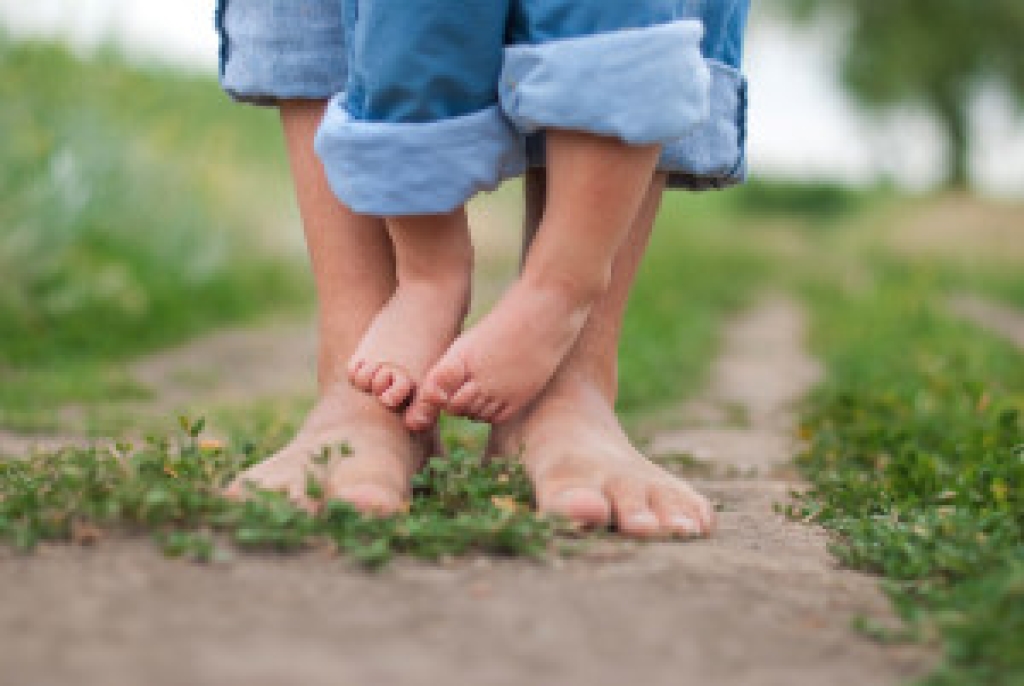
Many parents find it enjoyable to explain to their children various facts about their feet. It can begin with telling them that each foot has 26 bones, and it can take up to 13 years for children’s feet to become adult feet. Additionally, everyone has toeprints, just like fingerprints, and they are different for everybody. Another interesting fact is that there are over 200 bones in the body and a quarter of them are found in the feet. Older children may find it fascinating that their nerves travel from the feet to the brain at double the speed of a high-speed train. Some parents find their children can understand easier when they are compared to an animal. An example of this can be explaining that even monkeys have toenails that protect the ends of their toes. A podiatrist can provide you with more facts about the feet, so it is suggested that you speak with this type of doctor if you would like more information. 

The health of a child’s feet is vital to their overall well-being. If you have any questions regarding foot health, contact Anas Khoury, DPM of North Eastern Foot & Ankle Specialists. Our doctor can provide the care you need to keep you pain-free and on your feet.

Tips for Keeping Children's Feet Healthy

  • Make sure their shoes fit properly
  • Look for any signs of in-toeing or out-toeing
  • Check to see if they have Clubfoot (condition that affects your child’s foot and ankle, twisting the heel and toes inward) which is one of the most common nonmajor birth defects.
  • Lightly cover your baby’s feet (Tight covers may keep your baby from moving their feet freely, and could prevent normal development)
  • Allow your toddler to go shoeless (Shoes can be restricting for a young child’s foot)
  • Cut toenails straight across to avoid ingrown toenails
  • Keep your child’s foot clean and dry
  • Cover cuts and scrapes. Wash any scratches with soap and water and cover them with a bandage until they’ve healed.

If you have any questions, please feel free to contact our office located in Passaic, NJ . We offer the newest diagnostic and treatment technologies for all your foot care needs.

Read more about How to Care for Your Child's Feet

What Type of Shoes to Purchase for Work

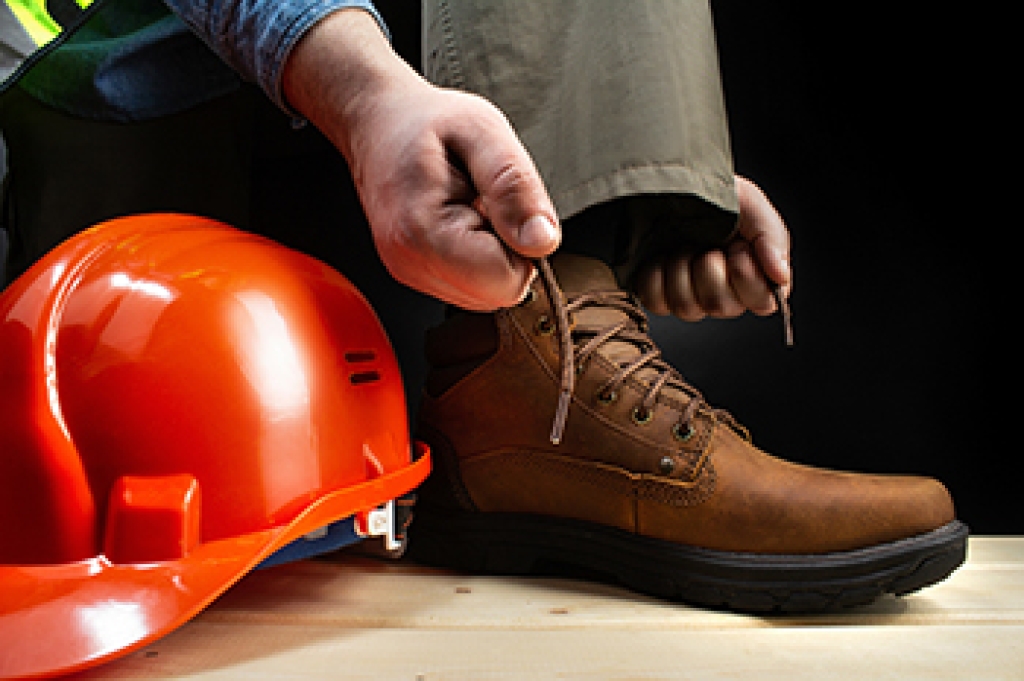
The majority of professions require that specific types of shoes are to be worn during the workday. These can include medical personnel, restaurant employees, and people who work on construction sites. The correct work shoes need to be comfortable and allow the toes to move freely. It is beneficial for people who wear high heels to ensure there is adequate shock absorption, in addition to being aware of the height of the heel. Many people who work in hospitals and medical offices opt to wear clogs, as they can protect the feet while standing for long periods. Employees who work on construction sites may benefit from wearing boots that can have a steel toe and non-slip soles. If you have questions about choosing what type of shoes to wear for work, it is suggested that you confer with a podiatrist who can guide you toward purchasing the appropriate type of shoes for your work needs.

While working on the feet, it is important to take the proper care of them. For more information about working on your feet, contact Anas Khoury, DPM from North Eastern Foot & Ankle Specialists. Our doctor will treat your foot and ankle needs.

Working on Your Feet

Standing on your feet for long periods of time can cause stress and pain in your feet. Your whole body may experience change in terms of posture, back pain, bunions, callouses and or plantar warts. There are ways to avoid these conditions with proper foot care, smart choices and correct posture.

Positive Changes

Negative heeled shoe – Choosing this shoe type places the heel slightly lower than the ball of the foot. These are great for overall foot health. Find shoes that fit you correctly.

Go barefoot – Our feet were not designed to be enclosed for all hours of the day. Try to periodically expose your feet to air.

Eliminate Pain

Foot Exercises – Performing simple exercises, incorporating yoga and doing stretches are beneficial. This will allow increased blood flow to the area and muscles of the foot.

Achilles tendon – Stretching the foot out flat on the floor will relax the calf muscles and tendon. These exercises can be performed almost anywhere. Make sure you add these exercises to your daily regimen. 

With a little bit of this information and knowing more about foot health, you will notice changes. Foot stretches and proper footwear will help with pain and prevent further issues.

If you have any questions please contact our office located in Passaic, NJ . We offer the newest diagnostic and treatment technologies for all your foot and ankle needs.

Read more about How to Handle a Long Work Day on Your Feet

Ways to Strengthen Ankle Ligaments

Because ankle injuries are commonly caused by sprained ligaments, it is a good idea to know what to do when a sprain occurs. The importance of full recovery from an ankle sprain cannot be emphasized enough. Experts suggest a number of actions that can help to restore ankle strength and stability. Rest the injured ankle, keep it elevated at a 45-degree angle as much as possible, and stay off it until it heals. Wrap the ankle to keep it stabilized and to prevent swelling, but avoid making it so tight that it cuts off blood flow to the feet. After the ankle heals, performing a few simple exercises can help strengthen the injured ligament. Pointing and flexing your toes about five to 10 times is one such exercise, and another is performing heel raises. This should be done while holding onto a chair for balance. A third is slowly going up and down stairs, which has the added benefit of burning calories and strengthening the thigh muscles. Before starting any type of ankle exercise after being injured, it is suggested that you check in with a podiatrist for an evaluation and further guidance.  

Although ankle sprains are common, they aren’t always minor injuries. If you need your ankle injury looked at, contact Anas Khoury, DPM from North Eastern Foot & Ankle Specialists. Our doctor can provide the care you need to keep you pain-free and on your feet.

How Does an Ankle Sprain Occur?

Ankle sprains are the result of a tear in the ligaments within the ankle. These injuries may happen when you make a rapid shifting movement while your foot is planted. A less common way to sprain your ankle is when your ankle rolls inward while your foot turns outward.

What Are the Symptoms?

  • Pain at the sight of the tear
  • Bruising/Swelling
  • Ankle area is tender to touch
  • In severe cases, may hear/feel something tear
  • Skin discoloration

Preventing a Sprain

  • Wearing appropriate shoes for the occasion
  • Stretching before exercises and sports
  • Knowing your limits

Treatment of a Sprain

In many cases, the RICE method (Rest, Ice, Compression, and Elevate) is used to treat ankle sprains. However, you should see a podiatrist to see which treatment option would work best with your injury. In severe cases, surgery may be required.

It is important to ask your doctor about rehab options after you receive treatment for your injury. Stretching, strength training, and balance exercises may help the ankle heal while also preventing further injury.

If you have any questions, please feel free to contact our office located in Passaic, NJ . We offer the newest diagnostic and treatment technologies for all your foot care needs.
Read more about Three Grades of Ankle Sprains

How Is Cuboid Syndrome Treated?

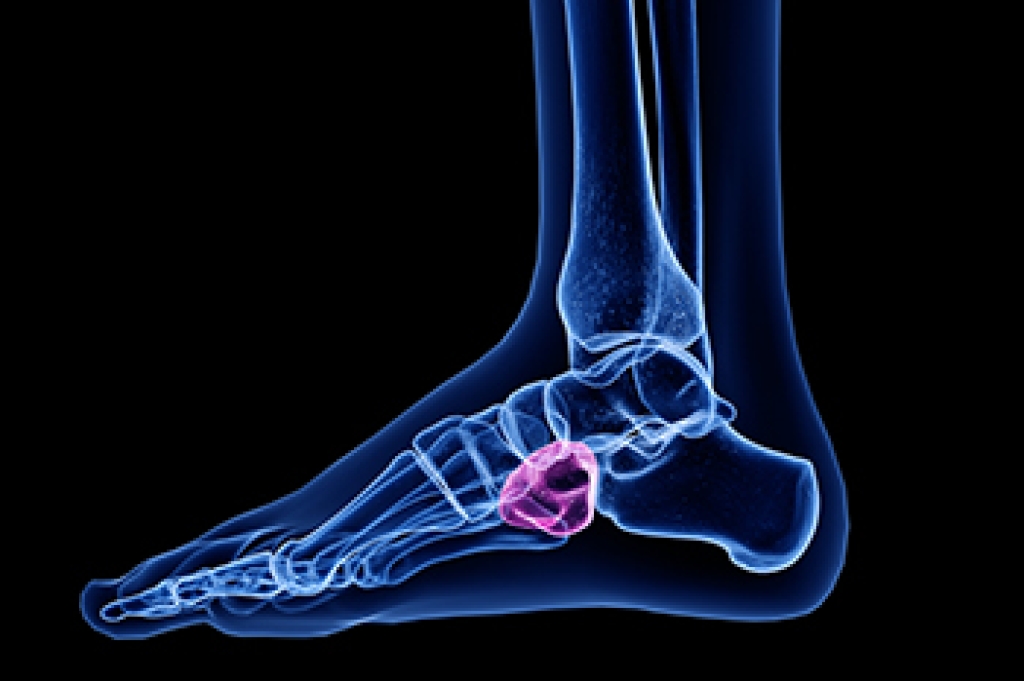
The cuboid bone is located on the outside of the foot, and cuboid syndrome can develop if this bone becomes injured or displaced. People who have suffered an ankle sprain may get cuboid syndrome, in addition to athletes who are involved in tennis or basketball. The quick stop and go of the foot while participating in these types of activities may cause the cuboid bone to shift. Cuboid syndrome may also affect ballet dancers who have poor alignment, possibly causing pressure on the foot. Common symptoms that many patients experience can include severe pain, and their gait, or walking pattern may be altered. Treatment can include wearing a specific type of orthotic and performing certain exercises several times throughout the day. Additionally, cuboid syndrome may be treated by manipulating the cuboid bone back into place. If you have foot pain, it is strongly suggested that you consult with a podiatrist who can accurately diagnose and treat cuboid syndrome.

Cuboid syndrome, also known as cuboid subluxation, occurs when the joints and ligaments near the cuboid bone in the foot become torn. If you have cuboid syndrome, consult with Anas Khoury, DPM from North Eastern Foot & Ankle Specialists. Our doctor will assess your condition and provide you with quality foot and ankle treatment.

Cuboid syndrome is a common cause of lateral foot pain, which is pain on the outside of the foot. The condition may happen suddenly due to an ankle sprain, or it may develop slowly overtime from repetitive tension through the bone and surrounding structures.

Causes

The most common causes of cuboid syndrome include:

  • Injury – The most common cause of this ailment is an ankle sprain.
  • Repetitive Strain – Tension placed through the peroneus longus muscle from repetitive activities such as jumping and running may cause excessive traction on the bone causing it to sublux.
  • Altered Foot Biomechanics – Most people suffering from cuboid subluxation have flat feet.

Symptoms

A common symptom of cuboid syndrome is pain along the outside of the foot which can be felt in the ankle and toes. This pain may create walking difficulties and may cause those with the condition to walk with a limp.

Diagnosis

Diagnosis of cuboid syndrome is often difficult, and it is often misdiagnosed. X-rays, MRIs and CT scans often fail to properly show the cuboid subluxation. Although there isn’t a specific test used to diagnose cuboid syndrome, your podiatrist will usually check if pain is felt while pressing firmly on the cuboid bone of your foot.

Treatment

Just as the range of causes varies widely, so do treatments. Some more common treatments are ice therapy, rest, exercise, taping, and orthotics.

If you have any questions, please feel free to contact our office located in Passaic, NJ . We offer the newest diagnostic and treatment technologies for all your foot care needs.
Read more about All About Cuboid Syndrome

Wounds That Don't Heal Need to Be Checked

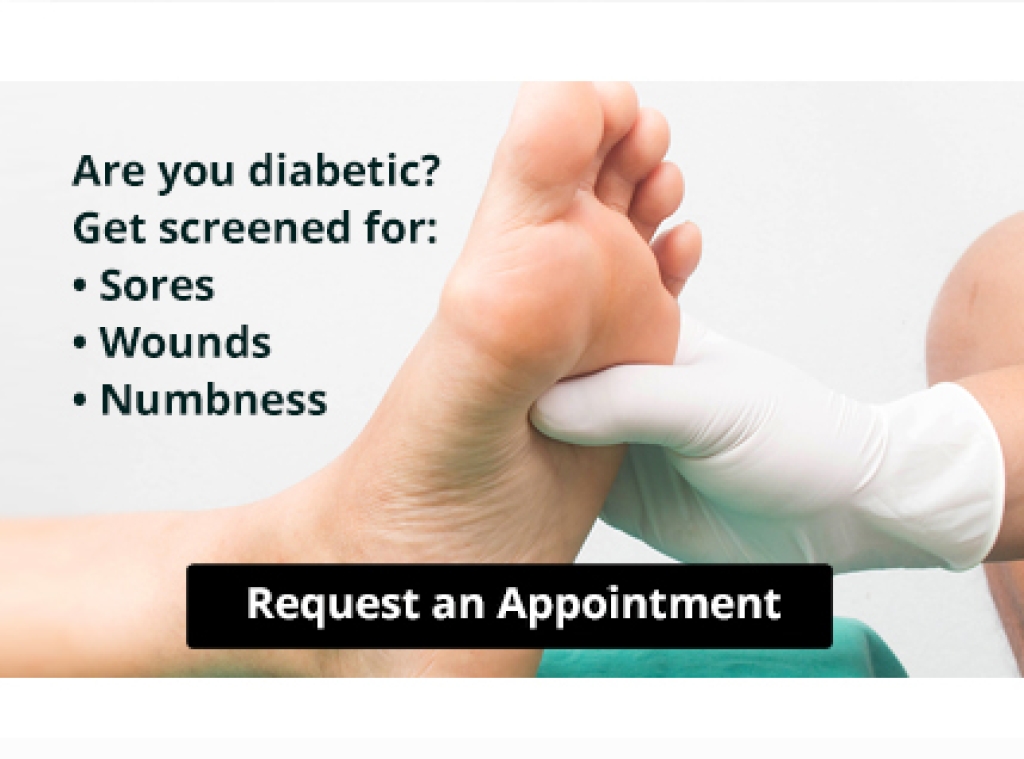
Your feet are covered most of the day. If you're diabetic, periodic screening is important for good health. Numbness is often a sign of diabetic foot and can mask a sore or wound.

Connect With Us