
Hablamos Español

Strategies for Preventing Falls in the Workplace

In any workplace, the safety and well-being of employees are paramount, and preventing falls is a key aspect of maintaining a secure environment. Employers can implement various strategies to mitigate the risk of falls and minimize potential injuries. One effective method is to maintain a clean and organized workspace, free from clutter or obstacles that could cause tripping hazards. Ensuring proper lighting throughout the premises enhances visibility and reduces the likelihood of missteps. Additionally, installing handrails, guardrails, or non-slip surfaces in areas prone to falls, such as staircases or slippery floors, provides essential support and stability. Regular maintenance of equipment and infrastructure also plays a vital role in preventing accidents. Additionally, comprehensive employee training programs on fall prevention techniques and safety protocols empower workers to identify risks and take proactive measures. If you have a foot injury as a result of falling during your workday, it is suggested that you consult a podiatrist who can offer effective treatment options.

Preventing falls among the elderly is very important. If you are older and have fallen or fear that you are prone to falling, consult with Anas Khoury, DPM from North Eastern Foot & Ankle Specialists. Our doctor will assess your condition and provide you with quality advice and care.

Every 11 seconds, an elderly American is being treated in an emergency room for a fall related injury. Falls are the leading cause of head and hip injuries for those 65 and older. Due to decreases in strength, balance, senses, and lack of awareness, elderly persons are very susceptible to falling. Thankfully, there are a number of things older persons can do to prevent falls.

How to Prevent Falls

Some effective methods that older persons can do to prevent falls include:

  • Enrolling in strength and balance exercise program to increase balance and strength
  • Periodically having your sight and hearing checked
  • Discuss any medications you have with a doctor to see if it increases the risk of falling
  • Clearing the house of falling hazards and installing devices like grab bars and railings
  • Utilizing a walker or cane
  • Wearing shoes that provide good support and cushioning
  • Talking to family members about falling and increasing awareness

Falling can be a traumatic and embarrassing experience for elderly persons; this can make them less willing to leave the house, and less willing to talk to someone about their fears of falling. Doing such things, however, will increase the likelihood of tripping or losing one’s balance. Knowing the causes of falling and how to prevent them is the best way to mitigate the risk of serious injury.  

If you have any questions, please feel free to contact our office located in Passaic, NJ . We offer the newest diagnostic and treatment technologies for all your foot care needs.
Read more about Falls Prevention

When Surgery Is Needed for Heel Spurs

When conservative treatments prove ineffective in easing the discomfort, inflammation, and swelling associated with heel spurs, surgery emerges as a viable solution. These outgrowths on the heel bone, medically termed calcaneal spurs, can cause significant pain and impede mobility. The decision to pursue surgery hinges not solely on the size or presence of the spur, but rather on the persistence of pain resistant to treatment. Podiatrists typically advocate for surgery when symptoms persist despite six months of non-surgical interventions. Two primary approaches exist for heel spur surgery, which are known as open surgery and endoscopic surgery. Open surgery entails larger incisions and is generally employed to excise entire spurs. Endoscopic surgery employs smaller incisions, fostering quicker recovery and fewer complications. The surgical procedure may vary depending on the spur's location, whether it is inferior or posterior. Inferior heel spurs often coexist with plantar fasciitis and are addressed through plantar fasciotomy. Posterior heel spurs near the Achilles tendon may necessitate more intricate procedures, especially if the spur is deeply embedded within the Achilles tendon. While heel spur surgery has a high success rate, it also carries risks of nerve injury, foot instability, and acquired flat feet. If you are in pain from a heel spur, it is suggested that you consult a podiatrist who can determine what the best course of treatment is for you.

Heel spurs can be incredibly painful and sometimes may make you unable to participate in physical activities. To get medical care for your heel spurs, contact Anas Khoury, DPM from North Eastern Foot & Ankle Specialists. Our doctor will do everything possible to treat your condition.

Heels Spurs

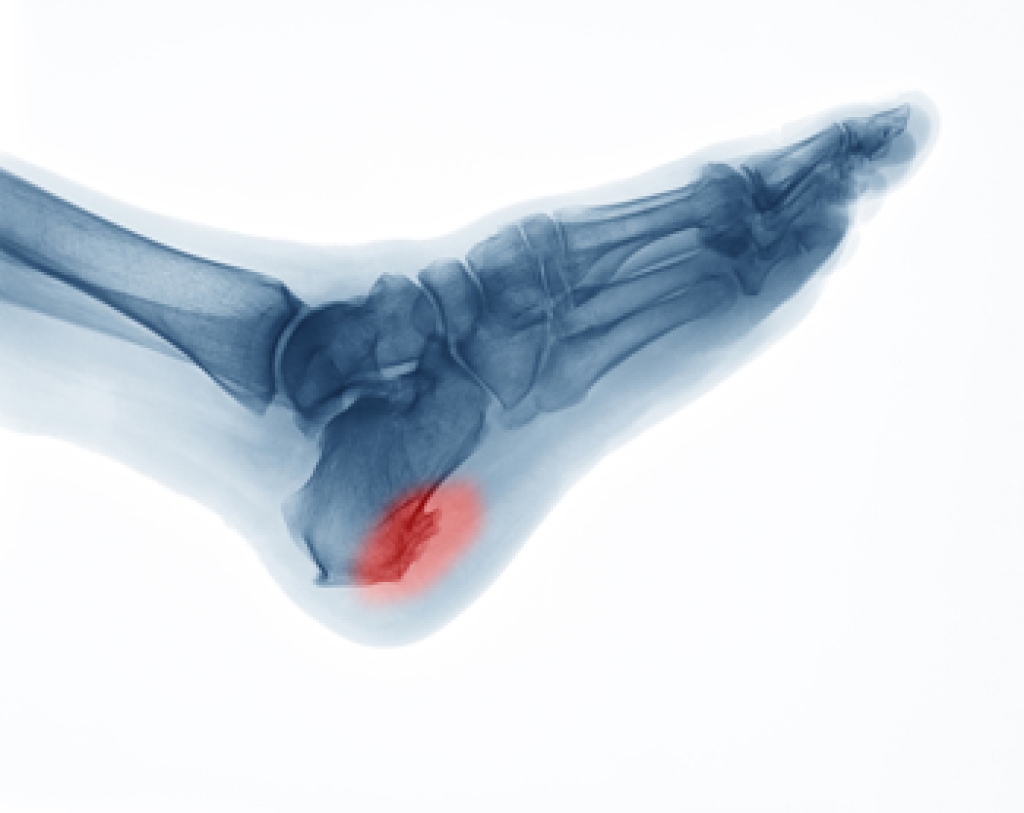
Heel spurs are formed by calcium deposits on the back of the foot where the heel is. This can also be caused by small fragments of bone breaking off one section of the foot, attaching onto the back of the foot. Heel spurs can also be bone growth on the back of the foot and may grow in the direction of the arch of the foot.

Older individuals usually suffer from heel spurs and pain sometimes intensifies with age. One of the main condition's spurs are related to is plantar fasciitis.

Pain

The pain associated with spurs is often because of weight placed on the feet. When someone is walking, their entire weight is concentrated on the feet. Bone spurs then have the tendency to affect other bones and tissues around the foot. As the pain continues, the feet will become tender and sensitive over time.

Treatments

There are many ways to treat heel spurs. If one is suffering from heel spurs in conjunction with pain, there are several methods for healing. Medication, surgery, and herbal care are some options.

If you have any questions, please feel free to contact our office located in Passaic, NJ . We offer the newest diagnostic and treatment technologies for all your foot care needs.
Read more about Heel Spurs

We Can Treat Your Foot or Ankle Pain

Foot or ankle pain can negatively affect your day-to-day life and can occur due to several different conditions. Pain can also be an indicator of a more serious underlying condition, which is why you should seek professional help as soon as you notice any abnormalities in your feet.

Three Types of Corns on the Feet

Corns are identified as patches of thickened skin and are a common foot problem that can cause discomfort and pain if left untreated. Understanding different types of corns can help in effectively managing and preventing them. Hard corns, the most prevalent type, typically develop on the tops and sides of toes or weight-bearing areas of the foot. These corns are compact and dense, often caused by friction or pressure from wearing ill-fitting shoes or repetitive motion. Conversely, soft corns tend to form between toes where sweat and moisture accumulate. These corns are softer in texture and can be more painful due to increased moisture levels. Finally, seed corns are tiny, discrete corns that often appear on the bottom of the foot. They are generally painless but can cause discomfort when walking. If you have a corn on your foot, it is suggested that you consult a podiatrist who can identify which type it is, and offer you correct treatment solutions.

Corns can make walking very painful and should be treated immediately. If you have questions regarding your feet and ankles, contact Anas Khoury, DPM of North Eastern Foot & Ankle Specialists. Our doctor will treat your foot and ankle needs.

Corns: What Are They? And How Do You Get Rid of Them?
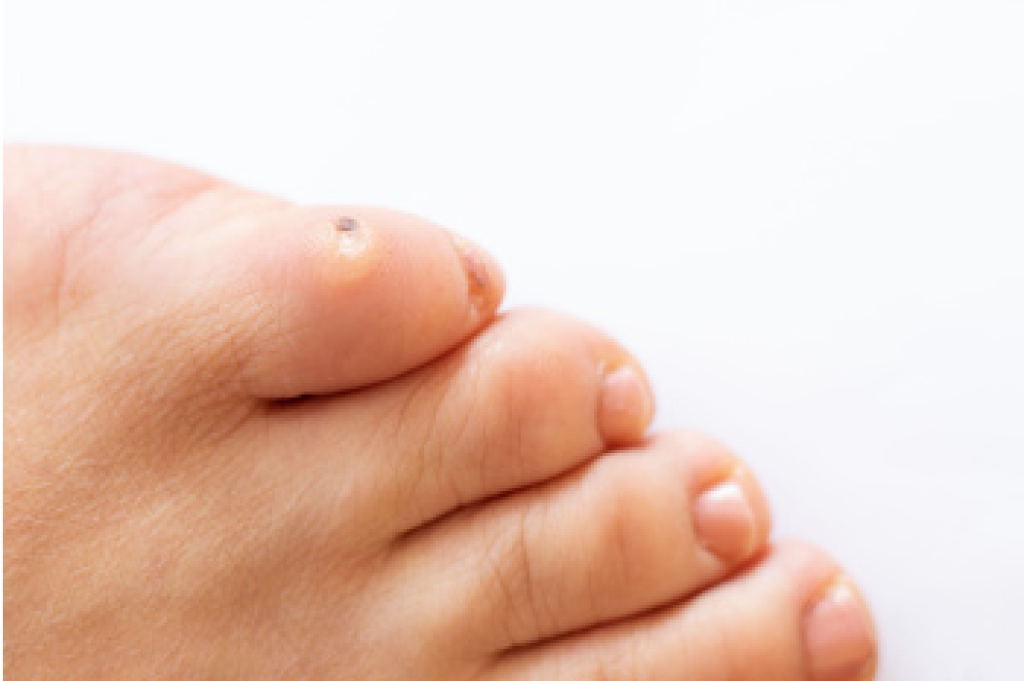
Corns are thickened areas on the skin that can become painful. They are caused by excessive pressure and friction on the skin. Corns press into the deeper layers of the skin and are usually round in shape.

Ways to Prevent Corns
There are many ways to get rid of painful corns such as:

  • Wearing properly fitting shoes that have been measured by a professional
  • Wearing shoes that are not sharply pointed or have high heels
  • Wearing only shoes that offer support

Treating Corns

Although most corns slowly disappear when the friction or pressure stops, this isn’t always the case. Consult with your podiatrist to determine the best treatment option for your case of corns.

If you have any questions, please feel free to contact our office located in Passaic, NJ . We offer the newest diagnostic and treatment technologies for all your foot care needs.

Read more about Corns and Calluses

Custom Orthotics Seasonal - Any Season

Rain or shine, snow or sleet, Custom Orthotics have your feet covered! As the seasons change, ensure your steps remain comfortable and supported. Custom Orthotics adapt to your footwear, from summer sandals to winter boots, providing consistent relief and alignment. Don't let the changing weather dictate your foot comfort. Step confidently year-round and experience the difference with Custom Orthotics. Call today for more information.

Connect With Us