Hablamos Español

How Running Can Affect Your Toenails

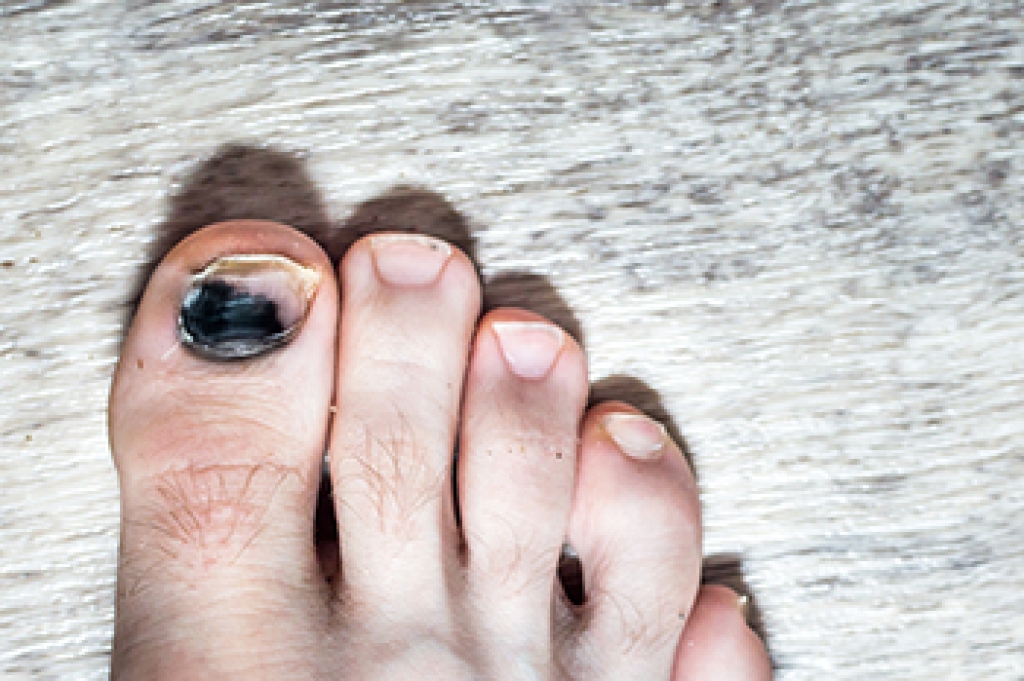
Throbbing pain in one or more toenails can make running an uncomfortable exercise. If your toenail turns black, blue, or gray after a long run, it can be a sign of bleeding underneath the nail. This condition is known as a subungual hematoma, more commonly as runner’s toe. If the toenail raises from the nail bed, it is likely to fall off, but eventually, a new nail will grow to replace it. The main reason for black toenails is the continued rubbing of the toe against the inside of the shoe. This is frequently the result of running downhill or wearing running shoes that don’t fit properly. Taking a break from running, and avoiding downhill terrain are suggested as ways to treat runner’s toe. If swelling and pain persist, it is a good idea to see a podiatrist for an examination. One possible treatment is to drain the fluid beneath the nail by drilling a hole in it, a procedure called trephination. Your podiatrist can suggest the proper treatment to get you back to running.

Exercising your feet regularly with the proper foot wear is a great way to prevent injuries. If you have any concerns about your feet, contact Anas Khoury, DPM of North Eastern Foot & Ankle Specialists. Our doctor will treat your foot and ankle needs.

How to Prevent Running Injuries

Many common running injuries are caused by overuse and overtraining. When the back of the kneecap starts wearing out and starts causing pain in your knee, this is commonly referred to as runner’s knee. Runner’s knee is a decrease in strength in your quadriceps and can occur if you’re not wearing properly fitted or supporting shoes. To prevent runner’s knee, focusing on hip strengthening is a good idea, as well as strengthening your quads to keep the kneecaps aligned.

What Are Some Causes of Running Injuries? 
- One cause of a common running injury is called iliotibial band syndrome.
- Plantar fasciitis is also another common injury.
- Stress fractures can occur from overtraining, lack of calcium, or even your running style.

Best Ways to Prevent Running Injuries
- Wear footwear that fits properly and suits your running needs.
- Running shoes are the only protective gear that runners have to safeguard them from injury.
- Make a training schedule. Adding strengthening exercises as well as regular stretching can help keep you strong and limber and can lessen the possibility of injuries.
- Stretching keeps muscles limber; this will help you gain better flexibility.

If you have any questions, please feel free to contact our office located in Passaic, NJ . We offer the newest diagnostic and treatment technologies for all your foot care needs.

Read more about How to Prevent Running Injuries

Do You Suffer From Painful Feet?

Painful deformities, such as hammertoes, can be treated. Stop living with foot pain, and have beautiful feet again!

Ways to Treat Toenail Fungus

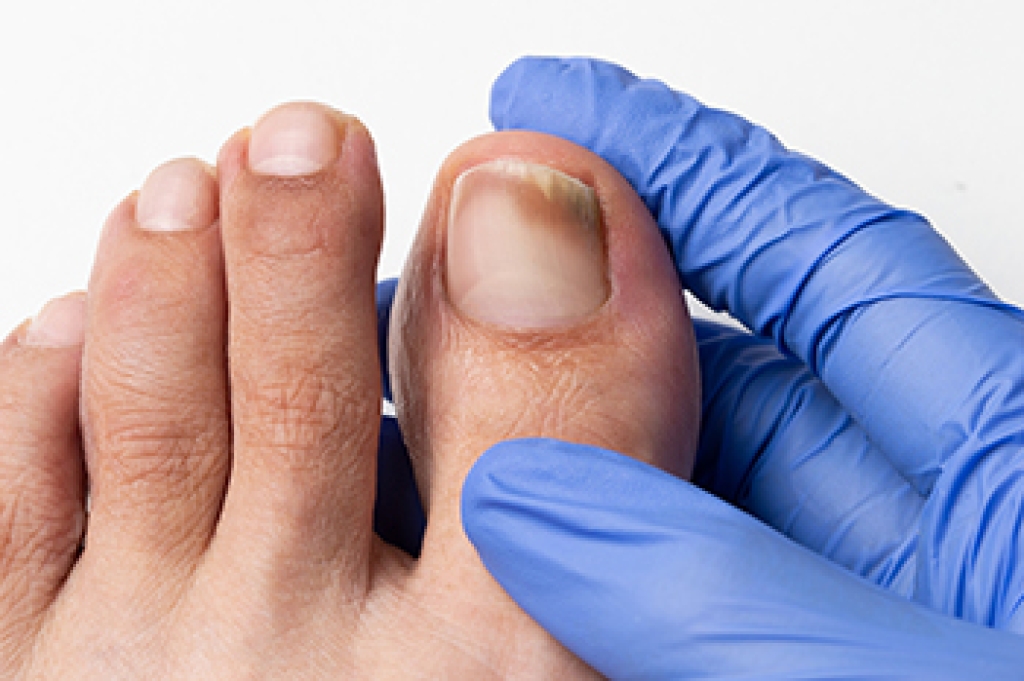
There are various ailments that can affect the toenails, and toenail fungus is considered to be the most common. Research has indicated that approximately 10 percent of adults suffer from this type of infection, and it can affect both feet. Common symptoms include yellowed toenails that can become brittle and may ultimately fall off. Toenail fungus is known to be challenging to treat, and often requires medical attention. The fungus that causes this unsightly condition lives and thrives in warm and moist environments, such as locker rooms, public swimming pools, and shower room floors. It can enter the body through small cuts in the feet of which the patient may be unaware of. Toenail fungus may easily be avoided when specific prevention methods are consistently followed. Wearing socks that are made of breathable materials, trimming the toenails correctly, and avoiding sharing shoes and socks may help in eliminating toenail fungus. Additionally, it is extremely beneficial to wear appropriate shoes while in these areas, which often includes flip flops or water shoes. If you are affected by toenail fungus, please consult a podiatrist who can effectively treat this condition. 

For more information about treatment, contact Anas Khoury, DPM of North Eastern Foot & Ankle Specialists. Our doctor can provide the care you need to keep you pain-free and on your feet.

Toenail Fungus Treatment

Toenail fungus is a condition that affects many people and can be especially hard to get rid of. Fortunately, there are several methods to go about treating and avoiding it.

Antifungals & Deterrence

Oral antifungal medicine has been shown to be effective in many cases. It is important to consult with a podiatrist to determine the proper regiment for you, or potentially explore other options.

Applying foot powder on the feet and shoes helps keep the feet free of moisture and sweat.

Sandals or open toed shoes – Wearing these will allow air movement and help keep feet dry. They also expose your feet to light, which fungus cannot tolerate. Socks with moisture wicking material also help as well.

If you have any questions please contact our office located in Passaic, NJ . We offer the newest diagnostic and treatment technologies for all your foot and ankle needs.

Read more about Toenail Fungus

What Is a Ganglion Cyst?

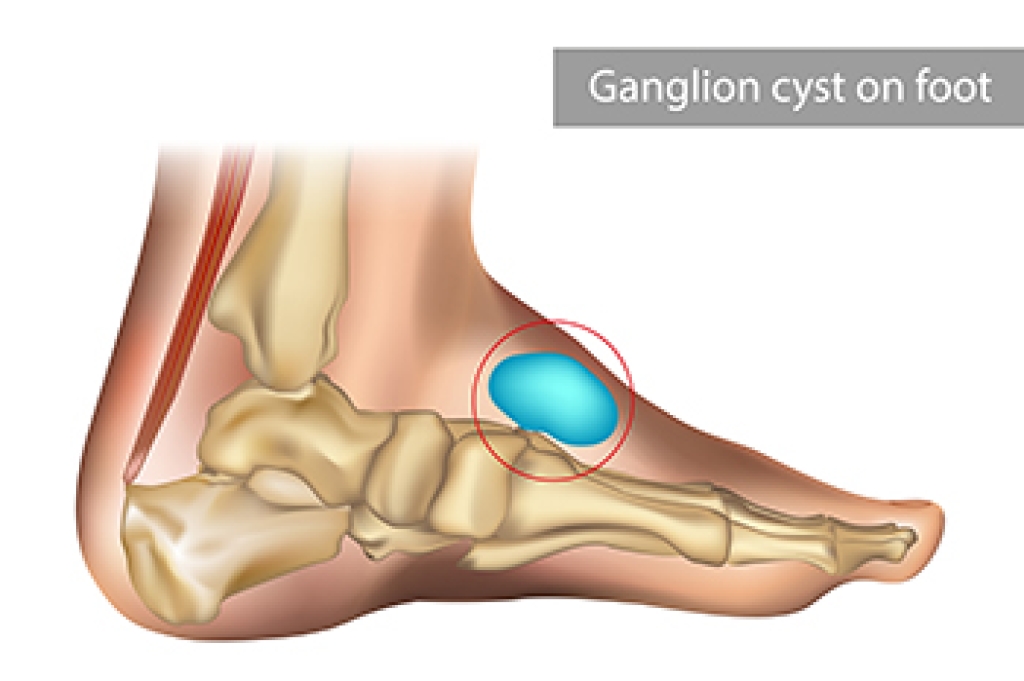
A ganglion cyst is a non-cancerous lump filled with a gel-like fluid. Ganglion cysts typically develop along a tendon or joint, such as the ankle or on the top of the foot. It is generally not painful, unless it presses on a nearby nerve. This non-cancerous growth may appear round or oval, and its location may inhibit foot or ankle movement. A ganglion cyst usually develops over time, often as the result of repeated irritation. This causes fluid to leak out from a tendon tunnel and begin to swell under the skin. Formation of a ganglion cyst also may be the result of trauma or an underlying medical condition, such as arthritis. A podiatrist can draw fluid from a cyst as well as do imaging tests to determine what it is and what may be causing it. Often a ganglion cyst will simply go away on its own, but it can be treated if it is causing pain or irritation. Treatment options include drawing out the fluid and injecting anti-inflammatory medication, and removing the cyst entirely. If you think you may have developed a ganglion cyst, please consult a podiatrist for a diagnostic test and treatment plan.

Foot Pain

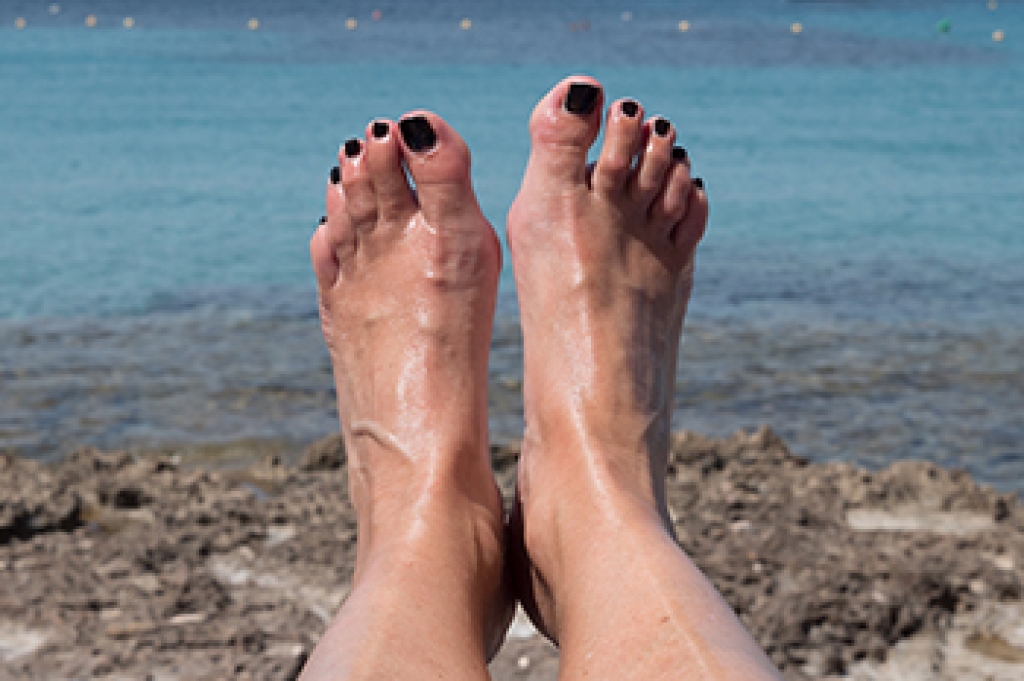
Foot pain can be extremely painful and debilitating. If you have a foot pain, consult with Anas Khoury, DPM from North Eastern Foot & Ankle Specialists. Our doctor will assess your condition and provide you with quality foot and ankle treatment.

Causes

Foot pain is a very broad condition that could be caused by one or more ailments. The most common include:

  • Bunions
  • Hammertoes
  • Plantar Fasciitis
  • Bone Spurs
  • Corns
  • Tarsal Tunnel Syndrome
  • Ingrown Toenails
  • Arthritis (such as Gout, Rheumatoid, and Osteoarthritis)
  • Flat Feet
  • Injury (from stress fractures, broken toe, foot, ankle, Achilles tendon ruptures, and sprains)
  • And more

Diagnosis

To figure out the cause of foot pain, podiatrists utilize several different methods. This can range from simple visual inspections and sensation tests to X-rays and MRI scans. Prior medical history, family medical history, and any recent physical traumatic events will all be taken into consideration for a proper diagnosis.

Treatment

Treatment depends upon the cause of the foot pain. Whether it is resting, staying off the foot, or having surgery; podiatrists have a number of treatment options available for foot pain.

If you have any questions, please feel free to contact our office located in Passaic, NJ . We offer the newest diagnostic and treatment technologies for all your foot care needs.
Read more about Foot Pain

How Do the Foot Arches Work?

The arches of the feet are critical components, and understanding how they work could be interesting or helpful to patients. Importantly, there are three arches in the foot, namely, the medial longitudinal arch, the lateral longitudinal arch, and the transverse arch. The arches of the feet play an important role in bearing the weight of the human body. For example, the arches (especially the lateral longitudinal arch) help distribute weight throughout the bones in the feet. Additionally, the medial longitudinal arch assists the body in movement by propelling the feet when walking and jumping. Each of these arches are formed by a different combination of bones, ligaments, and muscles in the feet. Maintaining the health of the arches can be important, because certain foot conditions, particularly with plantar fasciitis, can make them feel painful. Schedule an appointment with a podiatrist today to learn more about the arches of the foot.

If you have any concerns about your feet, contact Anas Khoury, DPM from North Eastern Foot & Ankle Specialists. Our doctor can provide the care you need to keep you pain-free and on your feet.

Biomechanics in Podiatry

Podiatric biomechanics is a particular sector of specialty podiatry with licensed practitioners who are trained to diagnose and treat conditions affecting the foot, ankle and lower leg. Biomechanics deals with the forces that act against the body, causing an interference with the biological structures. It focuses on the movement of the ankle, the foot and the forces that interact with them.

A History of Biomechanics

  • Biomechanics dates back to the BC era in Egypt where evidence of professional foot care has been recorded.
  • In 1974, biomechanics gained a higher profile from the studies of Merton Root, who claimed that by changing or controlling the forces between the ankle and the foot, corrections or conditions could be implemented to gain strength and coordination in the area.

Modern technological improvements are based on past theories and therapeutic processes that provide a better understanding of podiatric concepts for biomechanics. Computers can provide accurate information about the forces and patterns of the feet and lower legs.

Understanding biomechanics of the feet can help improve and eliminate pain, stopping further stress to the foot.

If you have any questions please feel free to contact our office located in Passaic, NJ . We offer the newest diagnostic and treatment technologies for all your foot and ankle needs.

Read more about The Importance of Biomechanics in Podiatry

Golf Foot Injuries

Sometimes, athletes who engage in a particular sport can increase their likelihood of developing a specific kind of injury. Different sports make certain injuries more likely than others due to the nature of the the activities that the athletes engage in. For example, individuals who play golf may be particularly susceptible to aggravating heel pain, or plantar fasciitis, because of the significant amount of walking around the golf course they do. Additionally, golfers can sometimes put excessive strain on the ball of their feet. This is because when swinging the golf club, the ball of the foot pivots to help the club complete the full swing. This strain on the ball of the foot can increase the chances of developing a condition called sesamoiditis, which is the inflammation of tendons around the sesamoid bones underneath the joint of the big toe. If you are a golfer and are experiencing any of these painful foot conditions, it is wise to schedule an appointment with a podiatrist.

Sports related foot and ankle injuries require proper treatment before players can go back to their regular routines. For more information, contact Anas Khoury, DPM of North Eastern Foot & Ankle Specialists. Our doctor can provide the care you need to keep you pain-free and on your feet.

Sports Related Foot and Ankle Injuries

Foot and ankle injuries are a common occurrence when it comes to athletes of any sport. While many athletes dismiss the initial aches and pains, the truth is that ignoring potential foot and ankle injuries can lead to serious problems. As athletes continue to place pressure and strain the area further, a mild injury can turn into something as serious as a rupture and may lead to a permanent disability. There are many factors that contribute to sports related foot and ankle injuries, which include failure to warm up properly, not providing support or wearing bad footwear. Common injuries and conditions athletes face, including:

  • Plantar Fasciitis
  • Achilles Tendinitis
  • Achilles Tendon Rupture
  • Ankle Sprains

Sports related injuries are commonly treated using the RICE method. This includes rest, applying ice to the injured area, compression and elevating the ankle. More serious sprains and injuries may require surgery, which could include arthroscopic and reconstructive surgery. Rehabilitation and therapy may also be required in order to get any recovering athlete to become fully functional again. Any unusual aches and pains an athlete sustains must be evaluated by a licensed, reputable medical professional.

If you have any questions please contact our office located in Passaic, NJ . We offer the newest diagnostic and treatment technologies for all your foot and ankle needs.

Read more about Sports Related Foot And Ankle Injuries

We Can Treat Your Foot or Ankle Pain

Foot or ankle pain can negatively affect your day-to-day life and can occur due to several different conditions. Pain can also be an indicator of a more serious underlying condition, which is why you should seek professional help as soon as you notice any abnormalities in your feet.

A Heel Spur May Be Misdiagnosed

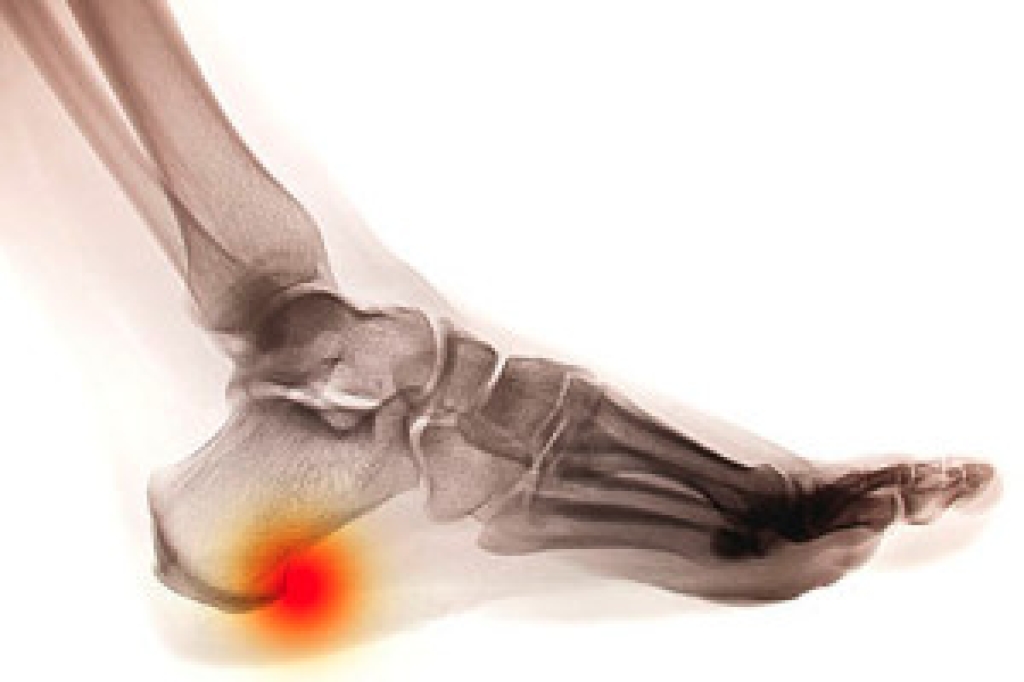
As small as a heel spur is, it can bring severe pain and discomfort to the patient. It is a bony protrusion that may be pointed and is found underneath the heel. It is a calcium build-up, and can gradually come from wearing shoes that do not fit correctly. Many times a heel spur may be misdiagnosed as plantar fasciitis, which is another condition that affects the heel. A diagnosis consists of undergoing an examination that can determine how tender the heel is, in addition to possibly having an X-ray taken. There are patients who find mild relief when anti-inflammatory medications are taken, despite being a temporary fix. Another option that may be considered are custom-made orthotics, and these may help to diminish pressure on the Achilles tendon. If you have heel pain, it is strongly suggested that a podiatrist is consulted who can determine what the cause is, and offer correct treatment options. 

Heel spurs can be incredibly painful and sometimes may make you unable to participate in physical activities. To get medical care for your heel spurs, contact Anas Khoury, DPM from North Eastern Foot & Ankle Specialists. Our doctor will do everything possible to treat your condition.

Heels Spurs

Heel spurs are formed by calcium deposits on the back of the foot where the heel is. This can also be caused by small fragments of bone breaking off one section of the foot, attaching onto the back of the foot. Heel spurs can also be bone growth on the back of the foot and may grow in the direction of the arch of the foot.

Older individuals usually suffer from heel spurs and pain sometimes intensifies with age. One of the main condition's spurs are related to is plantar fasciitis.

Pain

The pain associated with spurs is often because of weight placed on the feet. When someone is walking, their entire weight is concentrated on the feet. Bone spurs then have the tendency to affect other bones and tissues around the foot. As the pain continues, the feet will become tender and sensitive over time.

Treatments

There are many ways to treat heel spurs. If one is suffering from heel spurs in conjunction with pain, there are several methods for healing. Medication, surgery, and herbal care are some options.

If you have any questions, please feel free to contact our office located in Passaic, NJ . We offer the newest diagnostic and treatment technologies for all your foot care needs.
Read more about Heel Spurs

What Can Contribute to Ankle Pain?

Anyone who has experienced ankle pain is often aware of the difficulty this may cause while attempting to complete daily activities. The function of the ankle is to provide balance and stability to the body, and there are several bones, ligaments, and tendons that are found within it. Research has indicated it is the bone in the body that is injured most frequently, and it can happen from overuse, or a running injury. It can also occur while stepping off of a curb or uneven surface, which can stretch the ankle beyond its normal range of motion. It is suggested that people who enjoy participating in sporting activities perform strengthening ankle stretches and exercises, and this may help to provide proper conditioning. There may be existing medical conditions that can affect the ankle. These include osteoarthritis, rheumatoid arthritis, or post-traumatic arthritis. It may be difficult to put any weight on the ankle, and walking may be difficult or impossible to do. Ankle discomfort is not a normal ailment to have, and if you are experiencing this type of pain, it is strongly advised that you consult with a podiatrist who can determine what the source is, and treat it accordingly. 

Ankle pain can be caused by a number of problems and may be potentially serious. If you have ankle pain, consult with Anas Khoury, DPM from North Eastern Foot & Ankle Specialists. Our doctor will assess your condition and provide you with quality foot and ankle treatment.

Ankle pain is any condition that causes pain in the ankle. Due to the fact that the ankle consists of tendons, muscles, bones, and ligaments, ankle pain can come from a number of different conditions.

Causes

The most common causes of ankle pain include:

  • Types of arthritis (rheumatoid, osteoarthritis, and gout)
  • Ankle sprains
  • Broken ankles
  • Achilles tendonitis
  • Achilles tendon rupture
  • Stress fractures
  • Bursitis
  • Tarsal tunnel syndrome
  • Plantar fasciitis

Symptoms

Symptoms of ankle injury vary based upon the condition. Pain may include general pain and discomfort, swelling, aching, redness, bruising, burning or stabbing sensations, and/or loss of sensation.

Diagnosis

Due to the wide variety of potential causes of ankle pain, podiatrists will utilize a number of different methods to properly diagnose ankle pain. This can include asking for personal and family medical histories and of any recent injuries. Further diagnosis may include sensation tests, a physical examination, and potentially x-rays or other imaging tests.

Treatment

Just as the range of causes varies widely, so do treatments. Some more common treatments are rest, ice packs, keeping pressure off the foot, orthotics and braces, medication for inflammation and pain, and surgery.

If you have any questions please feel free to contact our office located in Passaic, NJ . We offer the newest diagnostic tools and technology to treat your foot and ankle needs.

Read more about Ankle Pain

Foot Wounds and Diabetic Ulcers May Lead To Amputation

The amount of lower limb amputations is at an increased rate, and this is especially true of diabetic patients. High blood levels and poor glucose management can significantly contribute to the onset of diabetes which can lead to the amputation of a toe or a leg. An unnoticed cut on the bottom of the foot may lead to an infection that grows into a diabetic foot ulcer. This can be from the inability to heal properly, in addition to not keeping the weight off of the foot. There are methods that can be implemented which can help to eliminate the need for amputation. These can include controlling the body’s sugar levels, and having regular foot assessments performed by a podiatrist. Research has indicated this may help to reduce the risk of developing a foot ulcer by approximately 50%, which can lead to possible prevention of amputation. If you have diabetes, it is strongly suggested that you are under the care of a podiatrist, who can help you to properly manage this condition, and guide you toward methods in controlling your blood sugar.

Diabetic Limb Salvage

Diabetic limb salvage can be an effective way in preventing the need for limb amputation. If you have a foot ulcer and diabetes, consult with Anas Khoury, DPM from North Eastern Foot & Ankle Specialists. Our doctor will assess your condition and provide you with quality foot and ankle treatment.

What Is Diabetic Limb Salvage?

Diabetic limb salvage is the attempt of saving a limb, such as the foot, that has an infected ulcer, from amputation. Podiatrists also try to make sure that there is enough function in the foot after the salvage that it is still usable. Those with diabetes experience poor blood circulation, which prevents proper healing of an ulcer. If the ulcer is left uncheck, it could become infected, which could result in the need for amputation.

Diabetes is the number one cause of non-traumatic amputations in the United States. Amputation has been found to lead to higher mortality rates. This translates into higher healthcare costs, and a reduced quality of life and mobility for amputees. Podiatrists have attempted to increase the prevalence of limb salvage in an attempt to solve these issues.

Diagnosis and Treatment

Limb salvage teams have grown in recent years that utilize a number of different treatments to save the infected limb. This includes podiatrists that specialize in wound care, rehabilitation, orthotics, and surgery. Through a combination of these methods, limb salvage has been found to be an effective treatment for infected limbs, and as an alternative to amputation. Podiatrists will first evaluate the potential for limb salvage and determine if the limb can be saved or must be amputated. 

If you have any questions, please feel free to contact our office located in Passaic, NJ . We offer the newest diagnostic and treatment technologies for all your foot care needs.

Read more about Diabetic Limb Salvage

Connect With Us