Hablamos Español

Symptoms of a Broken Foot

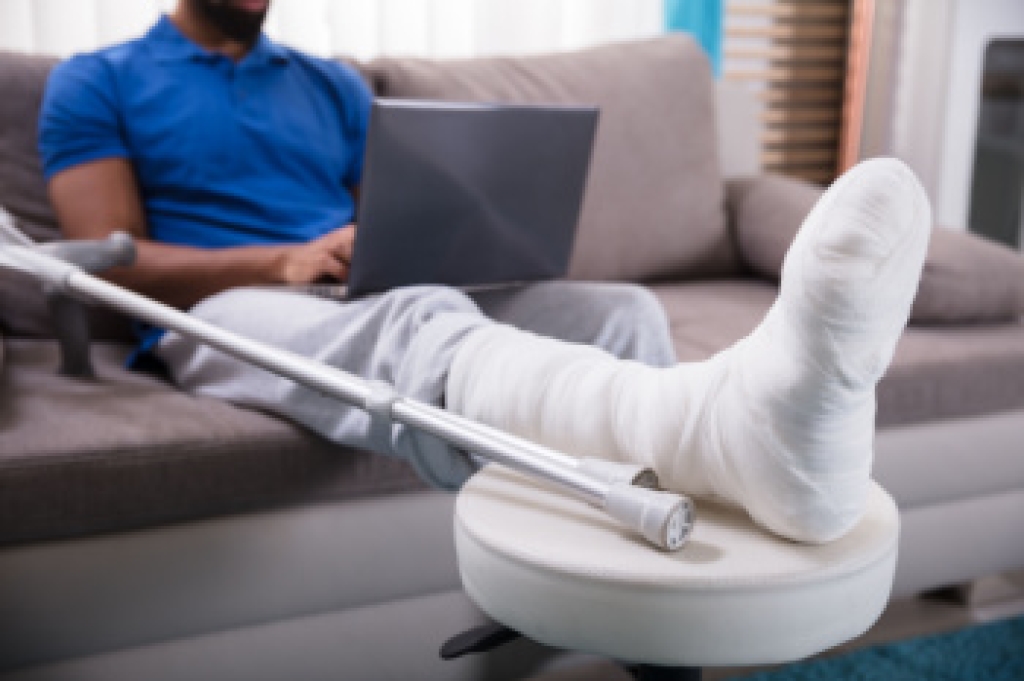
A broken foot, medically referred to as a foot fracture, occurs when one or more bones in the foot are cracked or fractured. The foot comprises multiple bones, including the metatarsals, phalanges, and tarsals, making it susceptible to fractures from trauma, overuse, or stress injuries. Common symptoms of a broken foot can include pain, swelling, bruising, and difficulty bearing weight on the affected foot. In severe cases, the broken bone may protrude through the skin, indicating an open fracture requiring immediate medical attention. Depending on the location and severity of the fracture, symptoms may vary, ranging from mild discomfort to severe pain and deformity. It is essential to seek medical evaluation if you suspect a broken foot, as untreated fractures can lead to complications such as chronic pain, arthritis, and impaired mobility. If you have endured a broken foot, it is suggested that you seek medical attention from a podiatrist who can determine the severity, and offer the treatment method that is right for you.

A broken foot requires immediate medical attention and treatment. If you need your feet checked, contact Anas Khoury, DPM from North Eastern Foot & Ankle Specialists. Our doctor can provide the care you need to keep you pain-free and on your feet.

Broken Foot Causes, Symptoms, and Treatment

A broken foot is caused by one of the bones in the foot typically breaking when bended, crushed, or stretched beyond its natural capabilities. Usually the location of the fracture indicates how the break occurred, whether it was through an object, fall, or any other type of injury. 

Common Symptoms of Broken Feet:

  • Bruising
  • Pain
  • Redness
  • Swelling
  • Blue in color
  • Numbness
  • Cold
  • Misshapen
  • Cuts
  • Deformities

Those that suspect they have a broken foot shoot seek urgent medical attention where a medical professional could diagnose the severity.

Treatment for broken bones varies depending on the cause, severity and location. Some will require the use of splints, casts or crutches while others could even involve surgery to repair the broken bones. Personal care includes the use of ice and keeping the foot stabilized and elevated.

If you have any questions, please feel free to contact our office located in Passaic, NJ . We offer the newest diagnostic and treatment technologies for all your foot care needs.
Read more about Causes, Symptoms, and Treatment for a Broken Foot

The Realities of Ingrown Toenails

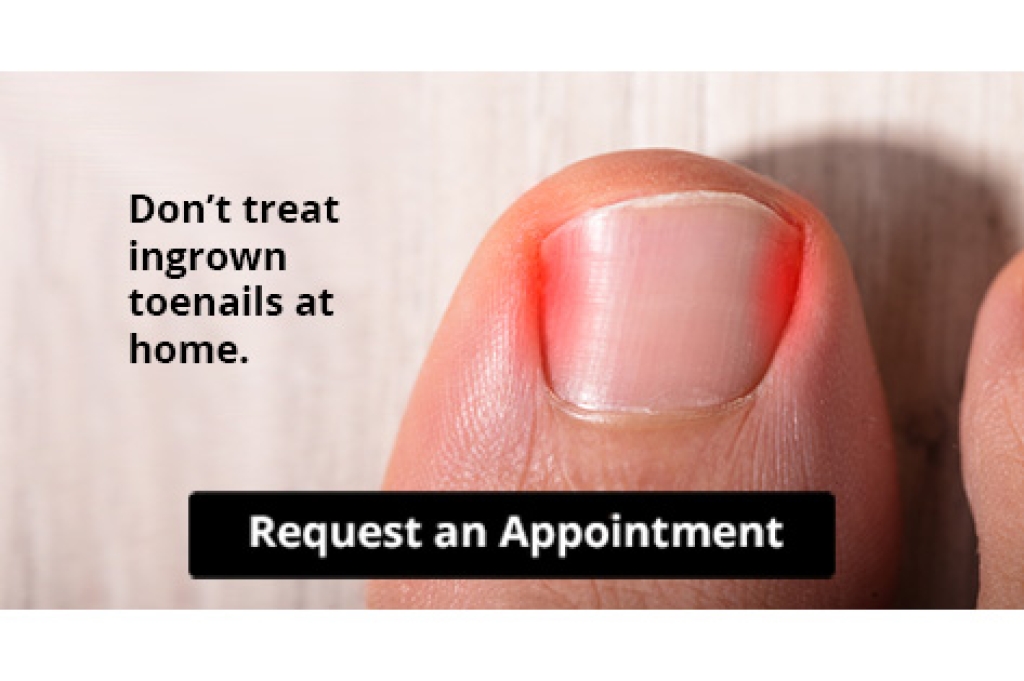
Ingrown toenails occur when the edge or corner of a toenail grows into the surrounding skin, leading to pain, swelling, and potential infection. Typically affecting the big toe, ingrown toenails can result from a variety of factors. Improper nail trimming, such as rounding the corners or cutting them too short, increases the likelihood of ingrowth. Wearing tight-fitting shoes or high heels can exert pressure on the toes, contributing to the development of ingrown nails. Additionally, injury or trauma to the toe, genetic predisposition, and underlying health conditions like fungal infections or diabetes can elevate the risk. Ignoring ingrown toenails can lead to complications, including infections that may require medical intervention. Seeking timely attention from a podiatrist for ingrown toenails can help alleviate discomfort and prevent potential complications. If you have an ingrown toenail, it is suggested that you contact a podiatrist who can offer successful treatment options, which may include minor surgery for relief.

Ingrown toenails can become painful if they are not treated properly. For more information about ingrown toenails, contact Anas Khoury, DPM of North Eastern Foot & Ankle Specialists. Our doctor can provide the care you need to keep you pain-free and on your feet.

Ingrown Toenails

Ingrown toenails occur when a toenail grows sideways into the bed of the nail, causing pain, swelling, and possibly infection.

Causes

  • Bacterial infections
  • Improper nail cutting such as cutting it too short or not straight across
  • Trauma to the toe, such as stubbing, which causes the nail to grow back irregularly
  • Ill-fitting shoes that bunch the toes too close together
  • Genetic predisposition

Prevention

Wearing proper fitting shoes and using proper cutting techniques will also help decrease your risk of developing ingrown toenails.

Treatment

Ingrown toenails are a very treatable foot condition. In minor cases, soaking the affected area in salt or antibacterial soaps will not only help with the ingrown nail itself, but also help prevent any infections from occurring. In more severe cases, surgery is an option. In either case, speaking to your podiatrist about this condition will help you get a better understanding of specific treatment options that are right for you.

If you have any questions, please feel free to contact our office located in Passaic, NJ . We offer the newest diagnostic and treatment technologies for all your foot care needs.

Read more about Ingrown Toenail Care

Let the Expert Treat Your Ingrown Toenails

Ingrown toenails can be painful and can make wearing shoes or walking uncomfortable. Seek professional help if you believe you've developed an ingrown toenail and be treated safely. 

Taking Care of Your Toddler's Feet

Children's feet require vigilant care during their formative years, due to their soft and pliable nature. Encouraging toddlers to walk barefoot indoors fosters natural foot growth and toe dexterity. It is essential to regularly assess shoe fit, aiming for about half an inch of growing room between the longest toe and the tip of the shoe. Experts suggest measuring their feet and adjusting shoe size every three to six months to accommodate growth. While common walking patterns, such as flat feet or in-toeing, typically resolve on their own, it is suggested you consult a podiatrist if your child experiences persistent issues or discomfort. Avoid hand me down shoes to ensure proper support and fit tailored to each child's unique foot structure. Watch for signs such as frequent tripping, pain, or reluctance to participate in activities, as they may indicate underlying foot concerns that require medical attention. For guidance on your child's foot development or to address any emerging concerns, it is suggested that you schedule an appointment with a podiatrist for a thorough exam and appropriate treatment as needed.

Making sure that your children maintain good foot health is very important as they grow. If you have any questions, contact Anas Khoury, DPM of North Eastern Foot & Ankle Specialists. Our doctor can provide the care you need to keep you pain-free and on your feet.

Keeping Children's Feet Healthy

Having healthy feet during childhood can help prevent medical problems later in life, namely in the back and legs. As children grow, their feet require different types of care. Here are some things to consider...

Although babies do not walk yet, it is still very important to take care of their feet.

Avoid putting tight shoes or socks on his or her feet.

Allow the baby to stretch and kick his or her feet to feel comfortable.

As a toddler, kids are now on the move and begin to develop differently. At this age, toddlers are getting a feel for walking, so don’t be alarmed if your toddler is unsteady or ‘walks funny’. 

As your child gets older, it is important to teach them how to take care of their feet.

Show them proper hygiene to prevent infections such as fungus.

Be watchful for any pain or injury.

Have all injuries checked by a doctor as soon as possible.

Comfortable, protective shoes should always be worn, especially at play.

If you have any questions, please feel free to contact our office located in Passaic, NJ . We offer the newest diagnostic and treatment technologies for all your foot care needs.

Read more about What to Do to Keep Your Child’s Feet Healthy

Custom Orthotics For Seniors

Age gracefully and move freely with Custom Orthotics. For seniors seeking to maintain their independence, Custom Orthotics offer the stability and comfort essential for daily activities. Custom-tailored to your feet, they provide support, reduce pain, and enhance mobility, ensuring you're always on sure footing. Don't let age-related foot concerns hold you back. With Custom Orthotics, embrace every golden moment with confidence. Call today to schedule an appointment.

Connect With Us