Hablamos Español

The Importance of Treatment for Diabetic Foot Ulcers

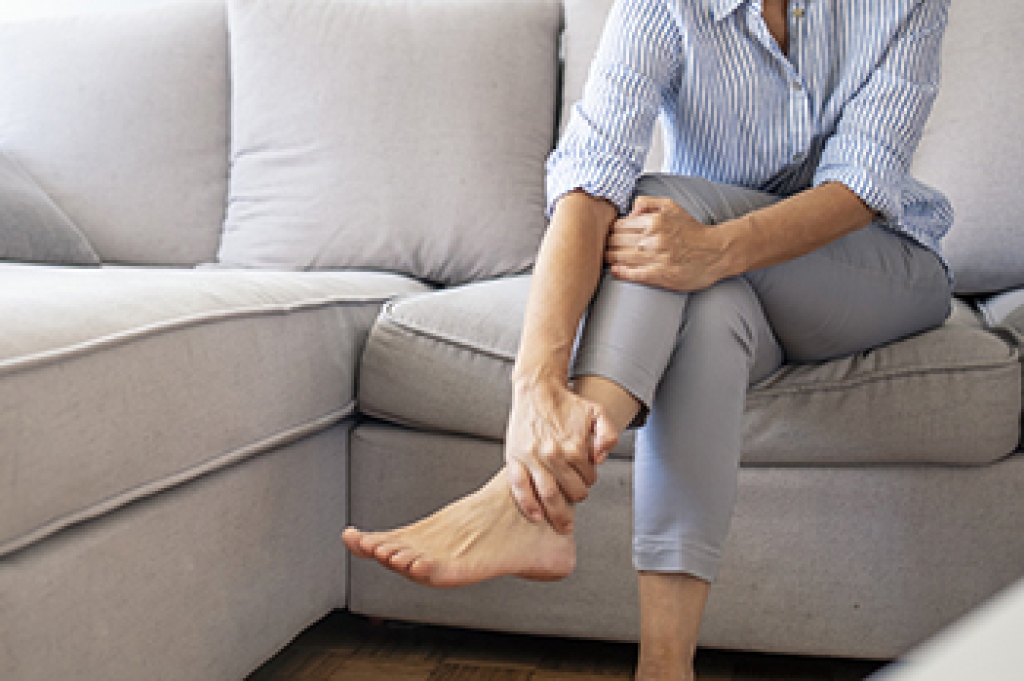
Diabetes can harm the nerves and blood vessels in your feet, reducing your ability to feel injuries. Minor foot problems like calluses, blisters, or cracks can develop into serious foot ulcers, often on the ball of the foot or under the big toe. These ulcers can become infected and lead to gangrene, potentially requiring the amputation of toes, parts of the foot, or even the leg. If you have a foot ulcer, it is vital to keep weight off the affected area to aid healing. For diabetics, early treatment of foot issues is crucial to prevent them from worsening. If you have diabetes, it is strongly suggested that you make routine appointments with a podiatrist to make sure your foot health is properly managed.

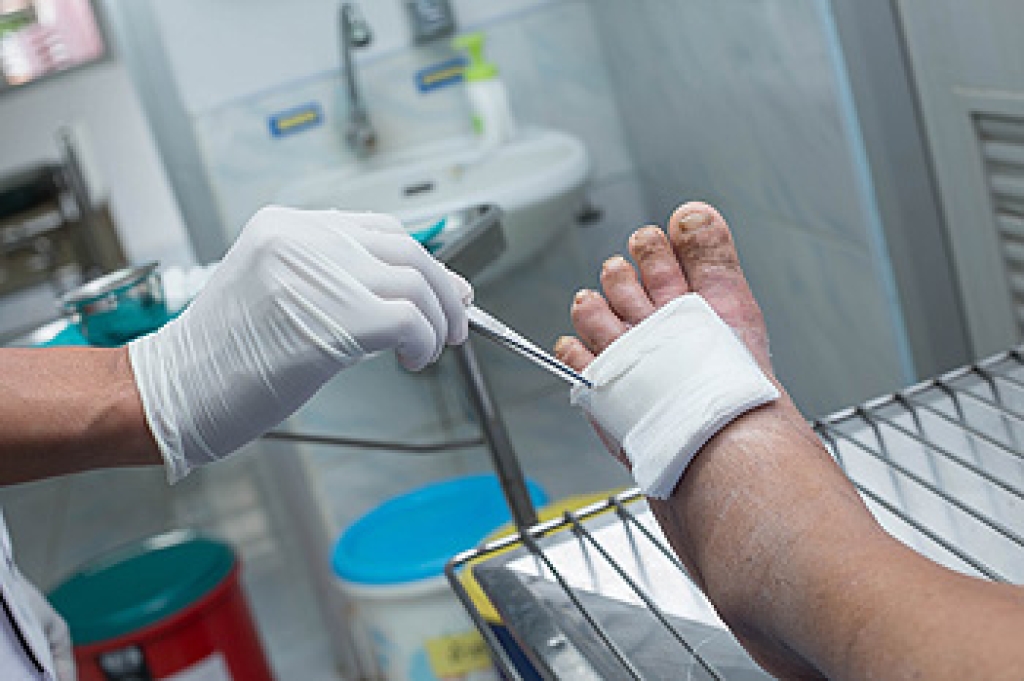
Wound care is an important part in dealing with diabetes. If you have diabetes and a foot wound or would like more information about wound care for diabetics, consult with Anas Khoury, DPM from North Eastern Foot & Ankle Specialists. Our doctor will assess your condition and provide you with quality foot and ankle treatment.

What Is Wound Care?

Wound care is the practice of taking proper care of a wound. This can range from the smallest to the largest of wounds. While everyone can benefit from proper wound care, it is much more important for diabetics. Diabetics often suffer from poor blood circulation which causes wounds to heal much slower than they would in a non-diabetic. 

What Is the Importance of Wound Care?

While it may not seem apparent with small ulcers on the foot, for diabetics, any size ulcer can become infected. Diabetics often also suffer from neuropathy, or nerve loss. This means they might not even feel when they have an ulcer on their foot. If the wound becomes severely infected, amputation may be necessary. Therefore, it is of the upmost importance to properly care for any and all foot wounds.

How to Care for Wounds

The best way to care for foot wounds is to prevent them. For diabetics, this means daily inspections of the feet for any signs of abnormalities or ulcers. It is also recommended to see a podiatrist several times a year for a foot inspection. If you do have an ulcer, run the wound under water to clear dirt from the wound; then apply antibiotic ointment to the wound and cover with a bandage. Bandages should be changed daily and keeping pressure off the wound is smart. It is advised to see a podiatrist, who can keep an eye on it.

If you have any questions please contact our office located in Passaic, NJ . We offer the newest diagnostic and treatment technologies for all your foot and ankle needs.
Read more about Wound Care

What Are Custom Orthotics?

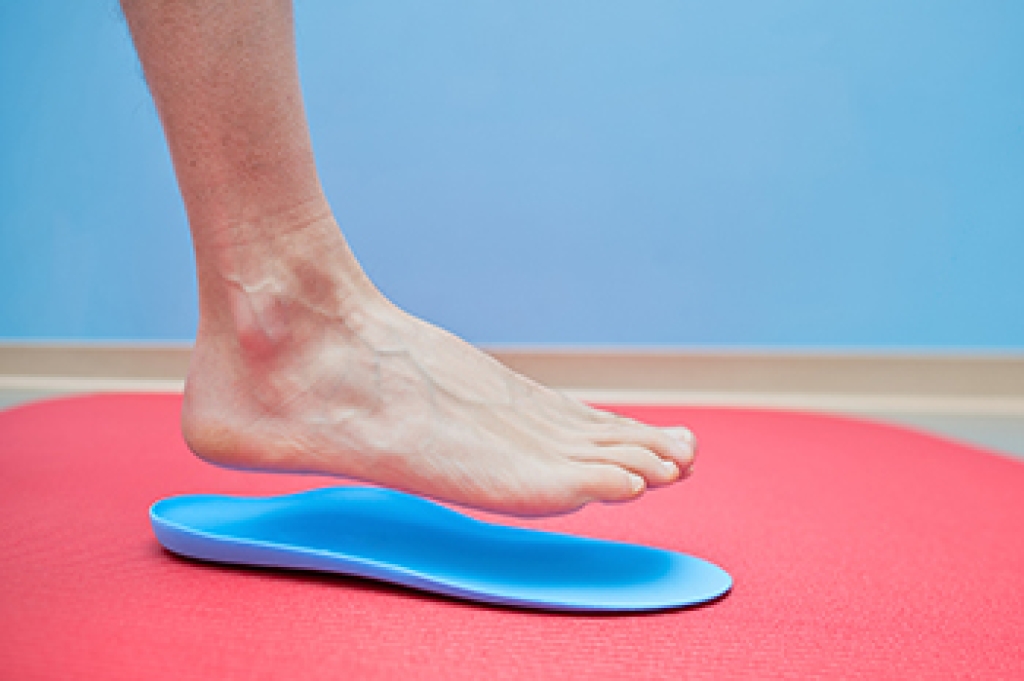
Are you struggling with foot pain, heel issues, or even balance problems? Custom orthotics might be the answer for you. These specially designed insoles are more than just padding. They are medical devices prescribed to treat various foot conditions. If you experience consistent foot or heel pain, have balance issues, or notice uneven shoe wear, it's worth considering orthotics. They are particularly beneficial for patients with conditions like plantar fasciitis, flat feet, or high arches and offer targeted support to relieve pain and improve alignment. Orthotics can also aid in the recovery from lower limb injuries and are often recommended for diabetic foot care. If you want to explore the personal benefits of custom foot orthotics, it is suggested that you make an appointment with a podiatrist. It is not necessary to suffer if these insoles can help you.

Custom orthotics are specialized shoe inserts created to support and align the feet according to each person’s unique structure and walking pattern. They are an effective way to relieve foot discomfort caused by conditions such as flat feet, high arches, plantar fasciitis, bunions, and heel pain. When the natural alignment of the foot is off balance, it can lead to pressure points, strain, and pain that affect how a person stands, walks, and moves. Orthotics work by redistributing weight evenly and supporting the arch to reduce stress on the muscles, tendons, and joints of the feet and lower legs.

Foot discomfort can develop for many reasons, including wearing improper footwear, long hours of standing, repetitive motion, or underlying structural problems. Over time, this discomfort can extend beyond the feet, contributing to knee, hip, or lower back pain. Custom orthotics help correct these issues by improving alignment and promoting more efficient movement. They are made using precise measurements and imaging to ensure the best fit for each patient, providing targeted support and cushioning where it is needed most.

Unlike generic insoles, custom orthotics are durable, medically designed, and tailored to your specific needs. Whether you are managing chronic pain, recovering from an injury, or simply seeking better comfort and stability, orthotics can make a noticeable difference in how your feet feel throughout the day.

If you are experiencing persistent foot discomfort or fatigue, it may be time to have your feet evaluated by a podiatrist. Call our office today for more information or to schedule an appointment.

If you have any questions, please feel free to contact our office located in Passaic, NJ

Read more about Investing in Custom Orthotics Means Investing in Foot Health

Get Professional Care for a Broken Foot or Ankle

Constant care and regular evaluation are important for a foot or ankle fracture. If left untreated, foot or ankle fractures can worsen over time and create more serious problems.

Don't wait to be examined if you believe you've experienced a foot or ankle fracture.

How to Prevent Ingrown Toenails

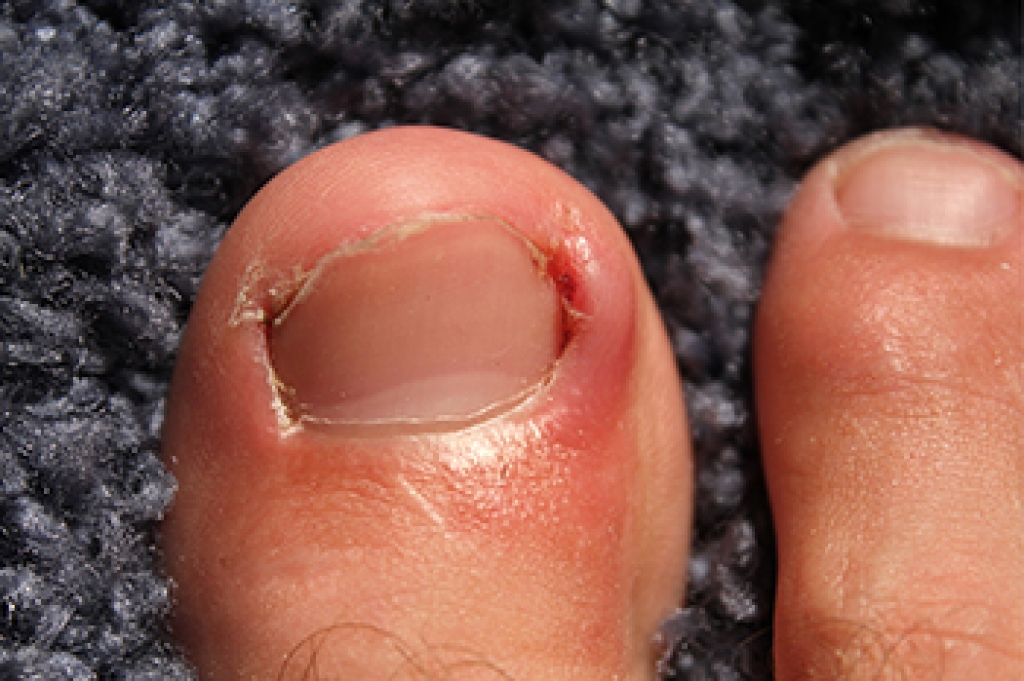
Ingrown toenails can be a painful and bothersome foot condition, but they are often preventable with proper care and understanding of their causes. This troublesome malady occurs when the edge or corner of a toenail grows into the surrounding skin, leading to pain, redness, and potential infection. One common cause of ingrown toenails is improper nail trimming. Cutting the nails too short or rounding the edges can encourage the nail to grow into the skin. Wearing tight or ill-fitting shoes that put pressure on the toes is another contributing factor, as it can force the nail to grow abnormally. To prevent ingrown toenails, it is important to trim the nails straight across and not too short. Wearing well-fitted, comfortable shoes that can provide enough room for your toes may also help to prevent this painful condition. Additionally, maintaining good foot hygiene and protecting your toes can go a long way in preventing the development of ingrown toenails. If you have developed this ailment, it is strongly suggested that you schedule an appointment with a podiatrist as quickly as possible who can offer treatment options that are right for you.

Ingrown toenails may initially present themselves as a minor discomfort, but they may progress into an infection in the skin without proper treatment. For more information about ingrown toenails, contact Anas Khoury, DPM of North Eastern Foot & Ankle Specialists. Our doctor can provide the care you need to keep you pain-free and on your feet.

Ingrown Toenails

Ingrown toenails are caused when the corner or side of a toenail grows into the soft flesh surrounding it. They often result in redness, swelling, pain, and in some cases, infection. This condition typically affects the big toe and may recur if it is not treated properly.

Causes

  • Improper toenail trimming
  • Genetics
  • Improper shoe fitting
  • Injury from pedicures or nail picking
  • Abnormal gait
  • Poor hygiene

You are more likely to develop an ingrown toenail if you are obese, have diabetes, arthritis, or have any fungal infection in your nails. Additionally, people who have foot or toe deformities are at a higher risk of developing an ingrown toenail.

Symptoms

Some symptoms of ingrown toenails are redness, swelling, and pain. In rare cases, there may be a yellowish drainage coming from the nail.

Treatment

Ignoring an ingrown toenail can have serious complications. Infections of the nail border can progress to a deeper soft-tissue infection, which can then turn into a bone infection. You should always speak with your podiatrist if you suspect you have an ingrown toenail, especially if you have diabetes or poor circulation.

If you have any questions, please feel free to contact our office located in Passaic, NJ . We offer the newest diagnostic and treatment technologies for all your foot care needs.

Read more about Ingrown Toenail Care

How Foot Protection May Help to Prevents Falls

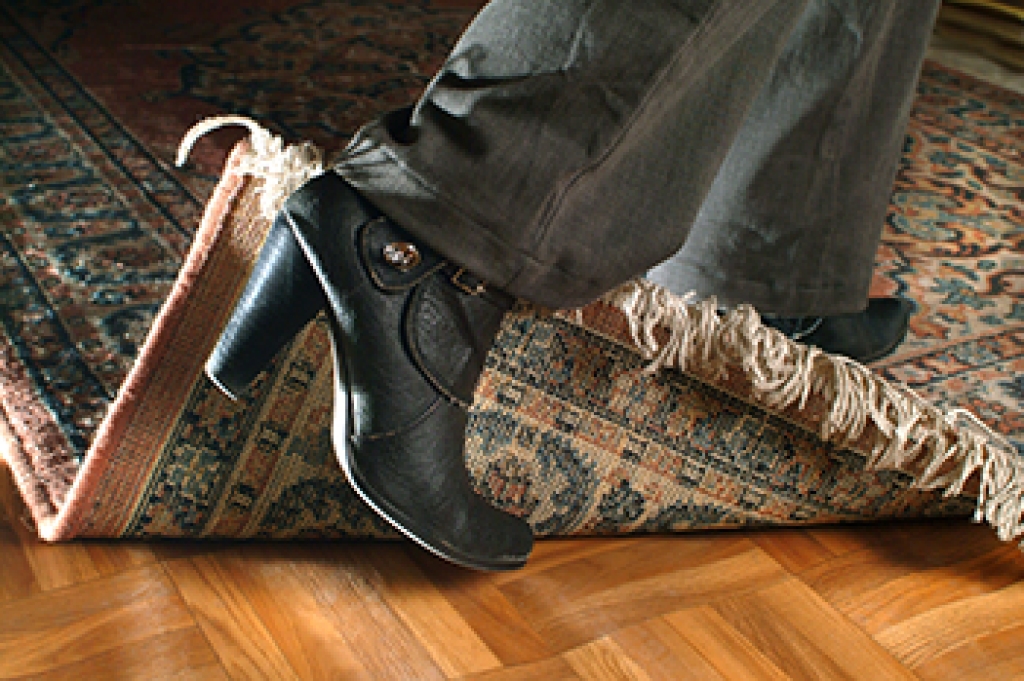
Our feet play a crucial role in maintaining our balance and preventing accidental falls. When it comes to fall prevention, the importance of foot protection is often overlooked. Wearing proper footwear is an essential element in safeguarding against slips, trips, and stumbles. Shoes with slip-resistant soles can provide traction on various surfaces, reducing the risk of sliding. Well-fitting shoes offer stability and support, minimizing the chances of ankle twists or sprains. Additionally, shoes with adequate cushioning can absorb shock and reduce the impact on joints, preventing balance disruptions. Footwear that fits properly and comfortably can help maintain stability and decrease the likelihood of tripping. Whether it is at home, in the workplace, or outdoors, choosing the right shoes for the occasion can make a significant difference in fall prevention, keeping you on your feet and safe. If you would like additional information about the importance of wearing shoes that fit correctly which may help to prevent falling, it is suggested that you contact a podiatrist.

Preventing falls among the elderly is very important. If you are older and have fallen or fear that you are prone to falling, consult with Anas Khoury, DPM from North Eastern Foot & Ankle Specialists. Our doctor will assess your condition and provide you with quality advice and care.

Every 11 seconds, an elderly American is being treated in an emergency room for a fall related injury. Falls are the leading cause of head and hip injuries for those 65 and older. Due to decreases in strength, balance, senses, and lack of awareness, elderly persons are very susceptible to falling. Thankfully, there are a number of things older persons can do to prevent falls.

How to Prevent Falls

Some effective methods that older persons can do to prevent falls include:

  • Enrolling in strength and balance exercise program to increase balance and strength
  • Periodically having your sight and hearing checked
  • Discuss any medications you have with a doctor to see if it increases the risk of falling
  • Clearing the house of falling hazards and installing devices like grab bars and railings
  • Utilizing a walker or cane
  • Wearing shoes that provide good support and cushioning
  • Talking to family members about falling and increasing awareness

Falling can be a traumatic and embarrassing experience for elderly persons; this can make them less willing to leave the house, and less willing to talk to someone about their fears of falling. Doing such things, however, will increase the likelihood of tripping or losing one’s balance. Knowing the causes of falling and how to prevent them is the best way to mitigate the risk of serious injury.  

If you have any questions, please feel free to contact our office located in Passaic, NJ . We offer the newest diagnostic and treatment technologies for all your foot care needs.

Read more about Falls Prevention

Common Foot Problems

Foot pain is a widespread issue affecting millions of Americans daily. It can hinder your ability to work, socialize, and function effectively. The most commonly reported complaints of foot pain are bunions, flat feet, hammertoes, ingrown toenails, and plantar fasciitis. Bunions are characterized by a painful bump at the base of the big toe. Conservative approaches include wearing roomy shoes, using toe sleeves, and employing toe spacers. In severe cases, minimally invasive surgical options are available. Fallen arches, commonly known as flat feet, can cause chronic pain in the arch, ankle, and leg due to the loss of tendon elasticity. Hammertoes present as claw-like deformities in the toe joint, leading to discomfort, especially when the toe rubs against the shoe. Ingrown toenails occur when a toenail grows into the flesh surrounding it. This can cause extreme pain and can easily become infected, which requires prescribed antibiotic cream or possible nail removal. Plantar fasciitis is known for causing excessive heel pain from tears in the plantar fascia tissue that runs beneath the foot. Addressing foot pain is important for maintaining a high quality of life. Whether opting for conservative or surgical interventions, it is suggested that you make an appointment with a podiatrist to determine the most appropriate treatment plan for your specific foot condition. 

Foot Pain

Foot pain can be extremely painful and debilitating. If you have a foot pain, consult with Anas Khoury, DPM from North Eastern Foot & Ankle Specialists. Our doctor will assess your condition and provide you with quality foot and ankle treatment.

Causes

Foot pain is a very broad condition that could be caused by one or more ailments. The most common include:

  • Bunions
  • Hammertoes
  • Plantar Fasciitis
  • Bone Spurs
  • Corns
  • Tarsal Tunnel Syndrome
  • Ingrown Toenails
  • Arthritis (such as Gout, Rheumatoid, and Osteoarthritis)
  • Flat Feet
  • Injury (from stress fractures, broken toe, foot, ankle, Achilles tendon ruptures, and sprains)
  • And more

Diagnosis

To figure out the cause of foot pain, podiatrists utilize several different methods. This can range from simple visual inspections and sensation tests to X-rays and MRI scans. Prior medical history, family medical history, and any recent physical traumatic events will all be taken into consideration for a proper diagnosis.

Treatment

Treatment depends upon the cause of the foot pain. Whether it is resting, staying off the foot, or having surgery; podiatrists have a number of treatment options available for foot pain.

If you have any questions, please feel free to contact our office located in Passaic, NJ . We offer the newest diagnostic and treatment technologies for all your foot care needs.

Read more about Foot Pain

Why the Shape of Your Feet Matters

Your feet are the foundation of your body, and when the shape of your foot is compromised, it can have far-reaching consequences. Wearing Ill-fitting shoes can worsen conditions such as bunions, hammertoes, and plantar fasciitis. They also may lead to biomechanical adjustments that can cause back and joint pain, balance problems, postural issues, and leg discomfort. Foot arches are of three main types, which are high, neutral, and flat. High arches are overly pronounced, causing pressure on the heel and forefoot, while flat feet may restrict mobility and lead to other health problems. In addition, pronation and supination, which refers to the side to side movement of the foot when you stand, walk or run, are factors that need to be considered when buying shoes. Supination involves the foot rolling outward, often affecting those with high arches, and potentially leading to lower leg discomfort like plantar fasciitis. Overpronation occurs when the foot rolls excessively inward, common in people with flat feet, and this can cause discomfort as well as alignment issues throughout the body. For help with issues involving the shape of your feet, it is suggested that you make an appointment with a podiatrist for an evaluation.

If you have any concerns about your feet, contact Anas Khoury, DPM from North Eastern Foot & Ankle Specialists. Our doctor can provide the care you need to keep you pain-free and on your feet.

Biomechanics in Podiatry

Podiatric biomechanics is a particular sector of specialty podiatry with licensed practitioners who are trained to diagnose and treat conditions affecting the foot, ankle and lower leg. Biomechanics deals with the forces that act against the body, causing an interference with the biological structures. It focuses on the movement of the ankle, the foot and the forces that interact with them.

A History of Biomechanics

  • Biomechanics dates back to the BC era in Egypt where evidence of professional foot care has been recorded.
  • In 1974, biomechanics gained a higher profile from the studies of Merton Root, who claimed that by changing or controlling the forces between the ankle and the foot, corrections or conditions could be implemented to gain strength and coordination in the area.

Modern technological improvements are based on past theories and therapeutic processes that provide a better understanding of podiatric concepts for biomechanics. Computers can provide accurate information about the forces and patterns of the feet and lower legs.

Understanding biomechanics of the feet can help improve and eliminate pain, stopping further stress to the foot.

If you have any questions please feel free to contact our office located in Passaic, NJ . We offer the newest diagnostic and treatment technologies for all your foot and ankle needs.
Read more about The Importance of Biomechanics in Podiatry

Are You Suffering From Nerve Damage?

Neuropathy is a condition that can lead to numbness or loss of sensation in the feet, but it can also cause pain. This condition is more likely to develop for those who are diabetic, obese, or with high blood pressure.

Ensuring a Proper Fit for Shoes and Boots

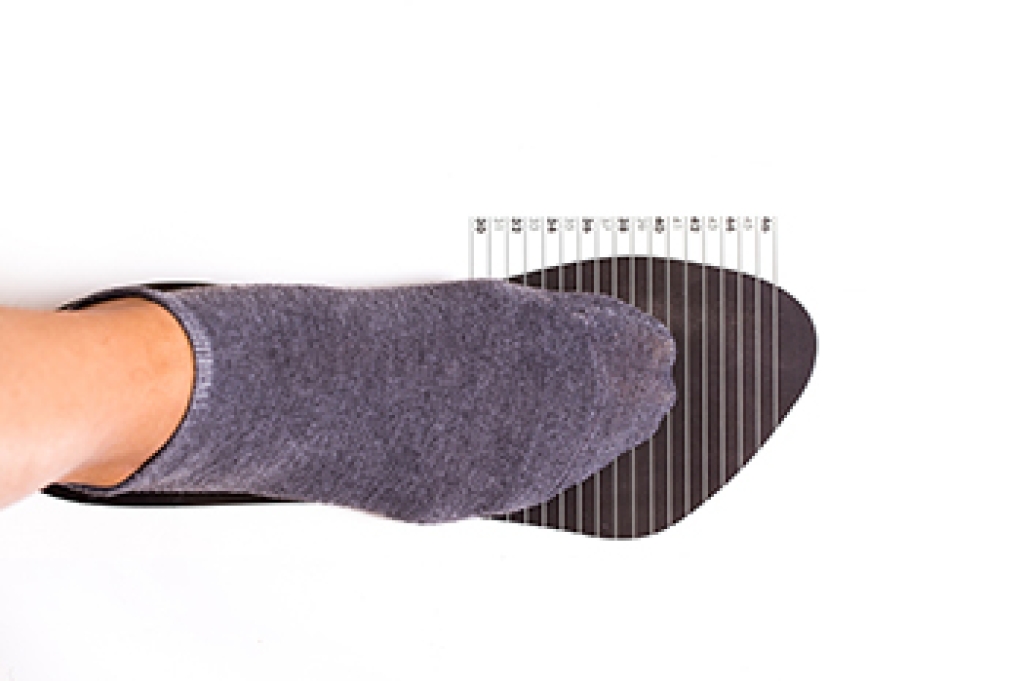
The key to comfortable footwear lies in getting the right fit. Ill-fitting shoes or boots can lead to a host of issues, including blisters, calluses, and chronic foot problems. To ensure your footwear provides the perfect fit, begin by measuring your feet regularly, as their size can change over time. Always try on both shoes and shop in the afternoon when your feet are slightly larger due to daily activities. Consider the type of socks you will be wearing with your shoes, as this can affect the fit. Pay attention to how the shoes or boots feel, ensuring there is enough space in the toe box, and that your heels do not slip. Walk around in them to test comfort and stability. Lastly, remember that sizes can vary between brands and styles, so rely more on the fit and feel than the size on the label. If you would like additional tips on how to buy shoes that fit properly, it is suggested that you contact a podiatrist who can provide you with the information you are seeking.

Finding a properly-fitting shoe is important in reducing injuries and preventing foot problems. For more information about treatment, contact Anas Khoury, DPM from North Eastern Foot & Ankle Specialists. Our doctor will treat your foot and ankle needs.

Proper Shoe Fitting

A common concern when it comes to foot health, having properly fitted shoes can help prevent injuries to the foot. Out feet affect our posture and gait, which in turn affects the biomechanics and overall bodily structure. With 33 joints, 26 bones, and over 100 ligaments, the potential for serious injury is much greater than one realizes. Although the feet cease growth in adulthood, they still change shape as they mature. Here are some factors to consider when it comes to investing in proper fitting shoes:

  • Be sure the shoes fit correctly right away
  • Ensure the ball of your foot fits comfortably in the widest portion of the shoes
  • Even though they may look fashionable, improper fitting shoes can either create adverse conditions or exacerbate existing ones you may already have
  • Walk along a carpeted surface to ensure the shoes comfortably fit during normal activity

Keeping in mind how shoes fit the biomechanics of your body, properly-fitting shoes are vitally important. Fortunately, it is not difficult to acquire footwear that fits correctly. Be sure to wear shoes that support the overall structure of your body. Do your feet a favor and invest in several pairs of well-fitted shoes today.

If you have any questions, please feel free to contact our office located in Passaic, NJ . We offer the newest diagnostic and treatment technologies for all your foot care needs.

Read more about How to Get a Proper Shoe Fit

Different Types of Foot Arthritis

Arthritis is characterized by inflammation in one or more joints, leading to pain and stiffness. It is prevalent in the small joints of the foot and ankle, impacting mobility and daily activities. While there is no cure for arthritis, treatment options can help manage symptoms and slow disease progression. The foot and ankle play vital roles in supporting, balancing, and absorbing shock during activities. These areas contain multiple joints and are susceptible to various forms of arthritis like osteoarthritis, rheumatoid arthritis, and gout. Osteoarthritis gradually erodes joint cartilage, causing pain, stiffness, and bone spurs. Risk factors include age, obesity, genetics, and poor foot alignment. Rheumatoid arthritis is a chronic autoimmune disease that can start in the foot and ankle, leading to joint inflammation, swelling, and deformity. Genetic and environmental factors can trigger this condition. Gout is a painful inflammation that often affects the big toe joint due to the accumulation of uric acid crystals. It can lead to sudden and severe joint pain. If you have foot or ankle discomfort from arthritis, it is suggested that you make an appointment with a podiatrist to determine which kind of arthritis is affecting you.

Arthritis can be a difficult condition to live with. If you are seeking treatment, contact Anas Khoury, DPM from North Eastern Foot & Ankle Specialists. Our doctor can provide the care you need to keep you pain-free and on your feet.

Arthritic Foot Care  

Arthritis is a term that is commonly used to describe joint pain.  The condition itself can occur to anyone of any age, race, or gender, and there are over 100 types of it.  Nevertheless, arthritis is more commonly found in women compared to men, and it is also more prevalent in those who are overweight. The causes of arthritis vary depending on which type of arthritis you have. Osteoarthritis for example, is often caused by injury, while rheumatoid arthritis is caused by a misdirected immune system.

Symptoms

  • Swelling
  • Pain
  • Stiffness
  • Decreased Range of Motion

Arthritic symptoms range in severity, and they may come and go. Some symptoms stay the same for several years but could potentially get worse with time. Severe cases of arthritis can prevent its sufferers from performing daily activities and make walking difficult.

Risk Factors

  • Occupation – Occupations requiring repetitive knee movements have been linked to osteoarthritis
  • Obesity – Excess weight can contribute to osteoarthritis development
  • Infection – Microbial agents can infect the joints and trigger arthritis
  • Joint Injuries – Damage to joints may lead to osteoarthritis
  • Age – Risk increases with age
  • Gender –Most types are more common in women
  • Genetics – Arthritis can be hereditary

If you suspect your arthritis is affecting your feet, it is crucial that you see a podiatrist immediately. Your doctor will be able to address your specific case and help you decide which treatment method is best for you.

If you have any questions please feel free to contact our office located in Passaic, NJ . We offer the newest diagnostic tools and technology to treat your foot and ankle needs.

Read more about How to Care for Your Arthritic Foot

Connect With Us