Hablamos Español

Athlete’s Foot in Seniors

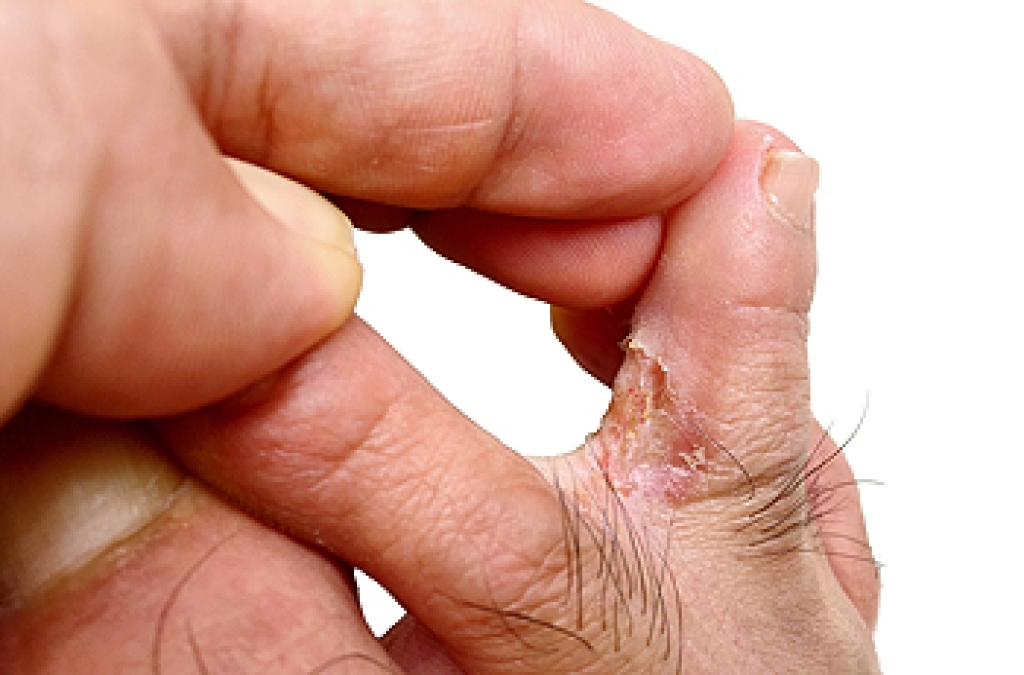
If you are a senior citizen, you might have noticed that as you age, you become increasingly susceptible to poor foot health. As a result, a senior citizen might be at risk for developing foot conditions, such as athlete’s foot. Athlete’s foot is a particular kind of fungal infection that can result in a rash between the toes of the feet. Itching and redness can ensue. A senior might be prone to athlete’s foot because the elderly have a diminished ability to keep their feet clean and dry. Consequently, the fungus causing athlete’s foot can take hold in a senior. To prevent athlete’s foot, a senior can consider taking certain steps, such as regularly cleaning and drying the feet, applying a good moisturizer, and disinfecting the socks. If you are a senior looking to prevent athlete's foot, it is suggested that you contact a podiatrist for an appointment today.

Proper foot care is something many older adults forget to consider. If you have any concerns about your feet and ankles, contact Anas Khoury, DPM from North Eastern Foot & Ankle Specialists. Our doctor can provide the care you need to keep you pain-free and on your feet.

The Elderly and Their Feet

As we age we start to notice many changes in our body, but the elder population may not notice them right away. Medical conditions may prevent the elderly to take notice of their foot health right away. Poor vision is a lead contributor to not taking action for the elderly.

Common Conditions 

  • Neuropathy – can reduce feeling in the feet and can hide many life-threatening medical conditions.
  • Reduced flexibility – prevents the ability of proper toenail trimming, and foot cleaning. If left untreated, it may lead to further medical issues.
  • Foot sores – amongst the older population can be serious before they are discovered. Some of the problematic conditions they may face are:
  • Gouging toenails affecting nearby toe
  • Shoes that don’t fit properly
  • Pressure sores
  • Loss of circulation in legs & feet
  • Edema & swelling of feet and ankles

Susceptible Infections

Diabetes and poor circulation can cause general loss of sensitivity over the years, turning a simple cut into a serious issue.

If you have any questions, please feel free to contact our office located in Passaic, NJ . We offer the newest diagnostic and treatment technologies for all your foot care needs.

Read more about Elderly Foot Care

Why Do Blisters Develop?

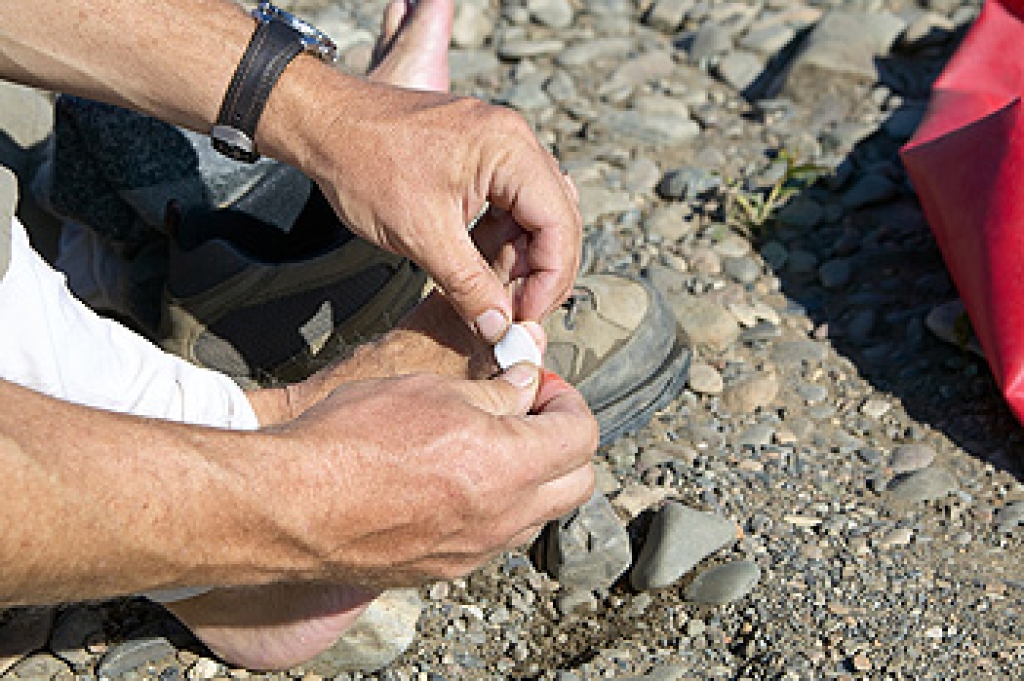
Many people enjoy walking and may be concerned about blisters developing on their feet. Blisters produce pain and discomfort and may also cause the gait, or walking style, to change. Blisters are often caused by excess friction due to the shoes and socks that are worn. A common place they develop is on the back of the heel as the foot rubs against the shoe. With enough friction, a bubble forms that is filled with a protective liquid to protect the damaged skin. The bubble will gradually drain as new skin forms under it, and a bandage may be worn to help prevent it from popping prematurely. There may be existing medical conditions, like psoriasis and eczema, that can cause a blister to form. Frostbite, extreme sunburn, or an allergic reaction to an insect bite may also result in a blister. If you would like to learn about effective blister prevention methods, it is suggested that you confer with a podiatrist who can provide you with the information you are seeking.

Blisters are prone to making everyday activities extremely uncomfortable. If your feet are hurting, contact Anas Khoury, DPM of North Eastern Foot & Ankle Specialists. Our doctor can provide the care you need to keep you pain-free and on your feet.

Foot Blisters

Foot blisters develop as a result of constantly wearing tight or ill-fitting footwear. This happens due to the constant rubbing from the shoe, which can often lead to pain.

What Are Foot Blisters?

A foot blister is a small fluid-filled pocket that forms on the upper-most layer of the skin. Blisters are filled with clear fluid and can lead to blood drainage or pus if the area becomes infected.

How Do Blisters Form?

Blisters on the feet are often the result of constant friction of skin and material, usually by shoe rubbing. Walking in sandals, boots, or shoes that don’t fit properly for long periods of time can result in a blister. Having consistent foot moisture and humidity can easily lead to blister formation.

Prevention & Treatment

It is important to properly care for the affected area in order to prevent infection and ease the pain. Do not lance the blister and use a Band-Aid to provide pain relief. Also, be sure to keep your feet dry and wear proper fitting shoes. If you see blood or pus in a blister, seek assistance from a podiatrist.

If you have any questions, please feel free to contact our office located in Passaic, NJ . We offer the newest diagnostic and treatment technologies for all your foot care needs.
Read more about Blisters on the Feet

Why Live with Pain and Numbness in Your Feet?

Suffering from this type of pain? You may have the foot condition known as Morton's neuroma. Morton's neuroma may develop as a result of ill-fitting footwear and existing foot deformities. We can help.

Relief Options for Bunions

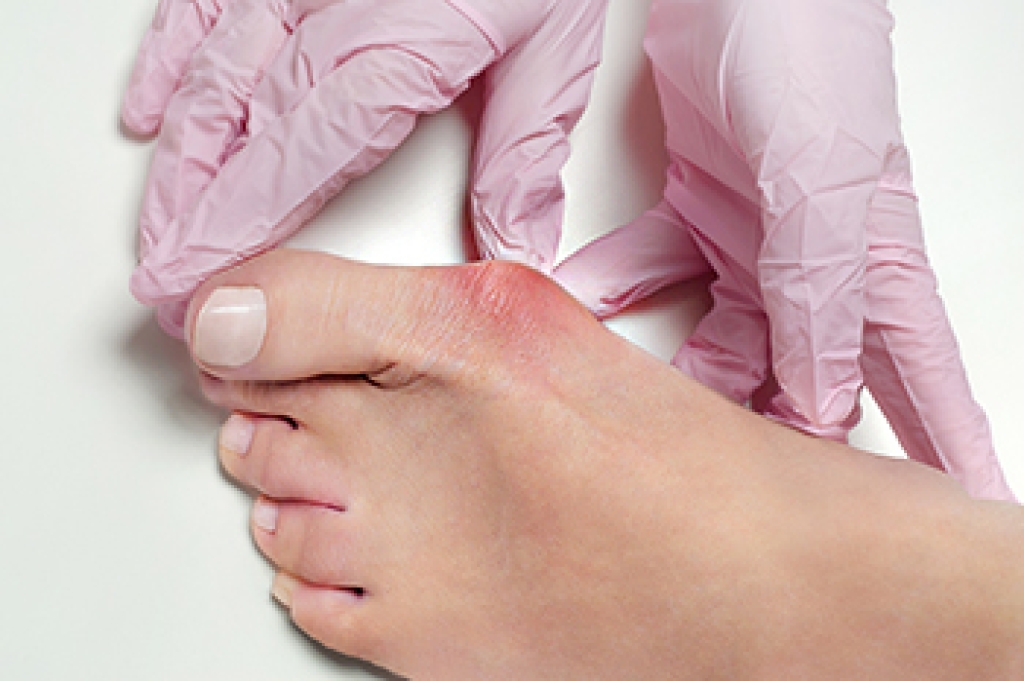
A small hardened lump on the outside of the big toe may indicate a bunion has formed. It can grow in size if treatment is not sought, and can cause the other toes to shift toward each other. Bunions form as a result of genetic factors, or they may happen from wearing shoes that do not have adequate room for the toes to move in freely. It is considered to be a deformity and may be painful, often causing difficulty in walking. Some patients notice there is redness and swelling surrounding the bunion, and it may reduce range of motion in the big toe. Relief may be found when the correct size shoes are worn, with enough room for the toes to move in. Additionally, orthotics may be worn which may improve comfort and foot alignment. Corns may form on top of the bunion, where it rubs against the shoe, and wearing a protective pad over the bunion may temporarily provide relief. If you have a bunion, it is suggested that you consult with a podiatrist who can offer you treatment solutions, which may include minor surgery for permanent removal.

If you are suffering from bunion pain, contact Anas Khoury, DPM of North Eastern Foot & Ankle Specialists. Our doctor can provide the care you need to keep you pain-free and on your feet.

What Is a Bunion?

Bunions are painful bony bumps that usually develop on the inside of the foot at the joint of the big toe. As the deformity increases over time, it may become painful to walk and wear shoes. Women are more likely to exacerbate existing bunions since they often wear tight, narrow shoes that shift their toes together. Bunion pain can be relieved by wearing wider shoes with enough room for the toes.

Causes

  • Genetics – some people inherit feet that are more prone to bunion development
  • Inflammatory Conditions - rheumatoid arthritis and polio may cause bunion development

Symptoms

  • Redness and inflammation
  • Pain and tenderness
  • Callus or corns on the bump
  • Restricted motion in the big toe

In order to diagnose your bunion, your podiatrist may ask about your medical history, symptoms, and general health. Your doctor might also order an x-ray to take a closer look at your feet. Nonsurgical treatment options include orthotics, padding, icing, changes in footwear, and medication. If nonsurgical treatments don’t alleviate your bunion pain, surgery may be necessary.

If you have any questions, please feel free to contact our office located in Passaic, NJ . We offer the newest diagnostic and treatment technologies for all your foot care needs.
Read more about Bunions

Corns Can Be Surprisingly Painful

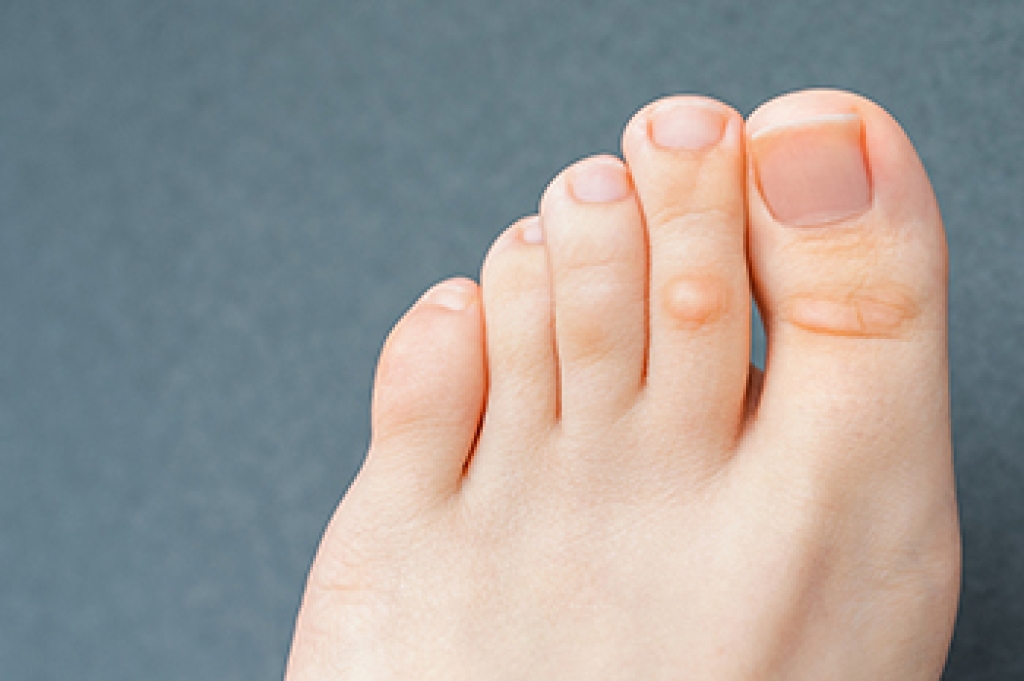
A corn can be painful, despite its small size. They generally develop as a result of excess friction caused by the shoes worn, and the pain can alter the gait, or walking style. Common places for corns to develop can be the side of the pinky toe or on top of the toes. Prevention methods can include wearing shoes and socks that fit correctly, and it may help to moisturize the feet frequently. Many people find comfort in wearing insoles or heel pads in their shoes and soaking the corn in warm water at the end of the day. This may help to soften it and can make it easier to use a pumice stone that can file down small corns. If the corns are recurring, it is suggested that you consult with a podiatrist who can guide you toward additional prevention methods.

If you have any concerns regarding your feet and ankles, contact Anas Khoury, DPM of North Eastern Foot & Ankle Specialists. Our doctor will treat your foot and ankle needs.

Corns: What Are They? and How Do You Get Rid of Them?
Corns can be described as areas of the skin that have thickened to the point of becoming painful or irritating. They are often layers and layers of the skin that have become dry and rough, and are normally smaller than calluses.

Ways to Prevent Corns
There are many ways to get rid of painful corns such as wearing:

  • Well-fitting socks
  • Comfortable shoes that are not tight around your foot
  • Shoes that offer support

Treating Corns
Treatment of corns involves removing the dead skin that has built up in the specific area of the foot. Consult with Our doctor to determine the best treatment option for your case of corns.

If you have any questions, please feel free to contact our office located in Passaic, NJ . We offer the newest diagnostic and treatment technologies for all your foot care needs.

Read more about Everything You Need to Know About Corns

Connect With Us