Hablamos Español

Running and Bunions

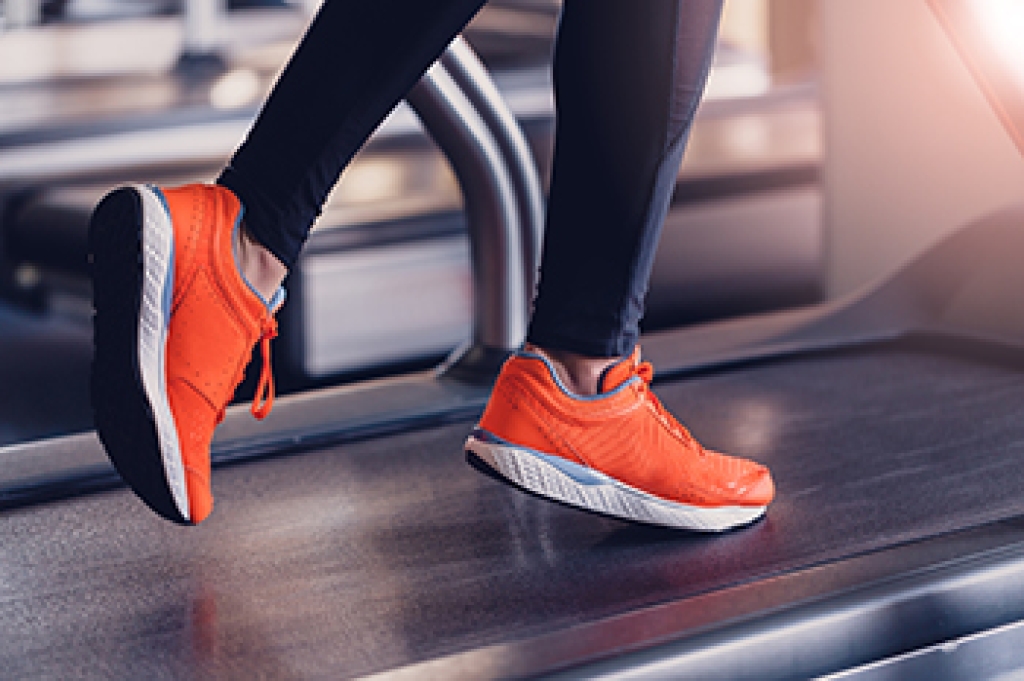
Bunions and bunionettes are bony bumps that form at the base of the big toe and little toe, respectively. These deformities can be caused by genetics, wearing improper footwear, foot structure, or repetitive stress, such as the pressure from running. Over time, the joints become misaligned as the top of the toe pushes inward, resulting in discomfort. Symptoms may include swelling, redness, pain while walking or running, and visible bumps at the toe joints. Runners may feel a sharp pain or ache during activity, as repeated impact and tight shoes can increase pressure on the bunion. A podiatrist can assess your foot structure, gait, and running habits to recommend treatment. Options may include custom orthotics, footwear changes, padding, or targeted exercises to relieve pain and slow progression. In more severe cases, surgery may be considered. If you have a bunion or bunionette, it is suggested that you schedule an appointment to see a podiatrist.

If you are suffering from bunion pain, contact Anas Khoury, DPM of North Eastern Foot & Ankle Specialists. Our doctor can provide the care you need to keep you pain-free and on your feet.

What Is a Bunion?

Bunions are painful bony bumps that usually develop on the inside of the foot at the joint of the big toe. As the deformity increases over time, it may become painful to walk and wear shoes. Women are more likely to exacerbate existing bunions since they often wear tight, narrow shoes that shift their toes together. Bunion pain can be relieved by wearing wider shoes with enough room for the toes.

Causes

  • Genetics – some people inherit feet that are more prone to bunion development
  • Inflammatory Conditions - rheumatoid arthritis and polio may cause bunion development

Symptoms

  • Redness and inflammation
  • Pain and tenderness
  • Callus or corns on the bump
  • Restricted motion in the big toe

In order to diagnose your bunion, your podiatrist may ask about your medical history, symptoms, and general health. Your doctor might also order an x-ray to take a closer look at your feet. Nonsurgical treatment options include orthotics, padding, icing, changes in footwear, and medication. If nonsurgical treatments don’t alleviate your bunion pain, surgery may be necessary.

If you have any questions, please feel free to contact our office located in Passaic, NJ . We offer the newest diagnostic and treatment technologies for all your foot care needs.

Read more about What Are Bunions?

The Right Shoes for Medical Workers

Medical professionals spend long hours on their feet, often walking and standing on hard surfaces throughout the day. Wearing the right shoes is essential for maintaining comfort, preventing fatigue, and reducing the risk of injury. Supportive footwear helps distribute weight evenly, minimizes strain on the feet, and supports proper posture. Shoes with adequate cushioning and arch support can help prevent common issues such as plantar fasciitis, back pain, and joint discomfort. Slip-resistant soles are also important in environments where spills may occur, promoting safety with every step. A well-fitted shoe that allows for natural foot movement and breathability can make a significant difference in overall performance and well-being. If you have foot pain from wearing the wrong shoes during the workday, it is suggested that you consult a podiatrist who can treat various foot conditions.

While working on the feet, it is important to take the proper care of them. For more information about working on your feet, contact Anas Khoury, DPM from North Eastern Foot & Ankle Specialists. Our doctor will treat your foot and ankle needs.

Working on Your Feet

Standing on your feet for long periods of time can cause stress and pain in your feet. Your whole body may experience change in terms of posture, back pain, bunions, callouses and or plantar warts. There are ways to avoid these conditions with proper foot care, smart choices and correct posture.

Positive Changes

Negative heeled shoe – Choosing this shoe type places the heel slightly lower than the ball of the foot. These are great for overall foot health. Find shoes that fit you correctly.

Go barefoot – Our feet were not designed to be enclosed for all hours of the day. Try to periodically expose your feet to air.

Eliminate Pain

Foot Exercises – Performing simple exercises, incorporating yoga and doing stretches are beneficial. This will allow increased blood flow to the area and muscles of the foot.

Achilles tendon – Stretching the foot out flat on the floor will relax the calf muscles and tendon. These exercises can be performed almost anywhere. Make sure you add these exercises to your daily regimen. 

With a little bit of this information and knowing more about foot health, you will notice changes. Foot stretches and proper footwear will help with pain and prevent further issues.

If you have any questions please contact our office located in Passaic, NJ . We offer the newest diagnostic and treatment technologies for all your foot and ankle needs.

Read more about Working on Your Feet

Heel Pain Can Be Treated!

Do you suffer from heel pain when you get up in the morning? If so, you should seek professional help and have a proper diagnosis performed. Heel pain can be caused by several different foot-related conditions.

How Shoes Can Cause Rock Climbing Injuries

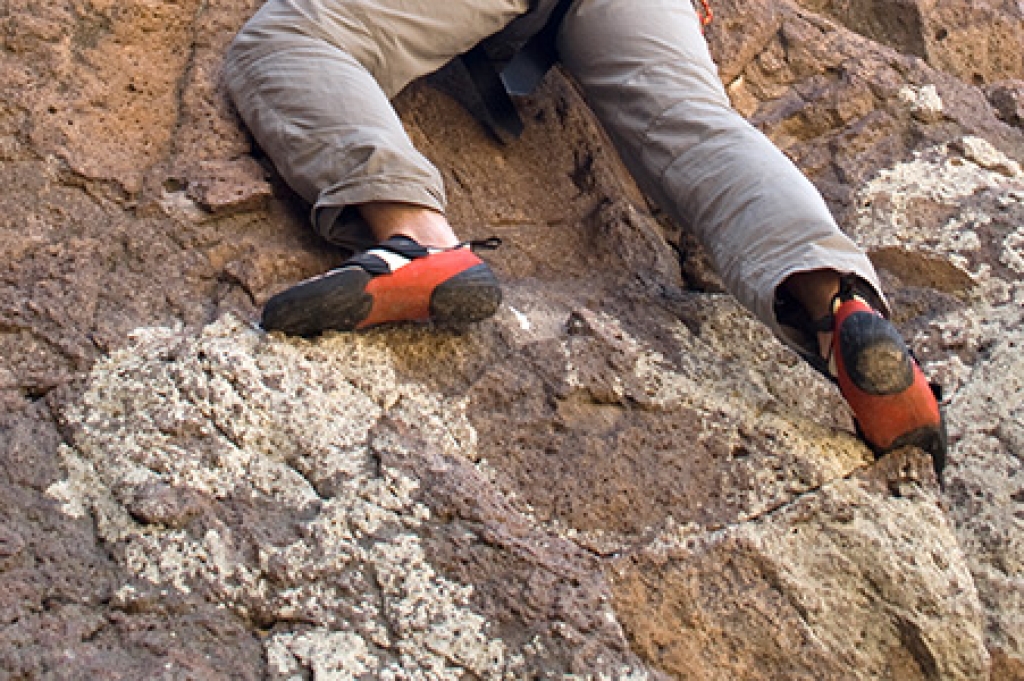
Foot injuries from rock climbing are more common than many people think, especially during falls or from wearing tight climbing shoes. Falls can lead to bruises, sprains, or broken bones in the heel or ankle, which may require surgery to heal properly. However, repeated impact and pressure from tight shoes can also cause long-term problems. These include pain in the toes, thickened skin, and blood under the toenails. Many climbers wear shoes that are too small in order to get a better grip, but this can change how the foot moves and put too much pressure on certain areas. Over time, this can lead to chronic foot pain and deformities that may limit movement or cause discomfort even when not climbing. Changes in toe shape, such as bunions, or stiffness in the big toe joint may also develop. A podiatrist can diagnose climbing-related foot and ankle injuries, help manage pain, and recommend the best medical treatment, which may include surgery if needed. If you have injured your foot while rock climbing, whether indoors or outside, it is suggested that you make an appointment with a podiatrist for treatment.

Foot Pain

Foot pain can be extremely painful and debilitating. If you have a foot pain, consult with Anas Khoury, DPM from North Eastern Foot & Ankle Specialists. Our doctor will assess your condition and provide you with quality foot and ankle treatment.

Causes

Foot pain is a very broad condition that could be caused by one or more ailments. The most common include:

  • Bunions
  • Hammertoes
  • Plantar Fasciitis
  • Bone Spurs
  • Corns
  • Tarsal Tunnel Syndrome
  • Ingrown Toenails
  • Arthritis (such as Gout, Rheumatoid, and Osteoarthritis)
  • Flat Feet
  • Injury (from stress fractures, broken toe, foot, ankle, Achilles tendon ruptures, and sprains)
  • And more

Diagnosis

To figure out the cause of foot pain, podiatrists utilize several different methods. This can range from simple visual inspections and sensation tests to X-rays and MRI scans. Prior medical history, family medical history, and any recent physical traumatic events will all be taken into consideration for a proper diagnosis.

Treatment

Treatment depends upon the cause of the foot pain. Whether it is resting, staying off the foot, or having surgery; podiatrists have a number of treatment options available for foot pain.

If you have any questions, please feel free to contact our office located in Passaic, NJ . We offer the newest diagnostic and treatment technologies for all your foot care needs.
Read more about Foot Pain

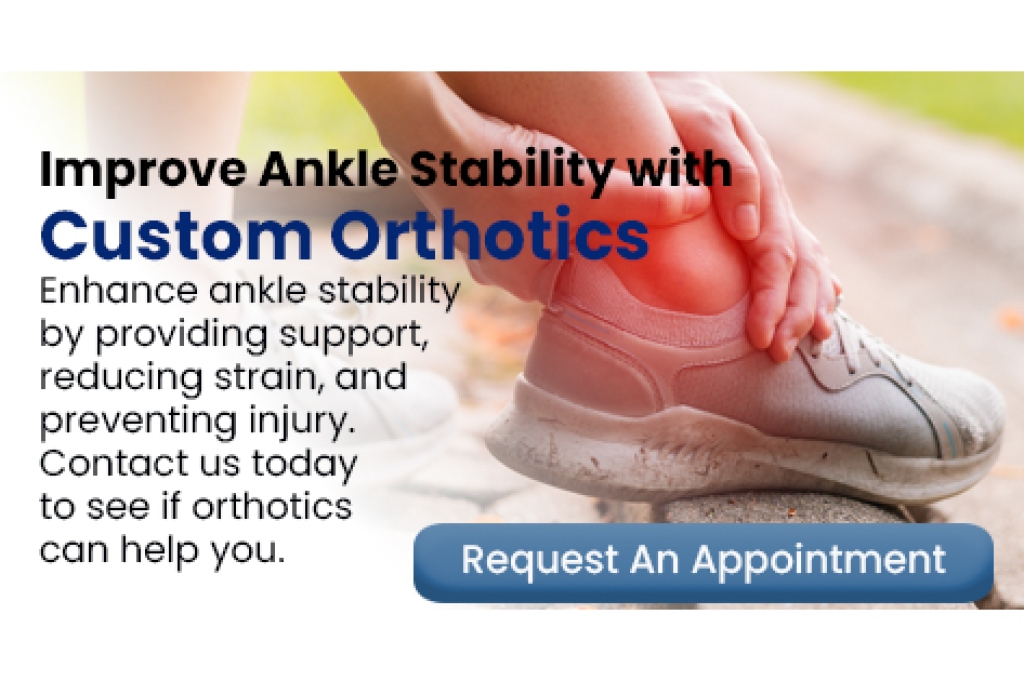
Custom Orthotics For Ankle Stability

Step with assurance, thanks to enhanced ankle stability from orthotics! If you're active and on the move, Custom Orthotics are your ally for stronger, steadier ankles. They align your foot and ankle, reducing the risk of sprains and offering solid support for every stride. Don’t let instability hold you back. Try Custom Orthotics from our office, and discover unshakable confidence in every step!

Connect With Us