
Do you suffer from heel pain when you get up in the morning? If so, you should seek professional help and have a proper diagnosis performed. Heel pain can be caused by several different foot-related conditions.
Do you suffer from heel pain when you get up in the morning? If so, you should seek professional help and have a proper diagnosis performed. Heel pain can be caused by several different foot-related conditions.
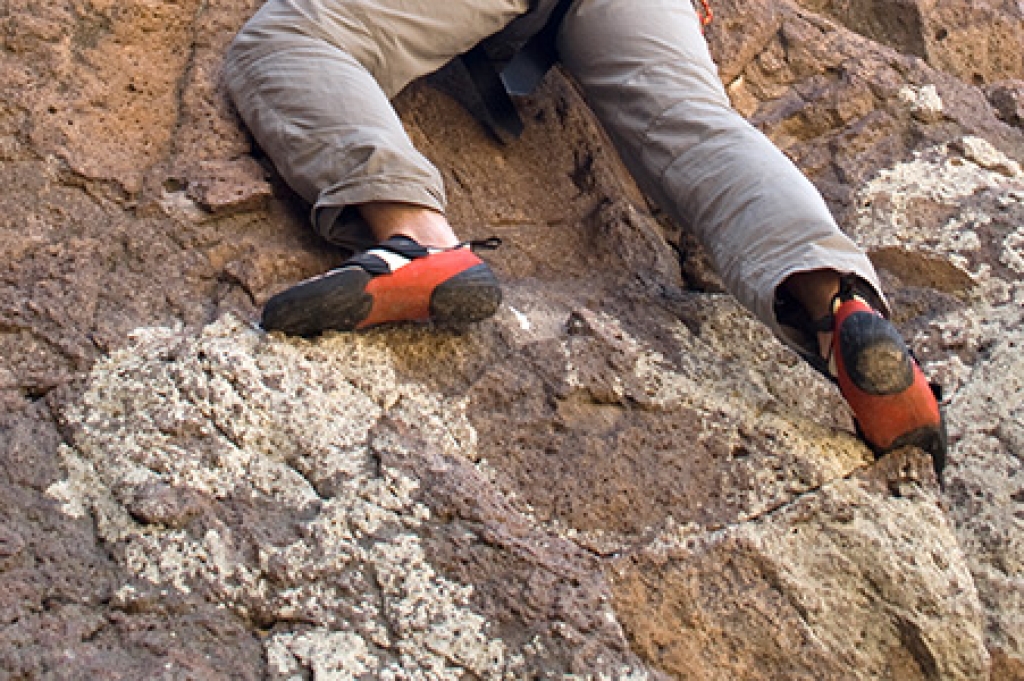
Foot injuries from rock climbing are more common than many people think, especially during falls or from wearing tight climbing shoes. Falls can lead to bruises, sprains, or broken bones in the heel or ankle, which may require surgery to heal properly. However, repeated impact and pressure from tight shoes can also cause long-term problems. These include pain in the toes, thickened skin, and blood under the toenails. Many climbers wear shoes that are too small in order to get a better grip, but this can change how the foot moves and put too much pressure on certain areas. Over time, this can lead to chronic foot pain and deformities that may limit movement or cause discomfort even when not climbing. Changes in toe shape, such as bunions, or stiffness in the big toe joint may also develop. A podiatrist can diagnose climbing-related foot and ankle injuries, help manage pain, and recommend the best medical treatment, which may include surgery if needed. If you have injured your foot while rock climbing, whether indoors or outside, it is suggested that you make an appointment with a podiatrist for treatment.
Foot Pain
Foot pain can be extremely painful and debilitating. If you have a foot pain, consult with Anas Khoury, DPM from North Eastern Foot & Ankle Specialists. Our doctor will assess your condition and provide you with quality foot and ankle treatment.
Causes
Foot pain is a very broad condition that could be caused by one or more ailments. The most common include:
Diagnosis
To figure out the cause of foot pain, podiatrists utilize several different methods. This can range from simple visual inspections and sensation tests to X-rays and MRI scans. Prior medical history, family medical history, and any recent physical traumatic events will all be taken into consideration for a proper diagnosis.
Treatment
Treatment depends upon the cause of the foot pain. Whether it is resting, staying off the foot, or having surgery; podiatrists have a number of treatment options available for foot pain.
If you have any questions, please feel free to contact our office located in Passaic, NJ . We offer the newest diagnostic and treatment technologies for all your foot care needs.
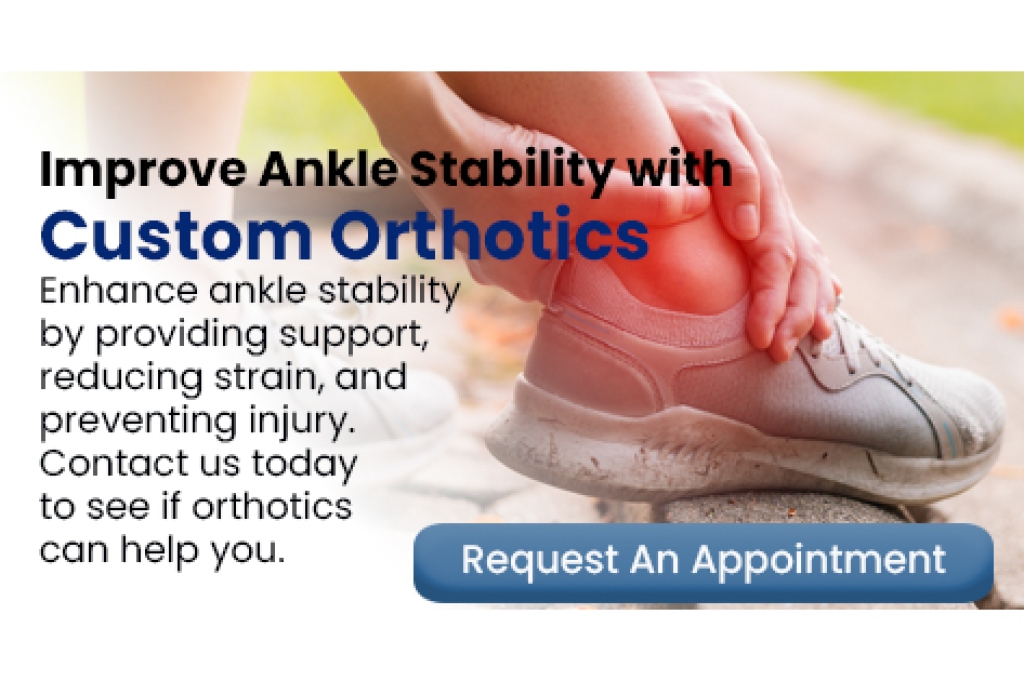
Step with assurance, thanks to enhanced ankle stability from orthotics! If you're active and on the move, Custom Orthotics are your ally for stronger, steadier ankles. They align your foot and ankle, reducing the risk of sprains and offering solid support for every stride. Don’t let instability hold you back. Try Custom Orthotics from our office, and discover unshakable confidence in every step!
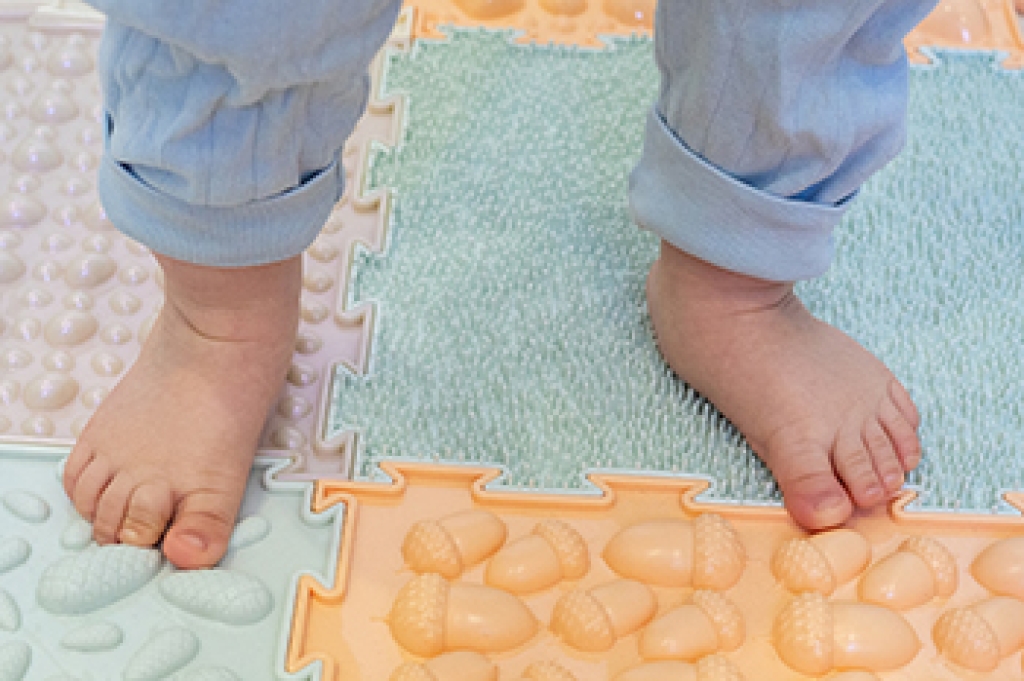
Flat feet in children occur when the arches do not develop properly, leading to the entire sole making contact with the ground. Causes vary and may include hereditary factors, muscle imbalances, or joint flexibility issues. Low muscle tone can prevent proper arch formation, while high muscle tone may cause stiffness and discomfort. Hypermobile joints allow excessive movement, making it difficult for the arch to maintain structure. Obesity places added pressure on the feet, contributing to flattening over time. Symptoms include foot pain, fatigue, difficulty walking long distances, and inward rolling of the ankles. Some children may also experience balance issues or discomfort when standing for extended periods. If your child has symptoms of flat feet, it is suggested that you contact a podiatrist who can offer treatment and relief management tips.
Flatfoot is a condition many people suffer from. If you have flat feet, contact Anas Khoury, DPM from North Eastern Foot & Ankle Specialists. Our doctor will treat your foot and ankle needs.
What Are Flat Feet?
Flatfoot is a condition in which the arch of the foot is depressed and the sole of the foot is almost completely in contact with the ground. About 20-30% of the population generally has flat feet because their arches never formed during growth.
Conditions & Problems:
Having flat feet makes it difficult to run or walk because of the stress placed on the ankles.
Alignment – The general alignment of your legs can be disrupted, because the ankles move inward which can cause major discomfort.
Knees – If you have complications with your knees, flat feet can be a contributor to arthritis in that area.
Symptoms
Treatment
If you are experiencing pain and stress on the foot you may weaken the posterior tibial tendon, which runs around the inside of the ankle.
If you have any questions, please feel free to contact our office located in Passaic, NJ . We offer the newest diagnostic and treatment technologies for all your foot care needs.

Foot orthoses come in many forms, each designed to meet specific needs and conditions. Some are rigid and made from plastic or carbon fiber to control foot motion and support structural problems. Others are softer and more flexible, providing cushioning and pressure relief for conditions like arthritis or diabetes. Semi-rigid options offer a balance of support and comfort, often used in athletic or active settings. Orthoses can be full-length, extending from heel to toe, or shorter, targeting just the heel or arch area. They may also be custom-made for a precise fit or pre-fabricated for general support. The choice depends on the individual’s foot structure, activity level, and medical needs. Since the form and function of orthoses vary, it is important to match the right device to the right condition. If you have foot pain, it is suggested that you see a podiatrist for a proper diagnosis and treatment, which may include custom orthotics.
Custom orthotics play an important role in preventing and treating foot and ankle injuries by providing personalized support that aligns with the unique structure of each foot. These specially designed devices help correct biomechanical imbalances, reduce pressure on sensitive areas, and improve stability during movement. When the feet are properly supported, the risk of developing conditions such as plantar fasciitis, Achilles tendinitis, and ankle sprains can be significantly reduced. Custom orthotics also help relieve discomfort caused by having flat feet, high arches, or uneven leg length, which may contribute to recurring injuries or pain.
Foot and ankle injuries can develop gradually from repetitive strain or occur suddenly during physical activity. Without proper treatment, these injuries can affect mobility and overall quality of life. Orthotics work to redistribute weight evenly across the foot, allowing joints and muscles to function more efficiently. This not only supports recovery from injury but can also prevent future problems by promoting better posture and alignment throughout the lower body.
Unlike over-the-counter inserts, custom orthotics are designed based on a detailed evaluation of each patient’s foot structure, gait, and medical needs. Podiatrists use advanced imaging and diagnostic tools to create orthotics that fit precisely and provide targeted correction. Whether used in everyday footwear or athletic shoes, custom orthotics can improve comfort, enhance performance, and support long-term foot health.
If you are experiencing foot or ankle pain or have sustained an injury that has not improved with rest, it is suggested that you schedule an appointment with a podiatrist. Call our office for more information or to make an appointment.
If you have any questions, please feel free to contact our office located in Passaic, NJ .
Connect With Us
