Hablamos Español

Understanding the Anatomy of Flat Feet

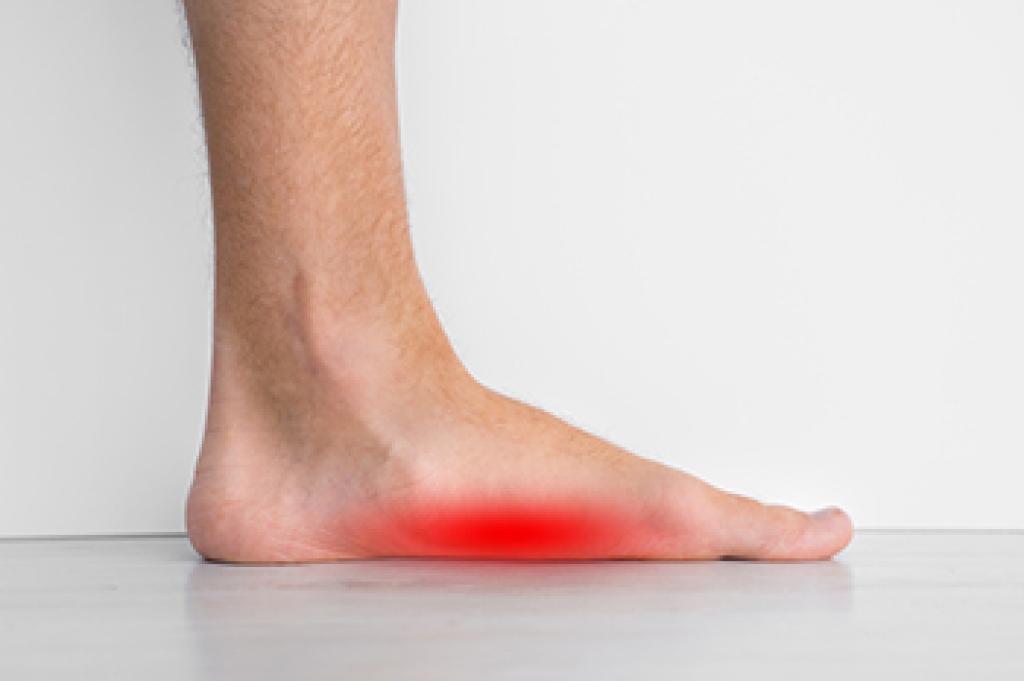
Flat feet, also known as fallen arches, is a common condition where the arches of the feet appear to be flat or absent. Understanding the anatomy of flat feet can shed light on this condition. The arch of the foot is a vital structural feature, composed of tendons, ligaments, and bones, including the tarsal and metatarsal bones. In individuals with normal arches, these structures work together to absorb shock, distribute weight, and provide stability during movement. However, in individuals with flat feet, these components may not function as effectively. Common causes of flat feet include genetics, injury, or conditions such as tendon dysfunction. When the arch collapses or flattens, it can result in an uneven distribution of weight on the foot, leading to pain, fatigue, and potential musculoskeletal issues. Understanding the anatomy of flat feet is the first step towards seeking appropriate care and management. It is suggested that you consult with a podiatrist who can help individuals with flat feet explore treatment options. These can include wearing orthotics, doing specific exercises, and, in some cases, undergoing surgery to address discomfort and improve foot function.

Flatfoot is a condition many people suffer from. If you have flat feet, contact Anas Khoury, DPM from North Eastern Foot & Ankle Specialists. Our doctor will treat your foot and ankle needs.

What Are Flat Feet?

Flatfoot is a condition in which the arch of the foot is depressed and the sole of the foot is almost completely in contact with the ground. About 20-30% of the population generally has flat feet because their arches never formed during growth.

Conditions & Problems:

Having flat feet makes it difficult to run or walk because of the stress placed on the ankles.

Alignment – The general alignment of your legs can be disrupted, because the ankles move inward which can cause major discomfort.

Knees – If you have complications with your knees, flat feet can be a contributor to arthritis in that area.  

Symptoms

  • Pain around the heel or arch area
  • Trouble standing on the tip toe
  • Swelling around the inside of the ankle
  • Flat look to one or both feet
  • Having your shoes feel uneven when worn

Treatment

If you are experiencing pain and stress on the foot you may weaken the posterior tibial tendon, which runs around the inside of the ankle. 

If you have any questions, please feel free to contact our office located in Passaic, NJ . We offer the newest diagnostic and treatment technologies for all your foot care needs.
Read more about Flatfoot

Securing the Home for Effective Fall Prevention

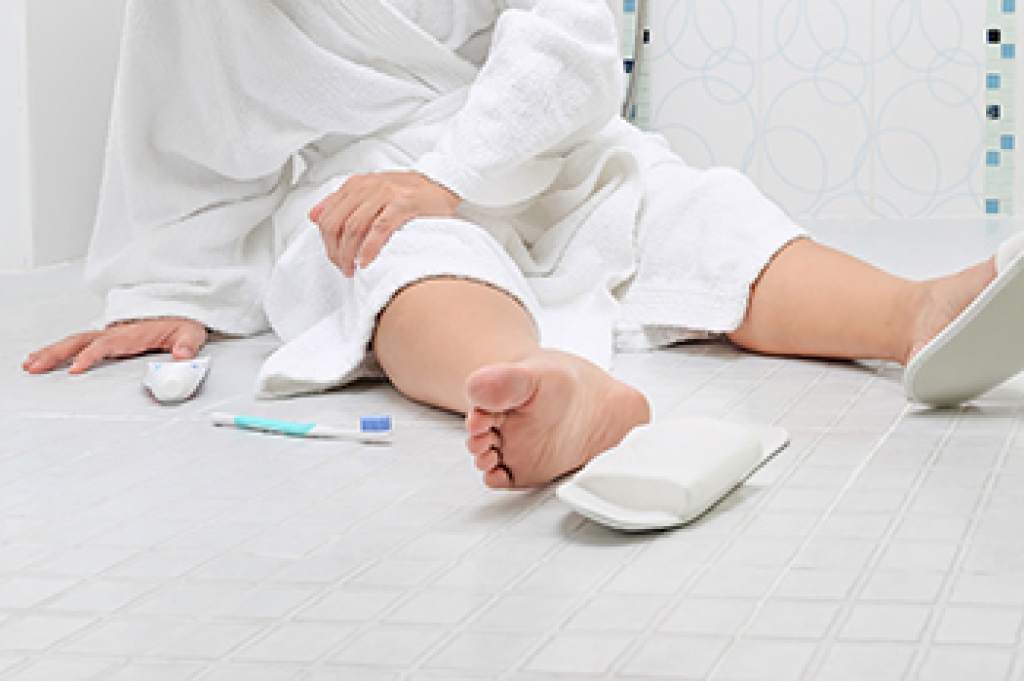
Accidents can happen anywhere, but our homes should be a sanctuary of safety. One common but preventable mishap is falling within the household. These accidents can result in injuries ranging from minor scrapes to foot injuries, making fall prevention a top priority. This can begin with ensuring your home is well lit, especially in high traffic areas and staircases. Removing clutter and hazards from walkways, such as loose rugs or cords, and securing them to the floor or wall are effective fall prevention techniques. Installing handrails on stairs and grab bars in bathrooms is useful for added support. Consider using non-slip mats in the shower and bathtub. Regularly inspect and maintain your flooring to prevent tripping over loose tiles or damaged areas. Wear appropriate footwear with good grip, and be cautious on wet or slippery surfaces. Additionally, it is beneficial to stay active and that can help to maintain strength and balance, reducing the risk of falls. Taking these precautions can transform your home into a safe haven, where the threat of falling is minimized. If you would like more information about how falling can affect the feet in addition to learning about successful prevention methods, it is suggested that you confer with a podiatrist. 

Preventing falls among the elderly is very important. If you are older and have fallen or fear that you are prone to falling, consult with Anas Khoury, DPM from North Eastern Foot & Ankle Specialists. Our doctor will assess your condition and provide you with quality advice and care.

Every 11 seconds, an elderly American is being treated in an emergency room for a fall related injury. Falls are the leading cause of head and hip injuries for those 65 and older. Due to decreases in strength, balance, senses, and lack of awareness, elderly persons are very susceptible to falling. Thankfully, there are a number of things older persons can do to prevent falls.

How to Prevent Falls

Some effective methods that older persons can do to prevent falls include:

  • Enrolling in strength and balance exercise program to increase balance and strength
  • Periodically having your sight and hearing checked
  • Discuss any medications you have with a doctor to see if it increases the risk of falling
  • Clearing the house of falling hazards and installing devices like grab bars and railings
  • Utilizing a walker or cane
  • Wearing shoes that provide good support and cushioning
  • Talking to family members about falling and increasing awareness

Falling can be a traumatic and embarrassing experience for elderly persons; this can make them less willing to leave the house, and less willing to talk to someone about their fears of falling. Doing such things, however, will increase the likelihood of tripping or losing one’s balance. Knowing the causes of falling and how to prevent them is the best way to mitigate the risk of serious injury.  

If you have any questions, please feel free to contact our office located in Passaic, NJ . We offer the newest diagnostic and treatment technologies for all your foot care needs.
Read more about Falls Prevention

Shock Wave Therapy for Plantar Fasciitis

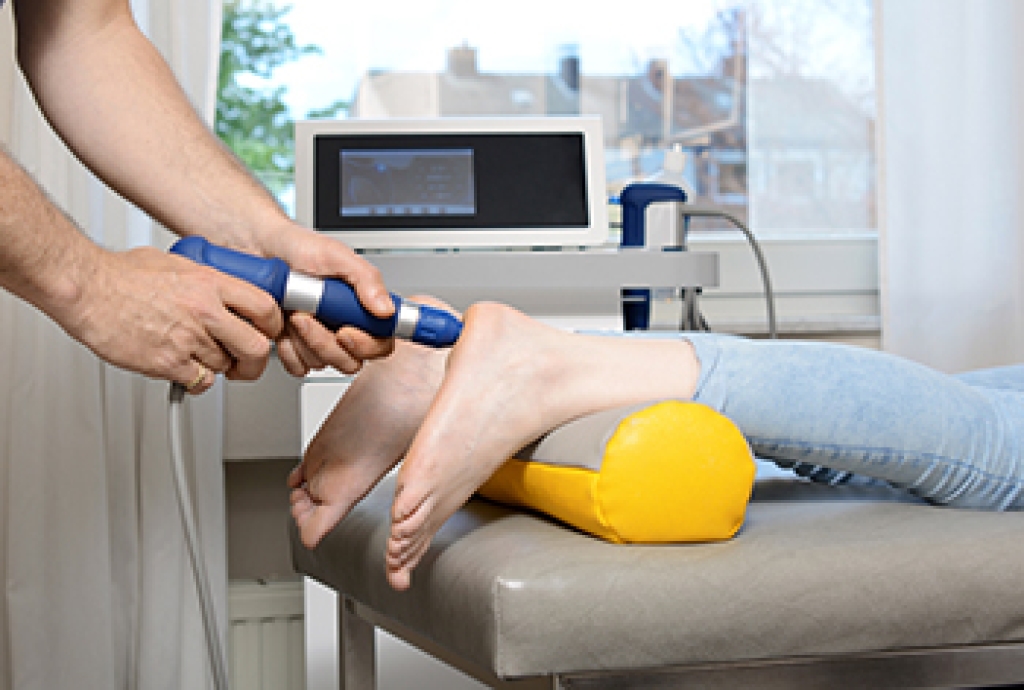
Shock wave therapy for plantar fasciitis is a non-invasive medical treatment designed to alleviate the excruciating heel pain caused by plantar fasciitis. Plantar fasciitis is a condition that is characterized by inflammation of the plantar fascia, a thick band of tissue connecting the heel bone to the toes. This inflammation results in stabbing pain, especially with the first steps in the morning. Shock wave therapy, also known as extracorporeal shock wave therapy, or ESWT, involves the application of high-energy shock waves to the affected area. These shock waves stimulate the body's natural healing processes by increasing blood flow and promoting tissue repair. Additionally, shock wave therapy may break down the calcium deposits that can form in the plantar fascia. This treatment is typically administered over several sessions, and its effectiveness varies from person to person. While it is considered safe, consulting a podiatrist is crucial in determining if shock wave therapy is the right choice for managing your plantar fasciitis. If you are interested in learning more about shockwave therapy, it is suggested that you confer with this type of doctor who can provide you with the information you are seeking.

Shockwave therapy is a treatment commonly used to treat various injuries and conditions, particularly plantar fasciitis in the feet. To learn more, consult with Anas Khoury, DPM from North Eastern Foot & Ankle Specialists. Our doctor can provide the care you need to keep you pain-free and on your feet.

Shockwave Therapy

Shockwave therapy is a new treatment option designed to treat bone conditions such as tennis elbow, shoulder pain, and others. Shockwave therapy uses high intensity sound waves that are directed to the affected tissues of the body with pinpoint accuracy. The effects are very beneficial, leading to a production of collagen fibers, eliminating inflammation.

Who Benefits from Shockwave?

Shockwave is recommended for patients suffering from heel pain and associated problems. Heel pain is a common condition which can be caused by obesity, overexertion, and spending a substantial amount of time on hard floors with your feet exposed and unsupported.

Fast and Easy

The therapy is actually a simple process that can leave patients feeling better the very next day. Shockwave therapy is not as dramatic as it sounds. It enables more blood flow to effected areas, addressing the source of the problem and allowing treatment to last for a long time.

Treatment & Recovery Time

Shockwave treatment will enable your feet to recover quickly. This is especially important since surgery is not required. It is cost effective and does not require the use of anesthesia. This treatment is a better option to surgery, since it is proven safe.

If you have any questions, please feel free to contact our office located in Passaic, NJ . We offer the newest diagnostic and treatment technologies for all your foot care needs.
Read more about Shockwave Therapy

Reminder: When Was the Last Time...?

Custom orthotics, or shoe inserts, should be periodically replaced. Orthotics must fit properly to give you the best results. Protect your feet and ankles!

Dealing With Lateral Foot Pain

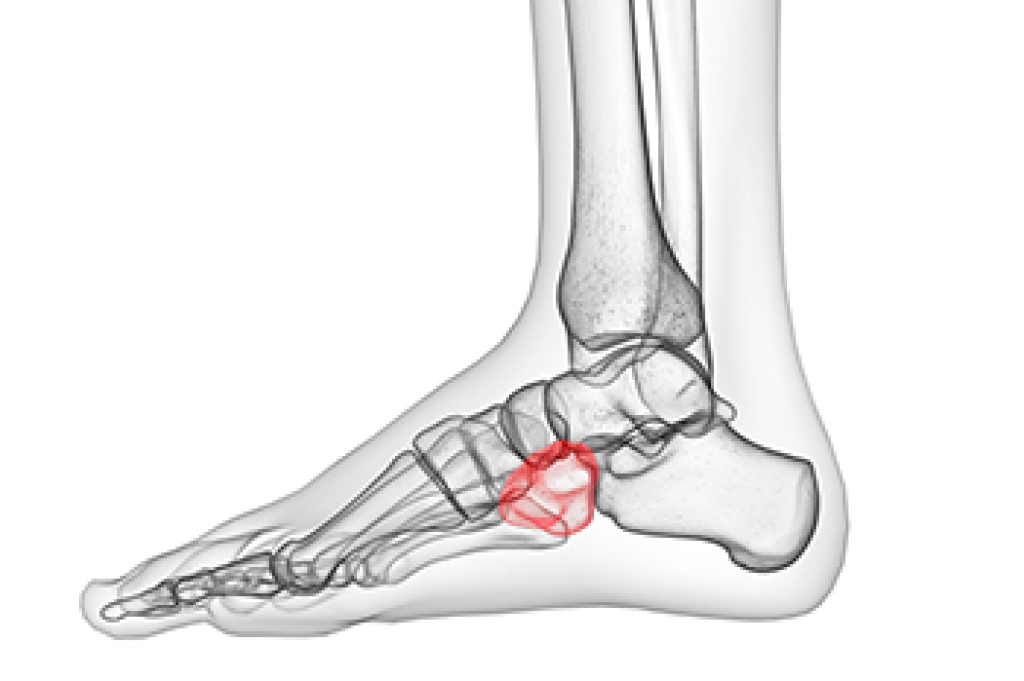
Cuboid syndrome is a frequent cause of lateral foot pain, primarily affecting the outer side of the foot. Athletes like ballet dancers and runners are often affected, with the condition resulting from the partial dislocation of the cuboid bone. This dislocation can occur suddenly due to injuries like ankle sprains or develop gradually from repetitive stress on the bone. Cuboid syndrome is characterized by the cuboid bone acting as a block, restricting the movement of surrounding foot bones. Three primary causes of cuboid syndrome include ankle injuries, repetitive strain, and altered foot biomechanics, often associated with flat feet. Symptoms encompass lateral foot pain, worsened with activity, difficulty walking, tenderness, swelling, and weakness during activities like walking, running, and jumping. Diagnosis is often challenging, and this condition can be misdiagnosed. Imaging studies may not reveal cuboid dislocation, but a physical examination involving palpation and specific tests can help identify the condition. Treatment options involve exercises to improve mobility, strength, and stability, as well as rest. A podiatrist can also manipulate and reposition the cuboid, tape it for support, prescribe orthotics, or recommend cuboid wedges to correct foot positioning. If you have lateral foot pain, it is suggested that you make an appointment with a podiatrist to obtain an accurate diagnosis and treatment that is right for you.

Cuboid syndrome, also known as cuboid subluxation, occurs when the joints and ligaments near the cuboid bone in the foot become torn. If you have cuboid syndrome, consult with Anas Khoury, DPM from North Eastern Foot & Ankle Specialists. Our doctor will assess your condition and provide you with quality foot and ankle treatment.

Cuboid syndrome is a common cause of lateral foot pain, which is pain on the outside of the foot. The condition may happen suddenly due to an ankle sprain, or it may develop slowly overtime from repetitive tension through the bone and surrounding structures.

Causes

The most common causes of cuboid syndrome include:

  • Injury – The most common cause of this ailment is an ankle sprain.
  • Repetitive Strain – Tension placed through the peroneus longus muscle from repetitive activities such as jumping and running may cause excessive traction on the bone causing it to sublux.
  • Altered Foot Biomechanics – Most people suffering from cuboid subluxation have flat feet.

Symptoms

A common symptom of cuboid syndrome is pain along the outside of the foot which can be felt in the ankle and toes. This pain may create walking difficulties and may cause those with the condition to walk with a limp.

Diagnosis

Diagnosis of cuboid syndrome is often difficult, and it is often misdiagnosed. X-rays, MRIs and CT scans often fail to properly show the cuboid subluxation. Although there isn’t a specific test used to diagnose cuboid syndrome, your podiatrist will usually check if pain is felt while pressing firmly on the cuboid bone of your foot.

Treatment

Just as the range of causes varies widely, so do treatments. Some more common treatments are ice therapy, rest, exercise, taping, and orthotics.

If you have any questions, please feel free to contact our office located in Passaic, NJ . We offer the newest diagnostic and treatment technologies for all your foot care needs.

Read more about Cuboid Syndrome

Connect With Us